
REVIEW · BUCHAREST COMMUNISM TOURS
Life under Communism
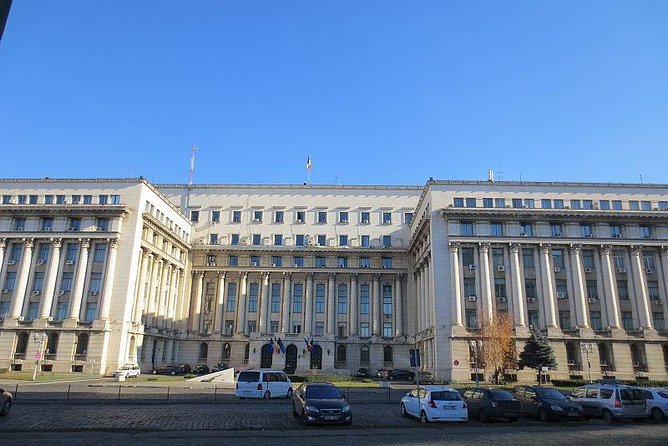
Communism is easier to understand when you can see it. This Bucharest tour strings together the rise and fall of Nicolae Ceaușescu, using street-level landmarks, political memorials, and the city’s distinctive communist-era look to make history feel real. I especially like how it mixes power, propaganda, and everyday life stories, and I like that the tour is built around key sites instead of just general lectures.
Two stops really grab you. First, the Palace of Parliament shows why Ceaușescu’s ambition became a physical symbol of the regime. Second, the walk ends near Revolution Square, where the collapse of communism played out in public, not in a textbook. One drawback to keep in mind: it is a walking tour in all weather, so you will want comfortable shoes and a layer for surprise rain.
Why This Bucharest Communism Walk Works
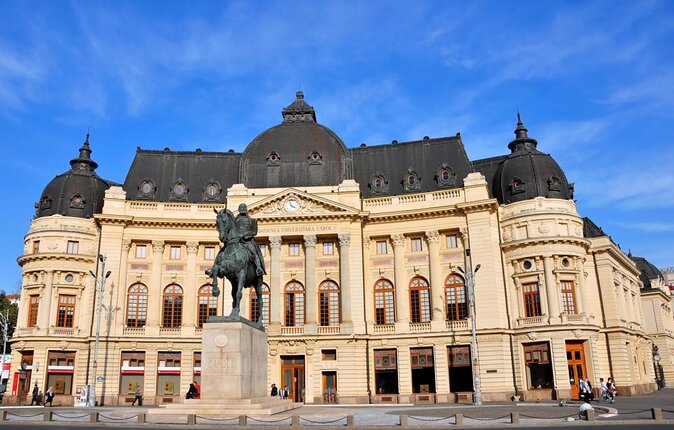
You see the regime, not just hear about it. Instead of staying abstract, the tour moves from religion and early violence to propaganda-scale architecture, then to the spaces tied to 1989.
The guide focus is stories with context. In the feedback, guides like Cristina and others are praised for clear English and for explaining how daily life worked under communist rule. That storytelling matters, because it turns places into cause-and-effect.
Most of the key stops are free to enter. You only need to budget for the one major exception, the Palace of Parliament entry.
It’s small-group enough to ask questions. With a maximum of 20 people, the experience stays conversational, not crowded.
It’s time efficient. In about 3 hours, you cover enough ground that you finish the walk with a real sense of Bucharest’s 20th-century turning points.
The communist city, three more ways
- The Real tour of Communism★ 5.0 · 666 reviews
- Life under Communism★ 5.0 · 358 reviews
- 3-Hour Guided Tour of Communist Bucharest★ 4.9 · 303 reviews
- Bucharest Essential Tour: Old Town, Calea Victoriei & Communism★ 5.0 · 142 reviews
A Street-Level Story of Power, Concrete, and Crackdowns
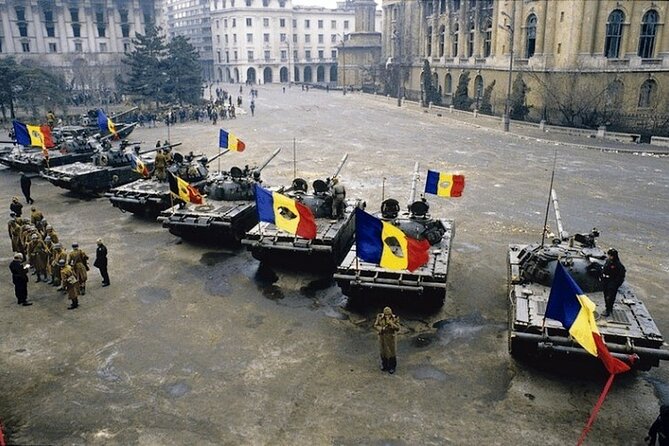
I like tours like this because Bucharest does most of the teaching for you. Communist rule shaped the city through massive building projects, pressure on institutions, and the constant presence of surveillance and political control. When you walk these streets in sequence, the story clicks, from the violence that marked the beginning to the revolution that ended the system.
This is also a smart value format. You pay about $42.33 for a professional guide, and the route includes several stops with free admission. You are not stuck in museums only, which is good because Bucharest itself is part of the “museum.”
One more practical note: because the tour is offered in English and capped at 20, it works best if you want a compact, guided overview before you go off on your own. If you only have a day, this is the kind of half-day that helps you read the city later.
Stop 1, Catedrala Patriarhala: Where the Regime Met Religion
You start at Catedrala Patriarhala, and the conversation goes right for the hard part. The guide frames the violent beginnings of communism in Romania and connects that moment to how power tried to control belief and public life.
Why this stop matters: religion was not just spirituality under communist rule. It became a space the state watched, limited, and tried to reshape. Starting here sets the tone for the whole tour, because later stops show how ideology changed buildings, institutions, and daily habits.
You get about 10 minutes here, and admission is free. If you are sensitive to heavy history, you might feel the tone quickly, but it is also a useful start because it prevents the rest of the tour from becoming purely architectural sightseeing.
Palace of Parliament: Ceaușescu’s Monument to Control
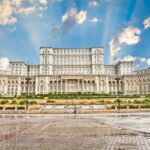
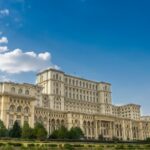
The Palace of Parliament is the centerpiece, and it makes sense to treat it that way. This is where the tour explains the real story behind one of the world’s biggest administrative buildings, and why Ceaușescu’s rule left such a loud mark on Bucharest.
Here is what you should expect in practice. Your time is short, around 15 minutes, so the guide’s job is to help you see the building as propaganda, not just as a big pile of stone. You likely cannot take in everything in one pass, but you can understand the logic of the place if your guide ties it to politics, cost, and social impact.
Budget tip: admission to the Palace of Parliament is not included. Plan on paying the entry fee separately, or at least confirm the price in advance before you go. That extra cost is the main reason this tour is not a completely “all-in” bargain.
Manastirea Antim: A Medieval Monastery Under Communist Pressure
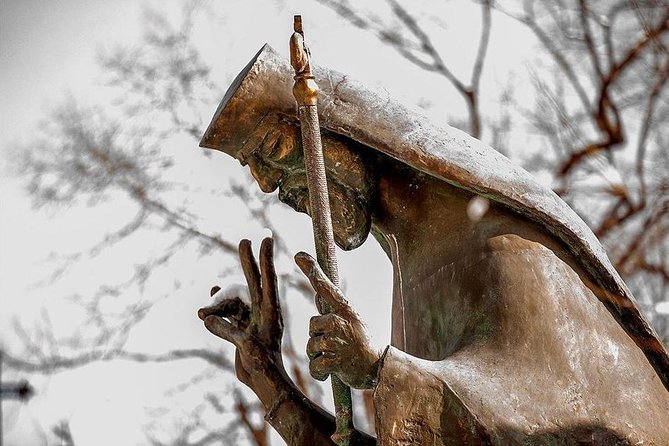
Next comes Manastirea Antim, a picturesque medieval monastery that adds contrast fast. The tour uses this stop to talk about how the communist regime impacted religion and religious spaces, turning what you see into a story about control and resistance.
Why I think this stop is important: when communist rule is explained only through political offices and grand buildings, it can feel distant. A monastery brings it closer. It shows that the state’s pressure reached culture and faith, not just elections and laws.
You get roughly 10 minutes and admission is free. Because this stop is shorter, your guide will likely focus on the connections between past and present, like how religious life was reshaped and what survived.
Old Town and Caru’ cu bere: Foreign Policy in a Public Place
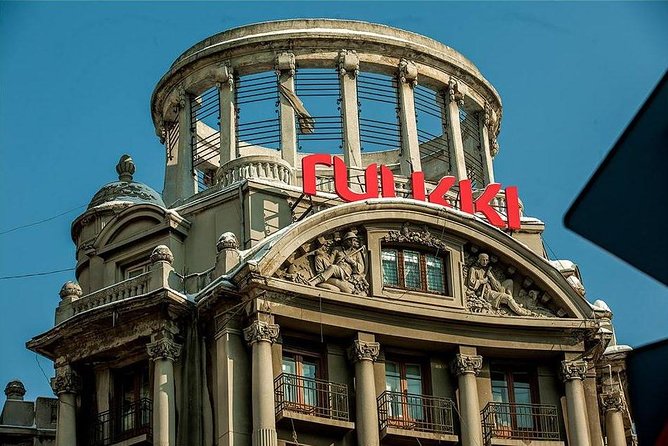
Then you head toward Bucharest’s Old Town area, including the famous Caru’ cu bere restaurant. This is where the tour connects communism to a place visitors recognize, and it explains the role such venues played in foreign policy during the communist era.
The key idea is that communist systems did not only function through fear. They also worked through image management. Places where foreigners gathered were useful for projecting a controlled story about the country, even if daily life for locals was different.
This stop is brief, about 10 minutes, and admission is free. You should also treat this as a navigation moment. Old Town is a great place to wander afterward, but the tour gives you context so you know what you are looking at rather than walking through it randomly.
If you are hungry, this area is a good spot to transition into food on your own. The tour itself does not include meals, and it is best to plan your lunch or snacks around your own schedule.
Piaka Revolukiei (Revolution Square): The Violent End of an Era
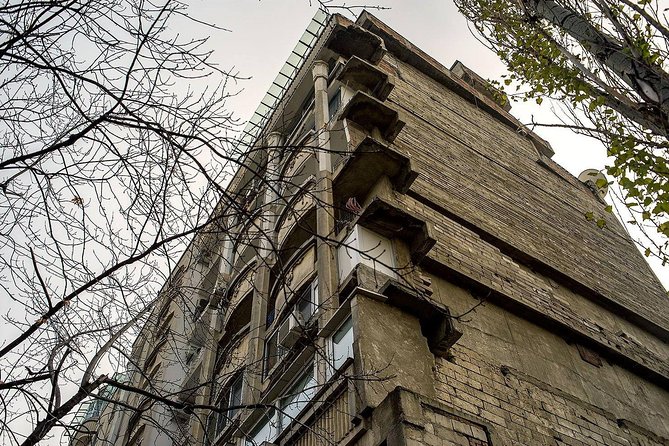
The tour’s final act is Revolution Square, which is also where the experience ends. Here the focus turns to the violent collapse of communism and Ceaușescu’s downfall, in the public space where the story became hard to ignore.
Why this ending works: if the earlier stops explain how the system grew, this one explains how it fell. By the time you reach this square, you have already seen how the regime shaped buildings, restricted institutions, and used ideology in daily life. The ending ties it together.
You get about 15 minutes at this stop, and admission is free. You also finish right at Piața Revoluției, which is convenient. You can keep exploring nearby streets, visit other landmarks on foot, or just use the square as an easy reference point for getting around.
What Daily Life Under Communism Looks Like in Real Bucharest
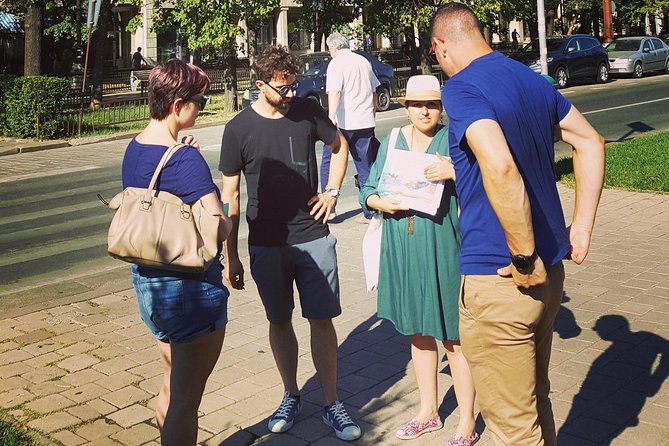
The tour is not just about the dictator’s timeline. It is also about how ordinary life felt under communist rule, and it shows up in the kinds of stories the guide chooses.
In the feedback, guides are praised for mixing political facts with personal perspective. You may hear family-linked stories and examples of how people dealt with restrictions, shortages, and the constant pressure of living under a system that monitored behavior. That matters because communist history can be emotionally heavy and politically complex, and personal accounts help it land in your brain.
You may also get small, eye-opening pointers along the way. Some routes like this often include reminders of surveillance and control, such as former offices tied to the system that now appear as ordinary buildings. You also might hear about the kind of rationing and long lines that showed up in everyday life. One reviewer even noted bullet holes visible on buildings, which is the kind of detail that makes the revolution feel immediate rather than distant.
I also like that the tour is framed as balanced, not a one-note lecture. You are shown how systems can bring changes and also cause damage, and you get enough context to form your own judgment.
Price and Value: What You Pay, What You Still Need to Pay
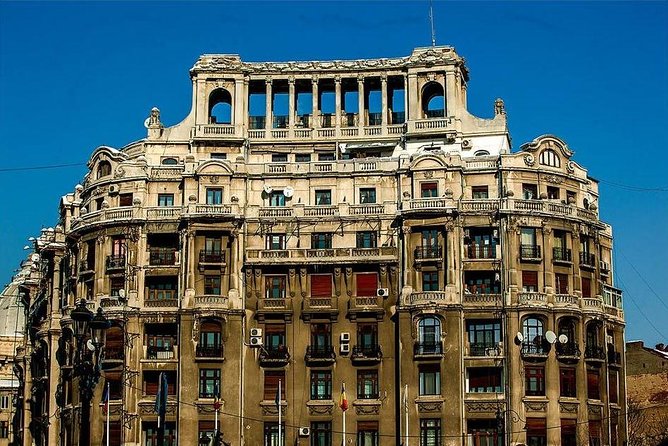
At about $42.33 per person for roughly 3 hours, this is a solid value if you want a focused history walk. You get a professional guide, a mobile ticket, and a route that includes several free-entry stops.
Your main potential extra cost is the Palace of Parliament admission, which is not included. That is a fair trade-off because the Palace is the big iconic stop where you will likely spend the most money on entry if you do it yourself.
Group size also affects value. With a maximum of 20, you usually get more direct interaction than you would on a huge bus tour. If you like asking questions, this is the kind of format where those questions get answered instead of brushed off.
Logistics That Actually Matter for a Comfortable Walk
This tour is offered in English and operates in all weather. That means you should dress for rain just as seriously as sunshine.
A few practical notes:
- Wear comfortable shoes. You will be walking through the city.
- Bring a light layer or rain protection, since the tour keeps going in rain.
- The tour is near public transportation, so you can usually reach the meeting point without a car.
- Service animals are allowed.
Meeting point: Aleea Dealul Mitropoliei 19, București 030167.
Ending point: Revolution Square, Piața Revoluției, București.
One small timing thing to plan for: Bucharest traffic can be unpredictable, so build in a little buffer if you have another reservation later the same day.
Who Should Book This Tour (And Who Might Skip It)
This is a great fit if you want:
- A compact introduction to Romania’s communist period and the 1989 revolution
- A walking route with real landmarks tied to politics, architecture, and institutions
- Clear English explanations with room for questions
It may be less ideal if:
- You hate walking in rain or cold weather
- You only want purely museum-style content and not streetscape history
- You strongly prefer tours with every admission included, because the Palace of Parliament fee is extra
Should You Book Life Under Communism in Bucharest?
If you have limited time in Bucharest and you want your history straight from the city itself, yes, I think you should book it. The biggest reason is simple: the route connects power and ideology to recognizable spaces, so your understanding sticks after the tour ends.
I would book it especially if you like guided storytelling and you want someone to help interpret what you are seeing, not just list names and dates. Just do two homework steps first: plan for the Palace of Parliament ticket and wear shoes you trust on wet pavement.
FAQ
How long is the Life Under Communism tour?
It lasts about 3 hours.
Is the tour offered in English?
Yes, the tour is offered in English.
What is included in the price?
The price includes a professional guide.
Are entrance tickets included for every stop?
Some stops are free, including Catedrala Patriarhala, Manastirea Antim, and the Old Town and Revolution Square areas. The Palace of Parliament admission ticket is not included.
Where do I meet the guide, and where does the tour end?
You start at Aleea Dealul Mitropoliei 19, București 030167, Romania. You end at Revolution Square, Piața Revoluției, București, Romania.
Does the tour run in bad weather?
Yes, it operates in all weather conditions. If it is canceled due to poor weather, you will be offered a different date or a full refund.
What is the cancellation policy for a full refund?
You can cancel up to 24 hours in advance for a full refund. If you cancel less than 24 hours before the start time, the amount paid will not be refunded.
More Tour Reviews in Bucharest
The Communist City, Continued

Just added from Bucharest


Bucharest Communism Tours, compared.
 ★ 5.0The Real tour of CommunismFrom $32666 reviews
 ★ 4.93-Hour Guided Tour of Communist BucharestFrom $29303 reviews
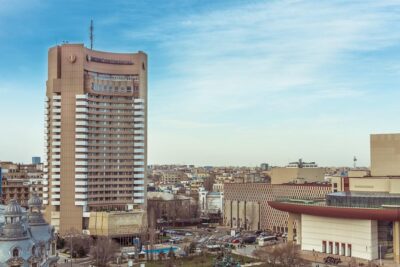 ★ 5.0Bucharest Essential Tour: Old Town, Calea Victoriei & CommunismFrom $24142 reviews
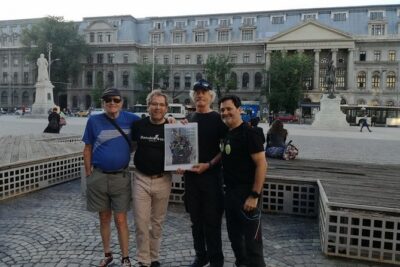 ★ 5.0Communism in Bucharest – Landmarks, Museum & Communist AppetizersFrom $48111 reviews
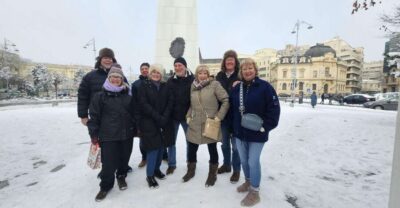 ★ 4.9Relics of Communism 3-Hour Walking TourFrom $4477 reviews
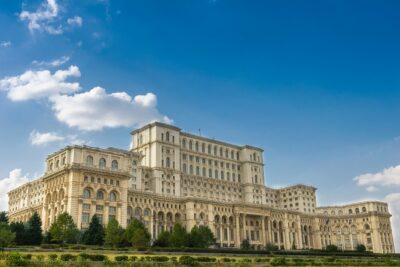 ★ 5.0Bucharest Under Communism: Life, Terror & HopeFrom $2376 reviews
 ★ 4.6Entry ticket at the Museum of CommunismFrom $957 reviews
 ★ 4.6Museum of Communism Ticket with Communist CoffeeFrom $1052 reviews
Browse the lists this tour appears in