

REVIEW · PRIVATE
10-Day Private Tour of Romania with Pick Up
Romania clicks into focus fast on this private route. You get a private car and a licensed English guide for the whole journey, so you are not piecing things together day by day. It also builds in extra flexibility, including changes even after you start, which matters when road conditions or timing shift.
I especially like two things. First, you see both the big, iconic sites and the smaller, meaningful places that make the story of Romania feel human, not just photo ops. Second, the trip is guided in English by Nicolas Experience Tours, and the consistent praise tied to Nicolas is all about good timing and solid knowledge.
The main consideration: entrance fees are not included (most stops), so your budget should account for tickets on top of the tour price.
Key highlights to know before you go

- Private pickup with your input: share your pickup time, address, and phone number so your start is smooth.
- Guiding by Nicolas Experience Tours: an English-speaking guide/driver is with you throughout.
- Lots of variety, one continuous storyline: communist history, royal forts, Dacian sites, and painted monasteries in sequence.
- Season check for Transfagarasan: the highway is fully open only June to October.
- Some admissions are free or included: for example, Transfagarasan is marked free, and Bicaz Gorges is included, but many other sights are not.
- Comfort on the road: wireless internet is provided in the car, with gasoline, parking, and road tolls covered.
More private days in Bucharest
- Castles of Transylvania: Private Day Trip from Bucharest★ 4.5 · 248 reviews
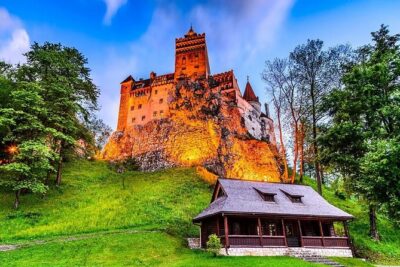
- Dracula’s Castle, Peles Castle and Brasov – Private Day Trip from Bucharest★ 5.0 · 211 reviews
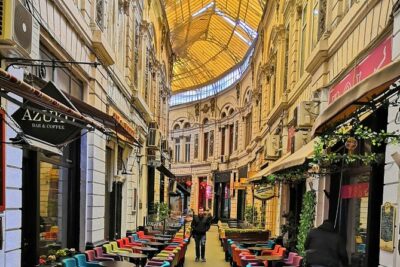
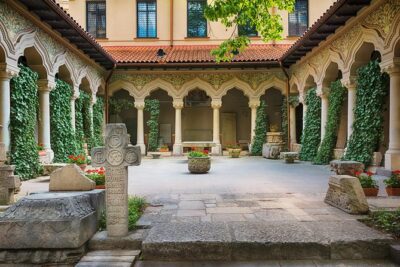
- Best of Bucharest | Private Walking Tour★ 5.0 · 199 reviews
- Bucharest Panoramic Sightseeing – Private City Tour★ 5.0 · 128 reviews
A private road trip feel, built for real pacing

A 10-day Romania trip can go wrong when you are herded. Here, the format is private, with your own vehicle and driver, so you can move at a pace that makes sense. That is not just comfort, it helps you actually look at what you came to see.
Your guide is also the one driving, and that reduces friction. You get an English-speaking guide/driver throughout, plus complimentary wireless internet in the car, which is handy for quick map checks or ticket confirmations.
You also get practical flexibility. The plan can be adjusted even after the tour begins, which is a big deal on long-distance routes where timing matters more than ambition.
Bucharest monuments: Palace of Parliament, Athenaeum, and Revolution Square
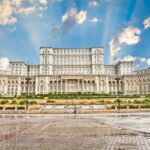
Bucharest is where this journey sets its theme: power, culture, and how history gets carved into buildings. The day starts with the Palace of Parliament (People’s House), one of the world’s most controversial administrative buildings. It is huge in every direction, and that scale is the point, you feel small standing next to it.
From there, you shift into something lighter but still grounded in meaning at the Bucharest National Village Museum, Dimitrie Gusti. This is where traditional Romanian village life is presented in one place, and it is not only about costumes. You also get a sense of how villagers built in a more sustainable, backyard-like way, tied to daily social and spiritual life.
Next comes the Romanian Athenaeum, a symbol of Romanian culture and one of the defining sights on Calea Victoriei. It being on the European Heritage list is a helpful clue that you are looking at a serious landmark, not just a pretty façade.
Then you pivot to the emotional core at Revolution Square (Piaka Revolukiei). This stop connects the 1989 revolution story to the buildings around you, including the Senate Palace area tied to the Central Committee of the Romanian Communist Party. Even if you are not a total history buff, standing in the square helps the dates stick.
Old Town time-warp: Hanul lui Manuc and the walkable side of Bucharest
After the heavy history, the day turns into strolling. In Old Town, you start at Hanul lui Manuc, a fortified inn built in the early 1800s that once pulled together merchants passing through Bucharest.
From there, your guide can point you toward the mix that makes this area fun beyond the usual squares. Expect a neighborhood feel with churches, museums, and an experiential library where you can buy books, music, and souvenirs. For me, that mix is what turns a sightseeing day into a place you can actually picture living in.
Curtea de Arges and Poienari: royal tombs and Vlad’s cliff fortress
Day two moves you away from Bucharest into royal and fortress territory. At Curtea de Arges Monastery, the focus is on what the site holds, not just what it looks like. You get royal tombs, the remains of the old princely court, and the 13th-century Royal Church area.
This is one of those stops where the setting helps you understand why places like this mattered. The ruins and church structures feel built for endurance, even when time has done its work.
Then you climb toward Poienari Castle, perched high above the Arges River near the Carpathian foothills. The fortress ruins are dramatic, but the story attached to them is what makes the visit click. It ties into the era of Vlad the Impaler, including the idea of escape routes through a secret passageway during attacks.
If you like history told through terrain, this is a strong pair: the monastery for dynasty context, then the cliff fortress for survival and conflict.
Transfagarasan Highway: your big-road break, with a key season warning

Next up is one of Romania’s most famous drives, the Transfagarasan Highway. This is the section most people remember, and it is easy to see why. The road is known for its dramatic points, including the highest elevation noted at 2042 meters and the tunnel area near Lake Balea.
Here is your practical planning note: the highway is fully open only June to October. If you are traveling outside that window, the experience may change, so it is smart to confirm what the route looks like for your dates.
Your time on this stop is guided, not just a drive-by. You get a couple hours that are long enough to take in views and reposition your timing if fog or traffic shows up.
Sibiu at Piata Mare: Saxon-style symmetry and culture

After the big highway moment, the trip softens into a walkable city break in Sibiu. You spend time around Piata Mare (Big Square), and the experience is framed as a city tour that helps you understand why Sibiu was named European Capital of Culture.
The highlights named here include the Evangelical Cathedral and the Sibiu Old City Center. Even if you have seen medieval squares elsewhere, Sibiu’s arrangement of streets and its mountain setting give it a different feeling.
This stop is also where it helps to have a private guide. You do not just get a list of monuments. You get help reading what you are looking at as you walk.
Hunedoara and the Dacians: Corvin Castle, Densus Church, and Sarmizegetusa

Day three brings you to Castelul Corvinilor, better known as Corvin Castle or Hunedoara Castle. It is described as Gothic-Renaissance and one of the largest castles in Europe, which explains why it has that movie-set energy. Even in a day of strong stops, this castle pulls attention quickly.
From there, you go to Densus Church, noted as the oldest stone church in Romania. The age and the construction story matter: it is built in its present form on an earlier Roman temple site, and it reuses materials tied to older Dacian locations.
Inside, the church paintings are a standout because they connect religious imagery with Romanian cultural detail, including Jesus shown in Romanian traditional clothes. That kind of local connection is the difference between seeing art and feeling why it exists.
Then the day turns epic at Sarmizegetusa Regia, the Dacians’ capital and key religious, military, and political center. It sits high at about 1200 meters and was part of a larger defensive system. This is not a quick glance stop, you need time to picture how the citadels worked as one network.
Transylvania close-up: salt mine, botanical garden, and a towering wooden church

Day four is a nice break from only stone monuments. You start at Salina Turda, the Turda Salt Mine, one of the most interesting places in Transylvania to visit. It is also pitched as good for your lungs thanks to the saline air, especially for allergies or asthma, so it is a practical wellness angle, not just a photo stop.
After the mine, you head to Gradina Botanica Alexandru Borza. The surrounding context here is Cluj Napoca, with the guide tying the botanical stop to what makes the Old City Center notable: Baroque, Renaissance, and Gothic architecture. Even if you only have a short visit, the city blocks help you understand why Cluj is such a draw for architecture lovers.
Then you finish at Surdesti Wooden Church. This one has a wow factor that comes from scale and craft. It is described as an architectural masterpiece built in 1721, with a tall wooden tower structure noted at impressive height.
This day works well if you like contrasts, salt air, city buildings, then wood craftsmanship in the same week.
Maramures folklore and the cost of freedom: Merry Cemetery and the memorial

Maramures is where the trip leans into people and memory. You start at Merry Cemetery in Sapanta, where the colorful crosses and tombstones come with humorous poems about the deceased. It sounds playful, but the emotional intelligence is real, it treats life and death as linked.
Then you shift to the Memorial of the Victims of Communism and of the Resistance. This is one of the heavier stops on the route, and it matters because it puts a human face on how damaging totalitarian systems can be.
If you have ever wondered why monuments and memorial museums feel so necessary, this is where it clicks. The day balances a community tradition with the consequences of political oppression.
Barsana and the Carpathian passes: wooden spires, Dracula vibes, and painted houses
Day six brings back awe through wood and mountain scenery. Barsana Monastery is described as one of the tallest wooden churches in Romania at about 57 meters. The framing is spiritual and sensory, even down to walking barefoot in the courtyard grass before stepping into the monastery area.
Then comes Tihuța Pass, tied to Bram Stoker’s Dracula through the name used in the novel, often referred to as Borgo Pass. Even if you know Dracula mainly from pop culture, this stop is useful because it anchors the reference in an actual mountain pass and nearby sights like Hotel Castel Dracula.
The stop also mentions that the hotel has been a local attraction due to its medieval-villa style, with a naming change after 1989. That gives you a cultural lens on how myths and tourism can shape a place.
Your final stop that day is Ciocănești, known for merry-painted houses with traditional motifs. It is not just an aesthetic walk. It is a view into how local identity gets carried through patterns, colors, and home exteriors.
Bukovina’s painted monasteries: Voroneț blue and fortified church walls
If you want Romania at full visual intensity, this is your week. The painted monasteries of Bukovina are a key reason many people choose a northern route in the first place.
At Voroneț Monastery, the guide spotlights why it is so famous: the intense blue called Voroneț blue, and the idea of it being the Sistine Chapel of the East. It was constructed by Stephen the Great in a short intense burst of time, which adds to the feeling of purpose when you stand inside.
Next is Humor Monastery, described as a fortified monastery. After earlier destruction, the second church built with thick river rock walls was designed to last and protect spiritual treasures. That defensive approach is what makes the monastery feel more than decorative, it feels built for survival.
Then you visit Sucevita Monastery, another fortified church linked to UNESCO. The focus is on biblical scenes and icon painting that work whether or not you know the background story. The paintings act like visual chapters.
Finally comes Moldovița Monastery, built in 1532 and described as combining Byzantine, Gothic, and Moldavian style elements. The murals inside and outside are highlighted, and this is the kind of stop where you will want a bit of quiet time to look slowly.
Lucia Condrea’s egg museum and Bicaz Gorges: quirky then wild
Day eight adds variety so the monasteries do not blur together. You start at the International Museum of Eggs Lucia Condrea, featuring over 5500 exhibits in display cases across two levels. It is unusual in the best way, and it gives you a break from religious art without leaving the creative spirit of Romania.
Then you go to The Popa Museum, a sculptor’s house founded by Nicolae Popa. The story here is tied to WWII and imprisonment under communists, and it frames the museum as an effort to stand for Romanian values through art.
After that, you get outdoors at Bicaz Gorges. The visit is a walk along the river banks through mountain and forest terrain. This is where the day feels like a reset, moving your body after long periods of viewing.
Saxon towns at Sighisoara and Biertan: medieval life that stayed inhabited
Day nine centers on Transylvania’s Saxon heritage. At Sighisoara, you start with the Clock Tower and the Arms museum. Sighisoara’s citadel is described as a living medieval fortress, inhabited for over 700 years, which is exactly why this stop feels different from ruins.
The connection to Vlad the Impaler is part of the area’s story, including the idea of Dracula’s place of birth being associated with Sighisoara. Even if you treat the legend as legend, the town’s real history is what holds your attention.
Then you head to Biertan Fortified Church, a UNESCO site noted for its breathtaking beauty. It is placed in a town dated back to the 1200s timeframe and is surrounded by defensive walls and bastions. It is a great counterpoint to Sighisoara, similar medieval DNA but expressed differently in a fortified church form.
Brasov, Black Church, Bran, and Peles: the last day hits fantasy and royalty
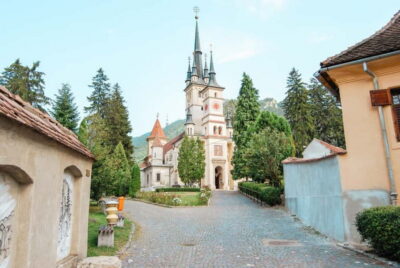
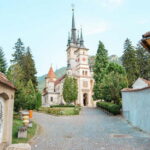
The final day is a concentrated hit of Brasov and Dracula country. You start with a walking tour of Brasov Old Town, where your guide shows you the Black Church, Old Town square, and city walls from the Middle Ages. You also get free time to absorb the area from a café, which is the right kind of decompression after long drives.
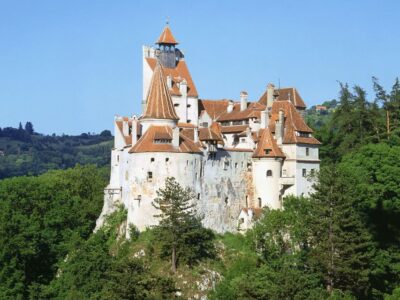
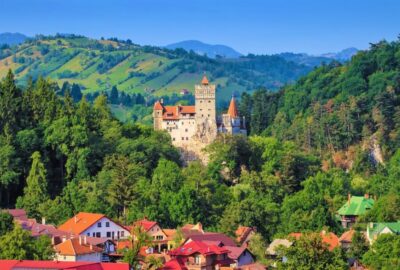
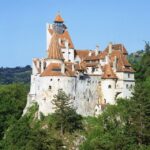
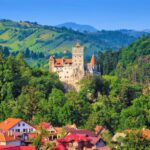
Then you visit Bran Castle, often linked to Dracula. The connection is framed as a mix of myth and history, based on how closely the fictional portrayal matches Bran. The practical bonus here is that you can try traditional foods outside the castle, including handmade cheeses, pálinka, and locally produced ham and sausages.
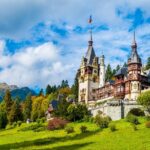
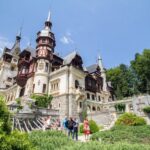
Finally you end at Peles Castle, the Romanian royal family’s summer residence. It is described as one of the most important attractions in Romania and Europe, with the reason being beauty and the feeling of royalty while you walk through. This ending works because it brings the focus back to architecture and craftsmanship after days of forts and monastery walls.
Price and value: what $3,918.13 per person really covers
At $3,918.13 per person for a 10-day private tour, the price is not cheap, and you should look at what you are buying.
What is included is the biggest value driver. You get a private car for only your group, an English-speaking guide/driver available throughout, and all car expenses like gasoline, parking, and road tolls. You also get wireless internet in the car and the guide’s accommodation, meals, and entrance fees.
What is not included is your comfort package. Your own accommodation, meals, and beverages are not included, and entrance fees are generally not included as well. Even so, the trip can still be good value if you compare it to the cost of private transport, a guide, and tickets stacked across many days.
To budget well, plan for entrance tickets on most stops, and remember that some items are marked as free or included, like the Transfagarasan Highway and Bicaz Gorges. This lets you estimate your total out-of-pocket costs more accurately.
Who this tour suits best, and who should think twice
This tour fits best if you want a private pace and you like a route that moves through different layers of Romania in a logical arc. If you care about history, you get communist-era context in Bucharest, royal and fortress legends in the mountains, Dacian centers, and medieval Saxon towns.
It also suits couples and families who want one base plan but still want room to adjust. The ability to change the daily plan after starting helps if you want extra time at one site or need to shorten a stop.
Think twice if you dislike ticket budgeting, because entrance fees are not included for many stops. Also, if you hate long drives, you should know this route covers a lot of geography over 10 days, meaning transit time is part of the experience.
Should you book this 10-day private Romania tour?
If you want a guided Romania that does not feel like a checklist, this is an easy yes. The combination of private transport, English guiding by Nicolas Experience Tours, and a route that blends monuments with lived-in traditions is exactly what makes this style of trip work.
Book it if you are okay planning for entrance fees and you will use the flexibility to fine-tune your days. Skip it if you want everything included down to tickets and meals, or if you prefer slower travel with fewer regions.
FAQ
Is this tour private?
Yes. It is a private tour, and only your group participates.
Do you offer pickup in Romania?
Pickup is offered. You need to share your pickup time and address, and your phone number helps.
What language is the guide?
The tour includes a private, licensed English speaking guide/driver throughout the trip.
Are accommodations and meals included for me?
No. Accommodation, meals, and beverages for you are not included.
Are entrance fees included?
Entrance fees are not included as per the itinerary. Some stops are marked free or included, but most are not included.
Is there Wi-Fi during the drives?
Yes. Complimentary wireless internet access is provided in the comfortable car.
How does cancellation work for a full refund?
Free cancellation is available if you cancel up to 24 hours in advance of the experience’s start time.
More Private Days



More Tours in Bucharest

More Tour Reviews in Bucharest
Just added from Bucharest


Private, compared.
 ★ 4.5Castles of Transylvania: Private Day Trip from BucharestFrom $151248 reviews
 ★ 5.0Dracula’s Castle, Peles Castle and Brasov – Private Day Trip from BucharestFrom $199211 reviews
 ★ 5.0Best of Bucharest | Private Walking TourFrom $314199 reviews
 ★ 5.0Bucharest Panoramic Sightseeing – Private City TourFrom $101128 reviews
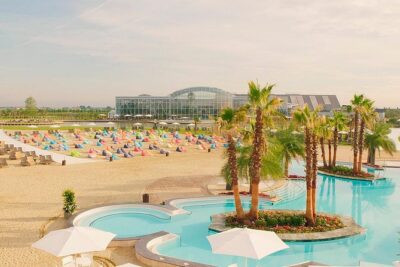 ★ 4.0THERME “Take It Easy” Pack: Full Spa Access + Private TransfersFrom $118117 reviews
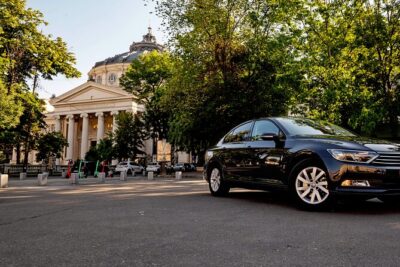 ★ 5.04h Bucharest Private Tour (2h by Car and 2h Walking in Old Town)From $10090 reviews
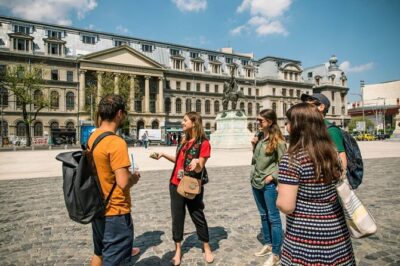 ★ 5.0Discover Bucharest: Private Highlights and Traditional Food TourFrom $14386 reviews
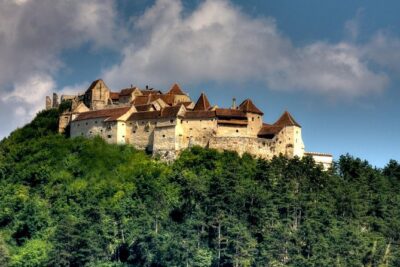 ★ 5.0Dracula Castle, Peles Castle & Brasov-Private Tour from BucharestFrom $16580 reviews