
REVIEW · BUCHAREST COMMUNISM TOURS
3-Hour Guided Tour of Communist Bucharest
Communist Bucharest has layers, and this tour walks them fast. What makes it so interesting is the way your guide links Ceausescu-era power to the city you see today, then contrasts it with Bucharest’s earlier, more livable feel. I especially liked the storytelling style, with guides such as Cristina using photos, personal anecdotes, and even small tastings to help the history stick. One drawback to plan for: it’s a walking tour, so on hot days you may want extra patience and water while you stand for explanations.
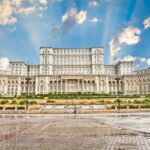
The big payoff is the contrast: communist Bucharest versus the inter-war city that once promised something more normal. You’ll also get a clear thread for the rise and fall of the regime, including the anti-communist uprising and the lead-up to the fall of the Iron Curtain. And yes, you’ll see the Palace of Parliament from the outside, with context on why it became such a potent symbol.
Key things I think you will enjoy
- A tight 3-hour narrative that connects architecture to real life, not just dates
- Guide-led photos and personal stories that make daily life feel human
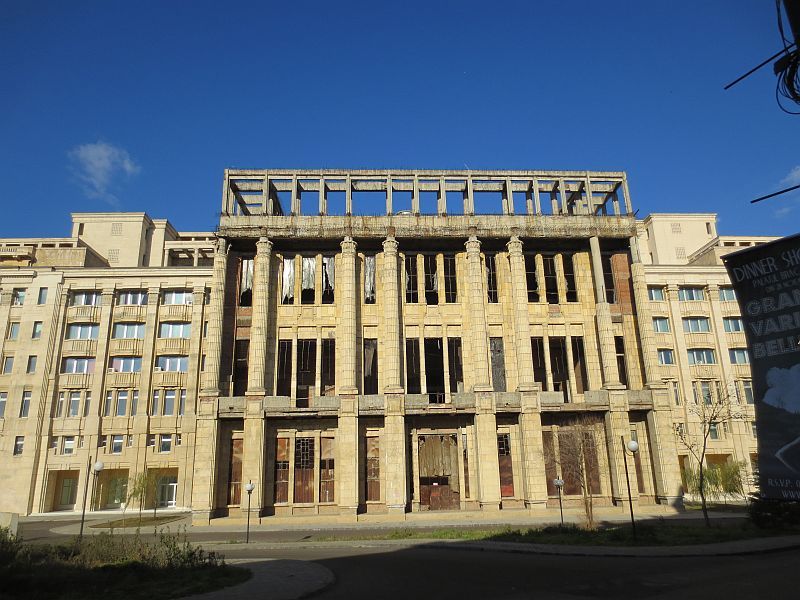
- Outside views of major landmarks, including the Palace of Parliament, without museum stress
- Uranus neighborhood remains for a quieter, more haunting side of the redesign
- 1989 revolution sites and memorial moments that explain what changed and why it mattered
The communist city, three more ways
- The Real tour of Communism★ 5.0 · 666 reviews
- Life under Communism★ 5.0 · 358 reviews
- 3-Hour Guided Tour of Communist Bucharest★ 4.9 · 303 reviews
- Bucharest Essential Tour: Old Town, Calea Victoriei & Communism★ 5.0 · 142 reviews
Entering Bucharest’s Communist Layers, in Just 3 Hours
This tour is built like a guided story you can walk through. In three hours, you get the big arc: the communist regime taking hold, daily life under control, and the violent turning point that helped end an era.
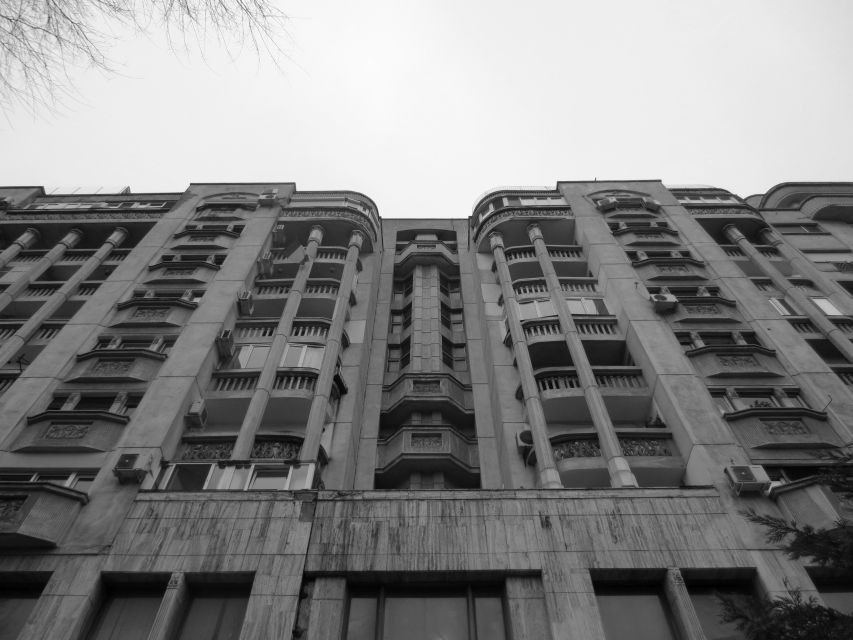
What I like most is that it does not treat buildings like stage props. Instead, you learn what policies looked like on the street: nationalization, forced demolition, and the push to rebuild parts of the city into something designed to impress the state.
You also get an inter-war counterpoint. Bucharest does not go from good to bad in one switch. It’s more like two different cities arguing over the same map, with the communist period leaving heavy marks on the skyline and neighborhood layout.
Meeting Near the Patriarchy Bell Tower, Then Getting Your Bearings Fast
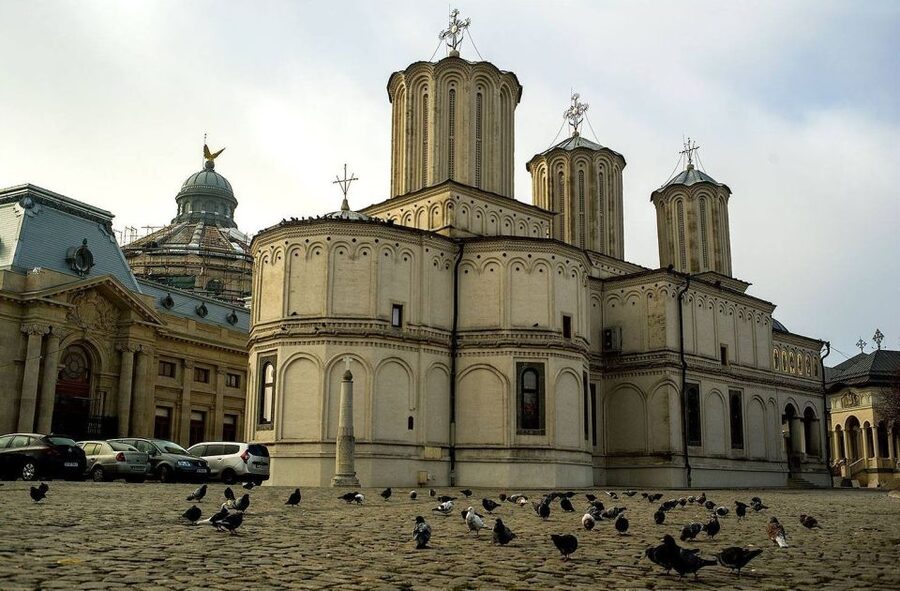
You start near the red-brick bell tower of the Patriarchy, at Aleea Dealul Mitropoliei 19, within walking distance of Piata Unirii. That location matters, because it quickly puts you in the center of Bucharest’s older urban logic, before the tour starts pointing out what the communist period changed.
Right away, your guide sets expectations for what you’re about to see: the mix of architecture styles, the reasons behind it, and what to notice as you move. If you’re the type who wants your first day in a city to come with context, this helps you get your bearings fast.
Bring comfortable shoes. The tour is short, but it is still a walking loop, and you’ll be stopping often for explanations and photos.
Inter-War Neighborhoods Saved From Communist Remodelling
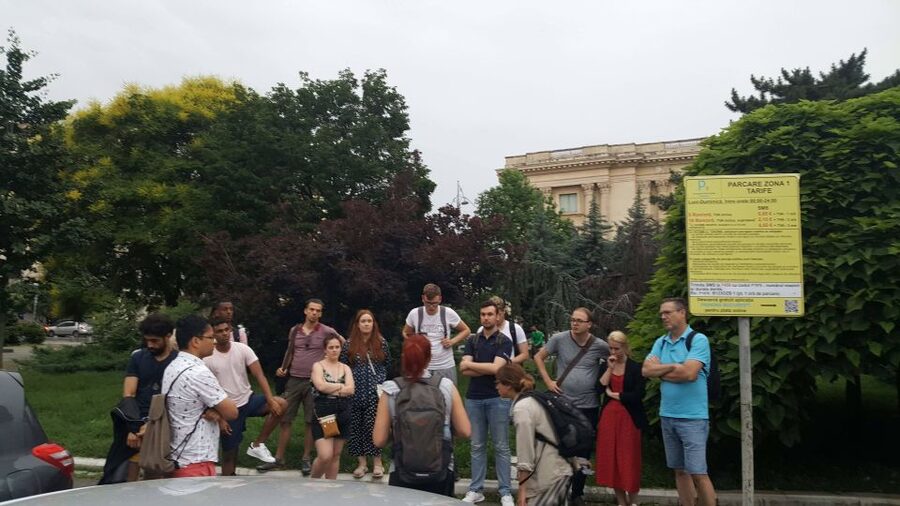
One of the tour’s clever tricks is how it shows you “before” and “after” without needing a time machine. You’ll visit lesser-known inter-war neighborhoods that survived communist urban remodelling, so you can see what Bucharest looked like when it was shaped by a different set of priorities.
Then, the guide points out how the communist regime used architecture to send messages. You start noticing patterns: large-scale planning, heavy forms, and the sense that parts of town were redesigned with the state’s worldview in mind.
This is also where the tour becomes more than sightseeing. You learn why Bucharest feels mixed up in a way other capitals do not. It’s not random, it’s history written into the street plan.
From Forced Demolitions to Ceausescu Power: What the Regime Changed
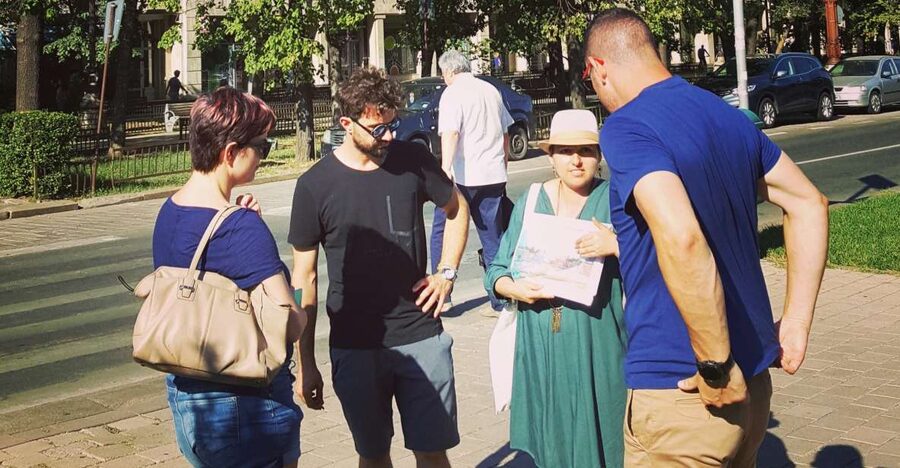
As the tour moves from surviving neighborhoods to communist-era sites, the story gets sharper. You hear about the violent beginnings of the communist regime and what happened when private homes and neighborhoods were taken over.
The key idea to focus on is cause and effect. Nationalization and forced demolition were not abstract political concepts. On the ground, they meant people displaced, communities broken up, and whole streets rewritten to support a new order.
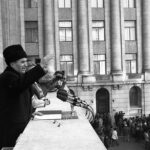
Then comes Ceausescu, the person-shaped version of the system. You learn about the rise and fall of the dictator, and why his image was tied so tightly to the city’s biggest set pieces.
Even if you think you already know the broad strokes of Romanian history, this part helps you connect the timeline to the physical city. That connection is where the tour earns its price.
Elsewhere in Bucharest, and up the valley
Palace of Parliament: The Outside View and Why It Matters
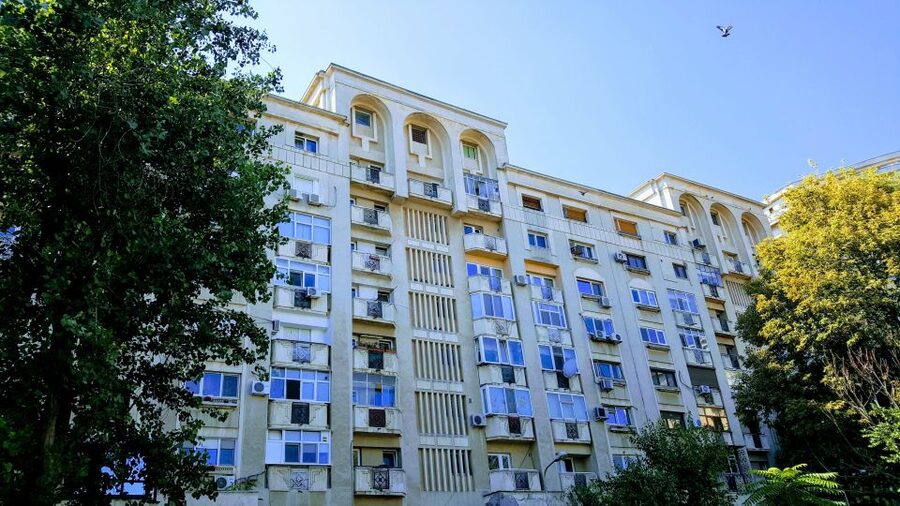
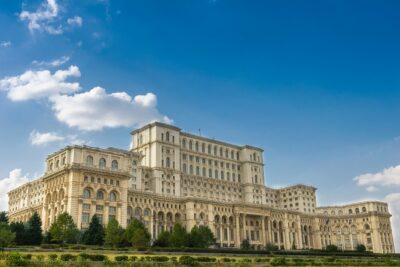
You’ll visit the Palace of Parliament, one of Bucharest’s most dramatic buildings. Important detail, though: you will not go inside the palace. The tour focuses on what you can see from the outside, with historical context that explains why it became such a major symbol.
From street level, the scale can feel almost unreal. That reaction is exactly what your guide uses, then breaks down: how regimes seek legitimacy through construction, how Ceausescu’s era shaped the city’s priorities, and how public space can be made to serve power.
This is a good stop even without an interior visit. If you already know you want a more detailed museum-style look, you can always add that later. Here, the goal is clarity, not ticket lines.
Uranus Neighborhood Remains, and the Human Cost of Redesign
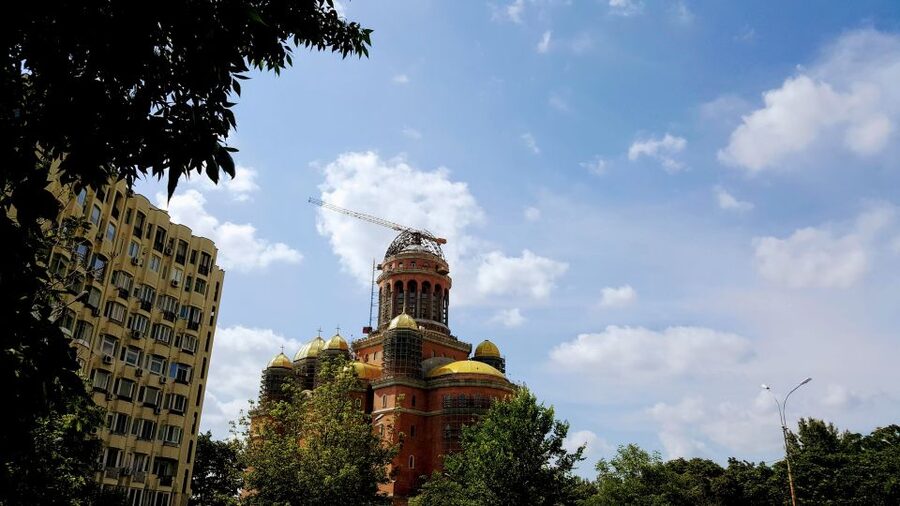
The tour does something important here. It does not only show monuments. It also shows what was left behind when whole areas were reshaped.
You’ll see the remains of the Uranus neighborhood, tied to the era’s forced re-modelling. That shift in focus is worth paying attention to, because it adds weight to the architecture lesson. A building tells you about policy, but neighborhood remains tell you about people.
The guide also shares stories about daily life under communist rule, which helps you understand how the system worked beyond political speeches. You start to grasp what it meant to live with limits, surveillance, and control of the public narrative.
This section can be emotionally heavy, but it is handled in a way that still feels grounded. If you like history that connects to lived experience, this is one of the tour’s strongest moments.
The 1989 Revolution Sites: Watching History Turn
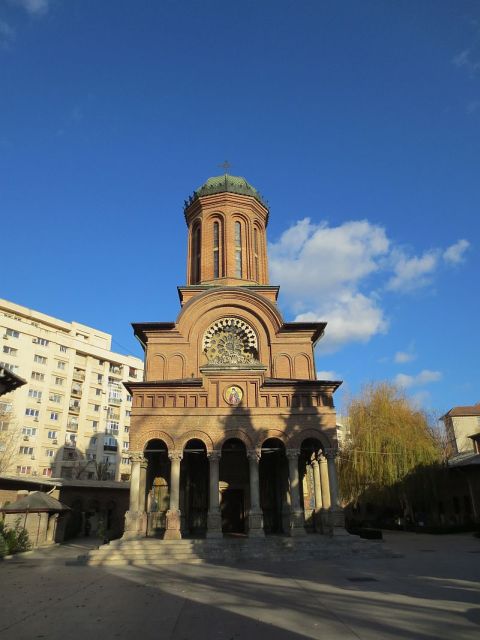
A major highlight is the look at political memorials and key sites tied to the 1989 revolution. This is where your guide brings the conflict between two Bucharests into focus: the regime-controlled city versus the country pushing back.
You learn about the anti-communist uprising and what it meant for the fall of the Iron Curtain. The point is not just what happened on specific dates. It’s why those events changed the story people told about Romania’s future.
As you move through these stops, you get the feeling that the city itself became part of the action. Monuments and memorial spaces help explain where emotions and politics collided, and how quickly power structures can collapse.
The Café Break and Included Snacks, How to Stay Comfortable
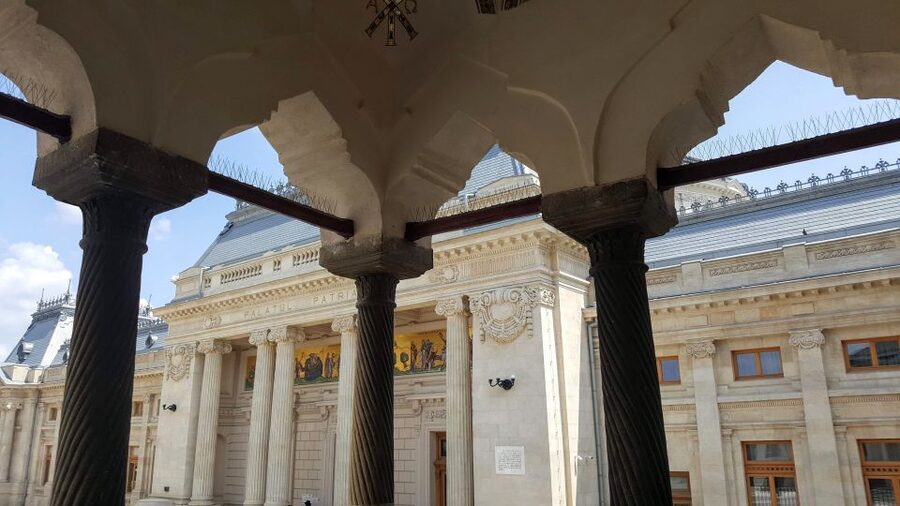
Halfway through, you get a short break at a café. Drinks and snacks there are at your own expense, but the tour includes small snacks, so you are not walking the entire three hours hungry.
Pace matters on this kind of tour. Many guides keep group movement smooth and use photos and visuals to avoid long, static lectures. I also liked the practical tone in how some guides manage heat and shade during stops on sunny days.
Still, plan for standing time. One real-world tip from people who’ve done the tour: on warm days, bring water and be ready to pause in shade whenever possible. It makes a short tour feel genuinely comfortable.
Price and Value: Is $29 Worth It?
For $29 per person and a full three hours, this is strong value if you want guided clarity more than independent exploration. You’re paying for a trained storyteller to connect architecture, names, and political events into a coherent walk.
What you get included is straightforward: a guided tour plus small snacks. What is not included is also clear: you will not go inside the Palace of Parliament, and any museum visits you add later come with extra fees.
So I’d think of this as the orientation layer. If your priority is to understand communist Bucharest without spending extra time and money on formal museum tickets, this price makes sense.
If your priority is deep museum-going, you may want to add a separate ticketed stop afterward. The tour gives context that will make those extra visits make more sense.
Who This Tour Is Best For
This tour is a great match if you:
- want a fast, guided understanding of communist Romania and how it reshaped Bucharest
- enjoy architecture with explanations behind it
- like history told with human-scale details like daily life stories and family anecdotes
It’s also a good fit for first-timers. Many people come to Bucharest wanting a quick way to understand why the city looks the way it does, and this gives you that answer quickly.
If you hate walking, or you strongly prefer museum interiors only, you might find the pacing a bit too street-focused. But if you can handle a few hours on your feet, you’ll likely come away with a much sharper mental map.
Should you book this 3-hour Communist Bucharest tour?
Yes, I think you should book it if you want context in a short time and you like seeing how politics shows up in neighborhoods. The outside views, the Uranus remains, the 1989 revolution sites, and the clear explanation of Ceausescu’s impact are all built to help you understand Bucharest as a living document of conflict and change.
Skip it only if you mainly want inside-the-building museum time, or if standing during explanations would be a problem for you. Otherwise, this is one of those tours that helps you see the city more clearly for the rest of your trip.
More Tour Reviews in Bucharest

More Bucharest Tours in Bucharest
The Communist City, Continued



Just added from Bucharest


Bucharest Communism Tours, compared.
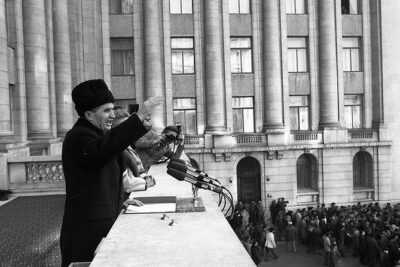 ★ 5.0The Real tour of CommunismFrom $32666 reviews
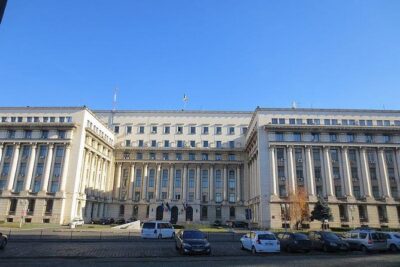 ★ 5.0Life under CommunismFrom $42358 reviews
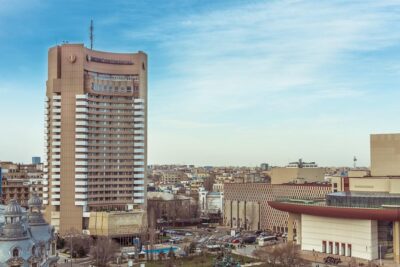 ★ 5.0Bucharest Essential Tour: Old Town, Calea Victoriei & CommunismFrom $24142 reviews
 ★ 5.0Communism in Bucharest – Landmarks, Museum & Communist AppetizersFrom $48111 reviews
 ★ 4.9Relics of Communism 3-Hour Walking TourFrom $4477 reviews
 ★ 5.0Bucharest Under Communism: Life, Terror & HopeFrom $2376 reviews
 ★ 4.6Entry ticket at the Museum of CommunismFrom $957 reviews
 ★ 4.6Museum of Communism Ticket with Communist CoffeeFrom $1052 reviews
Browse the lists this tour appears in