
REVIEW · BUCHAREST COMMUNISM TOURS
Bucharest: Relics of Communism 3-Hour Walking Tour
Communism is written all over Bucharest. This 3-hour walk turns big, intimidating landmarks into clear stories, starting at Revolution Square and ending near Piața Constituției, with stops that explain how power shaped daily life. I love the contrast the guide builds for you, between fine city architecture and the heavy geometry of communist building projects. I also like the added angle of faith, when you visit churches the regime tried to forget, including the Michael the Voivode Church stop.
The one drawback to plan for is the subject matter. You’ll hear about repression, propaganda, rationing, and the secret police, and it can feel heavy even when the guide keeps the pace relaxed and question-friendly.
Key Highlights You Should Actually Care About
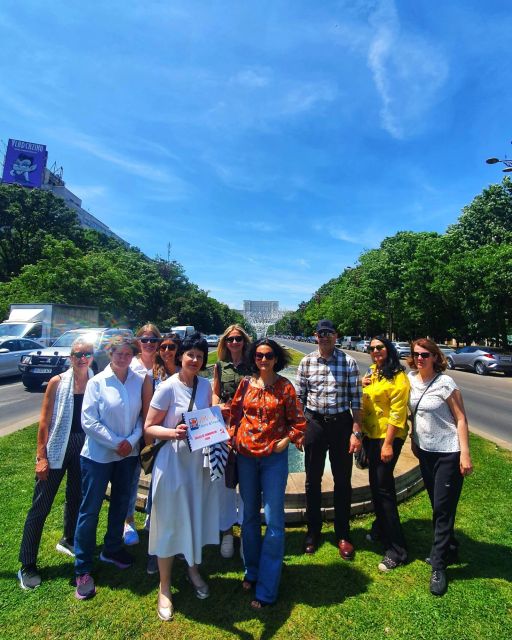
- Small group of up to 10, so you can ask specifics instead of shouting over a crowd
- Revolution Square start, with the story of ’89 linked to the balcony where Ceausescu gave his last speech
- Hidden churches stop, including guided time at Michael the Voivode Church
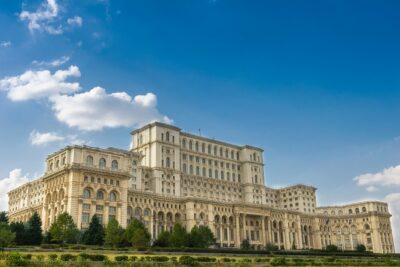
- Socialist realism in full view, from new districts built for the regime to landmarks like the Palace of the Parliament
- Practical everyday-life details, ration cards, propaganda, and even black market survival strategies
The communist city, three more ways
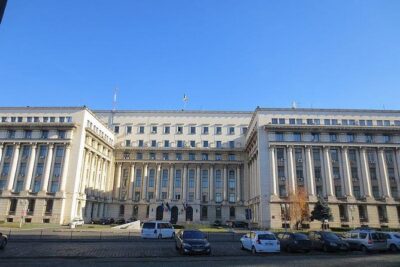
- The Real tour of Communism★ 5.0 · 666 reviews
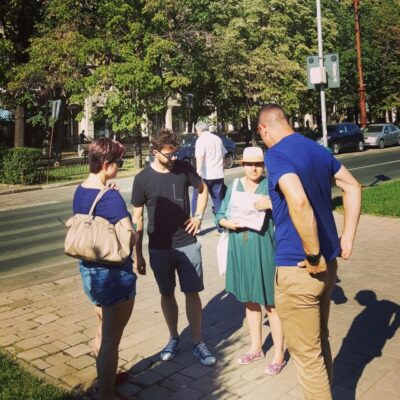
- Life under Communism★ 5.0 · 358 reviews
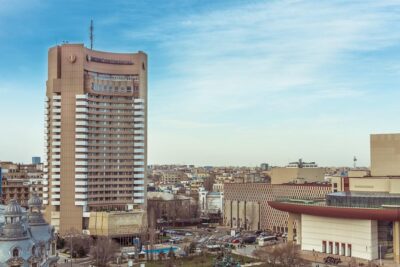
- 3-Hour Guided Tour of Communist Bucharest★ 4.9 · 303 reviews
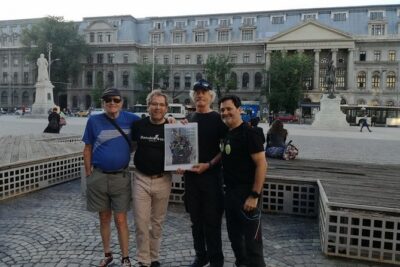
- Bucharest Essential Tour: Old Town, Calea Victoriei & Communism★ 5.0 · 142 reviews
Bucharest’s Communist Marks Are Still Easy to Read
Bucharest is not subtle about its communist era. The buildings do the talking. The wide boulevards and monumental blocks show you how the regime wanted the city to feel, disciplined and centered on one man’s authority.
What makes this tour useful is that it doesn’t treat communism like abstract politics. You’ll connect ideas to physical places. You’ll also get the everyday angle, how ordinary people navigated ration cards, propaganda, and pressure from the secret police. It’s the kind of context that makes the photos you see around town start to make sense.
And yes, you’ll walk in a city where architecture is political. The phrase socialist realism can sound academic, but on these streets you’ll see why people called it that.
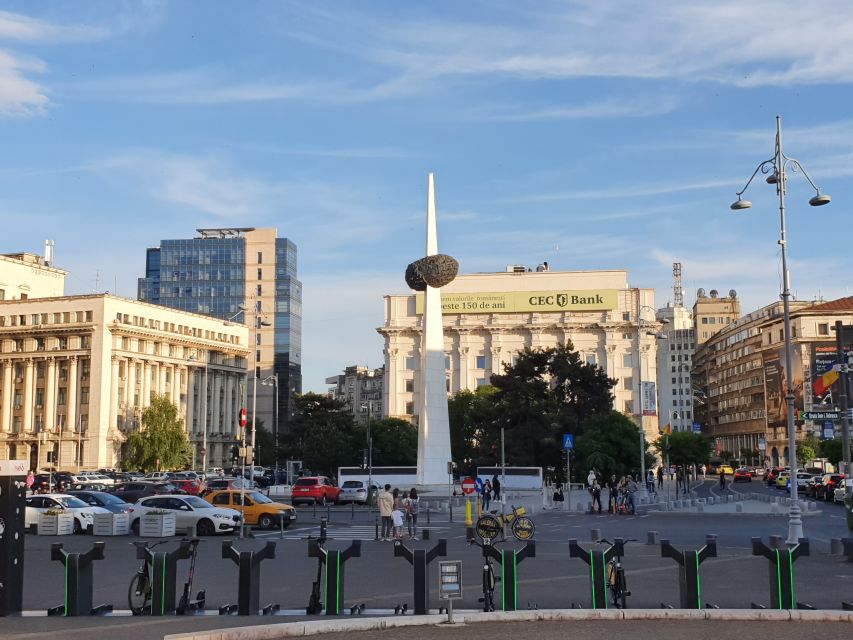
Starting at the Memorial of Rebirth and Getting Oriented Fast
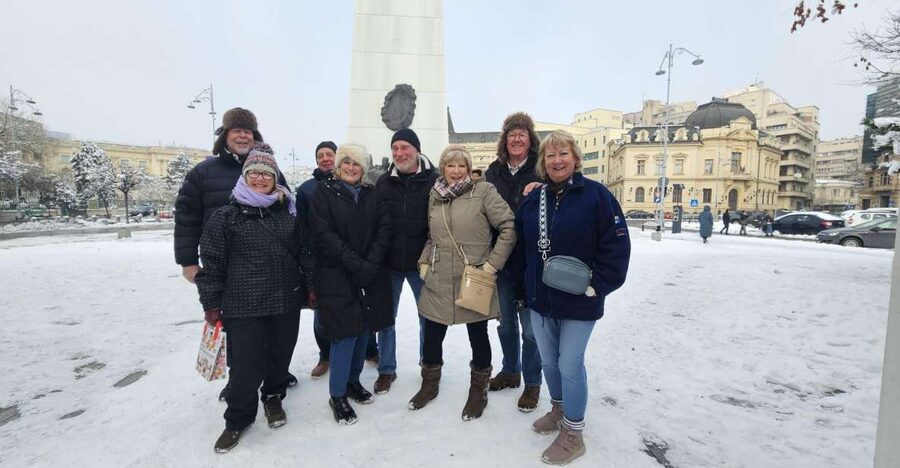
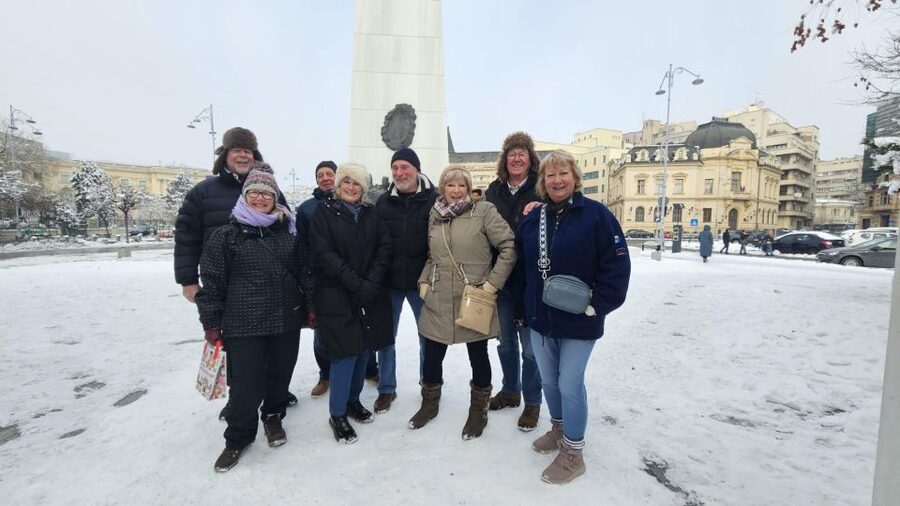
The tour begins at the Memorial of Rebirth in Revolution Square, so you’re in the right emotional and historical frame from minute one. This matters more than it sounds. Bucharest’s communist sites can feel like a random scatter at first. Starting here gives you a storyline and a geography.
From the start, the format is simple: a guided walking route with timed stops, so you don’t drift into information overload. You get enough time at each place to absorb what you’re seeing, then move on before your brain gets tired.
One big plus: past tour experiences with guides like Elena, Stefan, and Tudor have been praised for being personal and story-driven, with strong English and lots of answered questions. That fits this topic well. If you’re the type who wants context and not just names and dates, you’re going to like this approach.
Revolution Square: The Balcony Scene Behind the 1989 Revolution
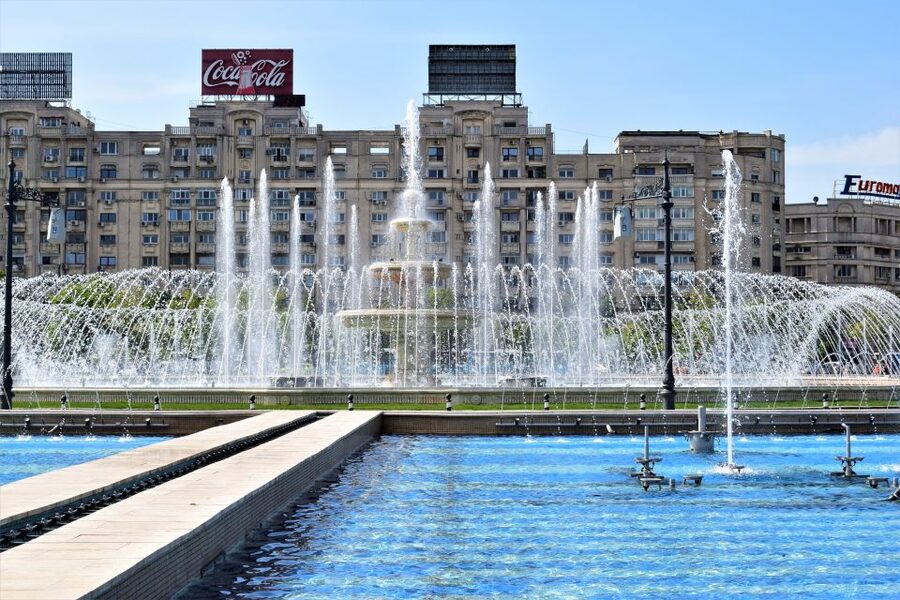
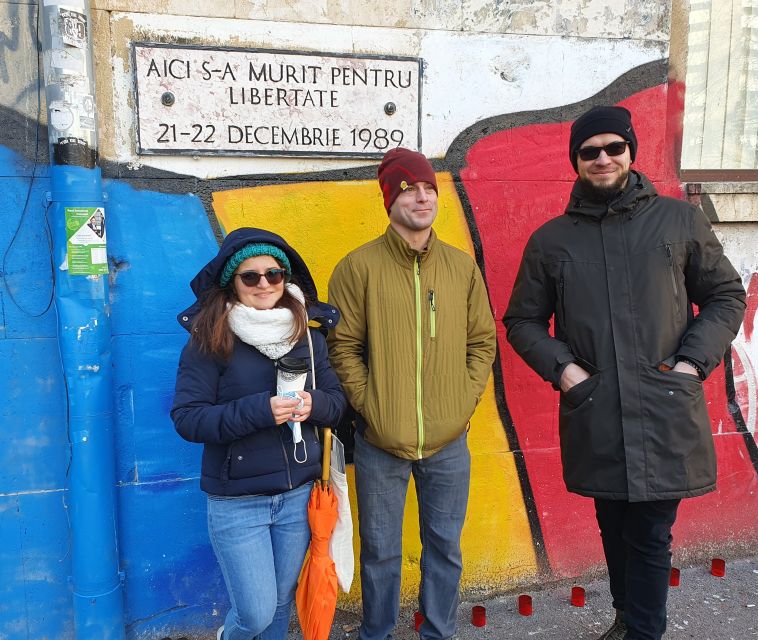
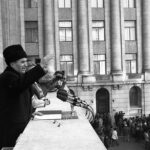
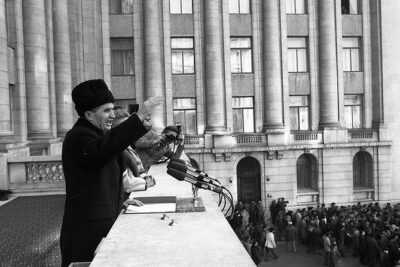
You spend the first guided chunk at Revolution Square. The highlight here is the story tied to the balcony where Ceausescu held his last speech. Even if you know the broad outline of the revolution, this gives it a location you can picture.
Why this stop works: it links the emotional turning point to a specific sightline. You’re not just hearing that things changed in 1989. You’re standing in the square where the drama played out, and the guide’s explanation helps you understand why the regime’s image of control cracked so publicly.
You also get quick grounding in how Bucharest moved from authoritarian rule toward democracy. That transition can feel fuzzy if you only read headlines. Here, it’s tied to the same squares and monuments you’ll keep seeing in other parts of the city.
Expect this segment to feel like the tour’s “why” section, where everything else has a reason to exist.
Piața 21 Decembrie 1989 and the Streets Around the Civic Center Idea
After Revolution Square, the walk continues to Piața 21 Decembrie 1989. This stop is shorter, but it matters. It keeps the timeline moving and adds context for the revolution period in the same city core.
Then the tour leans into the built environment of the communist mindset. You’ll get guided views connected to the Civic Centre Project and the broader new districts built under Nicolae Ceausescu. This is where socialist realism stops being a term and starts being a design logic.
A practical way to look at it: try noticing what the buildings do to your sense of scale. The regime’s architecture was not built for intimacy. It was built to project dominance. When you understand that goal, the city’s monumental look stops feeling random and starts reading like propaganda in concrete form.
Elsewhere in Bucharest, and up the valley
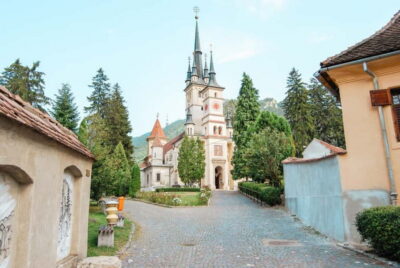
Michael the Voivode Church: When Faith Survived the Forgetting
One of the most interesting parts of the route is the hidden church angle. The communists wanted to forget certain churches and traditions, and this tour takes you directly into that tension.
The timed visit to Michael the Voivode Church gives you a change of pace, both physically and emotionally. Rather than only monumental state power, you see what persisted outside the regime’s control.
Why I like this stop for you: it balances the tour. If all you see is the Palace of the Parliament and civic projects, you can start thinking communism was only buildings and slogans. The church stop reminds you that people still had beliefs and community spaces, even when the state tried to reshape public life.
You don’t need to be religious to appreciate this. Think of it as cultural memory, pushed back against state erasure.
Piața Unirii: Everyday Life Under Ceausescu Comes Into Focus
Piața Unirii is one of those Bucharest squares that helps you feel the city as a living place, not a museum set. Here, the tour shifts into everyday life under Ceausescu’s rule.
You’ll hear practical details about what daily life could mean during communism: ration cards, propaganda, and how people dealt with shortages. The guide also covers topics like the black market. That part is important, because it shows how people adapted when systems were designed to control.
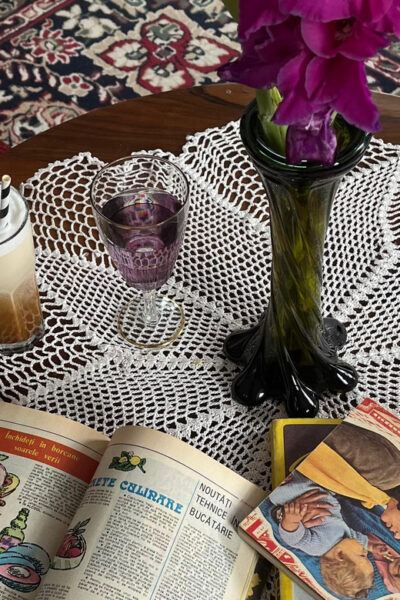
In interviews like this, the strongest guides do two things at once: they explain policy and they connect it to human behavior. Feedback on this tour has praised guides for keeping the stories engaging, not just heavy. People have also mentioned that guides sometimes use visual materials and extra artifacts such as old school books or photo comparisons of old vs new Bucharest. Even when you bring your own interests, those details often help you stay oriented.
If you’re visiting Bucharest for the first time, this stop is a good “anchor.” It turns the communist era into something you can imagine doing, not just reading about.
Palace of the Parliament: The Center of Power in Concrete
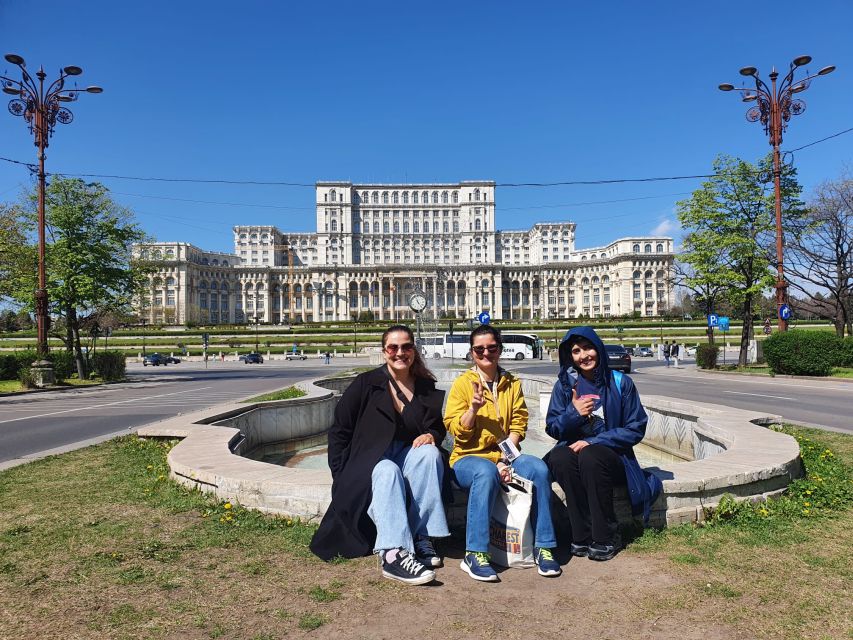
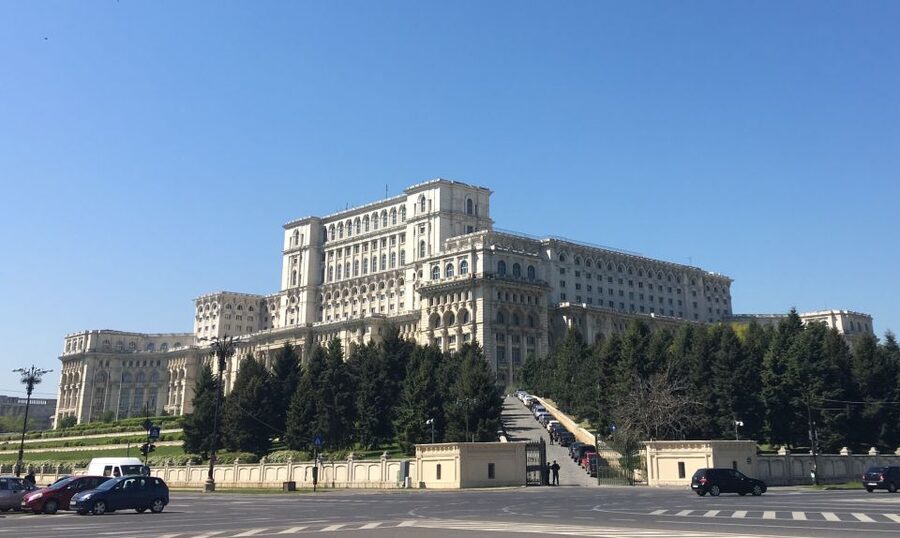
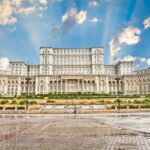
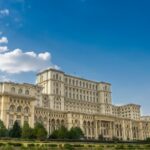
The tour culminates with a guided stop at the Palace of the Parliament. This is the big one. The highlights emphasize it as the absolute center of power, and the building’s scale supports that claim instantly.
What you’ll take away here is how the regime wanted legitimacy and permanence. The Palace of the Parliament is not only an official building. It’s a statement about what the state thought it could control for generations.
Even if you only get a guided exterior or limited walk-up viewing time, it’s still worth it. The guide’s job is to point out what to look for: the symmetry, the massing, and the way the structure dominates the surrounding civic space.
One helpful tip from past experiences with guides: ask questions about what’s open to visitors and what requires planning. Some guides have been praised for stepping in with practical advice so you can make the most of your time afterward.
Pacing, Walking Time, and Why the 3 Hours Works
This is a 3-hour walking tour with a small group limited to 10 participants. That matters because the topic is dense. When group size stays small, it’s easier for the guide to keep a smooth rhythm and for you to ask follow-ups.
The itinerary timing is built in. You get guided time at Revolution Square (including the balcony story), a shorter stop at Piața 21 Decembrie 1989, guided time at Michael the Voivode Church, another guided stop at Piața Unirii, then the Palace of the Parliament before finishing near Piața Constituției.
In feedback, people repeatedly praised the guides for a relaxed pace that still felt complete. Some mentioned that the tour ran close to the full 3 hours, and others said it felt faster because the guide kept everything clear and well paced. There’s also mention of breaks at a typical Romanian bar mid-route. That’s not guaranteed in every schedule, but it’s the kind of real-world rhythm that makes historical tours easier on your legs.
Price Value: What $44 Buys You in Real Learning Time
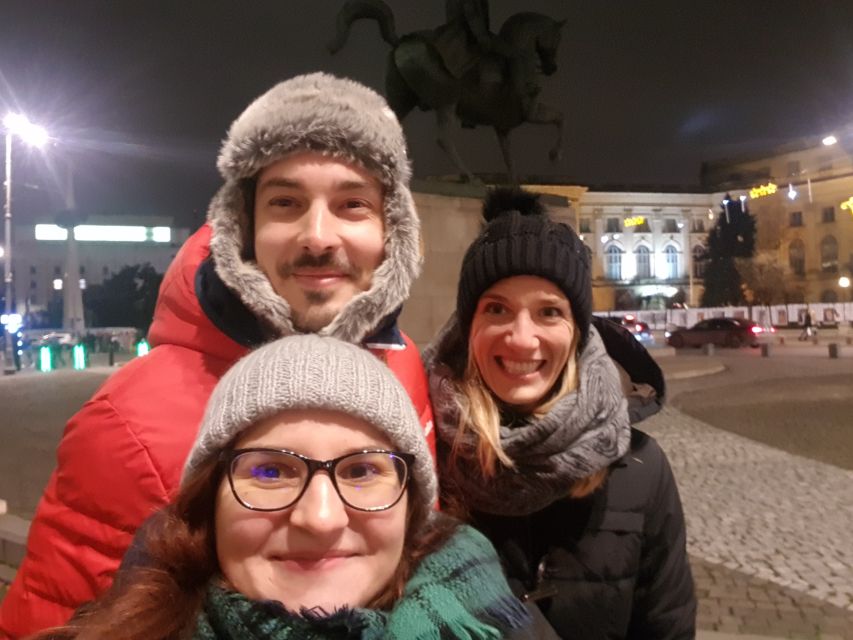
At $44 per person, this tour sits in a mid-range price band for Bucharest. The value comes from three places.
First, you get a tight 3-hour format that covers a lot of ground without turning into a frantic checklist. Second, you get an English guide with enough time for questions. Past ratings highlighted how guides like Elena, Stefan, and Tudor answered detailed questions and used extra visuals or props. Third, you receive a Romanian snack souvenir, a small but fun bonus that makes the end of the walk feel like something more than a stamp in your travel app.
If you care about culture, architecture, or the logic behind modern-day Bucharest, this price feels fair. If you only want a quick highlight photo tour, it might feel too focused on politics for your taste.
Who Should Book This Tour (and Who Might Want to Skip It)
You’ll probably love it if:
- You enjoy history that connects to what you can see on the street
- You’re curious about the 1989 Revolution and how it played out in Bucharest’s public spaces
- You want the everyday angle of rationing, propaganda, and survival tactics
- You like tours where the guide can explain architecture in plain language
You might want to choose a different type of tour if:
- You prefer light topics with no discussion of repression or secret police
- You struggle with walking in city centers for about 3 hours
- You want zero political context and only general sightseeing
Should You Book the Bucharest Relics of Communism Walking Tour?
Yes, if your goal is to understand Bucharest instead of just passing through it. This tour gives you the clearest route I know for connecting socialist realism, revolution sites, and the quieter counterpoints like hidden churches.
The best sign is consistency in guide quality. Feedback repeatedly calls out guides such as Elena, Stefan, and Tudor for strong explanations, question time, and thoughtful pacing. Put that with a small group size and a focused 3-hour schedule, and you get a tour that’s not only informative, it’s usable.
If the themes of repression and 1989 feel emotionally heavy, you can still go. Just go prepared to take it slowly, because the story here lands in specific places, not abstract textbooks.
FAQ
Where does the tour start and where does it end?
Meet your guide at the Memorial of Rebirth in Revolution Square. The tour finishes at Piața Constituției.
How long is the walking tour?
It lasts 3 hours.
How big is the group?
It is a small group limited to 10 participants.
Is the tour in English?
Yes, it is an English-language guided tour.
What is included in the price?
You get a walking tour with an English guide and a Romanian snack souvenir.
Is hotel pickup or drop-off included?
No, hotel pickup and drop-off are not included.
More Tour Reviews in Bucharest
More Bucharest Tours in Bucharest
The Communist City, Continued


Just added from Bucharest


Bucharest Communism Tours, compared.
 ★ 5.0The Real tour of CommunismFrom $32666 reviews
 ★ 5.0Life under CommunismFrom $42358 reviews
 ★ 4.93-Hour Guided Tour of Communist BucharestFrom $29303 reviews
 ★ 5.0Bucharest Essential Tour: Old Town, Calea Victoriei & CommunismFrom $24142 reviews
 ★ 5.0Communism in Bucharest – Landmarks, Museum & Communist AppetizersFrom $48111 reviews
 ★ 5.0Bucharest Under Communism: Life, Terror & HopeFrom $2376 reviews
 ★ 4.6Entry ticket at the Museum of CommunismFrom $957 reviews
 ★ 4.6Museum of Communism Ticket with Communist CoffeeFrom $1052 reviews
Browse the lists this tour appears in