
REVIEW · BUCHAREST COMMUNISM TOURS
Bucharest: Museum of Communism Ticket with Communist Coffee
Communism can feel like a prop, until you touch it. In the Museum of Communism in Bucharest, I love the hands-on exhibits that let you interact instead of just read behind glass. You can type on an old typewriter, browse original magazines, and even try on period clothing.
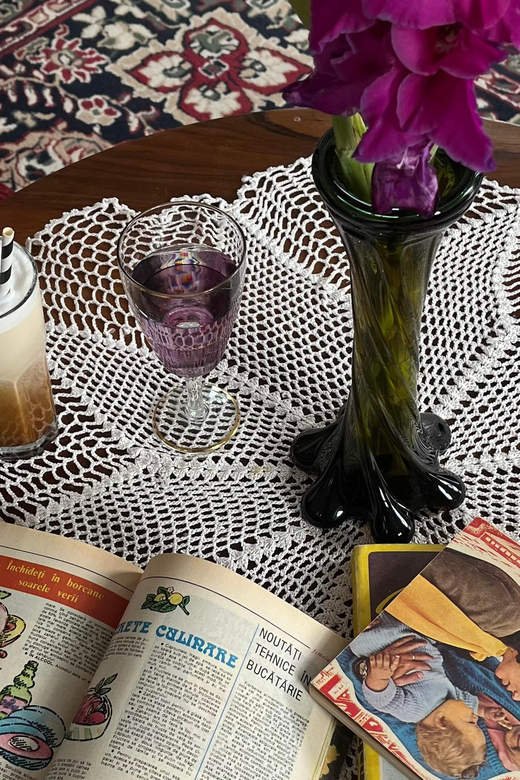
I also love that this ticket adds the best kind of food-memory, a cup of nechezol communist coffee. You’ll hear how it showed up during the late communist years, when coffee was scarce, then drink it from an original old cup in the museum’s living-room setting.
One thing to consider: part of the experience leans poster and text heavy, and depending on your style, that can feel more basic than you hoped.
Key things to know before you go

- Touch and try, not just watch, including typewriter, magazines, and clothes you can put on
- Guide Q&A in English, so you can ask the questions that matter to you
- Nechezol coffee is included, with a story about how communist coffee appeared
- The living-room moment brings the era to life with seating, props, and photo chances
- Plan about 45 to 60 minutes, since it works well as a quick, focused stop
- Not wheelchair friendly, so choose your route accordingly
The communist city, three more ways
- The Real tour of Communism★ 5.0 · 666 reviews
- Life under Communism★ 5.0 · 358 reviews
- 3-Hour Guided Tour of Communist Bucharest★ 4.9 · 303 reviews
- Bucharest Essential Tour: Old Town, Calea Victoriei & Communism★ 5.0 · 142 reviews
Entering Bucharest’s Museum of Communism ticket experience
If you like history, but you hate the museum shuffle, this one is built for your attention. The Museum of Communism in Bucharest is small, interactive, and designed so you can move through the story with your hands as much as your eyes. It’s the kind of stop that fits cleanly into a day in the old-town area, without stealing your entire itinerary.
This ticket is priced at about $10 per person, and the value is not just the entry. You also get a cup of nechezol communist coffee, served in an old-cup, living-room setting, which makes the experience feel like a “you were there” moment instead of a checklist. Total visit time is often around 45 minutes to 1 hour, even though it’s valid for 1 day.
You’ll also have an English-speaking host or greeter on site, and you can ask questions to a guide while you’re inside. That matters, because communism can be explained in slogans, or in specifics, and the guide format helps you steer it toward what you want to understand.
Hands-on exhibits: where the museum earns its keep
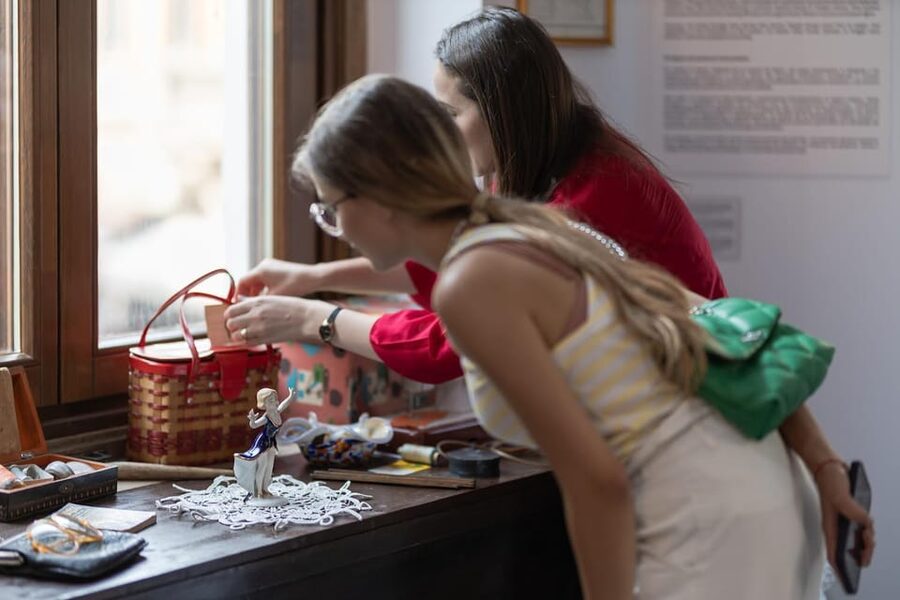
The best part here is that you don’t just look. You participate. I like museums where you can test the objects, because your brain remembers the feeling, not only the facts.
Inside, you can type on an old typewriter, which is more than a gimmick. It helps you picture daily communication under a system where media and messaging were tightly controlled. You can also read original magazines, which gives you a more grounded sense of what people actually saw and consumed at the time.
Another high-value touch is the ability to try on older clothes. Even if you only do it for photos, it changes how the period feels. Clothing is never just clothing, it’s comfort, status, uniforms, and identity. When you put it on, you immediately get why regimes care about appearance.
You can also interact with many exhibits by touching them, and that hands-on approach is the reason the museum can work even if you’re not a hardcore history person. If you enjoy learning through doing, this is your museum.
The guide Q&A in English, and why it improves everything

The museum experience gets better when you treat the guide like your cheat code. You can ask questions during your visit, and the English host or guide format means you can go beyond the surface labels.
I suggest you prepare two or three questions before you go. For example: How did ordinary people adapt day to day? What changed in the late communist years? Or, why were certain goods, like coffee, so restricted? When you ask, you get the museum’s story translated into real explanations.
This is also where you can adjust expectations. Some parts of the exhibits are more straightforward and might feel simplified to people who want deeper academic framing. If that’s you, the guide is a great place to push for nuance. Ask for extra context, examples, or why certain policies mattered for daily life.
If you’re the type who likes to understand the “so what,” the Q&A format helps you connect events to lived experience, instead of leaving you with dates and captions only.
Nechezol communist coffee: a small tasting with big context
The ticket’s standout add-on is the communist coffee, nechezol, included with admission. The museum explains that during the late communist years, Romania was importing coffee in very small amounts. That scarcity is the key. It’s not a casual flavor story, it’s an example of how shortages shaped habits and how people made do.
You’ll learn how nechezol appeared during that period, then you can taste it. In other words, you’re not just hearing that coffee was limited, you’re experiencing a substitute culture.
Taste-wise, I’d treat it like a novelty tasting with real historical meaning, not like a coffee lab experiment. People who are not coffee connoisseurs may find it similar to mainstream instant coffee. The point is not whether it matches your favorite brand. The point is understanding how a society adapts when a beloved product becomes hard to get.
When you drink it in the museum’s staged setting, it also lands differently. It feels connected to the era, rather than being handed to you in a generic café setup.
Elsewhere in Bucharest, and up the valley


The living-room moment: communist couch, old cups, and photo chances
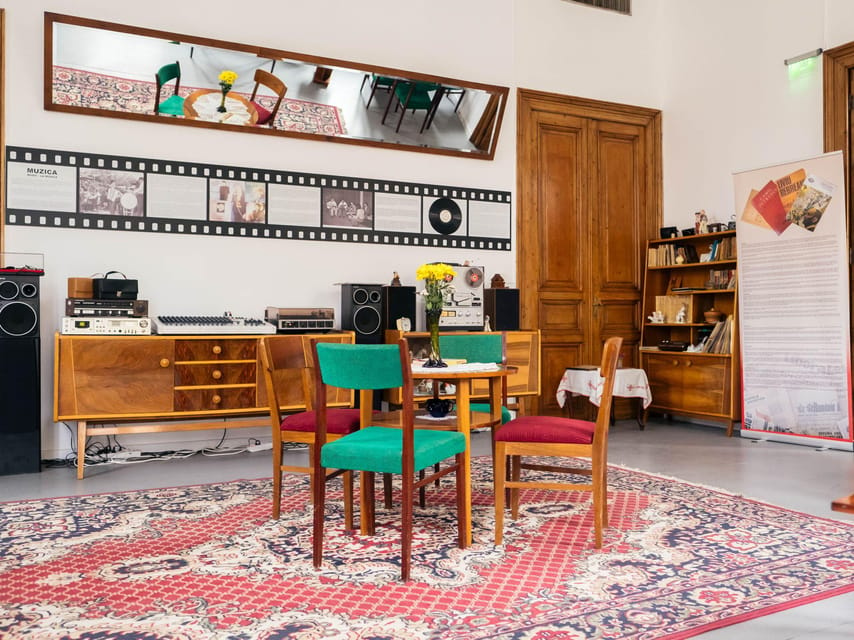
After you walk through the exhibits, the coffee stop is where the museum shifts from information to atmosphere. You’ll drink your nechezol coffee in the museum’s living-room area, sitting in the setting with the couch and era-appropriate props. It’s built for the senses, and it’s also naturally photo-friendly.
This part works especially well if you’re traveling with someone. The room feels like a small scene you both step into, and the dressing-up and music-style fun elements in the museum can be more enjoyable as a pair than as a solo mission. Going alone can still be fine, but the social energy helps the experience feel lighter.
One practical upside: the museum also has a small bar area, and the facilities you’ll use during your visit are kept clean. Also worth noting, there’s no pushy gift shop pressure at the end, so you can leave without feeling forced into a purchase.
How long it takes, and how to plan your day in Bucharest
The museum is best as a quick, focused stop rather than a half-day destination. I’d plan about 45 minutes to 1 hour for a full pass, especially if you pause for the interactive items and take time with the coffee moment.
If your schedule is tight, you can treat it as a “history reset.” Step in, touch the exhibits, ask questions, then move on with your Bucharest day. If your schedule is relaxed, you can slow down by rereading posters and spending extra time on the typewriter, magazine browsing, and clothes.
Because the ticket is valid for 1 day and you should check available starting times, it helps to match your visit to the rest of your route. Early in the day can feel calmer for photos and interactions. Later can work too, but you’ll want enough time to enjoy the coffee stop without rushing.
Price and value: why this ticket makes sense for most visitors
For around $10, you’re getting entry plus a coffee tasting that ties directly to the theme. Many museums charge admission only. Here, the coffee turns the story into something you can carry in your memory.
The value is also in the hands-on design. Touching exhibits, typing on an old machine, and trying on clothes take effort to build. That effort shows up in how easy it is to stay engaged, even if you’re not reading every sentence.
Where the value might feel weaker is if you strongly prefer academic depth and heavy context from specialists. Some text can come off basic for people who want a more complex historical argument. If you care about that, make your best move the same as everyone’s best move: ask the guide questions and focus on the parts that are most interactive.
Who should book this museum ticket
I’d book this if you want a short, memorable Bucharest history stop that’s built for participation. It’s a strong fit for:
- Couples and friends who enjoy photo moments and shared activities
- People who learn better by doing, not only by reading
- Visitors interested in Romanian history, especially the late communist years and everyday life
I’d think twice if:
- You need wheelchair access, because the museum is not suitable for wheelchair users
- You hate poster-heavy exhibits and prefer museums with lots of large objects or deep specialist interpretation
Should you book the Museum of Communism ticket with nechezol coffee?

Yes, I think you should book it if you want an efficient stop that feels more like an experience than a lecture. The combo of hands-on exhibits plus an included nechezol tasting is what makes it worth your time and money, and the guide Q&A can fix the parts that feel less nuanced.
If you’re going for a quick history hit in Bucharest, this works. If you want a long, academically heavy day, this probably won’t be your only stop. But for most people, it’s a smart, affordable way to understand communism through objects, stories, and a taste of what everyday scarcity can feel like.
FAQ
What is included with the Museum of Communism Bucharest ticket?
The ticket includes entry to the Museum of Communism and one cup of nechezol communist coffee.
How long should I plan to spend at the museum?
A typical visit is about 45 minutes to 1 hour, depending on how much time you spend interacting with exhibits and the coffee area.
Is there an English guide?
Yes, the host or greeter is English, and you can ask questions to a guide inside the museum.
What is nechezol communist coffee?
Nechezol is described as communist coffee that appeared when coffee imports were very limited. You can learn the story in the museum and taste it as part of this ticket.
Is the museum wheelchair accessible?
No, it is not suitable for wheelchair users.
Can I reserve and pay later?
Yes. You can reserve now and pay later to keep your plans flexible.
More Tour Reviews in Bucharest





More Bucharest Tours in Bucharest
The Communist City, Continued




Just added from Bucharest


Bucharest Communism Tours, compared.
 ★ 5.0The Real tour of CommunismFrom $32666 reviews
 ★ 5.0Life under CommunismFrom $42358 reviews
 ★ 4.93-Hour Guided Tour of Communist BucharestFrom $29303 reviews
 ★ 5.0Bucharest Essential Tour: Old Town, Calea Victoriei & CommunismFrom $24142 reviews
 ★ 5.0Communism in Bucharest – Landmarks, Museum & Communist AppetizersFrom $48111 reviews
 ★ 4.9Relics of Communism 3-Hour Walking TourFrom $4477 reviews
 ★ 5.0Bucharest Under Communism: Life, Terror & HopeFrom $2376 reviews
 ★ 4.6Entry ticket at the Museum of CommunismFrom $957 reviews
Browse the lists this tour appears in