
REVIEW · TRANSYLVANIA DAY TRIPS
Transylvanian week
Transylvania gets talked about a lot, but the sites feel real fast. This guided loop from Bucharest lets you see UNESCO fortified churches, major castles, and the Vlad the Impaler story without spending your vacation stuck with maps and ticket lines. You also get private, air-conditioned transport plus pickup options, which matters in Romania, where distances add up.
I love how much you cover with a licensed guide, not just reading plaques on your own. I also like the pacing: each day mixes big-name landmarks with smaller fortified churches and villages, so you understand why Transylvania looked and worked the way it did. The biggest drawback to consider is that it is a high-activity itinerary with lots of walking, stairs, and early starts, so you’ll want decent stamina and good shoes.
Key highlights to watch for
- UNESCO fortified churches across Biertan, Malancrav, Viscri, and Prejmer
- Hunyadi and Vlad connections tied to Corvin Castle, Alba Iulia, and Sighisoara
- Private air-conditioned vehicle and pickup options to cut down travel stress
- Real medieval details, like the fresco layers in Malancrav and the Roman legion ruins in Alba Iulia
- Bran to Poiana Brasov views with a cable car ride when weather allows
Deeper into Transylvania
- Transylvania and Dracula Castle Full Day Tour from Bucharest★ 4.5 · 1,589 reviews
- Castles of Transylvania: Private Day Trip from Bucharest★ 4.5 · 248 reviews
- 2-Day Medieval Transylvania with Brasov,Sibiu and Sighisoara Tour from Bucharest★ 4.5 · 145 reviews
- 2-Day Transylvania from Bucharest: Brasov, Bran, Sighisoara★ 5.0 · 60 reviews
Why a guided Transylvania loop from Bucharest makes sense
If you try to self-plan Transylvania from Bucharest, you’ll quickly hit two problems: getting around takes time, and the “classic” stops are spread out. This tour solves both with a car-based route and a guide who keeps everything in sequence. That means you spend your energy on the places, not on logistics.
You also get context as you move. The fortified churches are not random photo stops. They’re part of how Saxon communities protected themselves, how religion shifted over centuries, and why the region became so strategically important. With a licensed guide, the legend of Vlad the Impaler stays grounded in actual history, like what’s in the fortresses and cathedrals you’re standing in.
The practical benefit is simple. You have private transportation in an air-conditioned vehicle and you’re not juggling arrivals, departures, and hotel searches. If you value guided clarity and time efficiency, this format fits.
Cozia Monastery and Sibiu’s Council Tower stairs
Day 1 begins with the short jump from Bucharest into the Olt River Valley scenery, then Cozia Monastery. Cozia was founded in 1388 by Mircea the Elder, a Wallachian prince. The timing matters. This is the kind of religious site that anchors the Wallachian side of the story, which later connects to Vlad the Impaler through family lines and regional politics.
At Cozia, admission is free on the schedule provided, and the visit gives you a calmer start before the more intense castle-and-city days. You’re not just chasing Dracula vibes. You’re learning the power centers that fed the legends.
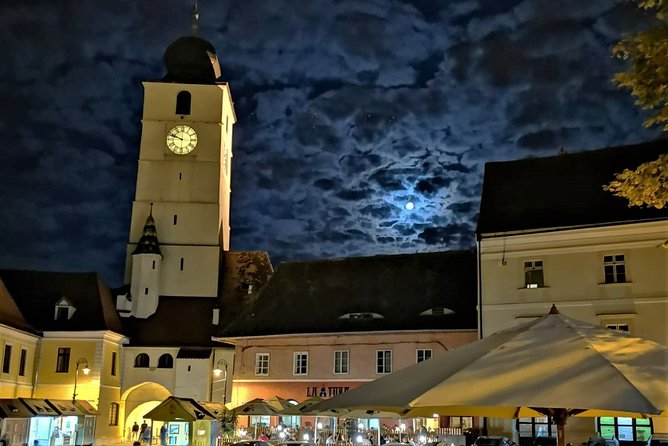
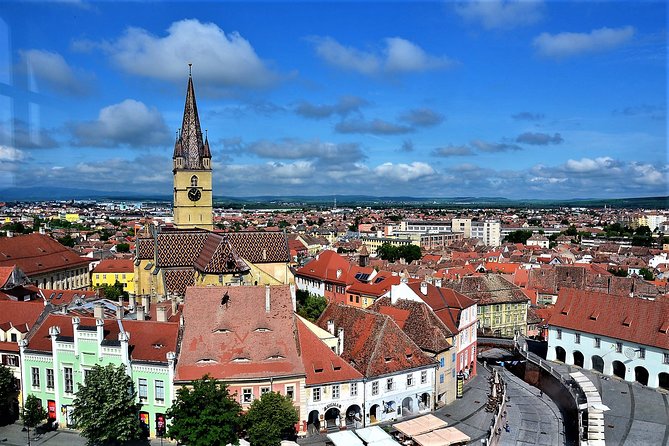
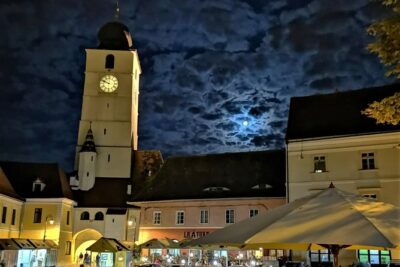
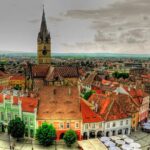
Then you move to Sibiu. I love Sibiu’s Old Town layout because it feels built for wandering: plazas first, churches second, then a view payoff. The tour includes time to explore key squares like Grand Square, Small Square, and Albert Huet Square, with stops at the Orthodox Cathedral and the Evangelical Church. If you like details, the Council Tower climb is one of the best “effort for reward” moments. It’s a stair climb to a view over the city, so you get the map in your head once you’re up there.
If you’re the type who likes photos, Sibiu is photogenic because it mixes medieval streets with open space in the plazas. Just remember you’ll be on your feet, and you’ll climb stairs on the first full city stop.
Corvin Castle and Alba Iulia: Hunyadi’s stone legacy
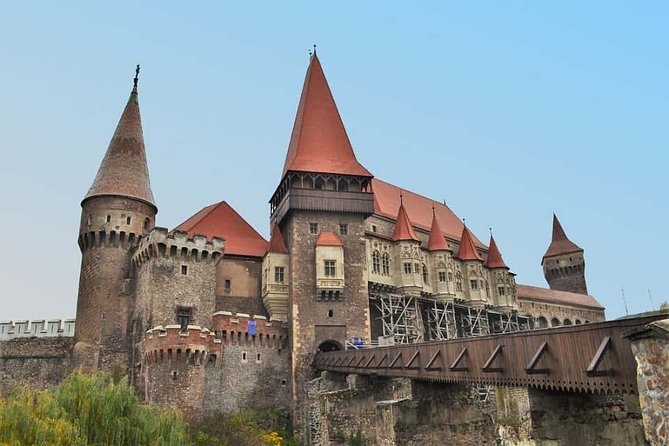
The second day is where Transylvania’s medieval leadership really comes into focus. You start at Castelul Corvinilor, also known as Corvin Castle, linked to John Hunyadi. This area is tied to the Hungarian crown and the broader regional struggle against Ottoman expansion.
The castle itself connects to a chain of names and dates: John Hunyadi’s father, Voicu (Vojk), was ennobled and given a castle from Hunedoara. From there, John Hunyadi became regent of Hungary during turbulent times and is associated with defeating the Ottoman Sultan’s forces in Belgrade. That’s a lot of political weight for one stop, and the guide’s job is to make the story click while you’re looking at the fortress.
Admission is included on the schedule for this stop, and the time given (about an hour) is enough to see the main points without turning it into a museum marathon.
Next comes Cetatea Alba Iulia, the Alba Carolina fortress. This is a serious military complex, and it includes multiple layers of faith and empire. You’ll see Saint Michael Cathedral, with construction started in 1004, plus the Orthodox Coronation Cathedral, and ruins of a Roman castrum tied to the 13th Gemina Roman Legion. I like this stop because it shifts the timeline. You get medieval fortification, but you also see that the area mattered long before the medieval legends.
If you have limited time in the region, this is a good day to pick up context. It’s not just castles. It’s why those castles mattered.
The day ends back in Sibiu for a second overnight, which is a smart setup. It saves you from constantly checking in and checking out, and it gives you at least one more evening in town to wander.
UNESCO Sighisoara, Biertan, and Malancrav fresco layers
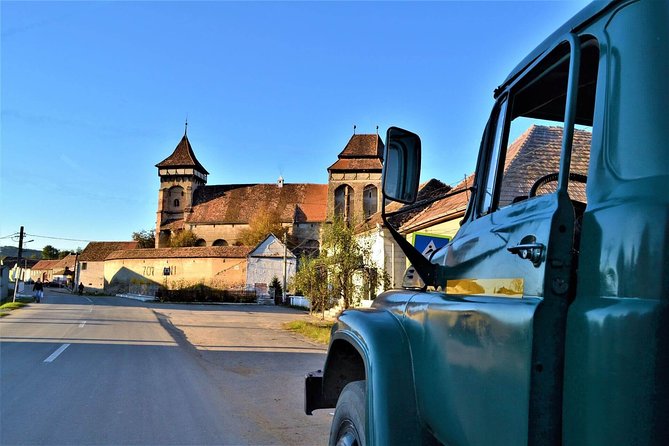
Day 3 moves through Saxon countryside toward Sighisoara, with a route that includes older Saxon villages and forest roads in the Hartibaciu Valley. It’s a nice change of pace, and it sets the tone. This is not a straight line of “big sites only.” You’re getting the in-between atmosphere that made these communities last.
First up is Biertan Fortified Church. This is one of those places where a fortified church feels more like a defensive complex than a place of worship. Your included time is about an hour, so you can see the core elements and still keep energy for the next stops.
Then you go to Malancrav and its fortified Lutheran church. This is one of the most interesting stops on the itinerary because it’s about layers, not just walls. The schedule highlights that the church has the largest Gothic fresco in Transylvania. During restoration works in 1914, the medieval frescoes were discovered underneath layers applied after the Lutheran reform, when old Catholic paintings had been covered with chalk paint. That survival matters. You’re looking at the result of religious change and restoration history all at once.
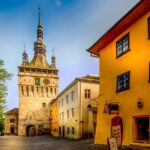
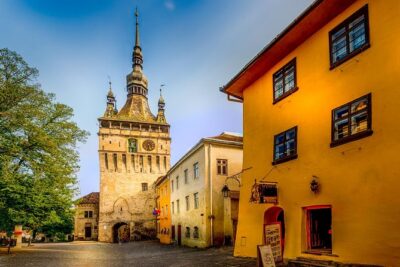
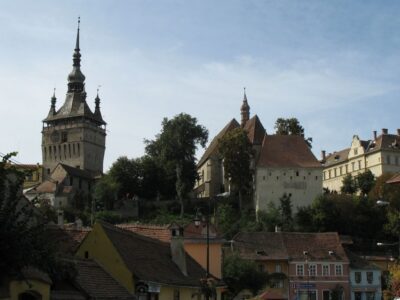
By late day you finish at Sighisoara’s UNESCO medieval citadel, including the Sighisoara Clock Tower and time to explore the citadel in the late afternoon and evening. The birthplace story of Vlad the Impaler is tied to this spot, and the timing helps. Evening light makes the old streets feel intimate, and you’re not fighting peak daytime crowds in the citadel area.
One practical note. Sighisoara is steep in places, and the schedule keeps you in the citadel until the evening. If you have mobility limits, mention it to your guide early so they can help pace things. The route still looks manageable, but the walking adds up when you stack fortified churches plus a UNESCO citadel.
Elsewhere in Bucharest, and up the valley

Fortified churches on the way to Brasov: Viscri and Prejmer
On day 4, you travel from Sighisoara to Brasov with more UNESCO-level fortified church stops along the way. You also get a quick fortified church viewpoint at Saschiz, a UNESCO World Heritage monument built at the end of the 15th century, with a tower that reminds you of the clock tower in Sighisoara. It’s a “yes, you’re still in the right region” kind of stop.
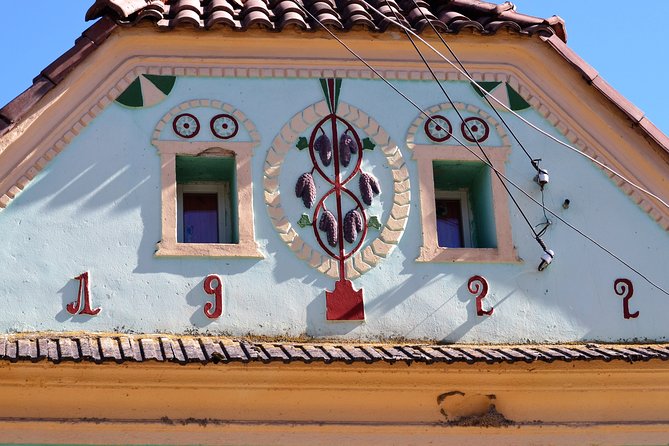
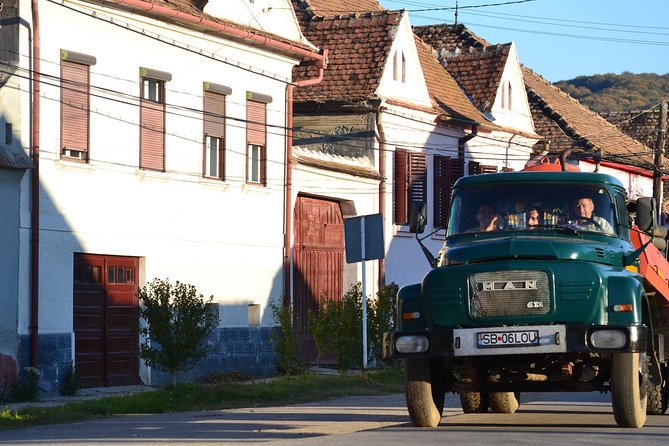
Viscri is the next major highlight. This is the remote village Prince Charles reportedly fell in love with, after buying a Saxon household in Viscri, number 163, a blue house built in 1753. I love stops like this because they’re not just medieval. You see how these communities stayed alive into modern times, and how old architecture still shapes daily life.
From Viscri you also catch sight of Rupea fortress, built over earlier Roman and Dacian fortifications. It’s not the biggest “set piece” stop, but it connects the dots across eras, showing that strategic sites get reused when geography stays the same.
Then comes Prejmer, a standout for anyone who likes fortifications with a purpose. Around 1200, Teutonic Knights were asked by a Hungarian king to defend the region called Country of Bârsa against Tatars coming from the east. They built the foundations of the fortified church and fortress, and later Saxon settlers completed it after replacing the military order following a quarrel between the knights and the king. Prejmer is one of the seven Saxon fortifications in Transylvania on UNESCO’s World Heritage List.
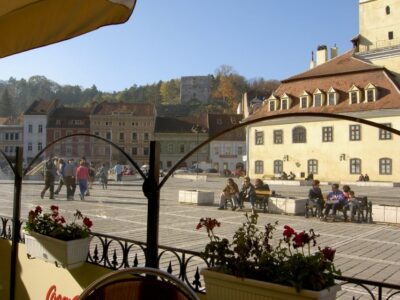
Once in Brasov, you’re given time for the historical center and medieval fortifications. The tour includes bastions and towers, plus Rope Street, described as one of the narrowest in Europe. This is exactly the kind of street where you slow down naturally. Narrow streets change your pace and your photos.
Brasov to Bran: cable car views, Rasnov walls, and Black Church Gothic
Day 5 takes you upward toward Poiana Brasov, then toward Bran, and finishes with a major church in Brasov. It’s a good blend of scenery and city architecture.
First, Poiana Brasov. The schedule includes a cable-car ride up near Postavaru Peak, up to 1,722 meters. If the weather is fine, you get views over the Carpathians and the Transylvanian plateau. Even when views are limited, the ride still changes your perspective, because the region’s geography is part of why these castles were placed where they were.
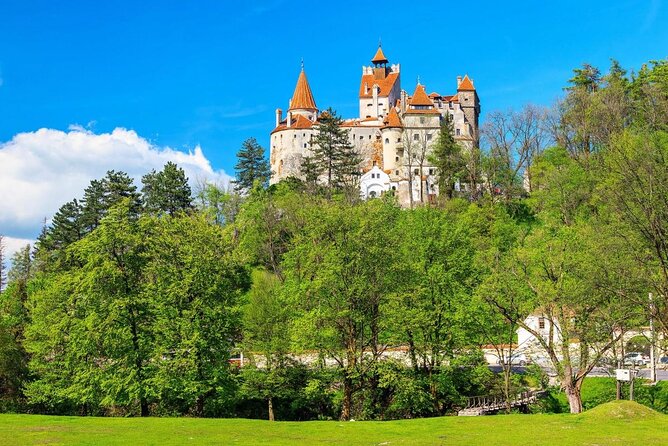
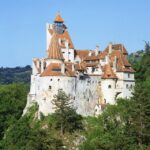
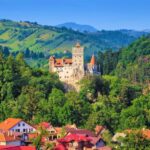
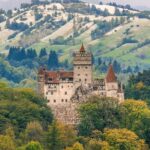
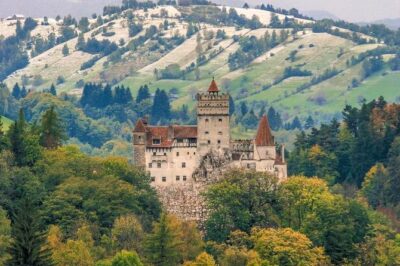
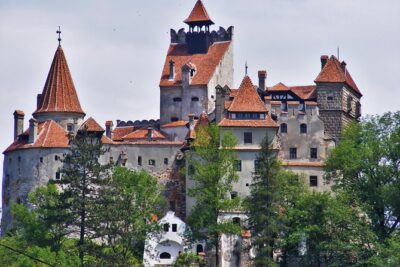
Then you head to Bran Pass above Bran Castle. Bran Castle itself is included, built in the 14th century to guard a strategic commercial route between Wallachia and Transylvania. You’ll hear the Dracula association, but the castle’s position and defensive design are the real points here. It sits on a dramatic rocky corner with strong natural protection on multiple sides, which is why it became an obvious “fortress story” in popular culture.
On the return to Brasov, you admire Rasnov fortress from afar. It’s dated to the 13th century and likely tied to the Teutonic Knights period in this region. Even as a view stop, it helps you understand how Brasov’s area had multiple layers of defense.
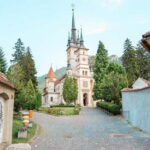
Back in Brasov, you visit the Black Church, Biserica Neagra. This is an imposing Gothic church, and it’s a fitting contrast after castles. You move from military architecture to religious Gothic style, which helps the whole week feel balanced.
Peles Castle and Bucharest at night in Stavropoleos
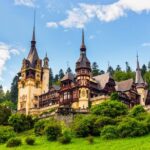
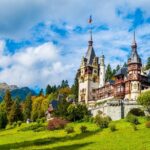
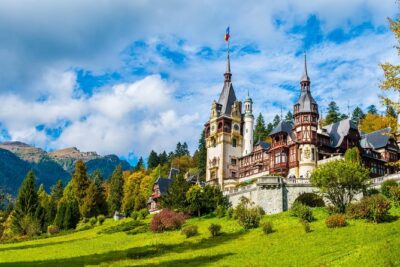
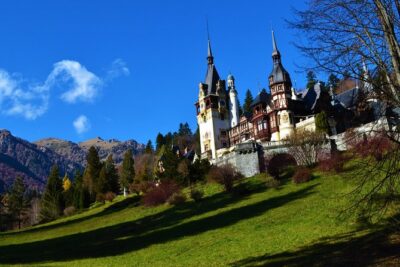
Your final day shifts from Transylvania back toward Bucharest via the Prahova Valley. At Sinaia mountain resort, you visit Peles Castle, built at the end of the 19th century. This one is almost a palate cleanser after the medieval forts. The castle style is described as flamboyant, and it contrasts sharply with the more austere figure tied to its era, Carol I of Hohenzollern-Sigmaringen, the first King of Romania.
The guide gives the political framing: Carol I ruled for 48 years and was tied to modernization efforts in Romania. That context matters because Peles is not just decorative. It’s a statement of ambition and national identity at a later period than the medieval castles.
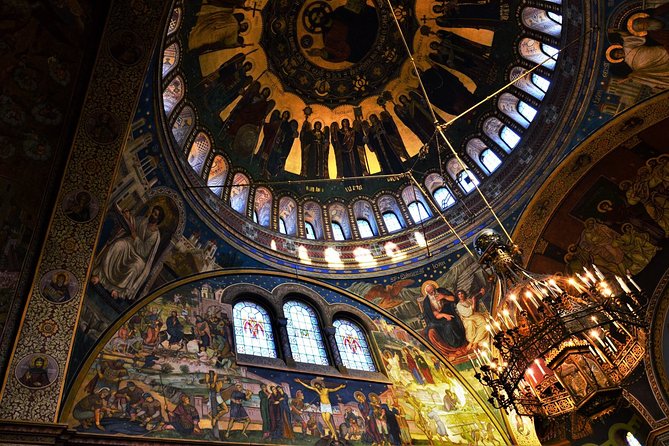
After that, you head into Bucharest. After check-in, you have time to decompress. In the evening, the tour includes a guided visit to Stavropoleos Monastery, built in 1724, with the church in the heart of the city. I like ending here because it brings you back to daily urban life rather than another fortress. You get the sense that Romania is layered, from Orthodox sites in the capital to medieval fortifications across Transylvania.
Price and value: what $2,166.68 buys you here
At about $2,166.68 per person for a 6-day trip, the price is not small. But you’re not paying for just sightseeing. You’re paying for the reduction of stress and the amount of transport and guiding you get.
Here’s what’s included that drives value:
- 6 nights in double occupancy at 3-star superior hotels or guesthouses, with breakfast included
- Private air-conditioned transportation for transfers across the region
- Lunch included
- All fees and taxes included
- A licensed guide throughout the key visiting days
For a region like this, private transport adds up fast if you try to recreate it yourself. The route also includes multiple paid sites, and the itinerary suggests admissions are either free or ticketed depending on the stop, while the tour package covers overall fees and taxes.
Where you should be realistic: meals beyond lunch are not included, and photo fees are not listed as included. That means you’ll still have a bit of spending flexibility day to day, especially if you want extra snacks during longer transitions.
Also, this is not a short “greatest hits” day tour. You’re paying for a full, guided sequence that keeps you moving through multiple regions: Wallachia connections, Saxon fortified churches, and major castles.
Who this tour is best for, and who should rethink it
This tour fits best if you:
- Want guided context for Vlad the Impaler and the medieval politics behind the castles
- Prefer a set itinerary over planning routes, hotels, and tickets
- Like fortified churches and history tied to real architecture, not just Dracula branding
- Appreciate comfortable private transport between stops
It may not fit if you:
- Want a slow, flexible pace. This week stacks several walk-heavy sites, including stairs and citadel areas.
- Plan to stay out late every night. The schedule includes late afternoon touring, but it’s still structured around early movements the next day.
If you’re traveling as a couple or a small group, the private format can feel especially efficient. Reviews also highlight the human side: guide Gelu and his brother George are praised for being helpful from start to finish, and for adapting when plans change. That matters because Transylvania tours often hinge on timing, weather, and transit flow.
Should you book Transylvanian Week?
I’d book it if you want a guided Transylvania route that mixes the famous castles with the fortified churches and medieval towns that actually explain the region. The licensed guiding, the private car, and the fact that you get 6 nights with breakfast make it easier to compare against self-planning. You’re buying time and clarity.
I’d think twice if you have limited stamina or you hate structured days. Bring good walking shoes and plan to take the climb days seriously, especially in places like Sibiu’s Council Tower area and the UNESCO citadel streets.
If you want your Transylvania week to feel organized, historically grounded, and full of “how did this place survive?” moments, this is a strong choice.
FAQ
Where does the tour start?
You meet at your hotel in Bucharest or at the airport.
How long is the tour?
It runs for 6 days, approximately.
What kind of transportation is included?
You travel by private transportation in an air-conditioned vehicle.
Are meals included?
Lunch is included. Breakfast is included with your 6 nights of accommodation. Other meals are not included.
What is included in the accommodation?
You get 6 nights in double room occupancy at 3-star superior hotels or guesthouses with breakfast included.
Are tickets and entrance fees included?
All fees and taxes are included. The itinerary notes that some stops have admission free and others have admission ticket included.
Is this a private tour?
Yes. Only your group participates.
Can I pick this tour up with a guide from Bucharest?
Yes, pickup is offered and the tour meets in Bucharest (hotel or airport).
Is the booking refundable or changeable?
This experience is non-refundable and cannot be changed for any reason.
More 7-Day Experiences in Bucharest

More Tour Reviews in Bucharest
Transylvania, Further In

Just added from Bucharest


Transylvania Day Trips, compared.
 ★ 4.5Transylvania and Dracula Castle Full Day Tour from BucharestFrom $351,589 reviews
 ★ 4.5Castles of Transylvania: Private Day Trip from BucharestFrom $151248 reviews
 ★ 4.52-Day Medieval Transylvania with Brasov,Sibiu and Sighisoara Tour from BucharestFrom $120145 reviews
 ★ 4.8Transylvania: Dracula’s Castle and Birthplace TourFrom $175123 reviews
 ★ 5.02-Day Transylvania from Bucharest: Brasov, Bran, SighisoaraFrom $40960 reviews
 ★ 4.8Transylvania: Cultural Full-Day Trip by MinivanFrom $44157 reviews
 ★ 5.04-Day Private Tour in Transylvania from BucharestFrom $1,17548 reviews
 ★ 5.0Private Tour: Transylvanian Castles and Brasov’s Medieval Old TownFrom $19242 reviews
Browse the lists this tour appears in