
REVIEW · BUCHAREST COMMUNISM TOURS
Exploring a Former Communist Prison
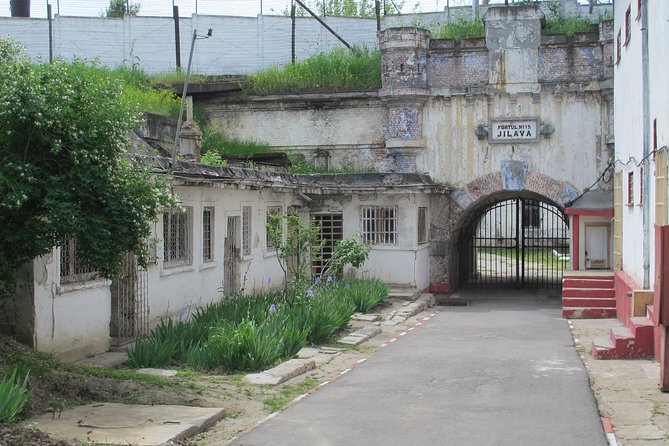
Bucharest has a pulse you can’t ignore. This Communism tour strings together Revolution Square context, a drive through Ferentari, and exclusive access to Fort 13 Jilava, the former communist prison turned memorial. I like that the group stays small, max 8, so questions feel welcome, and I also like how the guide work connects big events to everyday life.
Before you book, I’d flag one real consideration: the day is heavy, and inside the prison there are strict rules, including no mobile phones and photo limits. If you want a relaxed sightseeing stroll, this will feel more like a history lesson with emotions turned up.
Key highlights you’ll actually feel during the day
- Exclusive access to Fort 13 Jilava inside Bucharest’s largest prison memorial
- Revolution Square context from guides with firsthand December 1989 perspective
- Ferentari, the Bronx of Bucharest drive, showing communist-era housing reality
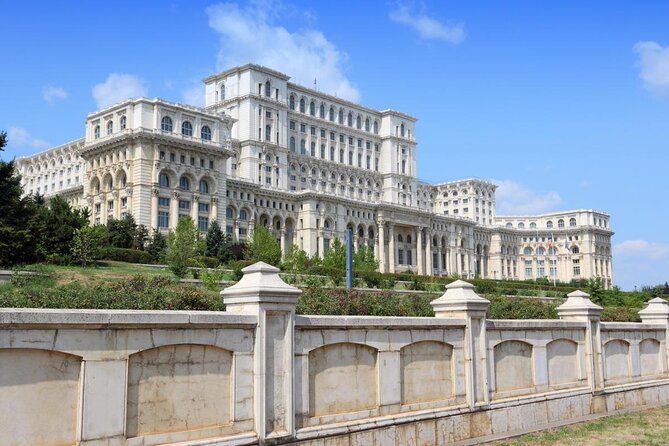
- Palace of Parliament quick circuit, with darker stories tied to local life
- Snacks, covrig, and drinks included, so you’re not white-knuckling the day
- Max 8 people plus air-conditioned car, making the pacing easier to handle
The communist city, three more ways
- The Real tour of Communism★ 5.0 · 666 reviews
- Life under Communism★ 5.0 · 358 reviews
- 3-Hour Guided Tour of Communist Bucharest★ 4.9 · 303 reviews
- Bucharest Essential Tour: Old Town, Calea Victoriei & Communism★ 5.0 · 142 reviews
A 6-hour communist story, paced like real life
This tour runs about 6 hours and starts at 9:30 am from Piața Revoluției, at the Memorial of Rebirth. You’ll spend the day moving by car between key points, then add a long visit at Fort 13 Jilava. The pacing matters here. You get a clear thread through multiple locations instead of bouncing around on your own with half the context.
The group size cap of 8 is a big quality-of-life detail. It makes it easier to hear your guide, and it also gives you space to ask questions when the conversation gets uncomfortable. That matters on a subject like Romania under communism, where the facts are clear but the human weight is not.
The other practical win is comfort. You ride in an air-conditioned vehicle, and you’re not hauling yourself across Bucharest for hours. Still, it’s worth knowing the experience requires good weather, so the schedule can shift if conditions are rough.
Starting at Piața Revoluției, where the city changes in your head
You begin at the Memorial of Rebirth in Piața Revoluției. This square is a natural starting point because it’s tied to the fall of communism, and it’s surrounded by buildings and history that help you map the country’s past onto the present. A good guide will not treat it like a photo stop.
Instead, you get an overview that zooms out first, then brings it back in. You learn how Bucharest developed over roughly 500 years and how the city’s military fortification system came to be. That big-picture framing is useful because it helps you understand why so much of the city later got organized around control and separation.
One especially praised element is the guide perspective. In the group I’m drawing from, the story included lived-in context connected to December 1989, when communism fell. Even if you already know the dates, hearing the square described through that viewpoint tends to make it click. You stop thinking in slogans and start thinking in choices, fear, and momentum.
If you dislike political talk, you might still enjoy this part because it’s not only slogans. It’s also geography and how people built, defended, and later controlled space.
The Palace of Parliament stop: a quick circle, not a full tour
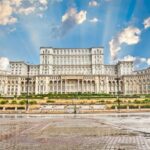
After the morning foundation, there’s a quick stop at the Palace of Parliament. You’ll circle the building and learn what its size and purpose mean for the local community, including the darker stories that come with it. The time is short, about 20 minutes, so don’t expect the kind of deep architectural tour you’d pay for separately.
One practical detail: admission here is not included. So if you’re hoping to go inside, you’ll need to plan for that extra cost. If you’re more interested in the story than the interior rooms, you can still get a lot out of the outside circuit and the explanation.
This stop works because it’s not random. It bridges the mood of the revolution square to the reality of centralized power. You start to see how buildings in Bucharest reflect politics, not just planning.
Ferentari and the Bronx of Bucharest drive, where history looks lived in
Next comes the drive through Ferentari, often described as the Bronx of Bucharest. This is one of the most valuable parts of the day if you want to see past the polished center. The goal isn’t to label a neighborhood as good or bad. It’s to show the social reality that formed around communist rule, including the housing and daily-life patterns people had to live with for decades.
You’ll also hear about communist bedroom dormitories that defined the last 50 years of Romanian social history. That phrase matters. When you understand what people’s living spaces looked like, you can better understand what it meant when the state controlled housing, movement, and privacy.
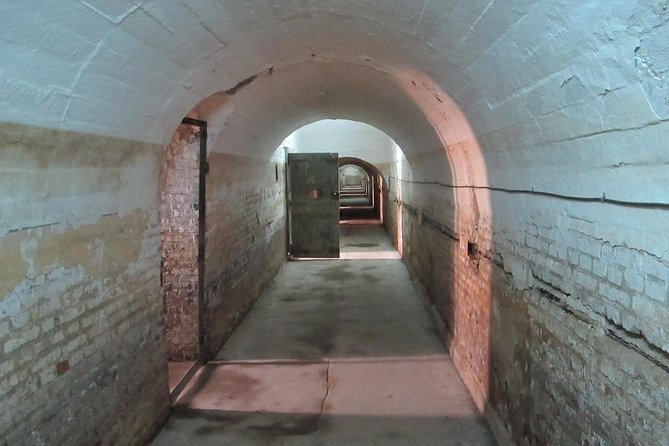
Then you go one step further: you visit an old military fort inside an active prison setting, used as an extermination camp for those who stood against the regime. The stop is about 1 hour and admission is included. It’s the kind of place where the explanation is crucial, because you’re not just looking at walls. You’re learning how a 19th-century fortress style of defense got repurposed into an engine of detention and execution.
Because the setting is real and active, it’s normal to feel a little tense. It’s not a theme-park stop. Treat it with the same quiet respect you’d use at a memorial in any country.
Carol Park, mausoleum views, and a meal break
After the heavier prison-related sites, the day gives you a breather at Carol Park. You’ll spend about 30 minutes here, and admission is free. The highlight is the mausoleum of communist leaders inside the park.
Parks can be tricky on these tours. They might look peaceful, even beautiful, which can make the subject feel surreal. But that’s often the point. You’re learning how regimes shaped not only where people lived, but also where people could gather, rest, and remember.
There’s also time to enjoy a traditional communist meal. The wording suggests you’ll have a set meal experience during this segment, though your day already includes snacks and drinks, so it can feel like a full reset before the final prison stop.
If you get even slightly squeamish about food nostalgia from dark periods, you’ll still probably appreciate the way this stop grounds the story in everyday life. Just go in with eyes open.
Entering Jilava Fort 13: rules that change how you experience the space
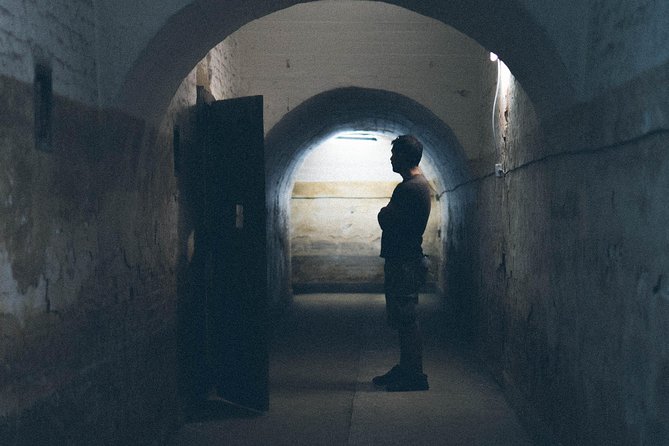
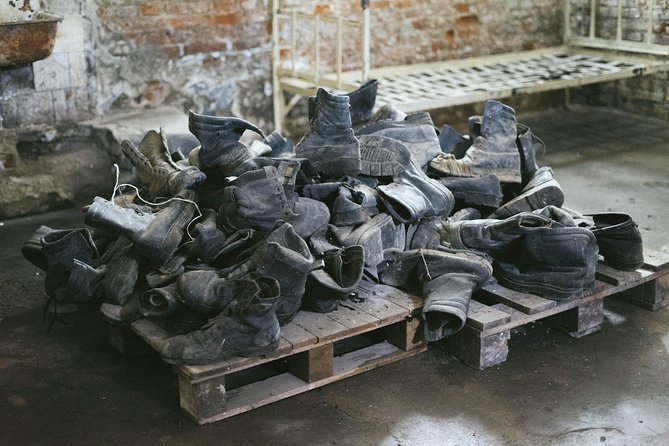
The big finale is Jilava Fort 13. This is an old military fort transformed into a communist detention and execution camp, and today it functions as a memorial within Bucharest’s largest prison. The visit is about 2 hours, and admission is included.
This is the moment most people remember, and for good reason: it’s an exclusive access visit, meaning you’re not just wandering a random display. You’re guided through a space with restrictions, context, and a careful pace.
Here are the rules that matter for how you plan your day:
- Mobile phones are not allowed inside the prison.
- Photos are allowed only with a camera.
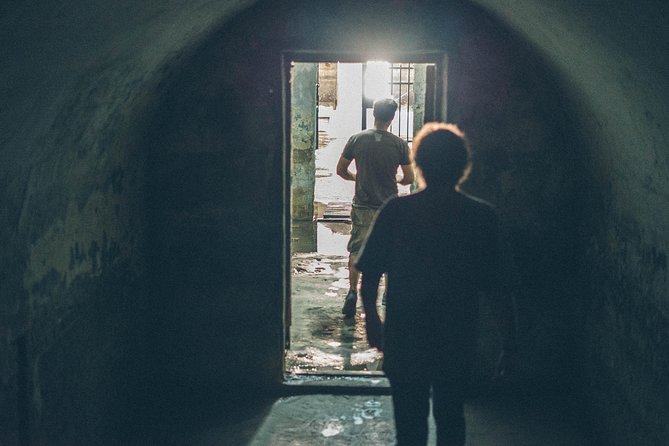
That means you should think ahead about what you want to capture. If you’re used to documenting everything with your phone, this will feel like a hard stop. On the other hand, no phones can actually help you pay attention. You’ll be forced into present tense: looking, listening, remembering.
Also, consider this a respect-based setting. You’re walking through a memorial tied to real suffering. Even if you’re traveling with curiosity and a strong stomach, keep your voice down and let the guide do the talking.
Food, water, and the small decisions that make a hard day easier
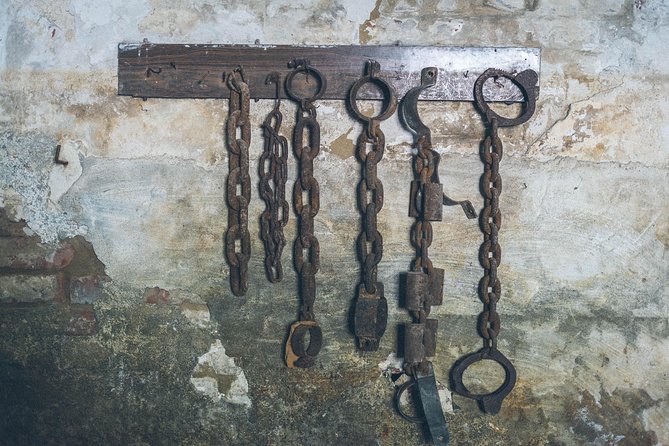
This is not a long walk-only tour, but it is a full, emotionally loaded half day. That’s why the included food and drinks matter more than they might on a typical sightseeing outing.
You get snacks such as covrig, plus local traditional bites. You also get bottled water (500 ml), and there’s a beer included, 400 ml, or an equivalent beverage. There’s coffee and/or tea as well.
I like this setup because it removes friction. You’re not hunting for lunch places between prison sites and historical squares. You can focus on the story and take a short comfort pause when you need it.
Also, the tour explicitly includes a stop for refreshments and quick bites during the day, so the timeline isn’t built only around standing and listening. That’s a thoughtful touch when the content runs heavy.
Price and value: what you’re paying for at $173.47
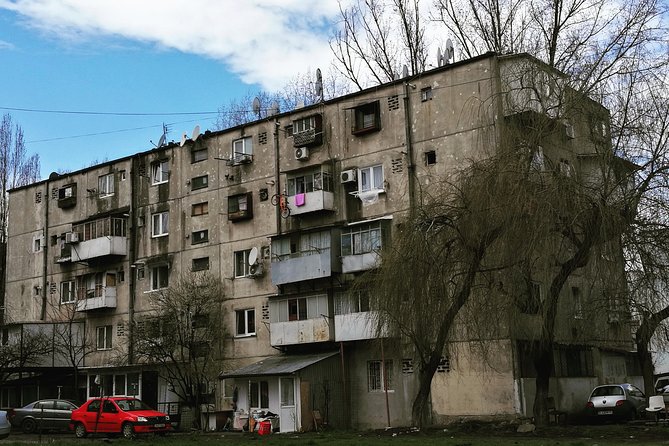
At $173.47 per person, the price might look steep at first glance. But when you break down what’s included, it starts to feel more fair, especially for an exclusive prison access experience.
What you’re getting for that price:
- Air-conditioned vehicle for the day’s driving segments
- Snacks, bottled water, coffee and/or tea
- Beer (or equivalent)
- Admission included for the Second Hand Ferentari prison-fort stop
- Admission included for Jilava Fort 13
- A small group size, max 8
- A mobile ticket, so you’re not dealing with paper hassles
What’s not included:
- Palace of Parliament admission is not included
So the value equation depends on how you feel about paying for access plus transportation plus guided context. If you were to do this yourself, you’d likely spend time coordinating transit, tickets, and finding the right guide depth. Here, you’re buying someone else’s planning and someone else’s ability to connect the dots in a way that makes the places understandable.
If you’re a history-minded traveler who prefers guidance over guesswork, this is the kind of day where the money often feels justified. If you want loose and light, you might feel the cost harder, because the content is intense and you won’t get to treat it like casual sightseeing.
Who should book this tour, and who might not enjoy it
This tour fits best if you’re curious and serious about how political systems shaped real spaces in Bucharest. It also helps if you like your history with direct place-based storytelling, not just museum text.
You’ll likely enjoy it if you:
- Want a guided look at communist-era housing context through the Ferentari area
- Care about memorial sites and the stories behind them
- Prefer small groups so you can ask questions
- Appreciate that the day includes food and breaks, not just clocks ticking down
You might want to skip or reconsider if you:
- Strongly dislike heavy topics tied to detention and execution
- Need continuous access to your phone for work or navigation, since phones are not allowed inside the prison
- Are looking for a purely “what to see” photo tour, because several moments require listening and reflection
Practical tips for Fort 13 and a smooth start at 9:30
A few details can save you stress on the day:
- Bring a camera if you want photos, since phones won’t be allowed inside the prison and photos are only permitted with a camera.
- Wear something comfortable for a guided memorial visit, and plan to stay patient through security-style rules.
- Check the weather before you go, since the experience requires good weather and can be rescheduled or refunded if it’s canceled due to conditions.
- Aim to arrive on time at Piața Revoluției, at the Memorial of Rebirth. The start time is 9:30 am, and the tour is structured around that momentum.
- If you rely on public transport, good news: the meeting point is near public transportation, and that helps when you’re traveling across Bucharest.
Confirmation usually comes within 48 hours of booking, as long as spots remain available, which matters if your dates are tight.
Should you book the Communism Tour to Fort 13 Jilava?
If you want more than surface-level Bucharest photos, I think you should book this. The strongest reason is the pairing of context and access, including the exclusive visit to Fort 13 Jilava and the guided connection between Revolution Square, communist-era housing reality, and how power left physical marks on the city.
The top thing to consider is the emotional weight and the rules inside the prison, especially no mobile phones. If you can handle that and you’re okay spending the day listening as much as looking, this is one of the most meaningful ways to understand modern Romania through its scars.
If your priority is light, carefree sightseeing, pick a different tour. But if your priority is clarity, honest storytelling, and a memorial visit that has real boundaries for a reason, this one earns its reputation.
FAQ
How long is the Communism tour in Bucharest?
The tour lasts about 6 hours.
Where do you meet, and what time does the tour start?
You meet at the Memorial of Rebirth, Piața Revoluției, București 030167, Romania, and the start time is 9:30 am. The tour ends back at the meeting point.
How much does the tour cost?
It costs $173.47 per person.
What’s included in the price?
Included items are snacks (including covrig and local traditional bites), bottled water (500 ml), 1 beer (400 ml) or equivalent, coffee and/or tea, and an air-conditioned vehicle. Admission is included for the Second Hand Ferentari stop and for Jilava Fort 13.
Is the Palace of Parliament admission included?
No. The Palace of Parliament stop has admission not included.
Are mobile phones allowed at Jilava Fort 13?
No. Mobile phones are not allowed inside the prison.
Can I take photos inside the prison?
Photos are allowed only with a camera.
What group size should I expect?
The maximum group size is 8 travelers.
What happens if weather is bad or the tour must be canceled?
The experience requires good weather. If it’s canceled due to poor weather, you’ll be offered a different date or a full refund.
More Tour Reviews in Bucharest

The Communist City, Continued


Just added from Bucharest


Bucharest Communism Tours, compared.
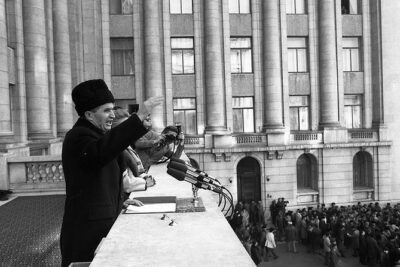 ★ 5.0The Real tour of CommunismFrom $32666 reviews
 ★ 5.0Life under CommunismFrom $42358 reviews
 ★ 4.93-Hour Guided Tour of Communist BucharestFrom $29303 reviews
 ★ 5.0Bucharest Essential Tour: Old Town, Calea Victoriei & CommunismFrom $24142 reviews
 ★ 5.0Communism in Bucharest – Landmarks, Museum & Communist AppetizersFrom $48111 reviews
 ★ 4.9Relics of Communism 3-Hour Walking TourFrom $4477 reviews
 ★ 5.0Bucharest Under Communism: Life, Terror & HopeFrom $2376 reviews
 ★ 4.6Entry ticket at the Museum of CommunismFrom $957 reviews
Browse the lists this tour appears in