
REVIEW · BUCHAREST COMMUNISM TOURS
Bucharest: The “Last Days of Communism” Tour
Communism is still written into Bucharest streets. This 5-hour tour connects the big moments of Romania’s late communist era with the places where power was staged and then shattered.
I especially love how the tour is focused, you get a real spine of sights in a single morning, and you do not waste time jumping around the city. I also like the way the stops are explained, so places like Revolution Square and the Parliament Palace House of People feel less like landmarks and more like evidence. One thing to consider is that palace visits are sometimes not guaranteed, so expect an occasional change if meetings or conferences block access.
Key Highlights You Will Care About
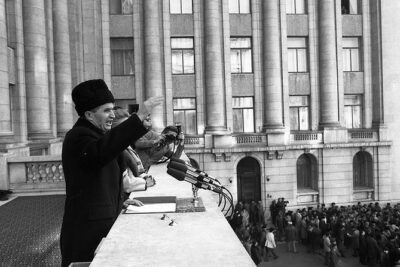
- Revolution Square first: you get the key location linked to Ceausescu’s last speech area
- House of People interior access: entrance is included only for the right venue, with fees not covered
- Primaverii Palace stop: you visit the former residence tied to the presidential couple
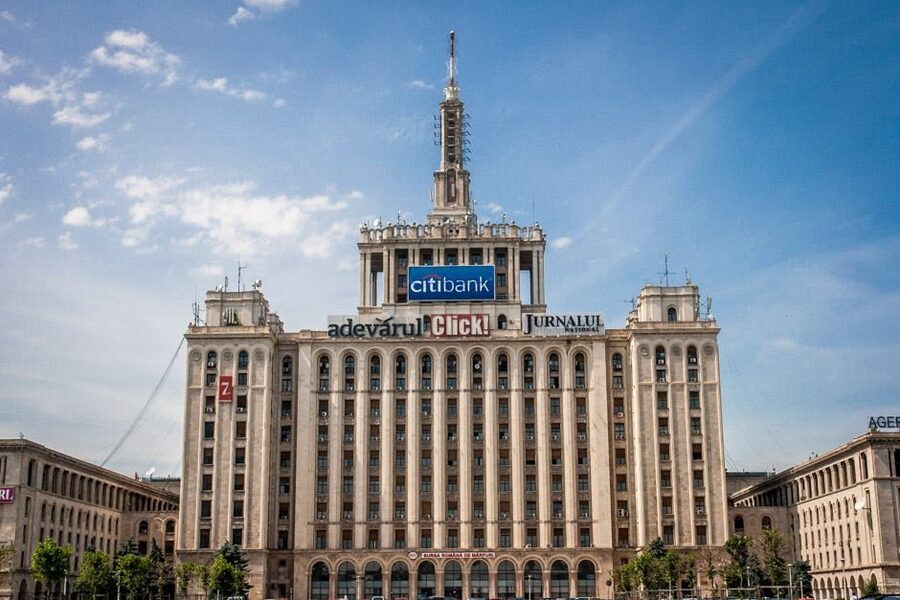
- Free Press Square and University Square context: you learn what these names signal in post-communist Bucharest
- Pickup and car or minibus: you see more in 5 hours than you would on your own with stairs and stops
The communist city, three more ways
- The Real tour of Communism★ 5.0 · 666 reviews
- Life under Communism★ 5.0 · 358 reviews
- 3-Hour Guided Tour of Communist Bucharest★ 4.9 · 303 reviews
- Bucharest Essential Tour: Old Town, Calea Victoriei & Communism★ 5.0 · 142 reviews
What the Last Days of Communism Tour Is Really About
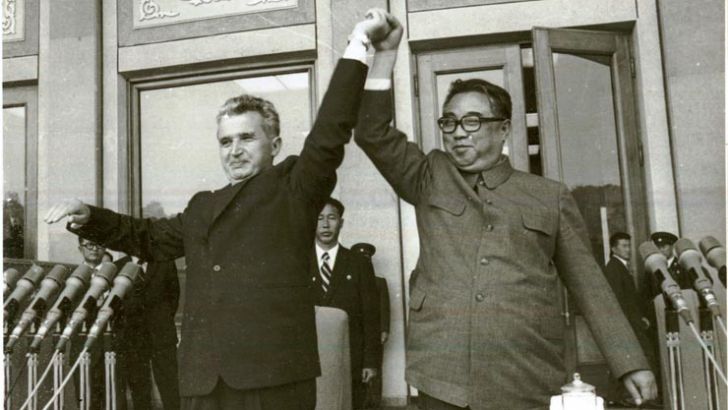
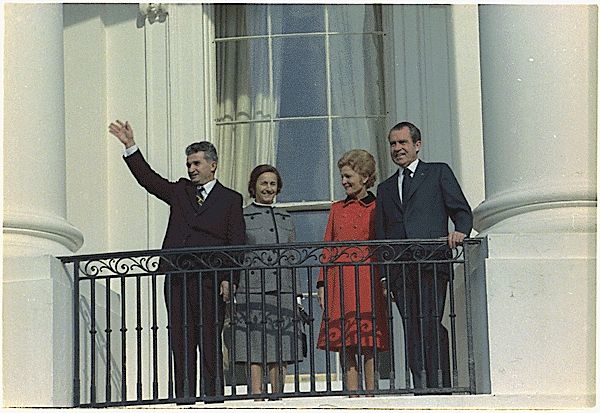
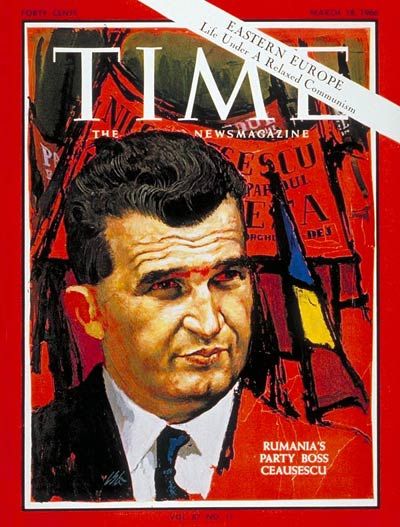
Romania stayed under communist rule for more than 40 years, starting in 1948 and ending in December 1989. Nicolae Ceausescu rose to top power in 1965 as General Secretary, then took the presidency in 1974. When the revolution turned violent during the winter of 1989, Ceausescu was removed and executed after the upheaval.
This tour takes that headline story and turns it into a walking, viewing, and listening experience across Bucharest downtown. You see how power was built, displayed, and then confronted. It is not only about monuments either. It also gives you a sense of how the city’s official wording changed over time, and how that affects what you notice on the street now.
I like that the tour balances the “big accomplishments” narrative with the awkward part: the controversy. You are not asked to memorise dates. You are asked to look at the spaces where the regime performed, and to understand why those spaces still stand.
Price and Logistics: How $69 Works in Your Favor
The price is $69 per person for a 5-hour experience, with hotel pickup included in Bucharest. For many first-timers, the value is not just the content, it is the time saved. Getting from stop to stop by car or minibus keeps you from spending your morning lost in traffic or waiting for the right bus.
There is a tradeoff to plan around. Entrance fees are not included for the Parliament Palace House of People and Primaverii Palace. That means your total cost will depend on what you pay at the door. Still, having entrances planned ahead matters, because these are not casual “peek inside” buildings.
One more practical detail that affects how smooth your day feels: the tour is designed around a 4-hour sightseeing flow, starting in the morning from your hotel and extending to about 5 hours overall. If you like a compact plan, this schedule fits well.
Revolution Square: The Start of the Story
Revolution Square is where the tour grabs your attention early, and for good reason. This is the location tied to the balcony where the dictator gave his last speech. You will stand in the real open space, not in a photo, and that changes how the story lands.
Here is what I find useful as a viewer: the square gives you scale. In communist regimes, control was not only political. It was spatial. Being in the same kind of civic space where mass messaging happened helps you understand why the revolution mattered so much, and why the site still carries emotional weight.
Expect your guide to connect this square to what came right after, and to the larger sense of urgency that filled the winter of 1989. Even if you know the broad timeline already, the on-the-ground explanation helps you see it as a sequence of choices, not a single dramatic moment.
The Parliament Palace House of People: Why Everyone Knows This Stop
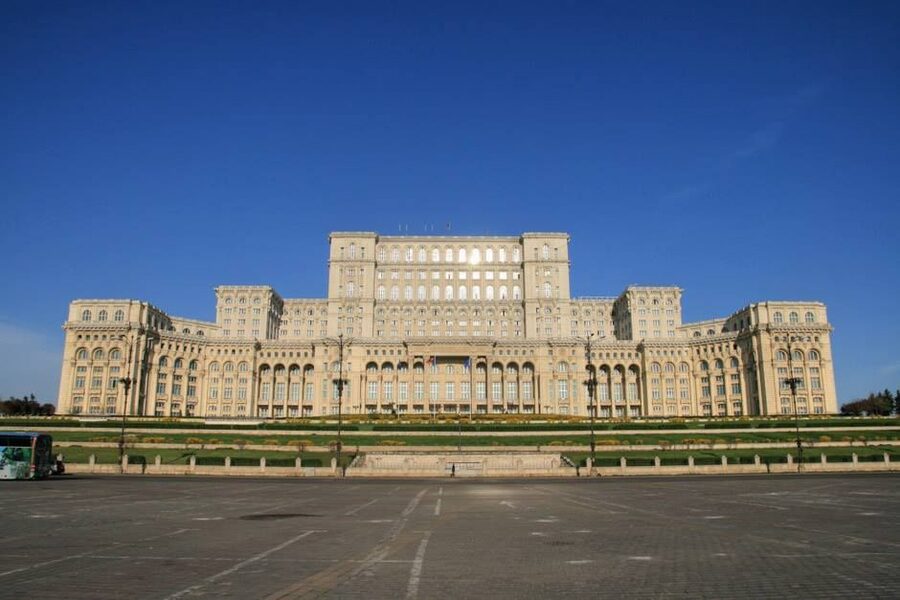
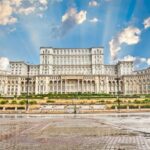
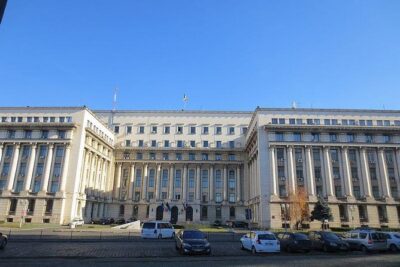
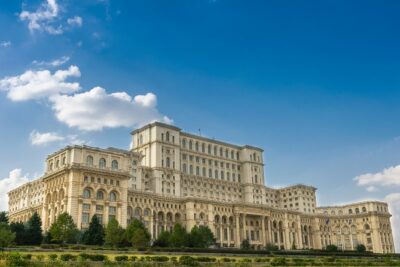
The Parliament Palace, often referred to as the House of People, is the centerpiece for many visitors to Bucharest. On this tour, you do not just pass by. You get entrance access, so you can see the building as more than a silhouette on the skyline.
For your brain, this matters because the building is massive in both size and symbolism. Communist power often tried to look permanent, built into stone and marble as if time could be controlled. The Parliament Palace is a prime example of that mentality, and it is one reason people still talk about it when they discuss the era’s “accomplishments” and the controversies at the same time.
You will likely also hear why the tour calls it out as part of the last-days story, not only the long-arc story. The regime created physical stage sets for authority. When the revolution broke, those stage sets became even more meaningful, because they revealed the gap between appearance and reality.
A practical consideration: weekend visits to the Parliament Palace are limited to groups of 10 or more. If you are traveling as a small group, the Parliament Palace visit on a weekend can be replaced with an alternative attraction or a guided walking tour of the Old Town. That is not a deal-breaker, but it is a reason to check your date if this palace is your top priority.
Elsewhere in Bucharest, and up the valley
Free Press Square and University Square: Names That Signal Change
Two stops in this tour are about what changed after communism, not just what was built during it.
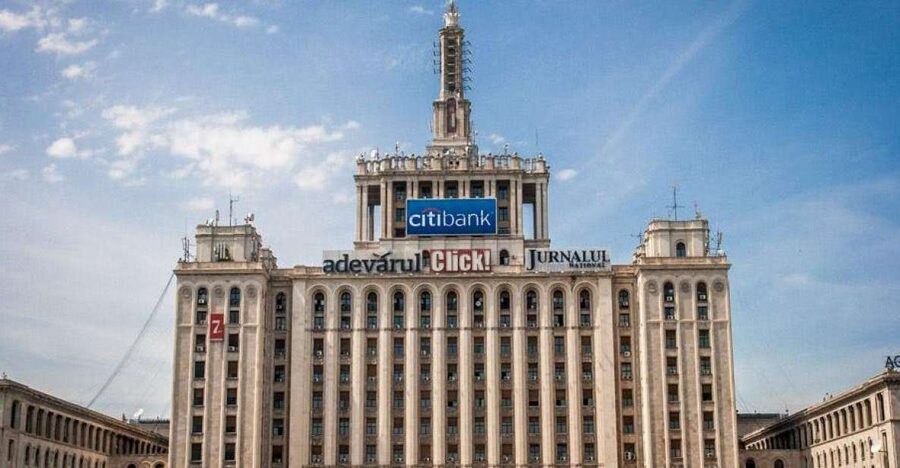
Free Press Square (Piata Presei Libere) is a strong example. The name itself reflects a different relationship between government and media than the communist era. When you visit, the point is not to treat it like a museum label. It is to notice how the city rewrites meaning through public space.
University Square (Piata Universitatii) also fits that theme. Universities often end up connected to political energy, and in the late 1980s era across Eastern Europe, student and intellectual life mattered. Even if your interests are strictly architectural or political, these squares help you connect the dots from formal power to the forces that challenged it.
One of the smartest things you get on this kind of route is orientation. You start to see Bucharest as a connected map of authority, institutions, and public gathering points. That makes your later self-guided walks more confident.
Passing the Arch of Triumph, Victoriei Square, and Calea Victoriei
This is a driving-and-passing segment, so you will not stand in every location for a long time. Still, it is useful because it shows you the broader urban framework that shaped daily life under the regime and still shapes the city today.
You will pass by:
- The Arch of Triumph (Arcul de Triumf)
- Victoriei Square (Piata Victoriei)
- Calea Victoriei, leading toward Revolution Square
- Union Square (Piata Unirii)
- Romana Square (Piata Romana)
- Charles de Gaulle Square (Piata Charles de Gaulle)
Why these matter to you, beyond being familiar place names? Because communist-era Bucharest was built around grand avenues, formal squares, and big sight lines. When your guide ties these passing views to the late-1989 story, you start to understand how the city was designed to produce a certain kind of public feeling.
In plain terms: if you are trying to picture how crowds moved and where attention was directed, the avenue and square layout is part of the explanation. You can later decide if you want to return to any single square for longer photos.
Charles de Gaulle Square, Romana, and the Union Square Feel
When the tour reaches Union Square (Piata Unirii) and nearby areas like Romana Square, it helps to think of these as connective tissue in the city. Even without long stops here, you will likely get guidance on what the squares represent and how they sit in the larger downtown plan.
Romana Square is another anchor point that gives you a sense of where the city’s movement funnels. Charles de Gaulle Square, similarly, is a major civic node. You are not meant to master the grid in one morning, but you are meant to understand which directions matter.
If you are visiting Bucharest for the first time, these pass-bys reduce the mental friction of later exploration. After the tour, you will usually know which way you are walking without checking your phone every five steps.
Primaverii Palace: The Presidential Couple Former Home
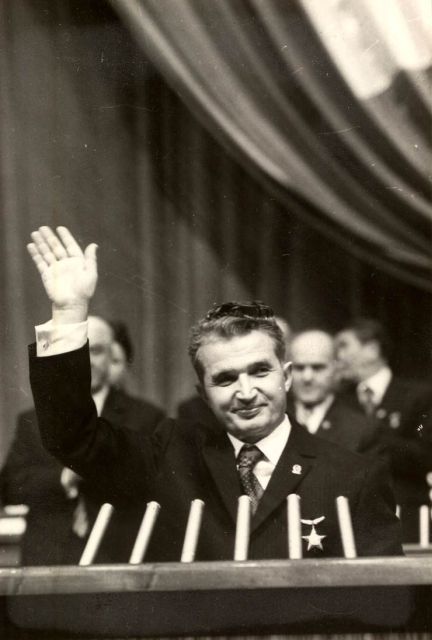
Primaverii Palace is one of the most compelling stops on this tour because it shifts the focus from public spectacle to private residence. This palace was the former residence of the presidential couple, and the contrast is the point.
You are not touring it only to admire the building. You are using it to understand the regime’s priorities. When leaders live in highly protected, highly staged spaces, it changes the whole story of how power worked. The guide’s explanation turns the palace from a pretty exterior into a clue about hierarchy, comfort, and distance.
If you care about the human side of the communist era, this stop gives you a different angle. Instead of only thinking about rallies and squares, you start thinking about the daily reality of top officials, and what that says about the relationship between the rulers and everyone else.
Just remember the practical caveat: visits are sometimes not guaranteed because institutions can close for meetings and conferences. If Primaverii Palace is blocked on your day, your guide will handle alternatives based on what is available.
Entering the Main Stops: What to Bring and What You Will Notice
This is the kind of tour where your preparation directly affects the day. Bring your original passport or ID card. You will want it on hand because entry to institutions may require ID matching. Pets are not allowed, so plan for that if you are traveling with animals.
What should you notice during the visit portions? Look for contrast. In communist-era Bucharest, you often see official grandeur next to moments that feel more ordinary or more human in scale. The best guides point out those contrasts instead of only describing facts.
On this tour, the guiding style tends to be hands-on and responsive. If you are the kind of person who wants extra context, you are likely to get it. In the past, guides associated with this experience have been praised for being passionate and for going above and beyond to match what people want to see and learn.
If you want a small tip that helps your own experience: decide before you go whether you want more emphasis on the revolution timeline or on how the buildings worked as propaganda. Then let your guide know. You will get more value because the explanations can fit your curiosity.
English-Speaking Guide, Hotel Pickup, and the Pace You Can Actually Handle
This tour is guided in English and includes transport by car or minibus with hotel pickup. That means less hassle and fewer logistical questions for you, especially if you are staying outside the densest downtown area.
The pace is also designed for a middle ground. You are not doing an all-day march. You get a concentrated route with multiple major stops and some pass-by views. That balance works well if you want context without turning your whole vacation into an endurance test.
Also, hotel pickup is one less thing to worry about. If you have limited time in Bucharest, you will appreciate starting from your own front door.
Who This Tour Suits Best
This is a great fit if:
- You want a clear story of Romania’s communist era, especially the final winter of 1989
- You like seeing architecture with meaning attached, not just as photo backdrops
- You are short on time and want a structured “greatest hits” of downtown Bucharest
- You want help connecting squares and buildings into one narrative
It may not be your best choice if you want a super loose wandering day with lots of free time per stop. This tour runs on a planned sequence. You will get a lot of value from the guide, so if you prefer totally independent travel, you might instead piece together sights on your own with slower pacing.
Should You Book the Last Days of Communism Tour?
If you are visiting Bucharest for the first time and you want the communism story in a way that sticks, I think you should book this. The big wins are the mix of key locations, especially Revolution Square, entrance time at the Parliament Palace House of People, and the Primaverii Palace visit that personalizes the power structure.
If your top concern is guaranteed access to specific interiors, keep one factor in mind: palace visits are not always guaranteed, and weekend access at the Parliament Palace can require larger group size. If you travel on a date where closures are more likely or if your schedule is tight, you might want to confirm flexibility before you commit.
For most people, the $69 price plus hotel pickup and a live English-speaking guide is a practical deal, as long as you budget for the entrance fees that are not included. This tour is the kind that makes Bucharest feel understandable, not just seen.
More Tour Reviews in Bucharest
More Bucharest Tours in Bucharest
The Communist City, Continued


Just added from Bucharest


Bucharest Communism Tours, compared.
 ★ 5.0The Real tour of CommunismFrom $32666 reviews
 ★ 5.0Life under CommunismFrom $42358 reviews
 ★ 4.93-Hour Guided Tour of Communist BucharestFrom $29303 reviews
 ★ 5.0Bucharest Essential Tour: Old Town, Calea Victoriei & CommunismFrom $24142 reviews
 ★ 5.0Communism in Bucharest – Landmarks, Museum & Communist AppetizersFrom $48111 reviews
 ★ 4.9Relics of Communism 3-Hour Walking TourFrom $4477 reviews
 ★ 5.0Bucharest Under Communism: Life, Terror & HopeFrom $2376 reviews
 ★ 4.6Entry ticket at the Museum of CommunismFrom $957 reviews
Browse the lists this tour appears in