
REVIEW · BUCHAREST COMMUNISM TOURS
Bucharest: Private Last Days of Ceausescu Tour in a Dacia
Bucharest turns into a thriller in a restored Dacia. This private car tour follows Nicolae and Elena Ceausescu through the landmarks tied to the final hours of December 1989, with storytelling that keeps the timeline moving. I also love how Revolution Square frames the whole story, because you feel how the regime began and how it ended in the same public space.
What you’ll enjoy most is pairing the street-level stops with a guided visit to Palatul Primăverii, Ceausescu’s private presidential residence. One consideration: the building connected to the execution is not accessible inside because of renovation, so expect an exterior-focused stop for that part.
Key things that make this Dacia tour different
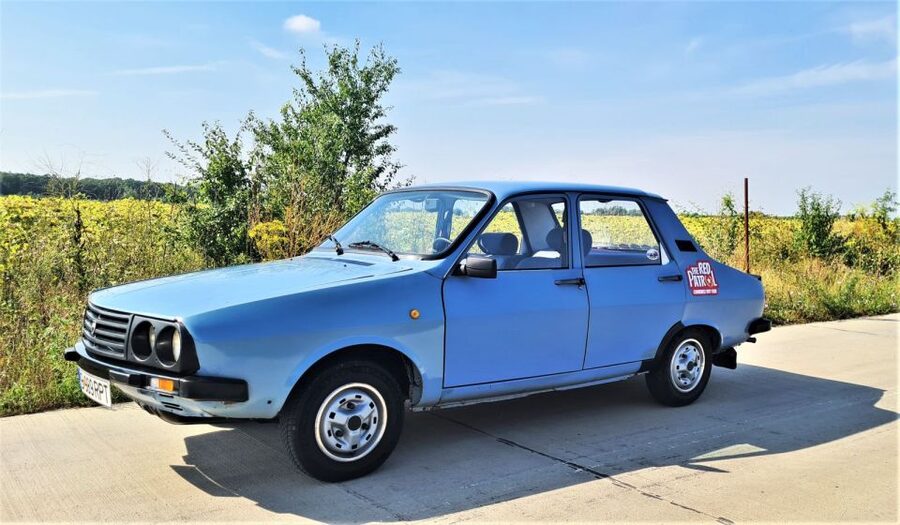
- A private, classic-car ride in a restored Dacia through Bucharest, not a bus shuffle
- Revolution Square as the storyline anchor, the start and the end of the communist arc
- A clear route shaped by the helicopter escape and the run toward Târgoviște
- Short, purposeful stops where you pause for photos and quick guided context
- Primăverii Palace Museum tickets are included, so you do real inside visiting
- Guides led in English, with Serban called out for friendly, professional explanations
The communist city, three more ways
- The Real tour of Communism★ 5.0 · 666 reviews
- Life under Communism★ 5.0 · 358 reviews
- 3-Hour Guided Tour of Communist Bucharest★ 4.9 · 303 reviews
- Bucharest Essential Tour: Old Town, Calea Victoriei & Communism★ 5.0 · 142 reviews
A restored Dacia, and why it matters more than you think
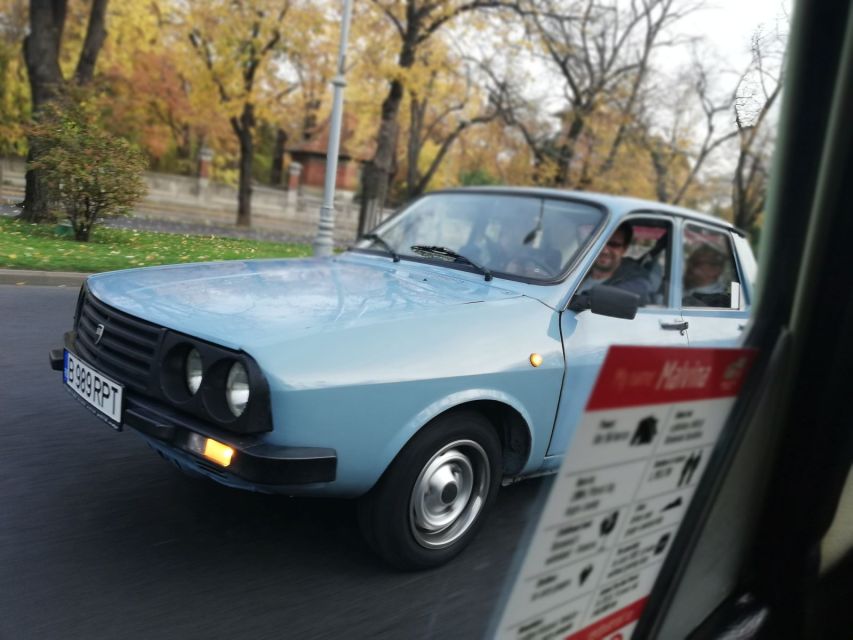
This isn’t just a sightseeing loop. The tour is built around an authentic feeling: a fully restored Dacia takes you along Bucharest streets while your guide stitches together what happened on December 22 and the aftermath leading to December 25. The car is part prop, part time machine, and part conversation starter.
The pace is private and flexible in the best way. You can hop on and hop off at the main stops, which keeps the ride from feeling like a long, slow queue. And you’re not stuck watching everything from behind glass, you step out when the story needs you to be close.
For comfort, I’d expect less drama than you might fear. The car is classic, but the tour is structured with breaks, and the drive is handled by a driver with a route plan. Reviews also highlight that the Dacia ride is surprisingly comfortable.
Revolution Square, Bucharest’s loud opening scene
Your day starts at Revolution Square, a place that carries emotional weight because it is tied to both the beginning and the end of communist rule in Romania. You get a photo stop plus a guided walk, and the time budget is long enough for context, not just quick snapshots.
This stop matters because it sets the tone for everything after. You’re not just learning dates. You’re seeing the kind of public space where crowds gather and power collapses. The guide’s job here is to help you connect the geography to the political story, so later stops feel like chapters, not random dots on a map.
If you like architecture and street scale, pay attention to how the square is laid out. Even if you do not love political history, the physical layout helps the narrative make sense.
The helicopter escape story, told as a route you can follow
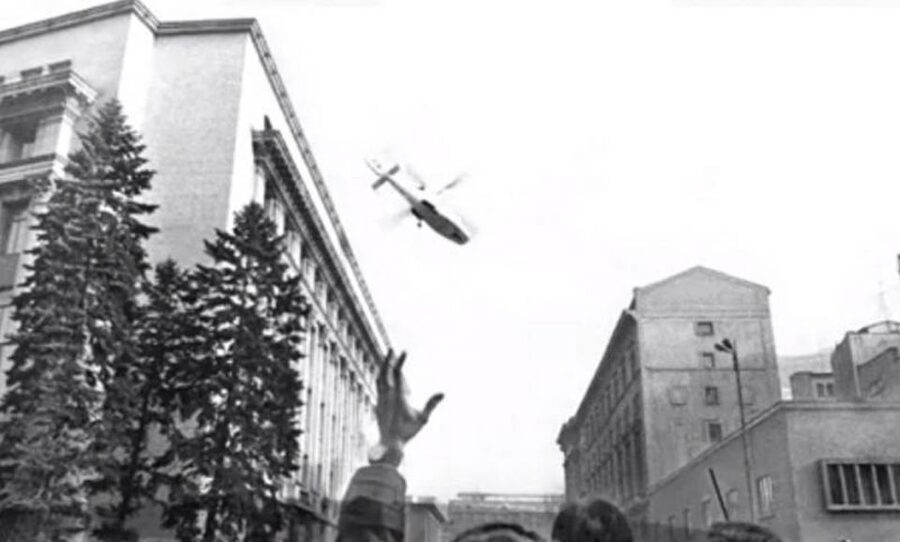
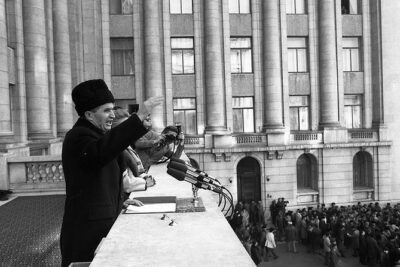
The core of the tour is the last-day timeline. On December 22, 1989 at 12:07, Nicolae and Elena Ceausescu flee by helicopter from the roof of the Communist Party Headquarters Palace. Your route then tracks the next phase, including the idea that Nicolae tries to regroup and regain control by heading toward Pitesti and then toward the working-class and army support he hoped to reach.
The story you’ll follow on the ground is not vague. You’re routed toward the areas tied to the escape and the later capture near Târgoviște. That is why the tour includes time for stops where the guide can translate the political chaos into a sequence you can physically trace.
One detail I appreciate here is the balance between action and motive. The narrative isn’t only about who ran where. It also focuses on what he lost in one day, after nearly 24 years in supreme power, and what that panic looked like on the ground.
The secret stops: quick pauses that keep the timeline tight
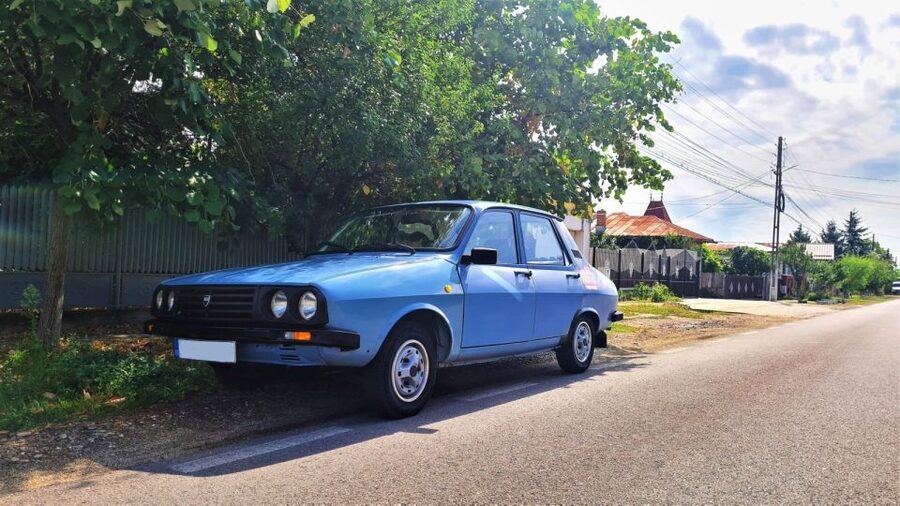
Between the big anchor moments, you’ll make a couple of shorter stops that are described as secret stops. Don’t worry, you’re not left in the dark, because you still get guided commentary during those short windows.
These are the kinds of moments that work well in private format. A group tour might rush them. Here, the guide can tailor the pacing to your questions without breaking the overall flow.
If you’re the type who hates feeling like every minute is a photo sprint, this section is a nice middle ground. It gives you time to re-focus, stretch your legs, and reset mentally before the next major stop.
Elsewhere in Bucharest, and up the valley
Ceausescu Last Hours Museum: where the story gets concrete
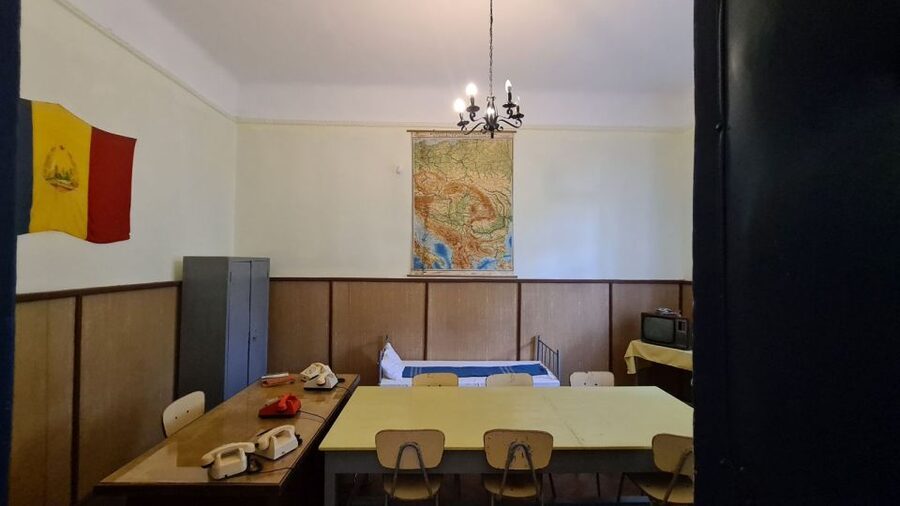
One of the more structured stops is the Ceausescu Last Hours Museum. You’re given a guided visit time window, so you can move beyond the street scenes and get a more focused presentation of the final hours.
I like museum moments on tours like this because it prevents the day from becoming only a drive and walk. A museum stop gives you a place to absorb key details without fighting street traffic, crowds, or the constant pressure to keep moving.
The practical win is also simple: it gives your brain a pause. After a few narrative-heavy stops, that can make the rest of the day easier to remember.
House of Ceaușescu and the value of seeing the scale of power
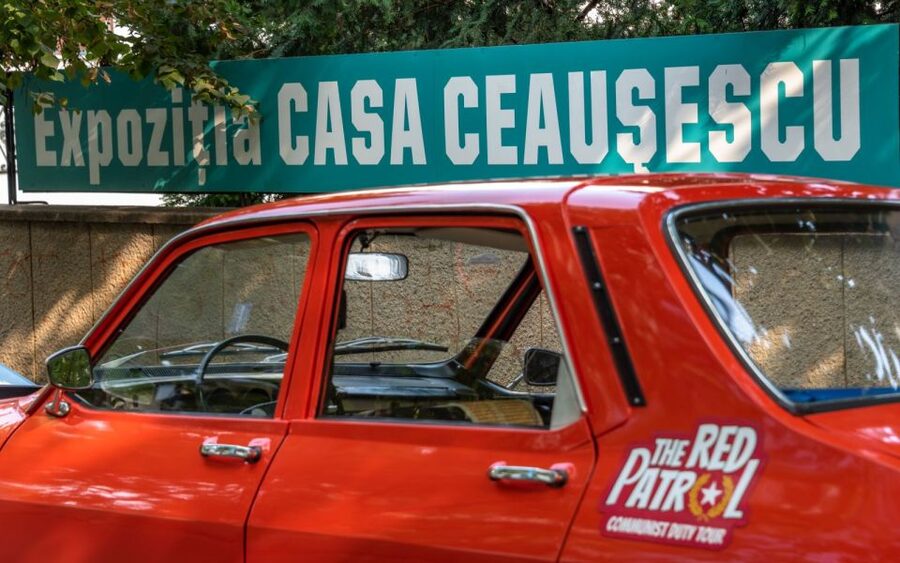
Next comes a longer visit and guided time at the House of Ceaușescu, paired with photo opportunities. This is the part of the route where you start thinking about what his power looked like day-to-day, not just the dramatic ending.
A good guide here helps you connect the dots: why people feared the regime, why public spaces mattered, and how the physical reality of places connects to political behavior. You’ll likely walk away with a stronger sense of scale, because these are spaces designed for control, not openness.
This stop is also where comfort and pacing matter. You have enough time to see what you came for, without it turning into a rush-through.
The stops tied to arrest, detention, and the December 25 finale
You’ll spend time following the places where Nicolae Ceausescu tried to organize support after the helicopter escape, but the plan collapsed fast. Stops include a steel factory area and a militia station, described as places where he attempted to gather backing and was then arrested.
These are powerful stops because they show the real friction points. Power isn’t just held at palaces and headquarters, it is also held through institutions, workplaces, and those who enforce orders. When those fail, the story accelerates.
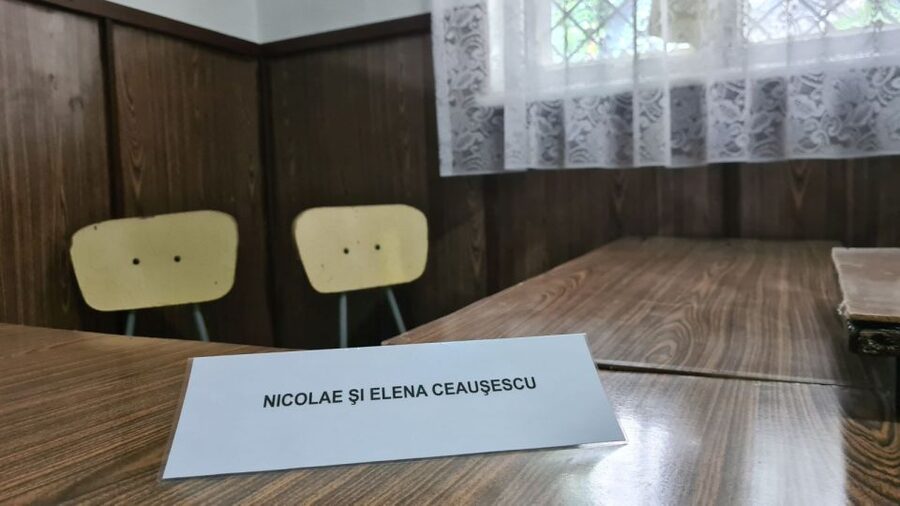
Then comes the area connected to where Nicolae and Elena Ceausescu were detained, judged, and executed in December 1989. You’ll visit the building connected to that moment, but interior access is not available due to renovation. That is a key detail to plan around.
My practical advice: treat this as an exterior historical stop with strong guided context. If you’re expecting an interior walk-through, you might feel slightly shorted. If you go in expecting the stop to be about location and explanation, you’ll get what you need.
Palace Primăverii: Ceausescu’s private world, closed to the public
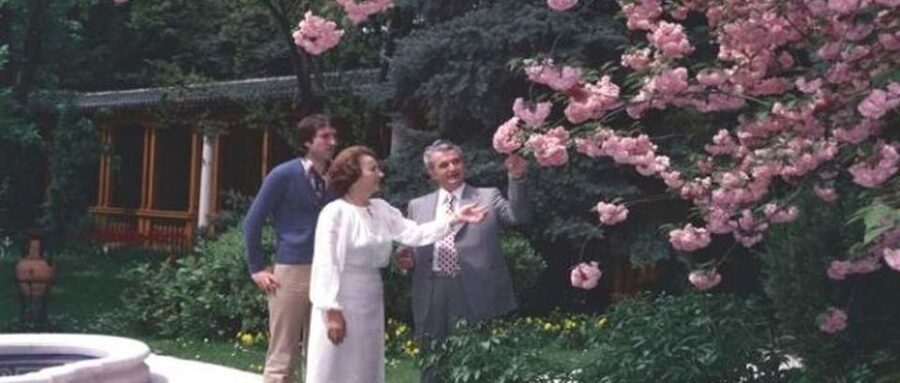
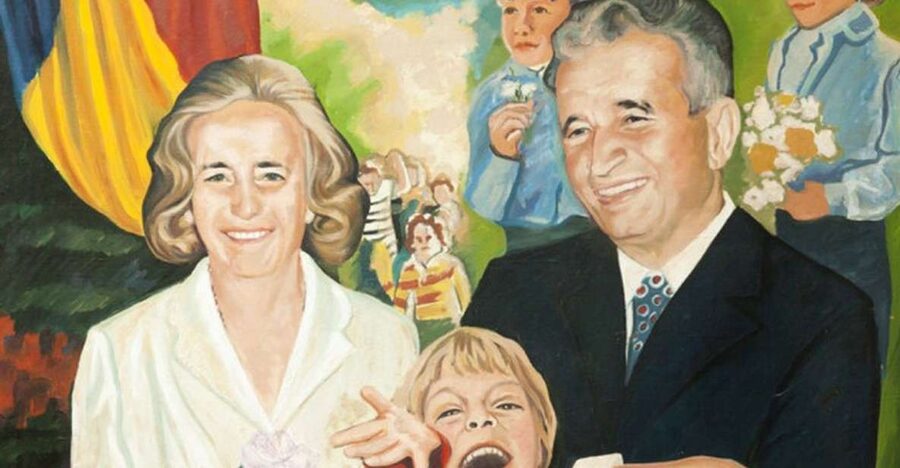
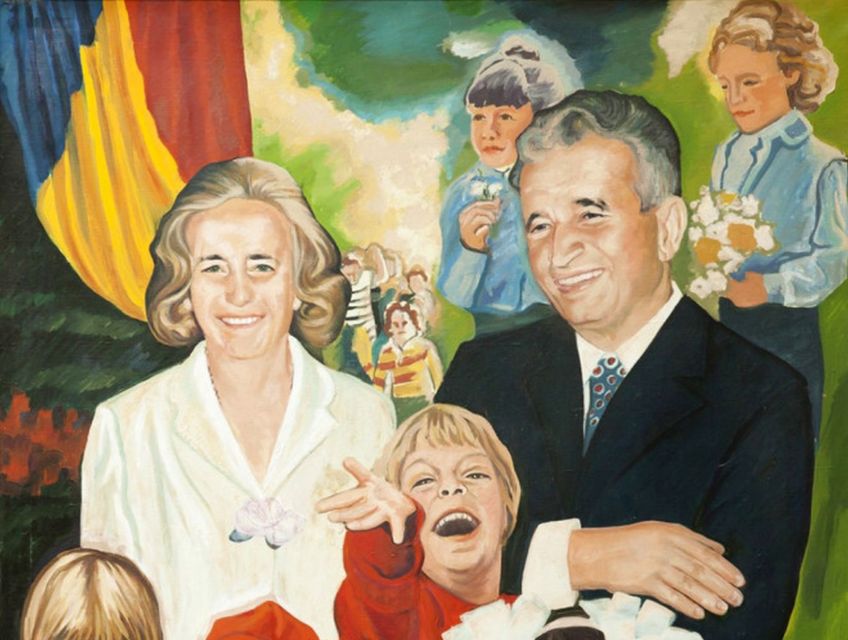
The day finishes with a guided visit to Palatul Primăverii, the presidential palace Ceausescu lived in with his wife Elena from 1965 to 1989. Entrance tickets are included, so you’re not stuck figuring out entry lines or paying separately.
This palace visit adds an important counterweight to the street-level chase story. You get to see how private power looked from the inside, and how comfort and control sat side by side with the political reality outside.
I also like that the guide’s commentary likely helps you interpret what you see. Palace rooms can feel like pretty rooms if you don’t have context. With the tour’s narrative framing, the visit becomes part of the same timeline, not a separate attraction.
Price and logistics: is $223 worth a half day?
At $223 per person for a 6-hour private experience, the value depends on what you want. If you’re happy to wander on your own, you can spend less in Bucharest. But you won’t get the same structured timeline or the same access to guided explanation built around these specific sites.
Here’s what you are paying for, in plain terms:
- A private guide in English and a driver
- Transportation in a classic car, listed as 180 km for the day
- Hotel pickup and drop-off within Bucharest
- Entrance at Palatul Primăverii included
- Extras like water in the car, a tour newspaper, and a personalized tour gift
The distance plan also makes sense. The route is described as covering about 90 km toward Târgoviște and back to Bucharest, which fits the storyline geography. That helps justify the car time, since you’re not just doing short hops around the center.
Finally, the private format matters for emotional topics like this. You can ask follow-up questions, and the guide can keep the focus on what you find most relevant.
Comfort, who it suits, and who should skip it
This tour is private, but it is not casual in the sense of physical effort. It’s not a long hiking day, yet you are out on streets and doing museum and palace walking.
It is not suitable for children under 10 years. It also isn’t recommended for pregnant women, people with back problems, heart problems, or those over 70 years. If any of those apply, choose a different format.
On the practical comfort side, you’ll want to dress for walking and for time spent outdoors between stops. Bring your ID or passport.
One more practical note: the day includes time for toilet and lunch breaks, and water is offered in the car. That makes the half-day more realistic, especially if you like to keep moving without worrying about basic needs.
Food, photos, and how to get the most out of your time
This is a tour where good photo moments are planned. You’ll have photo stops at major points, plus time during guided stops when you can step aside for pictures.
My tip: don’t treat photos as a separate task. Use them as cues for questions. If you snap a picture at Revolution Square or one of the roadside stops, ask your guide what specific detail to notice. That turns a quick picture into a memory you actually understand.
Also, because it’s a private group, you can often set a slightly different rhythm than you’d have in a larger group. If you want a slower explanation at one stop, you can likely ask for it without derailing the rest of the day.
So, should you book the Dacia Ceausescu last-days tour?
Book it if you want a guided route that connects streets, buildings, and motives into a single clear narrative. I’d especially recommend it if you like history that feels lived-in, not just dates and plaques, and if you enjoy the idea of seeing Bucharest through a moving, story-driven lens.
Skip it if you want a relaxed, light, casual day with minimal political content. This is about real events tied to fear, power collapse, detention, and execution. It can be heavy. It is also scheduled around stops where not everything will be accessible inside due to renovation at the execution-related building.
If your goal is to get your bearings fast in Bucharest while understanding the country’s communist ending through one of its most dramatic final-day narratives, this is a strong choice.
FAQ
How long is the private Dacia tour?
The tour lasts 6 hours.
Where does the tour start and how do I get picked up?
It includes hotel pickup and drop-off from Bucharest, and the meeting point is in Bucharest. Be ready 10 minutes before pickup.
Is the tour private or shared?
It is a private group tour.
What language is the live guide?
The live tour guide speaks English.
What sites do you visit during the tour?
You start at Revolution Square, visit key Ceausescu-related stops, include the Ceausescu Last Hours Museum, the House of Ceaușescu, and a guided visit to Palatul Primăverii.
Are tickets included for the Palatul Primăverii visit?
Yes, entrance to the Primăverii Palace Museum is included.
What transportation do you use?
You travel in a classic Dacia car. For larger groups, there can be a convoy of 2 or 3 cars, with 3 people per car if more than 2 persons.
What do I need to bring?
Bring your passport or ID card.
Is the building connected to the execution accessible inside?
No. The building where Ceausescu was executed is not accessible on the interior due to renovation.
Who should not book this tour?
It is not suitable for children under 10, pregnant women, people with back problems, people with heart problems, and people over 70 years. Pets and baby strollers are also not allowed.
More Tour Reviews in Bucharest
More Bucharest Tours in Bucharest
The Communist City, Continued


Just added from Bucharest


Bucharest Communism Tours, compared.
 ★ 5.0The Real tour of CommunismFrom $32666 reviews
 ★ 5.0Life under CommunismFrom $42358 reviews
 ★ 4.93-Hour Guided Tour of Communist BucharestFrom $29303 reviews
 ★ 5.0Bucharest Essential Tour: Old Town, Calea Victoriei & CommunismFrom $24142 reviews
 ★ 5.0Communism in Bucharest – Landmarks, Museum & Communist AppetizersFrom $48111 reviews
 ★ 4.9Relics of Communism 3-Hour Walking TourFrom $4477 reviews
 ★ 5.0Bucharest Under Communism: Life, Terror & HopeFrom $2376 reviews
 ★ 4.6Entry ticket at the Museum of CommunismFrom $957 reviews
Browse the lists this tour appears in