
REVIEW · BUCHAREST COMMUNISM TOURS
Bucharest: Communist Tour including Ceausescu Residence
Bucharest under communism, in one focused loop. This 7-hour tour uses modern car or minibus pickup from your hotel to connect Palace of the Parliament with the residential Spring Palace, plus communist-era metro stops and a working-class neighborhood that reveals how the system shaped daily life.
The one drawback to plan for is time. Access to the Palace of the Parliament can involve long waits, with at least one group reporting over an hour even with a scheduled visit, so patience helps.
Key highlights worth booking for
- Hotel pickup plus easy transport in a modern car, minibus, or coach keeps you out of transit hassles for most of the day
- Communist-era metro stations show how everyday movement in Bucharest was designed under the regime
- A working-class neighborhood tour helps you understand daily life, not just the famous monuments
- Palace of the Parliament story and scale tied to Project Bucharest, completed in 1997
- Spring Palace viewing window is only Wednesday through Sunday, 10:00 AM to 6:00 PM
- English guidance that sticks includes clear, history-focused guiding (Claudia, Marcel, and George were praised in past visits)
The communist city, three more ways
- The Real tour of Communism★ 5.0 · 666 reviews
- Life under Communism★ 5.0 · 358 reviews
- 3-Hour Guided Tour of Communist Bucharest★ 4.9 · 303 reviews
- Bucharest Essential Tour: Old Town, Calea Victoriei & Communism★ 5.0 · 142 reviews
The 7-hour communist loop, start to finish
This is a straightforward half-day tour that moves you through Bucharest’s communist-era design with minimal backtracking. You start with pick-up from your hotel reception, then you roll out by car or minibus (or coach depending on the group setup). It’s built for comfort and time efficiency, which matters here because the day includes multiple sites that are spread out.
The structure is also clever: you start with everyday infrastructure, then you shift into planned neighborhoods, and only then you hit the big symbol of the regime. That order helps your brain “attach meaning” to what you’re seeing, instead of treating buildings like museum props.
Since it’s a private group format, you should expect a smoother pace than a chaotic open-ended city walk. Reviews also suggest group size can still be fairly large in some departures, so if you want more personal Q and A time, ask the guide how they’ll manage questions during stops.
Metro stations that show how Bucharest was engineered
The tour kicks off with a couple of metro stations built during the communist period. Even if you’ve never studied Romanian transit history, the metro stops are a fast way to understand the regime’s practical side. These stations weren’t just about moving people; they were about projecting order, permanence, and a particular idea of public life.
In past departures, people have also been taken to see parts of the older subway network tied to the Ceausescu era. The point is not to become a transit nerd for the day. It’s to connect the city’s physical layout to the political priorities of the time.
What you’ll get out of the metro stops:
- a clear sense of how everyday commuting looked and felt under the regime
- photo opportunities where architecture does the storytelling
- a break from monuments before you move into heavier political symbolism
Practical note: comfortable shoes matter. Metro areas can involve stairs and uneven indoor surfaces depending on the station.
The working-class neighborhood, where daily life takes center stage
After the metro stops, you head to a neighborhood built by Romania’s dictator especially for the working class. This is one of the most important parts of the day because it shifts the focus from leaders and palaces to ordinary lives.
You’re looking at the outcomes of policy decisions: where people lived, how planned spaces shaped routines, and how the regime tried to organize society. The tour doesn’t just throw names at you. It frames the places so you can picture day-to-day life rather than only the grand power moves.
This is also a good moment to pay attention to contrasts:
- big political buildings come later
- street-level details come first
- you learn to read the city like a system, not a postcard
In some routes, visitors have been shown additional city context on the way (things like areas near Revolution Square or other city landmarks). Don’t count on any one extra stop, but do expect the guide to connect the dots as you move through town.
Palace of the Parliament: scale, politics, and a bit of waiting
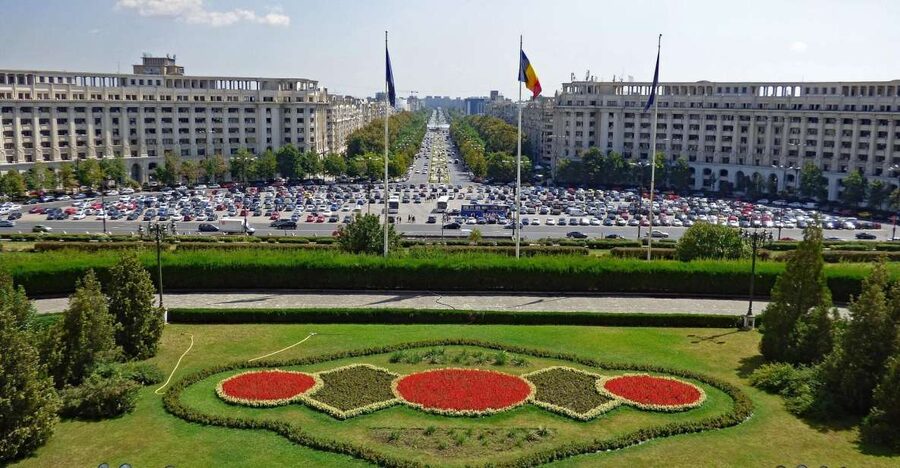
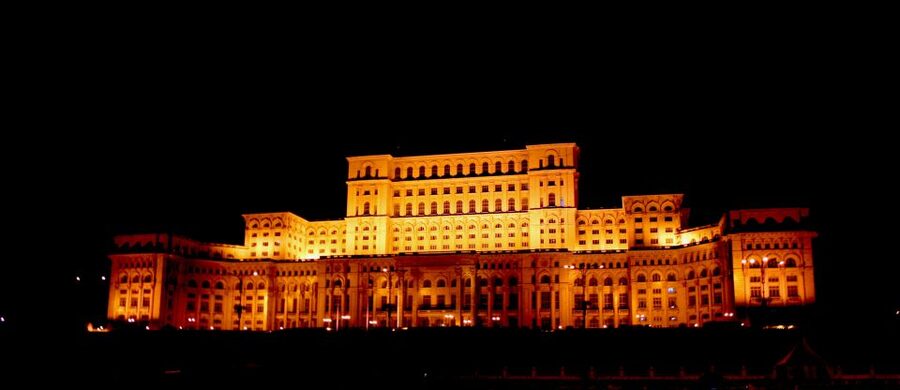
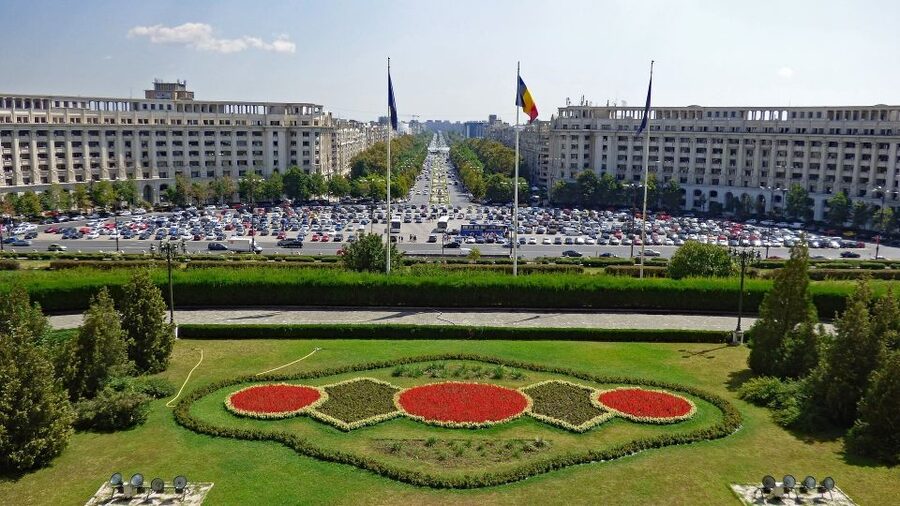
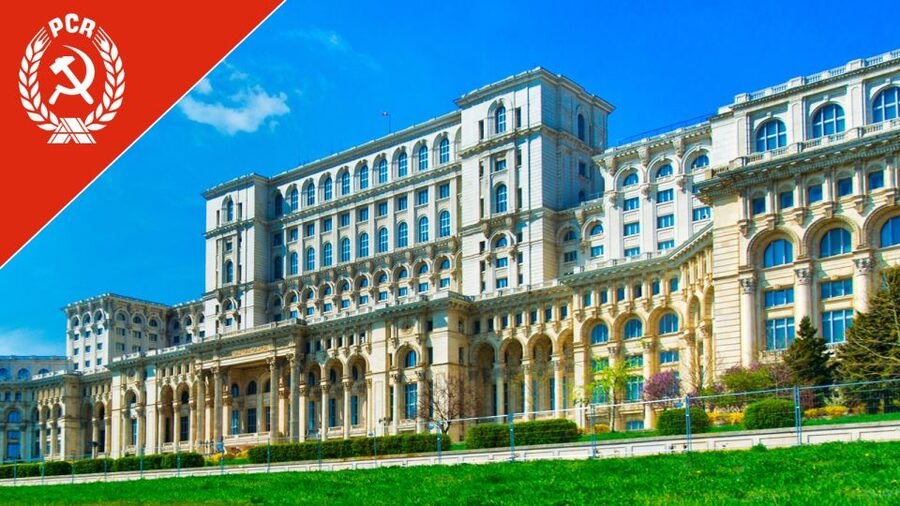
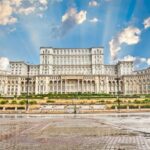
Then comes the headline: the Palace of the Parliament. You’ll visit it during the tour, and you’ll hear how the building fits into Ceausescu’s larger plan to rebuild Bucharest, often called Project Bucharest. The palace was completed in 1997, and its modern completion date helps underline a key idea: the regime’s ambitions were not stuck in old-world style, they were pushing toward a future-shaped capital.
The building itself is a masterclass in scale. Even if you’ve seen photos before, being inside (or even just around it) can change how you interpret it. This isn’t only a landmark. It’s a political statement made of stone and time.
Two practical things to keep in mind:
- Entrance fees are included, but photography fees are excluded. If you want to take lots of photos, plan on paying that extra cost inside.
- Time can be tight. One verified experience highlighted an over-an-hour wait at Palatul Poporului despite a fixed time slot. That doesn’t mean it always happens, but it’s common enough to treat it as a real possibility.
If you’re traveling with a group, the waiting can feel even longer. The best way to handle it is to keep your priorities simple: don’t rush your first impressions, and use the guide’s explanation to make sense of what you see before you start checking off photo angles.
Elsewhere in Bucharest, and up the valley
Spring Palace (Palatul Primaverii), the Ceausescu residence
Your final stop is the residential Ceausescu Palace, called the Spring Palace (Palatul Primaverii). This is the private-life counterpart to the huge public power theater of the Parliament. The contrast is the point.
Where the Parliament communicates state power in colossal form, the Spring Palace gives you a sense of how personal life and political authority were intertwined. Past visits have emphasized that the Ceausescu couple lived here, so you’re not only touring rooms. You’re witnessing the idea of comfort and control at the same address.
Timing is crucial. The Spring Palace can be visited Wednesday through Sunday from 10:00 AM to 6:00 PM. If your trip falls outside those days, the tour planning will need to align, or you may end up with less flexibility than you want.
Also note: entrance fees for the Ceausescu house are included in the tour price. That’s one less thing to worry about on the ground.
If you’re the type of traveler who likes context, this is a great time to ask your guide how the palace fits into the broader story you heard earlier, especially the working-class neighborhood portion of the day.
How good guides change the whole experience
This tour lives or dies by the guide. The structure is set, but the meaning comes from how someone explains it. In highly rated experiences, Claudia was praised for history knowledge and especially clear English. Other strong reviews mention Marcel delivering an enjoyable, well-taught day, and George being very nice and helpful.
You also get flexibility on languages. The tour runs with an English-speaking guide, and Spanish, French, and German guides are available on request.
What I’d do if you want the most out of it:
- Ask for one clear framing idea early, like what changed from earlier communist years to Ceausescu’s later rule
- Ask how to interpret the buildings in terms of everyday life, not only political propaganda
- During the metro stops, ask what details to notice, like layout choices, materials, and what the station experience might have felt like
A great guide doesn’t drown you in dates. They help you notice. That’s what turns a list of stops into a story you can remember.
Price and value: what $256 really buys you
At $256 per person for a 7-hour tour, you’re paying for three main things: transport, guide service, and key entrances. Entrance fees are included for the Palace of the Parliament (with the note that photography fees are excluded) and for the Ceausescu house. Lunch is not included.
So the value question becomes simple:
- If you’d otherwise spend time figuring out how to get between sites, this tour reduces that stress.
- If you care about context, you’re buying interpretation, not only access.
- If you don’t plan to eat nearby and you need lunch, you’ll want to budget extra.
Because it’s a private group format, it can also make sense even if you’re traveling with friends or family who want a more controlled pace. One review praised the tour for a larger group, with 26 people on the departure, which suggests the operator can handle crowds without turning it into a shouting match.
If you hate timed entry or dislike waiting, treat the Parliament visit as your biggest variable. The rest of the itinerary tends to be straightforward and mobile, thanks to the included transport.
Timing, tickets, and practical tips that save hassle
A few details are worth planning around so the day runs smoothly.
Reserve at least 48 hours in advance. That helps you secure your place and aligns with entry timing at major sites.
If you ever book a departure that’s not purely private in the operator’s setup, shared trips can run late. The guidance says delays up to 30 minutes can happen for shared departures. Even when you don’t expect delays, building a little cushion into your schedule helps.
Bring:
- your passport or ID card
- comfortable shoes
Not allowed:
- pets
Accessibility: this tour is not suitable for people with mobility impairments and wheelchair users. If mobility is a concern, look for an alternative itinerary that can accommodate more flexible pacing and step-free routes.
Also, this is one of those tours where the best photos often come from looking first, then shooting. At the Parliament, you may pay for photography separately, so you’ll want to decide quickly what matters most to you.
Who should book this Bucharest communist tour
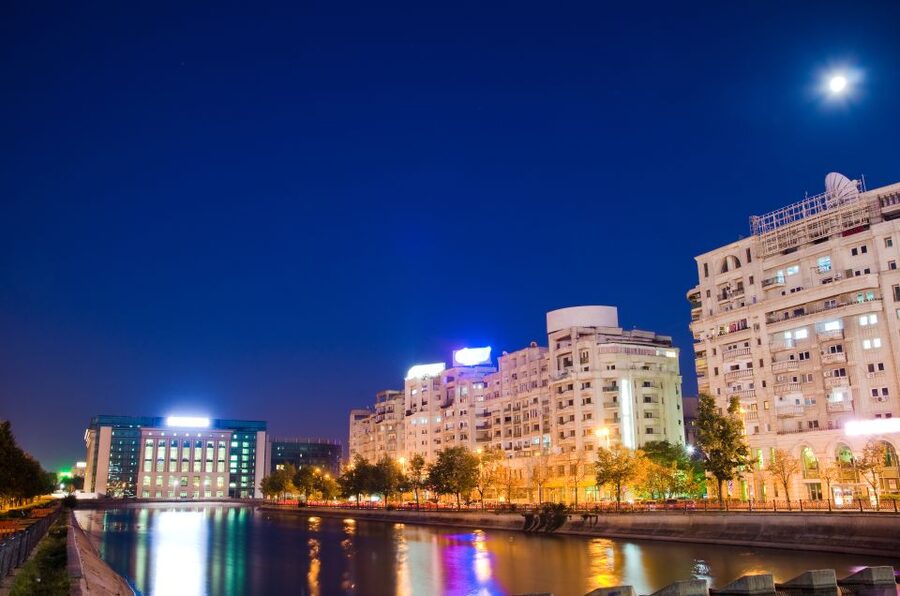
Book it if you want a focused, guided way to understand Bucharest under communism. The metro stops and working-class neighborhood give you the everyday layer, then the palaces bring the political symbolism.
It’s especially good for:
- history-minded travelers who like context tied to real places
- people who want efficient sightseeing without piecing together transportation
- visitors who want to see both public power (Parliament) and personal privilege (Spring Palace)
Skip it or think twice if:
- you’re extremely time-sensitive and don’t handle waits well, since the Parliament can involve long queues
- you need wheelchair-accessible routes, because this tour is not suitable for that
- you expect lunch to be included, since you’ll need to plan food separately
Should you book this tour, or choose another approach?
If your goal is a single afternoon that connects communist architecture, everyday life, and the Ceausescu story, this is a solid pick. You’re getting modern transport, an English-speaking guide, entrance to the Parliament and the Spring Palace, and enough stops to understand the system rather than just admire buildings.
My “yes, book it” rule is simple: if you can handle the possibility of queue time at the Palace of the Parliament, the rest of the day is structured to teach you something. The overall rating is high at 4.8 out of 5 across 11 reviews, and the most praised element is the quality of guidance, including clear English.
One more thing to check before you go: the tour data notes a past period (January 1 to June 30, 2019) when the Parliament hosted works connected to the Romanian Presidency at the Council of the European Union, and the operator couldn’t guarantee entry. That’s specific to that window, but it’s a reminder to confirm current access plans close to your travel date.
If that kind of official-event uncertainty would stress you out, ask the operator what the backup plan is if the Parliament can’t be visited.
FAQ
How long is the Bucharest Communist Tour including Ceausescu Residence?
The tour lasts 7 hours.
Where does the tour start and how do you travel between sites?
The tour starts with pick-up from your hotel reception. You travel by modern car, minibus, or coach.
What are the main places you visit during the tour?
You visit metro stations built during the communist period, a working-class neighborhood built for the dictator’s era, the Palace of the Parliament, and the Spring Palace (Palatul Primaverii).
Is lunch included in the tour price?
No, lunch is not included.
Are entrance fees included?
Yes for the Palace of the Parliament (excluding any photography fee) and for Ceausescu House. Photography fees are not included.
When can you visit the Spring Palace?
The Spring Palace can be visited Wednesday through Sunday from 10:00 AM to 6:00 PM.
What should I bring, and are pets allowed?
Bring your passport or ID card and comfortable shoes. Pets are not allowed.
Is the tour suitable for wheelchair users or people with mobility impairments?
No. The tour is not suitable for mobility impairments and wheelchair users.
More Tour Reviews in Bucharest
More Bucharest Tours in Bucharest
The Communist City, Continued

Just added from Bucharest


Bucharest Communism Tours, compared.
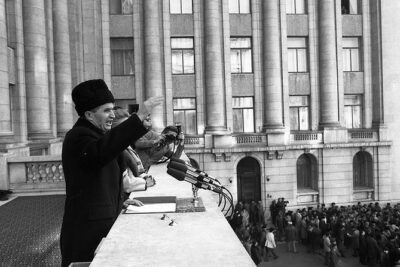 ★ 5.0The Real tour of CommunismFrom $32666 reviews
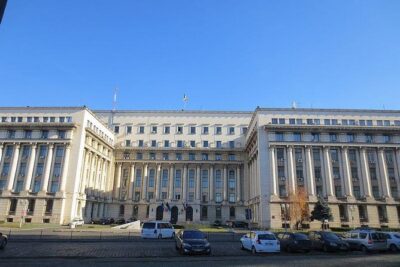 ★ 5.0Life under CommunismFrom $42358 reviews
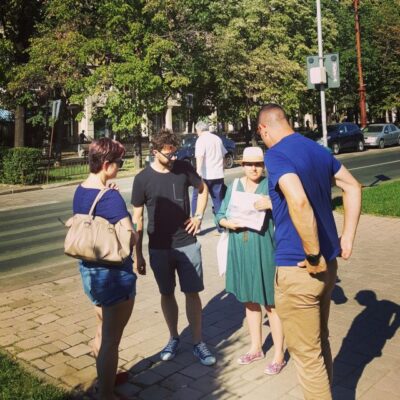 ★ 4.93-Hour Guided Tour of Communist BucharestFrom $29303 reviews
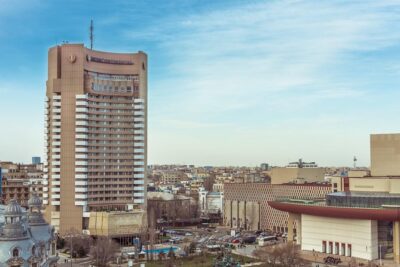 ★ 5.0Bucharest Essential Tour: Old Town, Calea Victoriei & CommunismFrom $24142 reviews
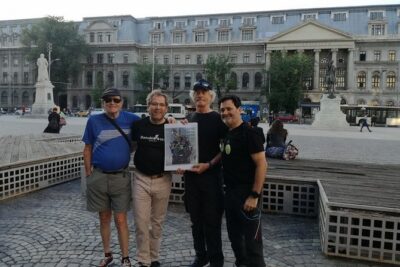 ★ 5.0Communism in Bucharest – Landmarks, Museum & Communist AppetizersFrom $48111 reviews
 ★ 4.9Relics of Communism 3-Hour Walking TourFrom $4477 reviews
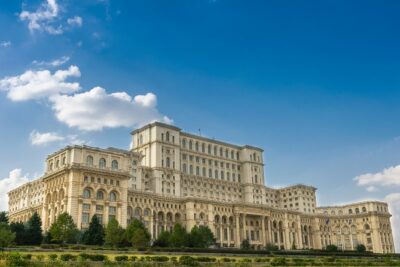 ★ 5.0Bucharest Under Communism: Life, Terror & HopeFrom $2376 reviews
 ★ 4.6Entry ticket at the Museum of CommunismFrom $957 reviews
Browse the lists this tour appears in