
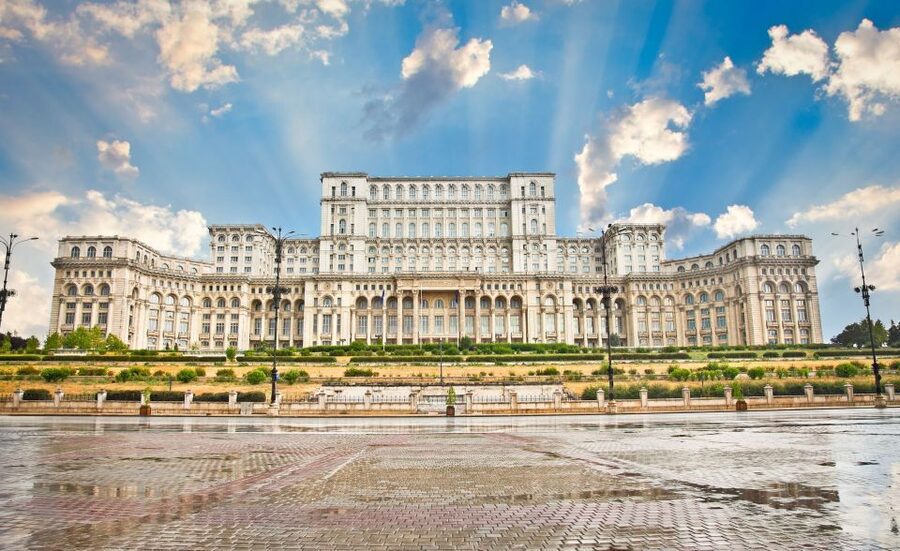
Little Paris, then Transylvania.
Ceausescu’s palace, the cellar bars of Lipscani, Peles up in the pines and Bran on its rock: what each tour is actually like, what it costs, and where to book it.
The castle day, the palace, the Old Town.
Most first trips come down to one long run into the Carpathians, two hours inside Ceausescu’s palace, and a night down in Lipscani. Get those booked and the rest of the week arranges itself around them.
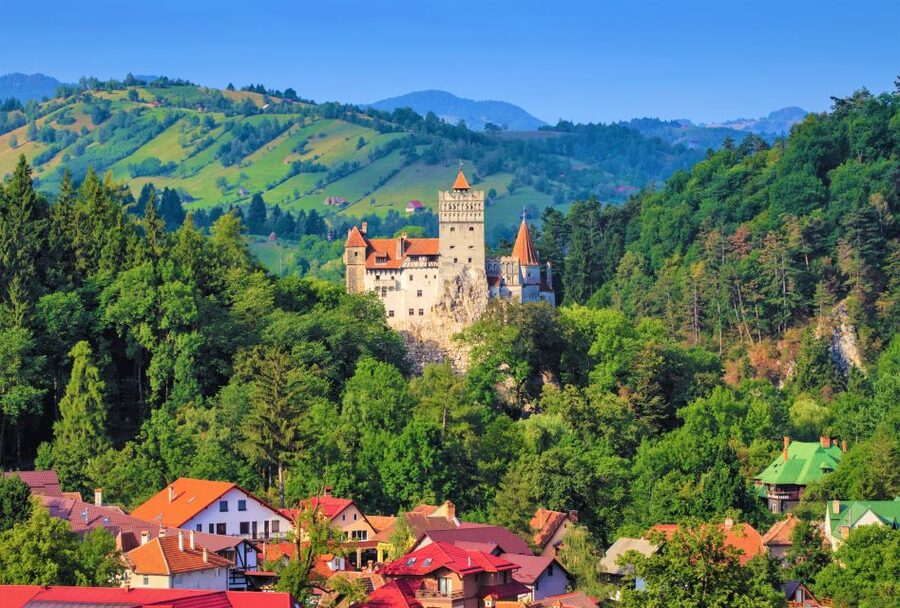
Dracula Castle, Peles Castle & Brasov Old Town
A full-day Transylvania trip from Bucharest to Peles, Brasov, and Bran Castle, with guided history, scenic views, and free time.
From $40 per person
Read the review → ★ 4.5Books out firstDracula’s Castle, Peleș Castle & Brașov Day TripFrom $235,919 reviews
 ★ 4.4Small groups go fastDay Trip to Dracula Castle, Peles Castle & BrașovFrom $453,049 reviews
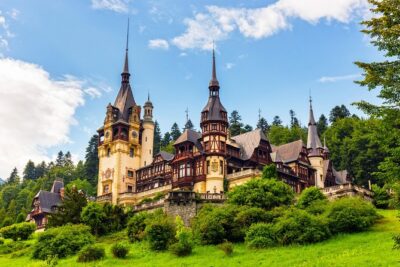 ★ 4.5Traveller favouriteBucharest to Dracula Castle, Peles Castle and Brasov Guided TourFrom $332,933 reviews
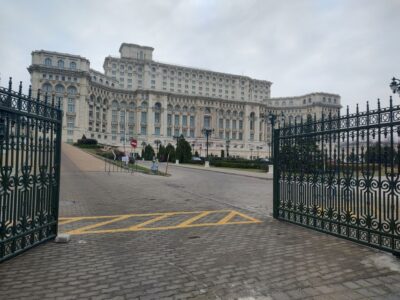 ★ 4.4Worth the early startPalace of Parliament Tickets and Guided TourFrom $281,877 reviews
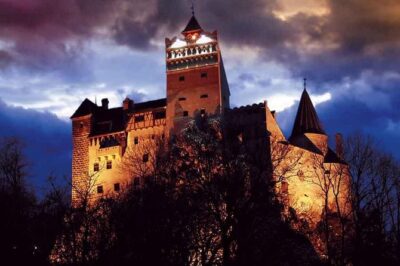 ★ 4.5Easy to slot inDracula’s Castle, Peles Castle and Brasov Day Trip from BucharestFrom $331,804 reviews
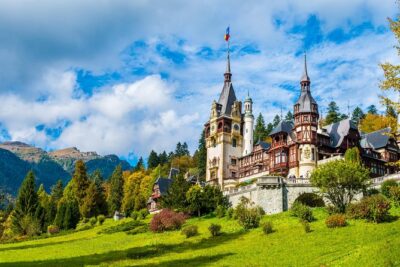 ★ 4.5The safe choiceTransylvania and Dracula Castle Full Day Tour from BucharestFrom $351,589 reviews
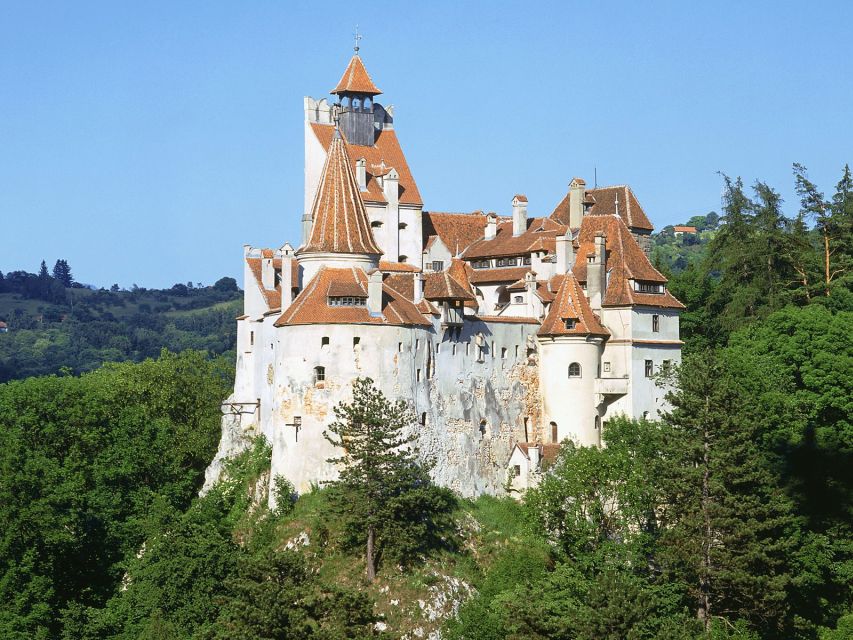
One long day, three castles.
Out along the DN1 before seven, Peles in the pines by mid-morning, Bran on its rock after lunch, then an hour loose in Brasov’s old square before the run back down. It is the day almost everyone books, and the operator you choose decides whether it feels like a proper trip or a bus timetable.
Which castle day is yours?
Bran, Peles and Brasov sit within an hour of each other, and no two tours string them together the same way. Three shapes of day below, with every option behind each one priced and reviewed.
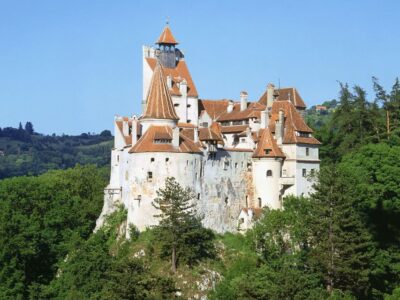 All three, one day
The full circuit
12 hours · from $40 · 17,858 reviews
Pickup around seven, Peles first while the light is still low on the pines, Bran after lunch, then Brasov’s square before the valley road home. Twelve hours door to door. Take the small group if you would rather not queue behind a coach at every gate.
Compare the three-castle days →
Mountains, no rush
Peles and Sinaia
14 hours (approx.) · from $35 · 1,589 reviews
Stop ninety minutes out and stay there. Peles and Pelisor, the monastery, lunch in Sinaia, and the cable car up to Cota 1400 if the cloud lifts. Half the road time, twice as long actually standing inside the rooms.
See the Peles days →
All three, one day
The full circuit
12 hours · from $40 · 17,858 reviews
Pickup around seven, Peles first while the light is still low on the pines, Bran after lunch, then Brasov’s square before the valley road home. Twelve hours door to door. Take the small group if you would rather not queue behind a coach at every gate.
Compare the three-castle days →
Mountains, no rush
Peles and Sinaia
14 hours (approx.) · from $35 · 1,589 reviews
Stop ninety minutes out and stay there. Peles and Pelisor, the monastery, lunch in Sinaia, and the cable car up to Cota 1400 if the cloud lifts. Half the road time, twice as long actually standing inside the rooms.
See the Peles days →
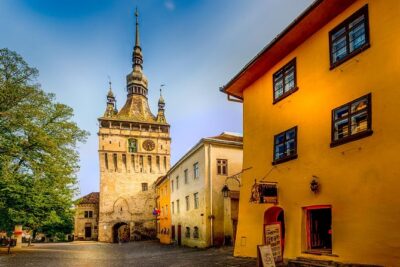 Stay the night
Two days in Transylvania
2 days (approx.) · from $120 · 145 reviews
Brasov the first evening, Sighisoara’s clocktower and the fortified churches the next morning, Sibiu if the itinerary stretches. The overnight is what turns a photo stop into a real look at Saxon Transylvania.
See the two-day trips →
Stay the night
Two days in Transylvania
2 days (approx.) · from $120 · 145 reviews
Brasov the first evening, Sighisoara’s clocktower and the fortified churches the next morning, Sibiu if the itinerary stretches. The overnight is what turns a photo stop into a real look at Saxon Transylvania.
See the two-day trips →
The Old Town does not close early.
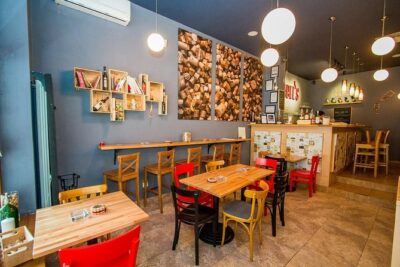
Six short streets of cellar bars, terrace tables and one former bank that pours beer until three in the morning. Caru’ cu Bere packs out on a Tuesday. The trick is knowing which unmarked door is worth the queue and which is a tourist trap with a neon sign.
Sarmale, mici and a lot of red.
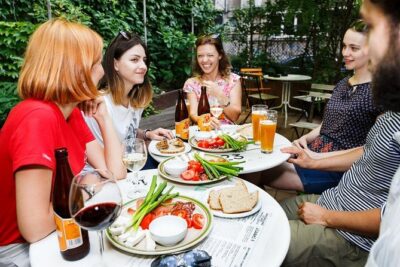
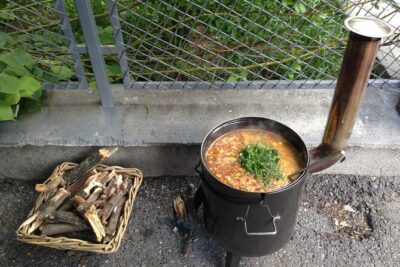
Romania eats big and cheap: cabbage rolls under sour cream, grilled mici with mustard, polenta beneath most of it. The good tours pour as well as feed, and the Dealu Mare reds are the surprise nobody flies in expecting.
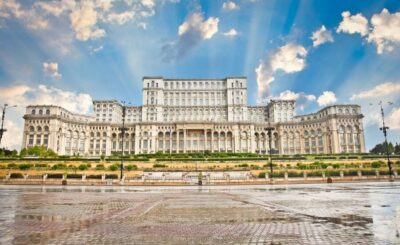
Concrete, queues and one enormous palace.
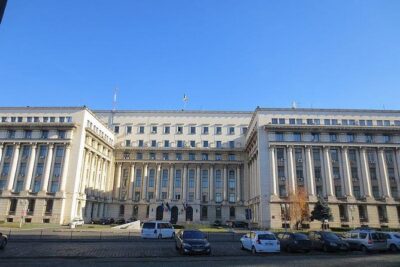
Whole quarters came down so a single boulevard could be built wider than the Champs-Elysees. Guides who grew up in the blocks explain the ration books, the two hours of television a night, and what actually happened on that balcony in December 1989.
The boulevards still hold up.
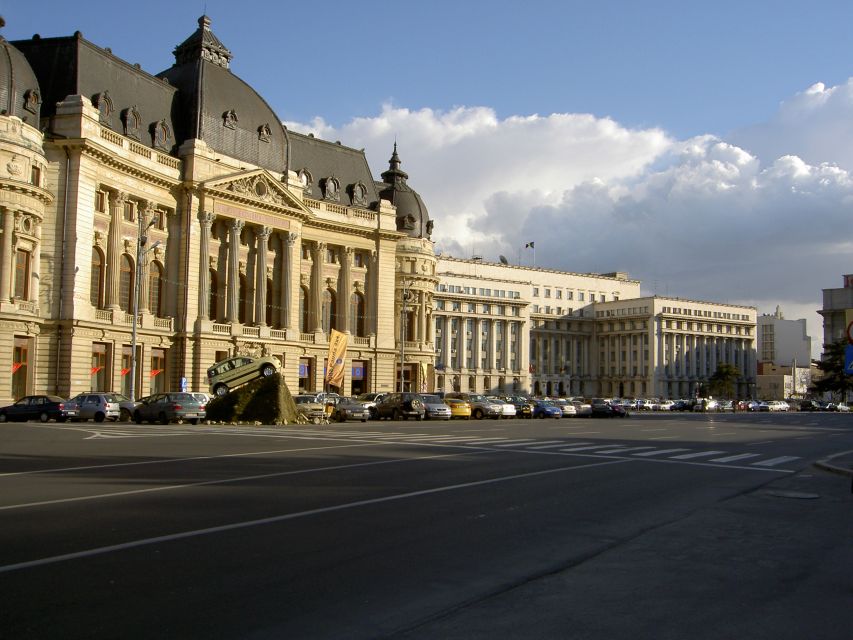
Calea Victoriei was laid out to be walked and it still is: the Athenaeum’s dome, the CEC Palace, the glass-roofed passages behind Lipscani, the villas that survived both the earthquake and the bulldozers. A guide fills in what the interwar architects were trying to prove.
Pick your corner of the city.
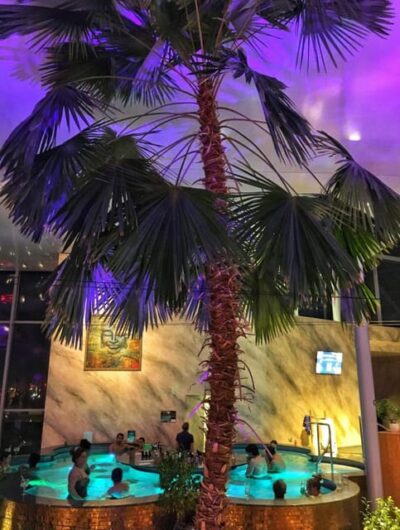
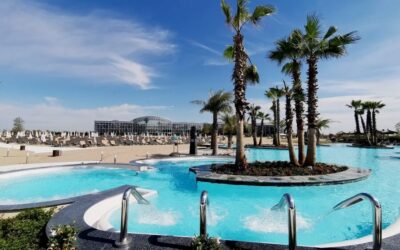
Lipscani for the night. Calea Victoriei for the architecture. The Palace for the sheer nerve of it. The thermal domes out by the airport when the traffic gets too loud.
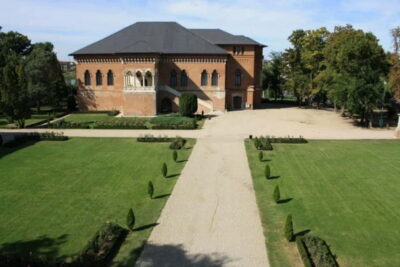
Know what kind of day you want?
Twelve ways into the city and the country behind it. Pick the shape of the day and everything underneath it is already priced and rated.
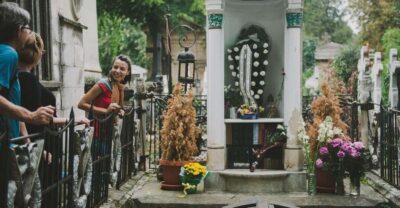
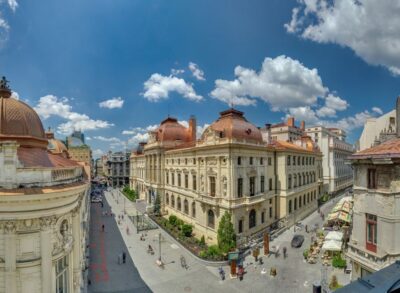
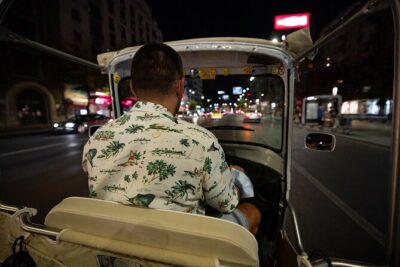
Two hours to the mountains.
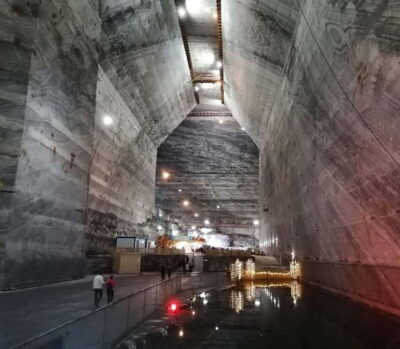
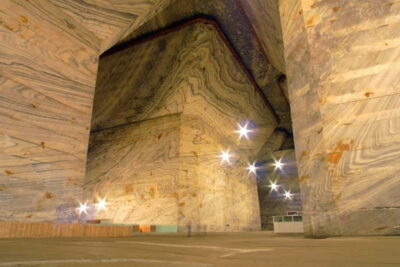
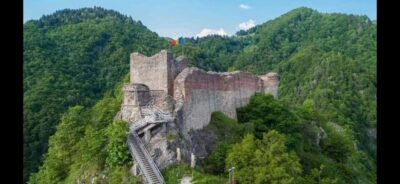
The DN1 is climbing into the Carpathians before most people have finished breakfast. Castles, a salt mine two hundred metres under a hillside, a bear sanctuary and Bulgaria across the Danube are all a day out and back.
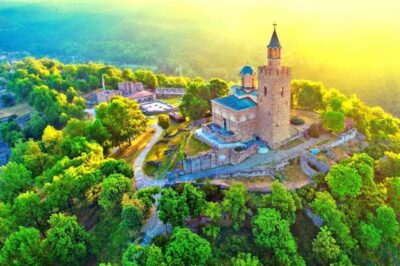
Three days, and one of them is a castle.
Bucharest is small enough to walk and close enough to the mountains that the big day out fits inside a short trip. This is the order that works.
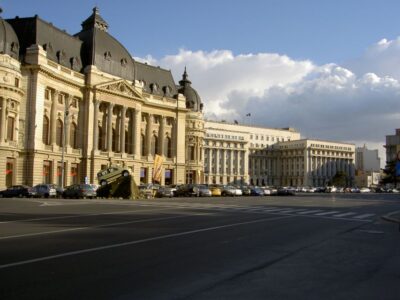 Day 1
Walk the boulevards
Start at the Athenaeum, head down Calea Victoriei past the CEC Palace, cut into the glass-roofed passages behind Lipscani, then an hour in Cismigiu before dinner in the Old Town.
Plan day one →
Day 2
The castle day
Out by seven, Peles while the pines are still wet, Bran after lunch, an hour in Brasov’s square, back down the valley by dark. Take a coat: the mountains run ten degrees colder.
Plan the castle day →
Day 1
Walk the boulevards
Start at the Athenaeum, head down Calea Victoriei past the CEC Palace, cut into the glass-roofed passages behind Lipscani, then an hour in Cismigiu before dinner in the Old Town.
Plan day one →
Day 2
The castle day
Out by seven, Peles while the pines are still wet, Bran after lunch, an hour in Brasov’s square, back down the valley by dark. Take a coat: the mountains run ten degrees colder.
Plan the castle day →
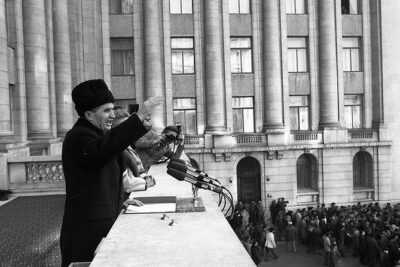 Day 3
Concrete, then hot water
Two hours inside the Palace of the Parliament, an afternoon on the communism trail through the blocks, then the transfer out to Therme to boil the whole week off.
Plan day three →
Day 3
Concrete, then hot water
Two hours inside the Palace of the Parliament, an afternoon on the communism trail through the blocks, then the transfer out to Therme to boil the whole week off.
Plan day three →
Latest Bucharest tour reviews.
 ★ 5.0Private Wine Tasting at Bucharest’s First Wine BarFrom $1033 reviews
Private Full Day Tour of BucharestFrom $2553 reviews
★ 5.0Private Wine Tasting at Bucharest’s First Wine BarFrom $1033 reviews
Private Full Day Tour of BucharestFrom $2553 reviews
 ★ 5.0Transfagarasan Private Tour from Bucharest – 2 DaysFrom $6813 reviews
 ★ 5.010-Day Private Tour of Romania with Pick UpFrom $3,9183 reviews
 ★ 5.0Dracula’s Castle, Follow the legend in Transylvania, private tour from BucharestFrom $1623 reviews
 ★ 4.5Transfer from Otopeni Henri Coandă Airport to Bucharest or BackFrom $363 reviews
 ★ 5.0Legends & Stories from Transylvania -2 Castles & Brasov Old TownFrom $1193 reviews
 ★ 5.0Private Day Tour – Transylvania & Dracula’s Castle Through The BackDoor!From $2773 reviews