
REVIEW · WALKING TOURS
Walking tour of Bucharest
Bucharest clicks into place on foot. This 3 to 4 hour walking tour threads together parks and churches with smart commentary that helps you read the city instead of just passing it by. You get a focused route, a small set of cultural stops, and a guide who explains how Bucharest grew and why certain buildings mattered.
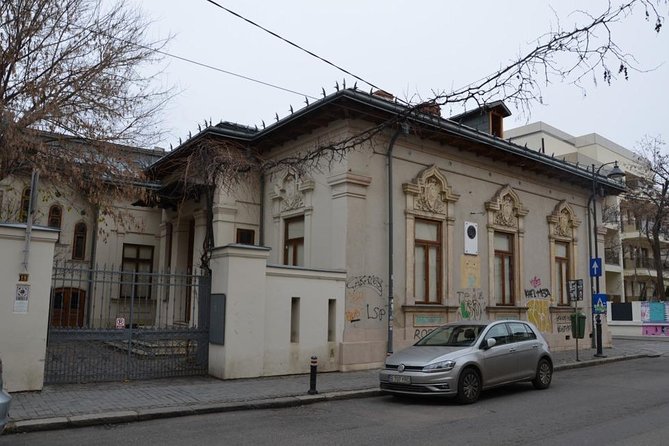
I especially like the chance to visit the French Institute in Romania area first, and possibly step into the reception hall on working days, where exhibitions are often on display. Another highlight for me is the shift from Parcul Ion Voicu to Grădina Icoanei and then to Biserica Icoanei, because you see neighborhood change up close, not from a bus window.
One thing to consider: the inside look at the French Institute is only possible if it is a working day. So if you’re unlucky, you’ll still get the exterior and the story, just without that reception-hall moment.
Key Highlights You’ll Appreciate
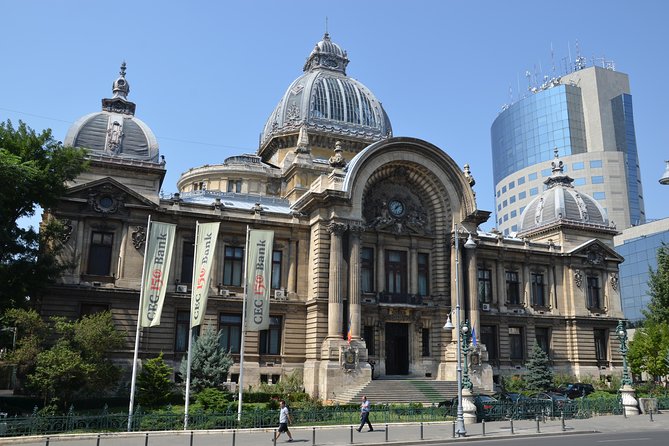
- French Institute reception hall view (when open), with free admission if it’s operating on your date
- Ioanid Park, Parcul Ion Voicu, showing how late-19th and early-20th century Bucharest expanded
- Grădina Icoanei, a different kind of park experience right beside Ioanid Park
- Biserica Icoanei, a lesser-known church with standout architecture for the area
- English commentary from a professional guide, keeping the walk easy to follow
- Free stops at multiple locations, so you are not constantly hunting tickets
Elsewhere in Bucharest, and up the valley
- Bucharest: Dracula’s Castle, Peles Castle, & Brasov Old Town★ 4.5 · 17,858 reviews
- Bucharest: Dracula Castle, Peles Castle & Brasov Old Town★ 4.6 · 10,891 reviews
- Bucharest: Dracula’s Castle, Peleș Castle & Brașov Day Trip★ 4.5 · 5,919 reviews
- Bucharest: Palace of Parliament Tickets and Guide★ 4.3 · 3,182 reviews
A 3 to 4 Hour Bucharest Walk That Helps You Read the City
A good Bucharest tour should do two things fast: get you oriented and give you a framework for what you’re seeing. This one does that with a tight route that mixes public spaces and a church, then adds context as you walk.
You are looking at places tied to when Bucharest started modernizing in a more organized way. The parks are not just green areas. They mark the city’s turning points, when neighborhoods started filling in with houses and street life that shaped what came next.
I also like the pace. It is long enough to feel like a real outing, but short enough that you can keep your day flexible for other plans afterward.
Meeting at the French Institute on Bulevardul Dacia
The tour starts at the French Institute in Romania – Bucharest, on Bulevardul Dacia 77. The start time is 10:00 am, and the walk ends back at the same meeting point.
This matters more than it sounds. Starting on a fixed anchor point helps you connect the neighborhoods you see. And ending back where you began makes it simpler to return to your hotel or continue exploring without trying to guess your route.
The tour is offered in English, and it may be run by a multilingual guide depending on the day. Group size can be up to 50 travelers, which is big enough that you should expect a standard group-walk rhythm, not a private one.
One practical tip: if you can, plan to arrive a few minutes early. Not because the tour is strict, but because a good guide will use the opening minutes to set the story you’ll carry for the rest of the walk.
Stop 1: The French Institute in Romania and Its Reception Hall
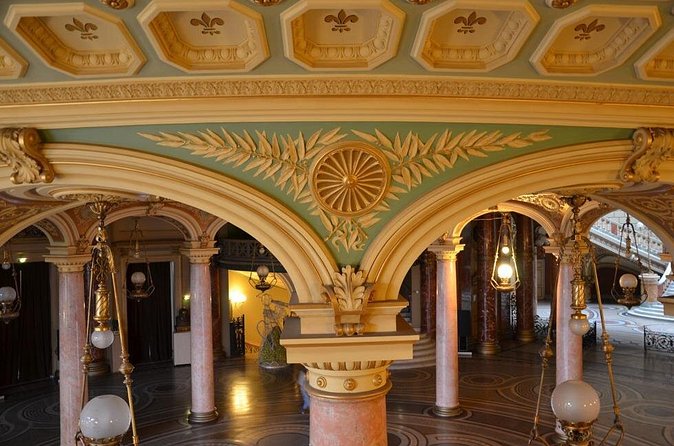
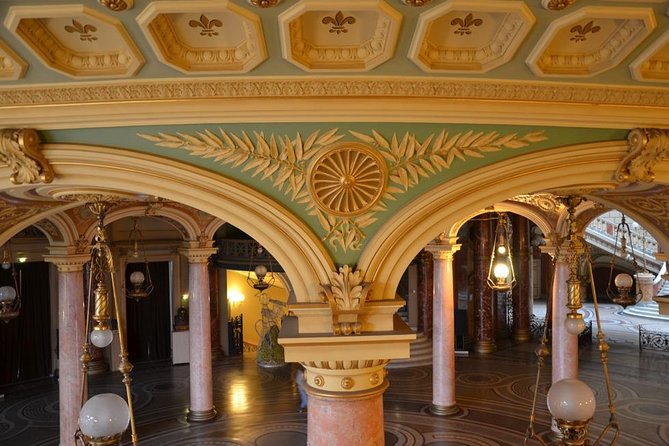
Your first big reference point is the French Institute in Romania. If the day is a working day, you can look inside the reception hall, which is known for hosting exhibitions.
Why this is valuable: you get a cultural venue right at the start, and it gives you something tangible to connect to Romanian ties with European culture and arts. Even if you do not catch an exhibit, the reception-hall setting helps you understand why institutions like this matter beyond the building itself.
Also, you are not paying for this portion. The admission ticket here is listed as free, and the visit is short, around five minutes. That makes it an easy first stop, especially if you are trying to beat morning crowds or want a smooth start before the rest of the walk.
If you arrive on a day when the institute is not open, do not panic. The tour still moves forward with the same historical thread, just with less access.
Stop 2: Parcul Ion Voicu (Urban Growth in Late-1900s Bucharest)
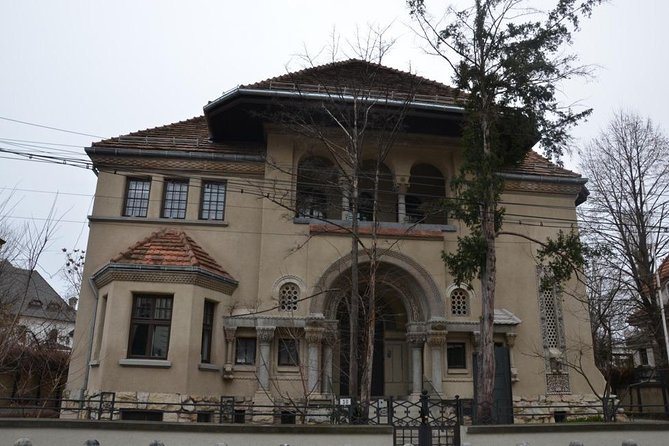
Next comes Parcul Ion Voicu, a park area that connects to when Bucharest’s urbanization really kicked into higher gear. The walk focuses on the moment when construction picked up at the end of the 19th century and into the early 20th century.
What I like about this stop is the way parks work as storytelling tools. You are in a public space, but the guide’s focus is on what used to be here, what changed, and what that says about the city’s development. You also get to see the idea of neighborhood structure through the lens of houses and the histories behind them.
The time block is about 25 minutes, and that is perfect for a couple of reasons. You can take a slow walk through the area, catch details without rushing, and still have enough energy for the next park.
Admission is free here too, so you can keep attention on the walk itself instead of budgeting for each stop.
More of Bucharest on foot
Stop 3: Grădina Icoanei, a Park That Feels Different
Right beside Ioanid Park, you move into Grădina Icoanei. The tour frames this as another park that is related, but different enough to make the comparison interesting.
This is the kind of stop that can feel optional on paper, but it often becomes one of the best parts on foot. When you walk, you notice how one green space changes the mood of the street and the way people move. A good guide will also point out how one park’s character links to the surrounding neighborhood.
The stop is short, around 10 minutes, so think of it as a quick reset. Use it to look around, take a breather, and get ready for the church architecture stop that comes next.
Again, admission here is listed as free. That helps the tour stay easy on your wallet.
Stop 4: Biserica Icoanei, Architecture With a Neighborhood Story
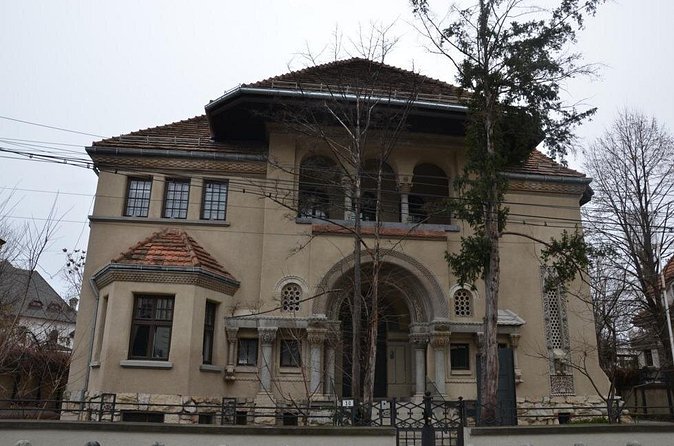
The tour ends with Biserica Icoanei, a lesser-known church in Bucharest that still carries a lot of local importance. It was once one of the most important churches in the area, and the focus here is on the architecture you can see in the neighborhood setting.
Why you’ll probably enjoy this stop: churches in big cities often get talked about as monuments. This one gets framed as part of a specific district’s story. That shift helps you understand why certain buildings are where they are and how they served community life.
The visit runs about 10 minutes. That is not long, but it is enough for a close look and for the guide to point out what matters. When you know what to look for, even a brief church stop can feel like a real payoff.
If you’re the type who likes walking tours more for interpretation than for checklists, this is your moment. You finish with a clear picture of how the neighborhood used to function, and how architecture can mark social priorities over time.
What the Professional Guide Adds (And Why It’s Worth Paying for)
At $24.19 per person, a walking tour lives or dies on the guide. This one includes a professional guide, and the route is built so the commentary actually fits the places you’re standing in.
The standout pattern from real-world experience here is the guide style. Names that show up in feedback include Mihnea Toncescu, and one guide called Mihai is praised for being highly learned with excellent French and a strong sense of humor. Even if you get the French energy in a different mix, the goal is the same: make the city’s history and culture understandable without turning it into a lecture.
Here’s the value logic: the cost is modest because you are paying for guided interpretation, not for expensive admissions or long transport legs. You also hit multiple free stops, so you keep the day on-budget while still getting a structured, explained route.
Price and Value: When $24.19 Feels Like a Good Deal
This tour is priced at $24.19 per person, lasts 3 to 4 hours, and includes a professional guide. It also runs in English, uses a mobile ticket, and caps at 50 travelers.
That adds up to pretty solid value for a few reasons:
- You get context for multiple distinct stops, instead of a single photo stop.
- The main admissions on the listed stops are free, so the tour does not balloon in cost.
- The route is long enough to matter, but short enough that you can stack it with other plans the same day.
Not included: food and drinks, plus entrance tickets where applicable. In practice, you can plan to treat this as a cultural walk that fits cleanly between meals, not as a full-day outing with lunch.
If you’re first visiting Bucharest, this is the kind of tour that helps you decide what to spend time on later. You stop, learn the patterns, then return on your own if something really grabs you.
Who This Tour Fits Best
This walking tour is a strong match for:
- First-time visitors who want a starter map of Bucharest’s cultural landmarks
- Culture enthusiasts who like history explained in plain language
- People who prefer guided walking over hopping between sites by transit or taxi
- Anyone who wants a focused morning activity that leaves your afternoon open
It also states that most travelers can participate, and service animals are allowed. It is near public transportation, so you are not stuck with a car or long taxi rides.
If you hate walking or you plan to visit multiple museums the same day, you might find the route length a little tiring. But if you like a steady, structured stroll, this is your style.
Practical Tips So Your Walk Stays Comfortable
A few small moves can make a big difference on a half-day walking tour:
- Wear comfortable shoes. Even at a moderate pace, you are on your feet for several hours.
- Bring water, especially if Bucharest is warm when you go. Food and drinks are not included.
- Use the mobile ticket and keep it handy on arrival.
- Keep your camera ready but do not slow down so much that the group bunches up behind you.
- If you want the French Institute reception hall moment, remember that access depends on working days.
Also, note the planning rhythm. This tour is often booked about 16 days in advance on average, so if your dates are tight, it’s smart to lock it in earlier rather than hoping.
Should You Book This Bucharest Walking Tour?
I’d book it if you want a guided walk that helps you interpret Bucharest, not just collect stops. The combination of French Institute context, a park route through Parcul Ion Voicu and Grădina Icoanei, and an architecture-focused finish at Biserica Icoanei makes the day feel coherent.
Skip it only if you need long museum time or you hate walking. Also, if you’re traveling only on weekends or specific non-working days and you care deeply about entering the reception hall, know that the inside access can be limited.
If your goal is simple and solid, get your bearings fast, learn what you’re looking at, and keep the rest of your day free, then this is a good pick.
More Tours in Bucharest




More Tour Reviews in Bucharest

More Bucharest Tours in Bucharest
Just added from Bucharest


Walking Tours, compared.
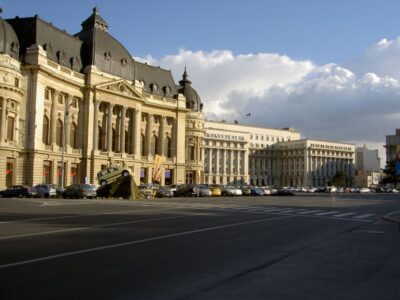 ★ 4.9City Highlights Guided Walking TourFrom $211,482 reviews
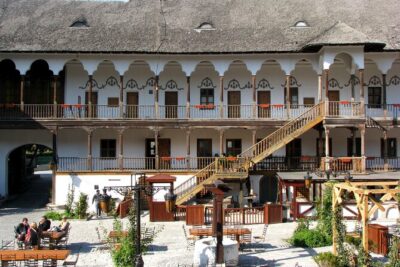 ★ 5.0Bucharest Highlights Walking TourFrom $21469 reviews
 ★ 4.9Ghost Stories & Romanian Mythology Walking TourFrom $35287 reviews
 ★ 4.9Guided Walking Tour with Romanian SnackFrom $45228 reviews
 ★ 5.0Best of Bucharest | Private Walking TourFrom $314199 reviews
 ★ 5.0Walking Tour- Delightful Bucharest (Highlights, Stories, Sights)From $22145 reviews
 ★ 5.04h Bucharest Private Tour (2h by Car and 2h Walking in Old Town)From $10090 reviews
 ★ 5.0Bucharest 3-hours Walking Tour (Small Groups)From $5485 reviews
Browse the lists this tour appears in