
REVIEW · WALKING TOURS
Slavery in Romania,Myths and Truths on Gypsies, Walking Tour
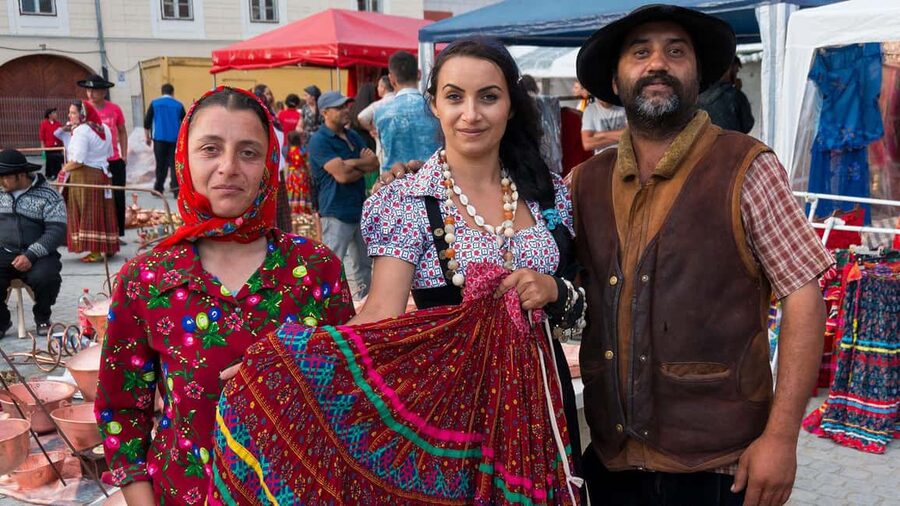
Bucharest has a lesson you cannot skip. This walking tour walks you through Romania’s Roma history and the stories people repeat, starting with a former slave market site and ending with a reflective look at Holocaust memory and communist-era legacies. You’ll also get clear context on Roma myths and truths in Romanian society, not just folklore and labels.
I especially like the mix of big, real locations and plainspoken explanations that connect history to what you see on the street. The route also includes a calm break in Cismigiu Park, plus an optional craft stop where you can make jewelry with a Roma artisan. One thing to consider: if you are hoping for lots of direct, conversational time with Roma community members, this format is still mainly guide-led, not a community hangout.
Overall, it’s a respectful, thought-provoking Bucharest experience that’s priced to feel fair for what you cover in just 3 hours.
Key things to know before you go
- A former slave market stop gives immediate, hard context to the history of slavery and its lasting effects
- Roma myths and truths, explained on foot, with careful attention to stereotypes and everyday misconceptions
- Cismigiu Park as a pause point, in Bucharest’s oldest and largest garden setting
- Holocaust Memorial time matters, with remembrance for Roma victims of persecution and genocide
- Communist-era traces on the streets, to show how policy shaped daily realities
- Optional jewelry workshop at Mesteshukar ButiQ (MBQ) if you want a hands-on, creative takeaway
More of Bucharest on foot
- Bucharest: City Highlights Guided Walking Tour★ 4.9 · 1,482 reviews
- Bucharest Highlights Walking Tour★ 5.0 · 469 reviews
- Bucharest: Ghost Stories & Romanian Mythology Walking Tour★ 4.9 · 287 reviews
- Bucharest: Guided Walking Tour with Romanian Snack★ 4.9 · 228 reviews
From Teatrul Ion Creangă to the former slave market site
You start at the small square in front of Teatrul Ion Creangă, just a few minutes on foot from Piata Romana metro. That placement is handy, because it means you can reach the meeting spot fast and then focus on the walk.
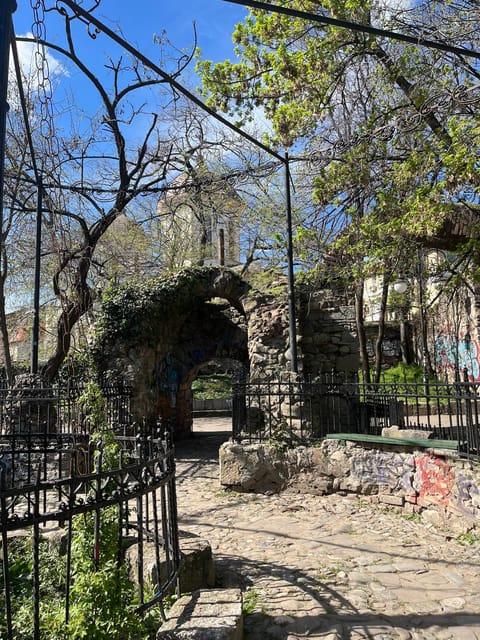
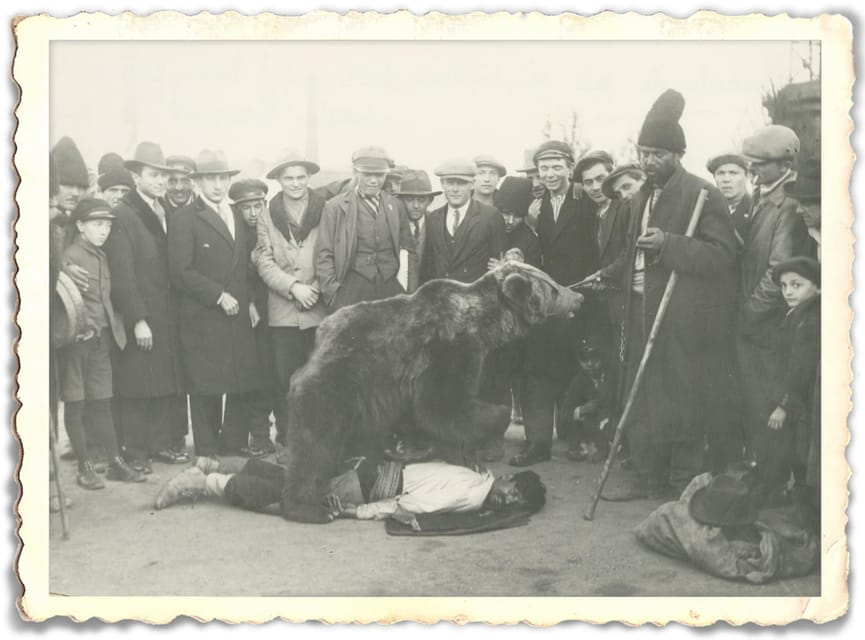
The first big emotional punch comes right away: the tour visits the site of a former slave market. Even if you know Romania has a complicated history with the Roma community, standing at the location where human lives were treated like property changes the tone instantly. Your guide frames the context behind the trade in human lives and explains how that history shaped Roma identity and how myths formed afterward.
This is not a casual sightseeing route. You should expect a respectful but direct conversation about slavery in Romania, discrimination, and the long shadow those ideas left behind. If you’re sensitive to heavy topics, plan your day accordingly and bring the mental stamina for an honest history walk.
The Romanian Athenaeum pass-by: how art and pride get used
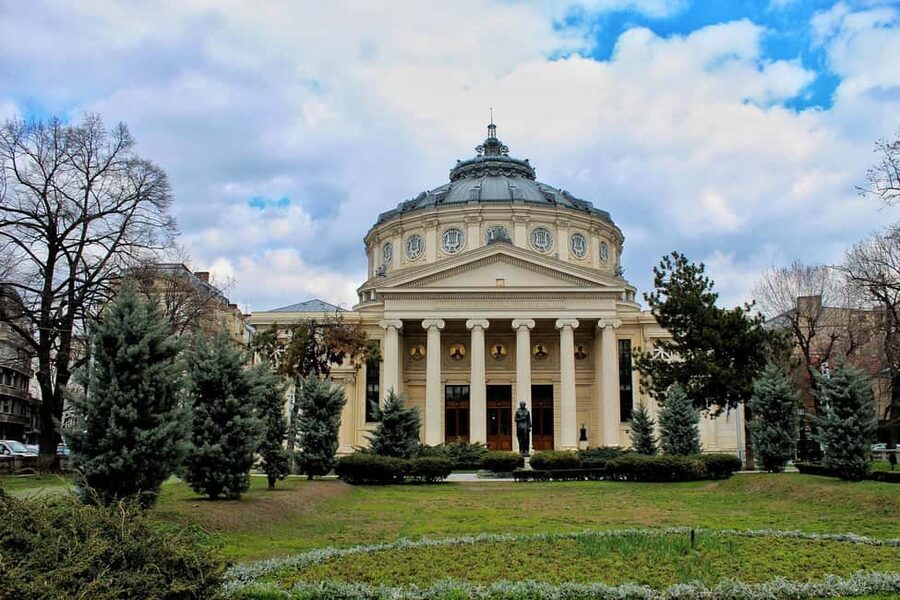
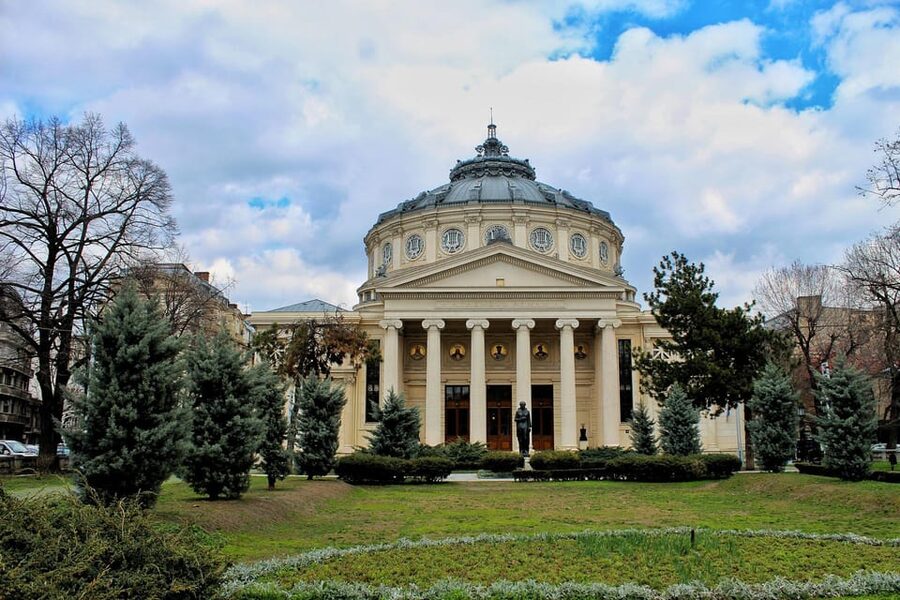
Next, you move toward the Romanian Athenaeum, one of Bucharest’s most recognizable cultural landmarks. The tour is not going inside with tickets as part of the core plan, but you get time to pass by and talk about what the building represents.
This stop matters because it connects culture to perception. The Athenaeum is a symbol of national pride and cultural heritage, and your guide uses that image to discuss the role of the arts in shaping attitudes toward Roma people throughout history. It’s a useful reminder that public culture is never neutral, and that the stories a society chooses to elevate can help create either understanding or distance.
One practical plus: the Athenaeum area is an easy visual anchor for first-time visitors. Even if you are still learning Bucharest geography, you’ll quickly feel oriented.
Cismigiu Park: myths and truths in Bucharest’s oldest garden
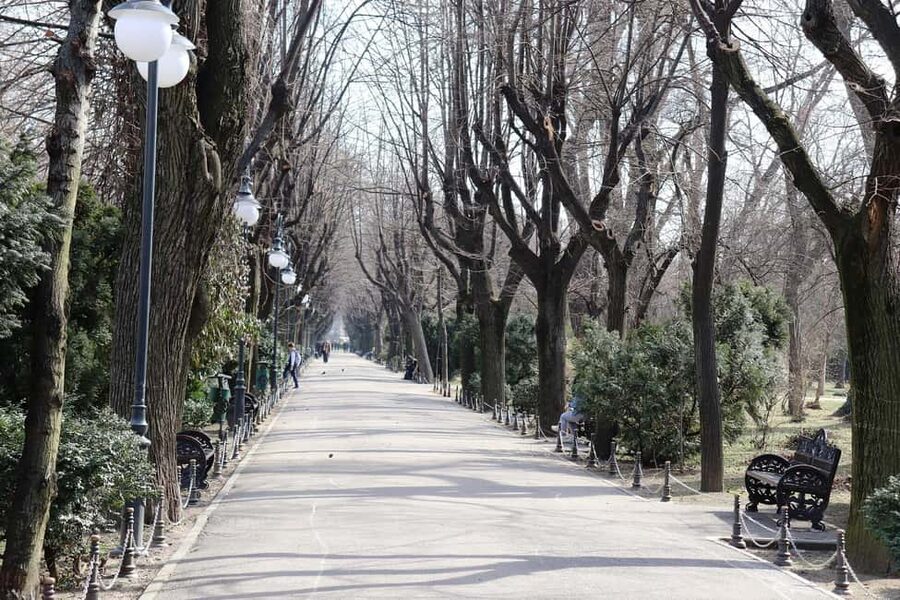
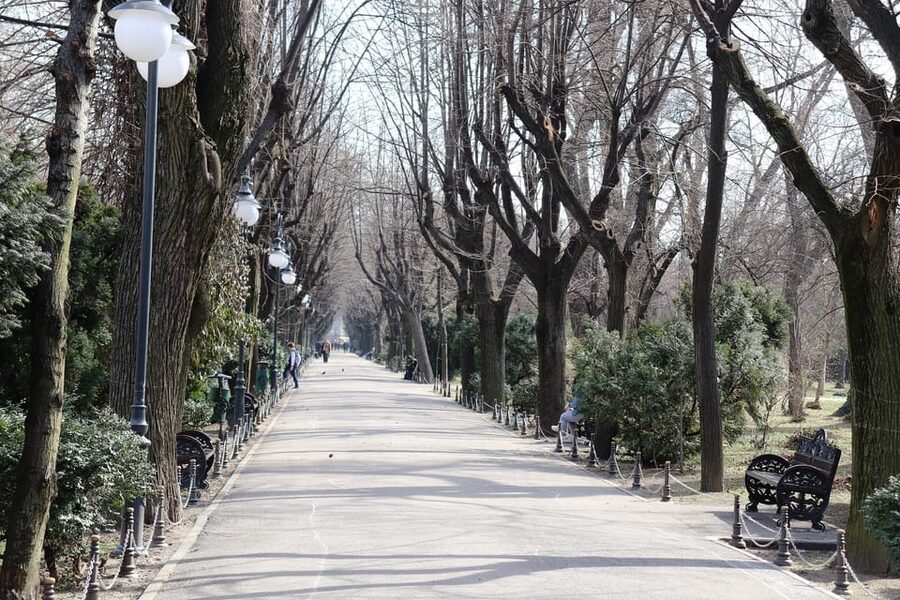
After the more difficult history points, the walk settles into a slower rhythm at Cismigiu Park. This is Bucharest’s oldest and largest garden, so it’s a natural reset. You get a 30-minute guided stroll through the greenery, which makes it easier to absorb what you just heard without your brain feeling like it has to sprint.
This is where you get more of the “myths and truths” focus in a calmer setting. Instead of only reciting history, the guide helps you understand the logic behind misconceptions, and why they keep resurfacing. You’re encouraged to see Roma culture as specific, real, and varied, not as a single stereotype.
If you’re the type who learns best with a walking pace and a place to breathe, this park segment is a highlight. It also gives you a chance to ask questions without the pressure of being surrounded by constant traffic.
The Holocaust Memorial stop: remembrance for Roma victims
One of the most serious parts of the route is the Holocaust Memorial stop. You get a photo stop plus guided context and time to reflect while you learn about the persecution and genocide that included thousands of Roma lives.
This isn’t treated like an add-on. It’s positioned as a key moment in the tour’s argument: that Roma history in Romania sits inside the larger history of European atrocities, not outside it. Your guide also frames what remembrance means in a place that has layers of historical change, including shifting regimes and postwar struggles.
Emotionally, this stop can hit hard. Practically, it’s also a good reminder that you should not rush through memorial spaces. Take a breath, look around, and let the guide’s framing land before you move on.
Communist-era clues on Bucharest streets, and why policies mattered
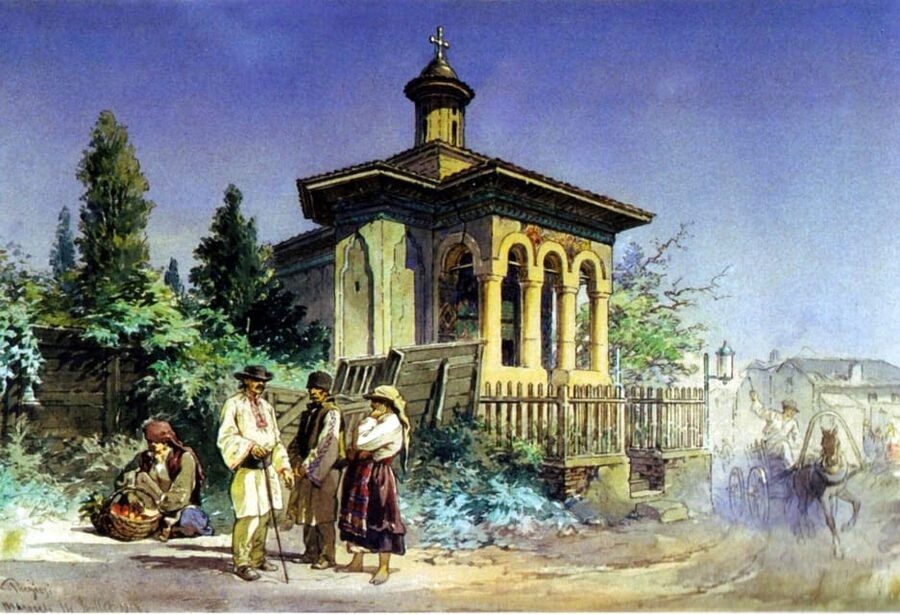
Between landmarks, you also encounter traces of Romania’s communist past. This section is less about one single building and more about how you read the city. As you navigate streets and pass key points, your guide explains how the Communist regime affected the Roma community, including the challenges that came with the political climate.
I like this approach because it teaches you a skill you can use after the tour: seeing architecture, public spaces, and street patterns as evidence. You start to connect big policy ideas to everyday outcomes, instead of treating history like something that only happened in textbooks.
In the same stretch, you’ll hear stories that highlight Roma resilience. That’s important. If all you hear is pain, you end up with a dead end. The tour tries to balance suffering with persistence, and it also gives you a better sense of how Roma communities navigated change over time.
Piața Kogălniceanu and Revolution Square connections
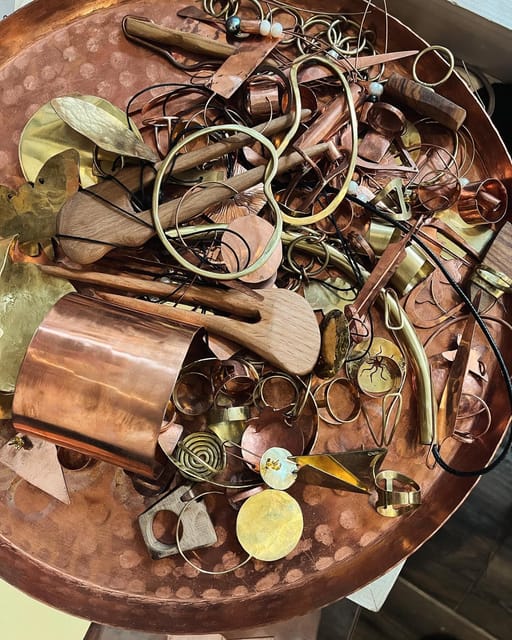
You also pass through Piața Kogălniceanu and later Revolution Square, with short guided and walking segments in between. These moments help you stitch Roma history into wider Bucharest history and national transformation.
What I find useful here is the way the guide treats these spaces as meaning-makers. Squares and public areas are where societies show what they value, what they fear, and what they try to rewrite. Even when the tour only spends limited time in these areas, your guide’s framing helps you notice details you might otherwise ignore.
There are also a couple of shorter secret side stops along the way. Since the exact content is not listed in advance, the best mindset is to stay flexible. They tend to serve as connective tissue between major landmarks, and they can be the pieces that tie the story together.
Optional jewelry workshop at Mesteshukar ButiQ (MBQ)
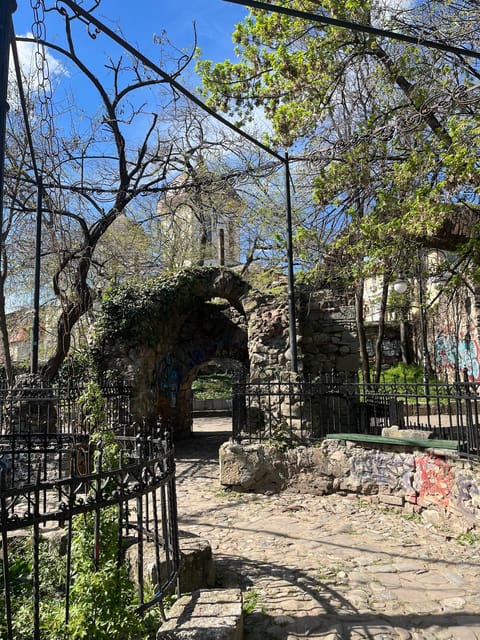
If you add the optional workshop, you’ll head toward Mesteshukar ButiQ (MBQ), which is also your tour’s finish point. The jewelry workshop is guided, and you’ll craft your own piece with an authentic Roma craftsman in a traditional workshop.
This is the most “hands-on” part of the experience. It changes the tone from history lecture to skills, creativity, and personal output. You’re not just learning about Roma culture as an idea, you’re watching craft knowledge and taking part of it home as a small object you made.
A practical tip: if you choose the workshop, plan to stay present. Ask how the craft process works, and don’t treat it like souvenir shopping. The workshop is included only if you select the option, and transportation is included with that option.
Who should book this Roma myths and truths walking tour?
This tour suits you if you want a structured way to understand Roma history in Bucharest and Romania, with a focus on myths, stereotypes, and how they connect to real events. It’s especially good if you like walking tours that teach you how to “read” a city.
You’ll probably enjoy it most if you:
- want context that goes beyond quick sightseeing
- prefer a guide-led format with clear storytelling
- are okay with serious topics like slavery and genocide
- like photo stops and short breaks to reset your attention
If your top priority is meeting Roma community members for extended conversation, keep expectations realistic. The tour is built around the guide’s explanation and the sites themselves. That can still be deeply meaningful, but it is not designed as a long community dialogue.
Price and value: is $29 fair for a 3-hour Bucharest walk?
At $29 per person for about 3 hours, this feels like solid value if you consider what you get: a live English guide, multiple notable Bucharest landmarks, guided history segments, and an optional jewelry workshop with transportation when selected.
The big reason the price works is density. In three hours you cover several heavy anchors, including a former slave market site and the Holocaust Memorial, plus cultural and everyday context through stops like Cismigiu Park. Many city walks charge similar money but give you fewer “learning per minute” moments.
If you’re traveling on a tight schedule and want one outing that blends history, myths, and city geography, this is a strong contender. If you’re only looking for light, postcard sightseeing, you might prefer something less serious.
My take: should you book it?
I’d book this tour if you want a respectful, historically grounded explanation of Roma myths and truths, set directly in Bucharest’s real places. The former slave market stop and the Holocaust Memorial time are especially important, and Cismigiu Park adds a needed human pause so you can actually absorb what you hear.
I would skip it or adjust expectations if you want a mostly social experience with lots of direct interaction with Roma community members. This is education through guided storytelling and landmarks, not an open forum.
If you do book, come ready with good walking shoes, a bottle of water, and a willingness to learn accurately, even when the topics are uncomfortable.
FAQ
How long is the walking tour?
The tour lasts about 3 hours.
Where do I meet the guide?
Meet in the small square in front of Teatrul Ion Creangă (Sala Mare), about a 3-minute walk from Piata Romana metro station.
What language is the tour in?
The tour is offered in English.
What major places will we see in Bucharest?
You’ll visit or pass by the Romanian Athenaeum, Cismigiu Park, the Holocaust Memorial, and areas around Piața Kogălniceanu and Revolution Square. You’ll also start at the Ion Creangă Theatre area and include a site of a former slave market.
Is food included?
No. Food and drinks are not included.
Can I add the jewelry workshop?
Yes, there is an optional jewelry workshop. If selected, you’ll craft a piece with a Roma craftsman in a traditional workshop, and transportation is included for the workshop option.
Is it free to cancel, and how far in advance?
You can cancel up to 24 hours in advance for a full refund.
Bucharest on Foot



More Tours in Bucharest



More Tour Reviews in Bucharest
Just added from Bucharest


Walking Tours, compared.
 ★ 4.9City Highlights Guided Walking TourFrom $211,482 reviews
 ★ 5.0Bucharest Highlights Walking TourFrom $21469 reviews
 ★ 4.9Ghost Stories & Romanian Mythology Walking TourFrom $35287 reviews
 ★ 4.9Guided Walking Tour with Romanian SnackFrom $45228 reviews
 ★ 5.0Best of Bucharest | Private Walking TourFrom $314199 reviews
 ★ 5.0Walking Tour- Delightful Bucharest (Highlights, Stories, Sights)From $22145 reviews
 ★ 5.04h Bucharest Private Tour (2h by Car and 2h Walking in Old Town)From $10090 reviews
 ★ 5.0Bucharest 3-hours Walking Tour (Small Groups)From $5485 reviews
Browse the lists this tour appears in