
REVIEW · VILLAGE MUSEUM TOURS
Traditions in Bucharest: Village Museum and Wine Tasting
A real village story starts in an open-air park. This private tour pairs the National Village Museum with handmade crafts and a friendly Romanian wine tasting that actually explains what you are drinking.
I love that it is not just sightseeing, it connects buildings, folk art, and wine to regional Romanian identity. It is also built around a small, guided format with pickup, museum time, and a relaxing ending near Bucharest’s Old Town area.
One thing to plan for: most of the Village Museum is outdoors, so hot sun or rain can affect comfort, and the tour is not suitable for wheelchair users or children under 3.
Quick hit: why this tour works
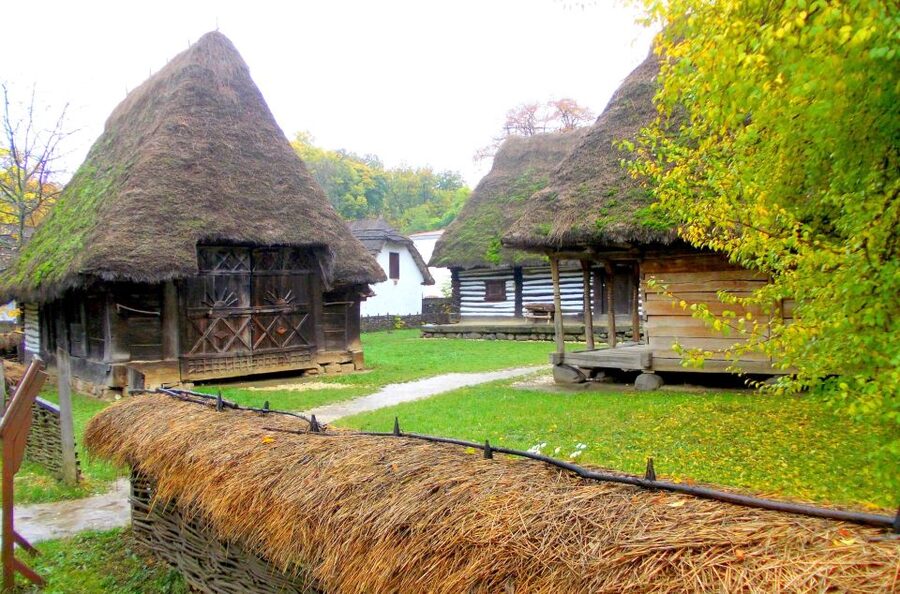
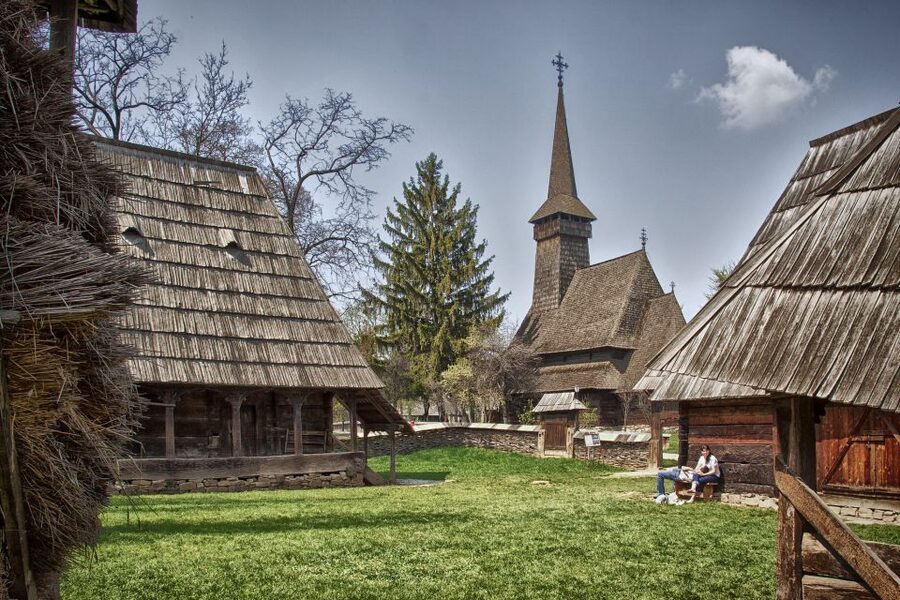
- National Village Museum in King Michael Park feels like stepping into 18th and 19th century Romania, with 300+ preserved buildings.
- Traditional crafts stop lets you spot handmade ie blouses, Moldavian Easter eggs, Horezu pottery, and more.
- Wine tasting with regional guidance covers Dealu Mare terroir and local grape varieties like Feteasca Neagra.
- 3 Romanian wine glasses plus cheese and charcuterie makes the tasting feel like a mini meal, not a quick sip.
- Private pickup and transport means you are not wrestling buses and taxis between stops.
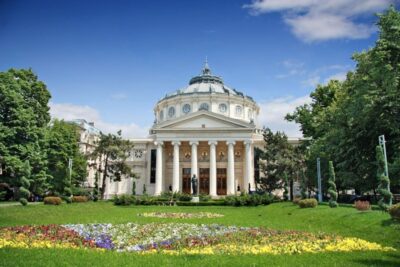
- A graceful city-center finish brings you back toward the Old Town area near the Romanian Athenaeum.
More open-air Romania
- Palace of the Parliament, Village Museum & Ceaușescu Mansion★ 4.9 · 31 reviews
- Traditions in Bucharest: Village Museum and Wine Tasting Tour★ 5.0 · 27 reviews
- Private Bucharest city tour visit the Palace of the Parliament & Village Museum★ 4.5 · 21 reviews
- Traditions in Bucharest: Village Museum and Wine Tasting★ 5.0 · 8 reviews
Stepping into the National Village Museum in King Michael Park
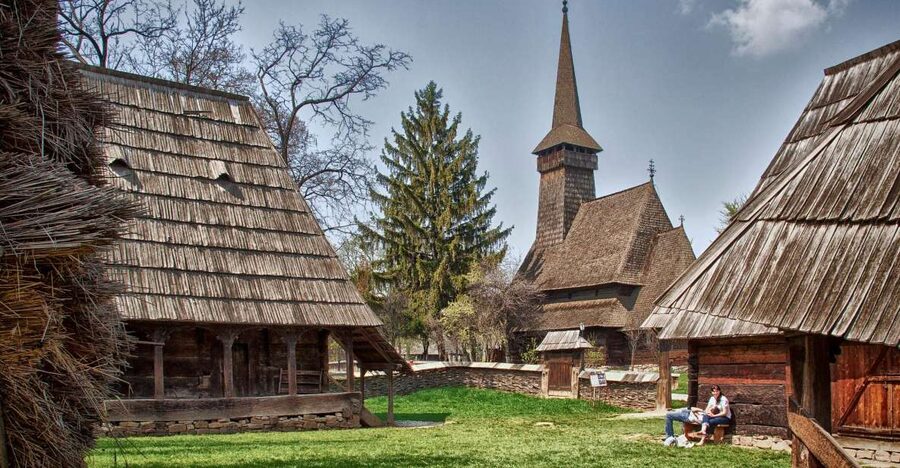
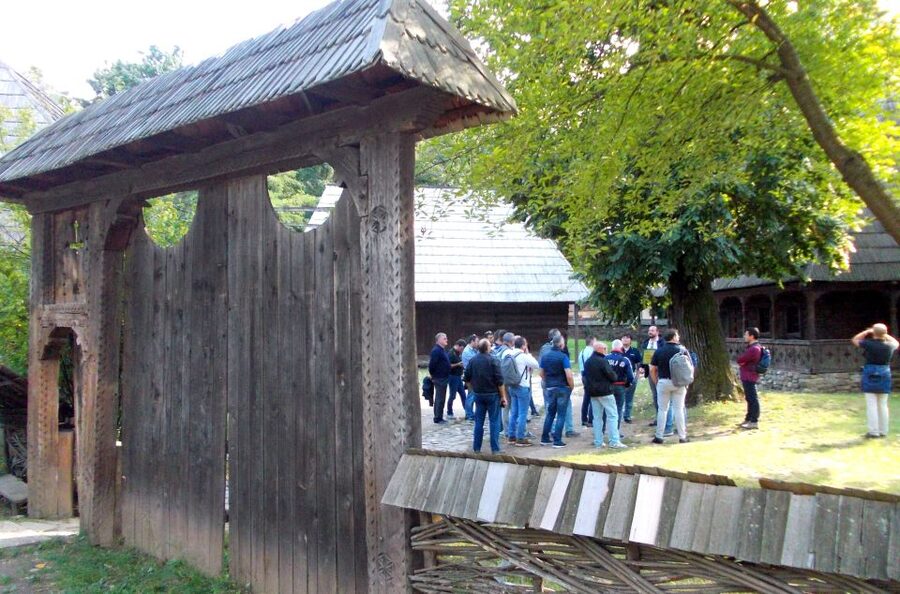
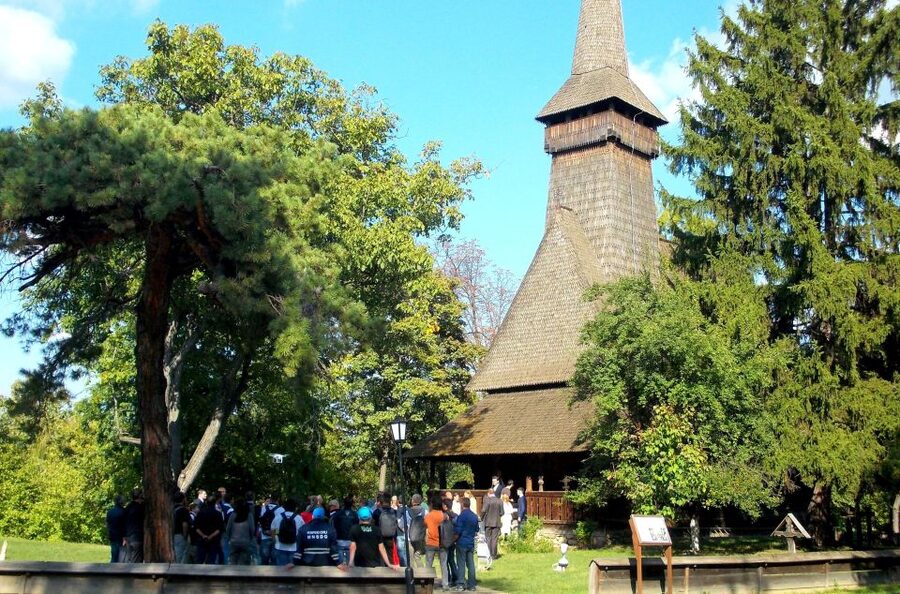
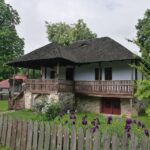
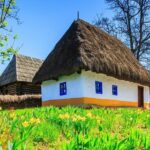
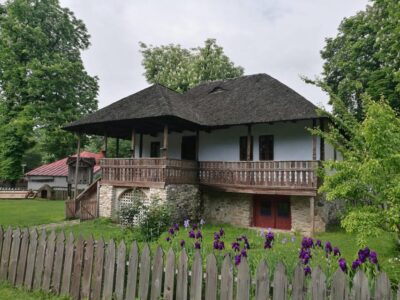
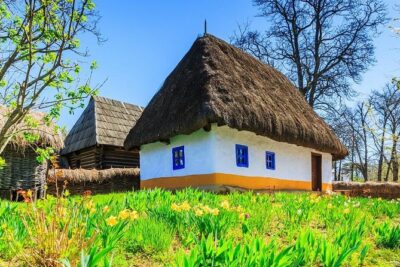
The best part of the Village Museum is how physical it feels. You do not just read about old Romania. You walk among steep-roofed peasant homes, thatched barns, and wooden churches arranged to represent older regional styles.
This museum was built in 1936 inside King Michael Park, and it preserves more than 300 buildings that were brought in from across Romania and reassembled on site. That matters because you are seeing architectural choices that grew out of local climate, materials, and daily life, not just a theme-park version of the past.
I especially like the way the guide frames architecture as history you can walk through. You start connecting details you might otherwise miss. For example, you begin to notice how roofs, building materials, and layout change as the museum moves through the country’s different historical regions.
And yes, this is the kind of place where you might find yourself slowing down just to look closely. Traditional objects and folk details show up everywhere, from how people dressed to what they made for home life.
A practical tip: wear walking shoes and bring sun protection. Even with a guided pace, you are outside for a chunk of the experience.
The regions you can actually see, from Transylvania to the Danube Delta
One of the most useful things this tour does is give you a mental map of Romania through buildings and crafts. The Village Museum spans architectural cues linked to Transylvania, Wallachia, Moldavia, and more coastal or delta areas, depending on what you are looking at during your visit.
Here is the approach I like: as you move through the museum, the guide helps you match what you see with the kind of life that shaped it. Wooden churches and mountain cabins bring you toward a Transylvanian feel. Bigger inns and mansions point you toward Wallachia and Moldavia. Windmills and thatched roof houses steer you toward the Danube Delta and the Black Sea coast influence.
It is not about memorizing facts. It is about recognizing patterns. That makes the rest of your day easier, because when you hit the craft stop later, the items you see start making sense in cultural context instead of just looking decorative.
If you like photography, this is a great stop. You get natural “set pieces” all around, with a mix of house exteriors, church shapes, barns, and village-scale streets that help you frame pictures without having to hunt for angles.
Folk details that connect clothing, eggs, and pottery to everyday life
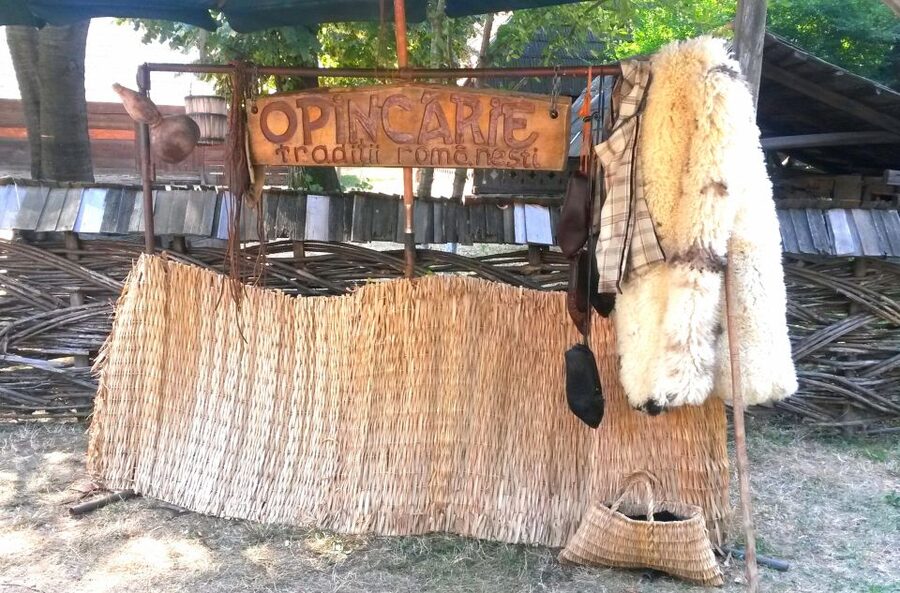
The second stop shifts from architecture to hands-on culture. At a local art and craft shop, you can admire items that are traditionally handmade and tied to specific regions.
This is where the tour becomes more than a museum visit. You get to see objects like traditional Romanian blouses called ie, glass painted icons, and Easter painted eggs from Moldavia. If you have a soft spot for pottery, the shop is also known for Horezu pottery from Wallachia, which is the kind of craft piece you can recognize as Romanian even before you study the details.
There are also smaller folk items that work well as souvenirs because they tell a story visually. Wooden masks and trinkets from Transylvania are the kind of things you might not find anywhere else in the city in a similar form.
One fun bonus is that you may see Dracula themed souvenirs, books, and traditional sweets like knot cookies and chocolate nuts. That section is more playful than the village architecture, but it still fits the overall theme of cultural symbols.
My advice: if you plan to buy gifts, set aside part of your shopping time to compare shapes and craftsmanship, not just price. Handmade items can vary in size and detail, and a few extra minutes can mean the difference between a nice souvenir and a “this feels right” purchase.
Wine tasting where the guide links grapes to place
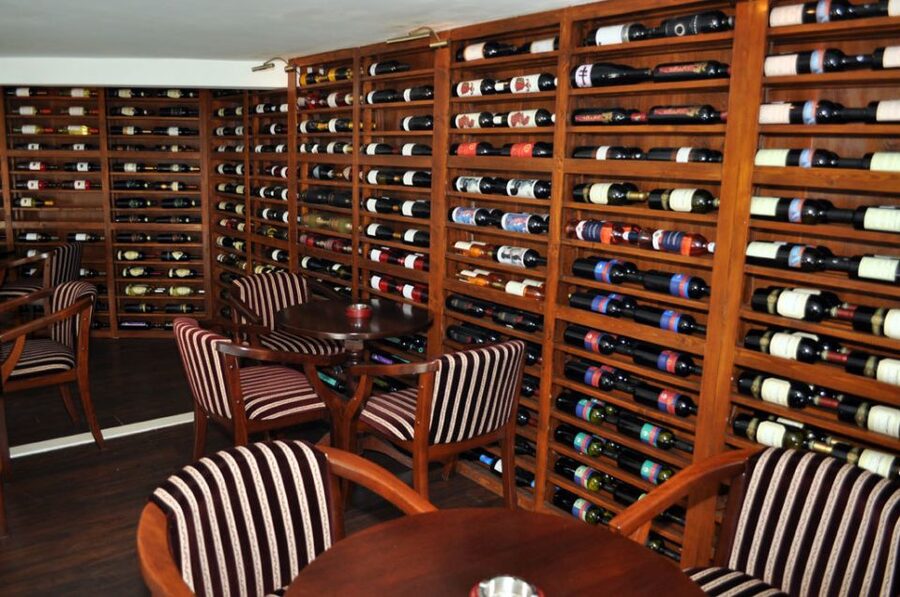
After architecture and crafts, the tour naturally turns to food and drink, and that is where I think the value really lands.
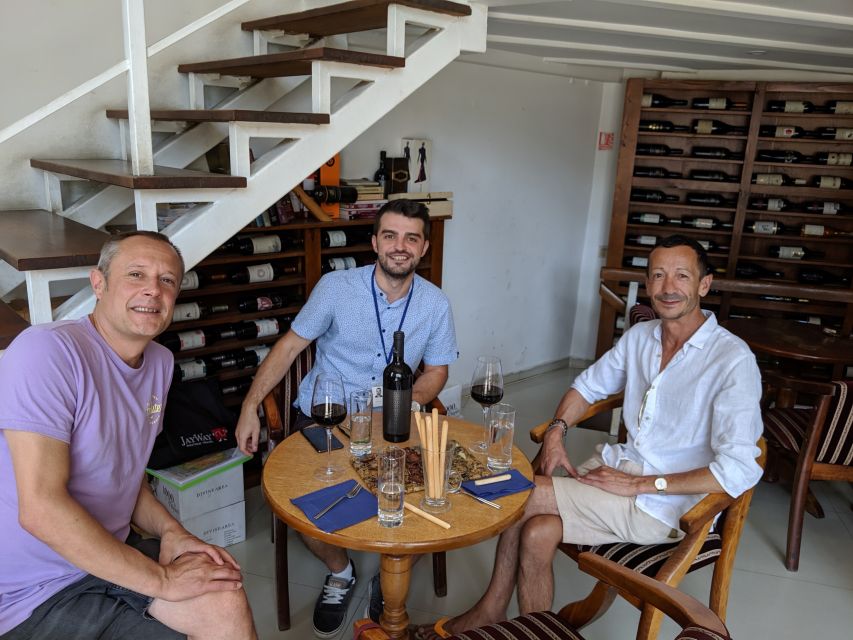
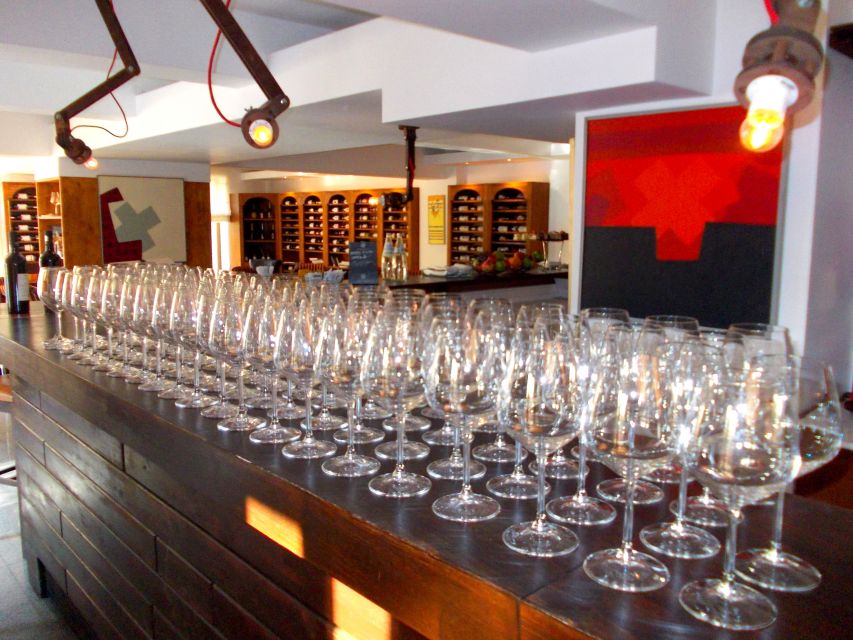
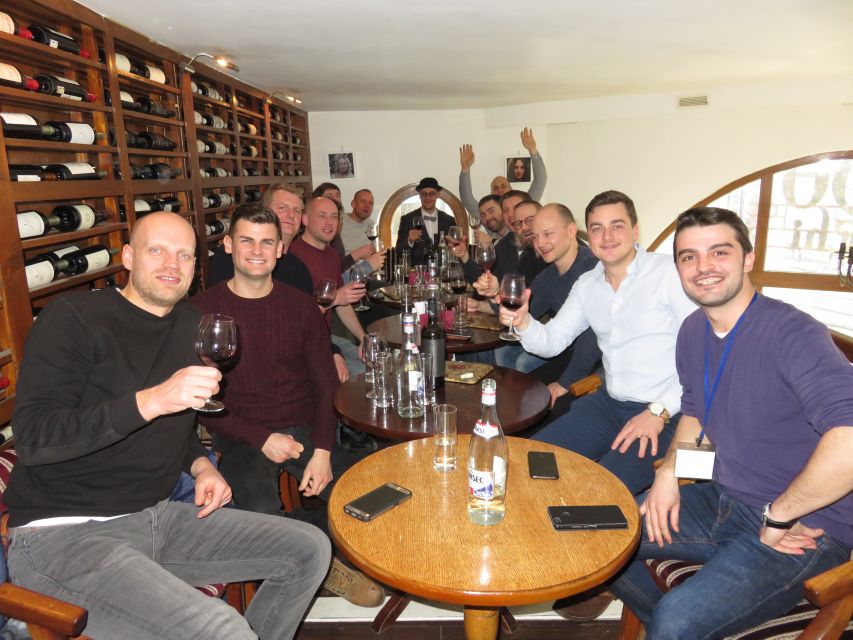
At the wine bar, you get three glasses of Romanian wine plus cheese and charcuterie and a glass of water. It is not a long wine course, but it is enough to notice differences between the wines and to ask questions without feeling rushed.
The guide talks about the history of local wine and how the industry has revived in recent decades. You also get a geography lesson through wine regions. For instance, the tasting includes guidance about terroir in places like Dealu Mare, which helps you understand why wines from different areas can taste different even when they are both Romanian.
Then you get to the grape varieties, and this is where the tasting becomes more interesting than the usual “red and white” approach. You might taste Feteasca Neagra, Tamaioasa Romaneasca, and Negru de Dragasani. Those names sound like homework until you try them. Once you have a few sips, they start to sound like a map.
Practical note: you are tasting wine, so plan to keep your evening calm if you have more drinks in mind. Even if you feel fine, it is still a day of walking and sun, so pacing helps.
Elsewhere in Bucharest, and up the valley
What the Romanian Athenaeum stop adds to your half day
A quick pass by the Romanian Athenaeum helps you reconnect the countryside vibe to Bucharest’s center. You get a short photo stop, and you end near the Athenaeum area.
This matters because the tour ends in a place you can orient yourself from. You are not dropped in a random spot. You finish close to the Old Town area, which makes it easier to keep exploring on foot afterward.
I like ending this kind of tour in the city center because it lets you switch modes. Morning or early afternoon tends to be discovery and walking. Later, you can switch to café breaks, a stroll, and browsing shops without needing another transport decision right away.
Timing, comfort, and walking realities
The tour lasts about 4.5 hours, and the structure is built for flow: pickup, guided museum time, then crafts, then wine.
The museum part includes both a visit and guided walking, and the itinerary includes short gaps for moving between stops. You can expect a mix of indoor and outdoor time, but the Village Museum is the main walking component.
That outdoor factor is the main consideration I would flag. If it is especially hot, you will want water and sun protection. If it rains, you might still enjoy the architecture, but your comfort will depend on the weather.
The good news is that the experience is private, so the guide can respond to your pace and questions. One guide example from recent feedback described adjusting during extreme heat, which is exactly what you want in a museum that is largely outdoors.
Value check: what you get for about $153 per person
Price is always personal, so here is how I think about it for this tour.
At $153 per person, you are paying for:
- Hotel pickup and private transport by car, van, or taxi
- A licensed guide for the full experience
- Museum entrance fees
- A guided tour at the National Village Museum
- Wine tasting with 3 glasses plus cheese and charcuterie and water
If you tried to piece this together alone, you would still spend money on transport and tickets, and you would miss the guided context that ties the museum, craft items, and wine together.
This tour is also a solid value if you care about more than just a checklist. You get the “why” behind what you see, especially at the wine bar where the guide connects grapes to regions and explains local varieties like Feteasca Neagra.
The one tradeoff is that it is private but still time-limited. You cannot expect hours of free wandering at the museum. You get a guided path that hits the best parts, then you move on.
Who should book this tour
This is a great fit if you:
- Want a culture-focused half day in Bucharest beyond churches and monuments
- Like traditional crafts and regional food and drink
- Prefer a private guided format so you can ask questions and move at your pace
- Want an easy way to learn about Romanian wine varieties in a low-pressure setting
It might be less ideal if you:
- Need wheelchair-friendly access, since it is not suitable for wheelchair users
- Have very young kids, since it is not suitable for children under 3
- Hate outdoor walking, because the museum visit takes place largely in the open air
Should you book Traditions in Bucharest?
Yes, if you want an experience that ties together Romanian village life, handmade crafts, and wine in one smooth route. The structure is efficient: museum first for context, crafts second for identity through objects, and wine third for a flavorful payoff.
I would book it if you are the type of traveler who likes meaning, not just sights. You end with a clear sense of how regions shape culture, and you get food and drink that feels connected to the day rather than random.
Skip it if your top priority is long free time in a single place or if weather and outdoor walking are major concerns for you.
If you are heading to Bucharest and you want a tour that feels distinctly Romanian, this one is a strong choice.
FAQ
What does the tour include for the wine tasting?
You get 3 glasses of Romanian wine, 1 water, and a cheese and charcuterie platter. The guide also provides information about the wines and local grape varieties.
How long is the experience?
The duration is about 4.5 hours.
Is hotel pickup included?
Yes. Pickup is included, and the guide waits in your hotel lobby next to the reception desk. If there is no lobby, the guide waits downstairs at the entrance.
Is this a private tour?
Yes, it is a private group tour.
What are the main stops?
The tour includes the Dimitrie Gusti National Village Museum (guided visit), a local art and craft shop, and a local wine bar for the wine tasting. There is also a short photo stop connected to the Romanian Athenaeum area.
Is it suitable for young children or wheelchair users?
No. It is not suitable for children under 3 years and it is not suitable for wheelchair users.
More Tour Reviews in Bucharest
More Bucharest Tours in Bucharest
Open-Air Romania


Just added from Bucharest


Village Museum Tours, compared.
 ★ 4.9Palace of the Parliament, Village Museum & Ceaușescu MansionFrom $4531 reviews
 ★ 5.0Traditions in Bucharest: Village Museum and Wine Tasting TourFrom $14827 reviews
 ★ 4.5Private Bucharest city tour visit the Palace of the Parliament & Village MuseumFrom $23521 reviews
 ★ 5.0National Village Museum and Salt Mine in a Day TourFrom $1206 reviews
 ★ 5.0Village Museum Bucharest Guided TourFrom $696 reviews
 ★ 4.6Bucharest City Tour with Village MuseumFrom $1365 reviews
 ★ 4.0Bucharest one day tour with Parliament Palace and Village MuseumFrom $1385 reviews
 ★ 5.0Snagov Monastery, Ceaușescu Mansion, & Village Museum – 6hFrom $2543 reviews
Browse the lists this tour appears in