
REVIEW · TRANSYLVANIA DAY TRIPS
The essence of Saxon Transylvania – 3-day tour of its citadels
Transylvania in three days is fast, but it works. You get the medieval DNA of the Saxon towns, the defensive church culture at Biertan, and the castle stops people actually travel for: Bran and Peles. The best part is how the route turns Dracula-adjacent legend into something grounded in trade routes, religion, and power struggles.
I also like the way the days are paced: you’re not just driving past places. You spend real time in the old centers, and you get guided context in each town, including the story threads that connect Mircea the Elder, Vlad the Impaler, and the Saxon communities. One possible drawback is the schedule can feel packed, and since meals aren’t included, you’ll want to plan simple lunch breaks around the sightseeing blocks.
Key highlights to look forward to
- Saxon citadels in real walking doses, not quick photo stops
- Biertan Fortified Church (UNESCO), with walls built for protection
- Sighisoara’s Clock Tower area and fortifications, plus Vlad connections
- Brasov’s medieval core, including the Black Church and Rope Street
- Bran and Peles castles in one smooth arc, from legend to royal showpiece
- Guide storytelling, including expert English and lots of sharp anecdotes (Gelu and Vlad)
Deeper into Transylvania
- Transylvania and Dracula Castle Full Day Tour from Bucharest★ 4.5 · 1,589 reviews
- Castles of Transylvania: Private Day Trip from Bucharest★ 4.5 · 248 reviews
- 2-Day Medieval Transylvania with Brasov,Sibiu and Sighisoara Tour from Bucharest★ 4.5 · 145 reviews
- 2-Day Transylvania from Bucharest: Brasov, Bran, Sighisoara★ 5.0 · 60 reviews
The value question: is $914.51 worth it?
At $914.51 per person, this is not a budget hop, but it is also not just sightseeing tickets. You’re paying for transportation in an air-conditioned vehicle, private movement, and a guided approach that stitches history to what you’re actually seeing.
The included pieces matter. You get 2 nights in a 3-star superior hotel or guesthouse with breakfast (double room occupancy), plus all fees and taxes. Important site entries are included for several top stops like Biertan, Sighisoara, Brasov, Bran Castle, and Peles Castle, which saves you time and decision fatigue.
What you do need to budget for: meals. Lunch and dinner are on you, and photo fees are not included. If you’re the type who likes to eat well and slowly, you’ll probably spend more than expected unless you plan ahead.
From Bucharest pickup to a first medieval stop
You start in Bucharest, with pickup offered at your hotel or at the airport. That small detail is a big deal on day one, because it means you lose less time to logistics and more time to scenery and landmarks right away.
Then you head toward the Olt River’s Valley, a route that sets the tone for the trip. It’s not just about castles. It’s about the corridors where people moved, traded, and competed, which is why the later town walls and fortress churches make sense.
If you’re sensitive to long drives, keep expectations realistic. This is a three-day program designed to hit major sites, so there’s plenty of time in the car between stops.
Cozia Monastery, a strong opener near Mircea the Elder
Your first stop is Cozia Monastery, founded in 1388 by Mircea the Elder, the Wallachian prince tied to later Vlad family legends. It’s a calm start, and you get a short visit before the Saxon towns start demanding your attention.
What I like about this opening is that it gives you a historical “anchor” early. Mircea the Elder connects the Wallachian and Saxon worldviews, which helps when Sighisoara later shows up as a Vlad birthplace.
This stop runs about 30 minutes, and the admission is free. That makes it a good palate cleanser before the longer walking sections.
Sibiu old town: Council Tower views and German-era squares
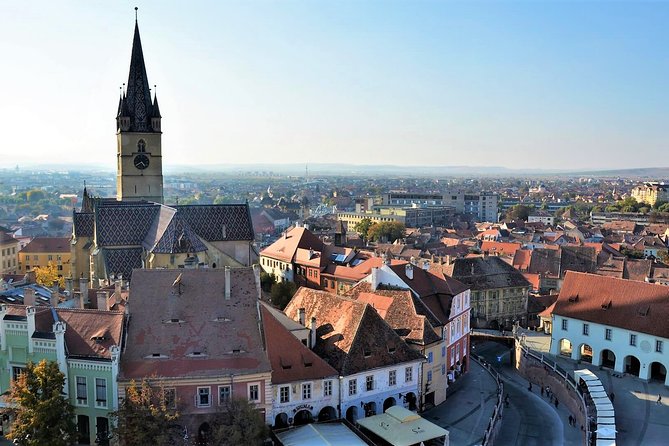
Sibiu is where the trip starts feeling like a medieval city you can actually imagine living in. You walk the old streets and hit major plazas including the Grand Square, Small Square, and Albert Huet Square (noted as dating back to the 12th century). It’s a tidy way to learn the town’s layout without feeling lost.
You also get a guided look at key churches. You’ll visit the Orthodox Cathedral, with similarities to the Saint Sophia style noted in the tour framing, and you’ll also see the impressive Evangelical Church. That mix is a clue to the region’s layered identities.
The practical payoff is the climb to the Council Tower for views over Sibiu. If you’re okay with stairs, this is one of the best “effort to reward” moments of day one. Admission is free here, and the guided time is about 2 hours.
Elsewhere in Bucharest, and up the valley


Biertan Fortified Church: the UNESCO defense walls that make sense
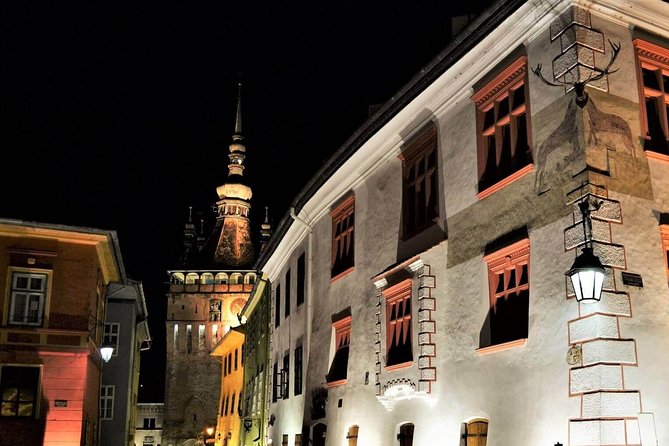
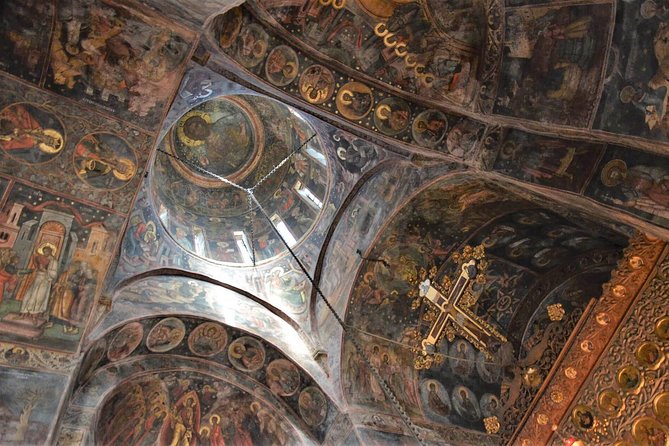
Day two starts with Biertan Fortified Church, a UNESCO World Heritage site. This is one of the most meaningful stops on the whole arc, because it shows how religion and security overlapped for Saxon communities.
Biertan was the seat of the Lutheran bishopric for centuries, and that history explains the fortifications. The church was built between 1486 and 1524, and you’re seeing structures designed for protection, not just worship.
What to look for when you’re inside:
- The defense walls around the church
- The beautiful nave ceiling
- The collection of tombstones of former bishops and notable figures
The time here is about 1 hour, with admission included. The short visit length is actually a plus, because fortified sites can feel overwhelming if you try to absorb everything at once.
Sighisoara citadel: Clock Tower, hill church, and Vlad connections
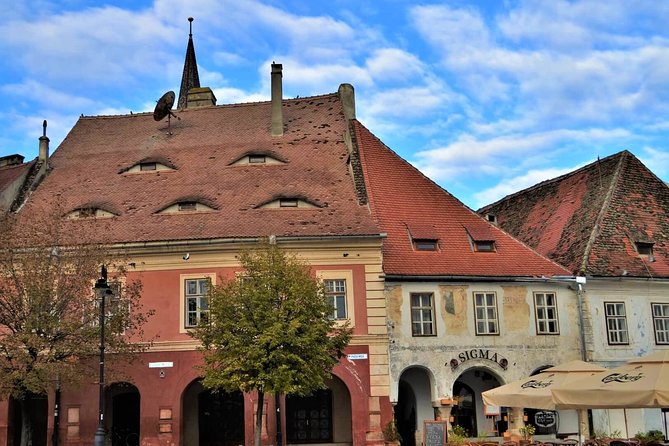
From Biertan you head to Sighisoara, traveling through Saxon villages and forested stretches. En route, it’s a reminder that the Saxon story wasn’t only city walls and castles. It was also day-to-day village life, shaped by distance, farming, and the need to defend what mattered.
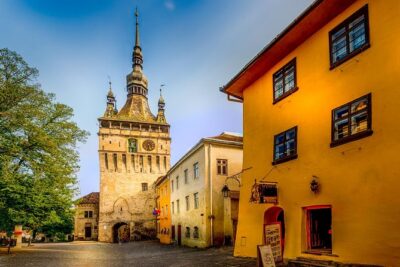
In Sighisoara, you spend around 2 hours in the medieval citadel, also marked UNESCO. The must-see areas include the Clock Tower, the Church on the Hill, the stairs, the fortifications, and the towers.
Here’s why this stop hits. The tour connects Sighisoara to the birthplace of Vlad the Impaler, linking back to Mircea the Elder from day one. Even if you’re not obsessed with Dracula, this is where legend becomes a gateway to the region’s real historical tensions.
After lunch in Sighisoara, you continue on to Brasov.
Along the way you’ll also see two notable sites from the road:
- Saschiz Fortified Church (UNESCO), with a tower that’s compared to the Clock Tower in Sighisoara
- Rupea fortress, described as one of Romania’s oldest fortifications, built over earlier Roman and Dacian forts
You don’t get long visits here, but those views help you understand how dense and defensive the area was.
Brasov historical center: Black Church, fortress remains, and Rope Street
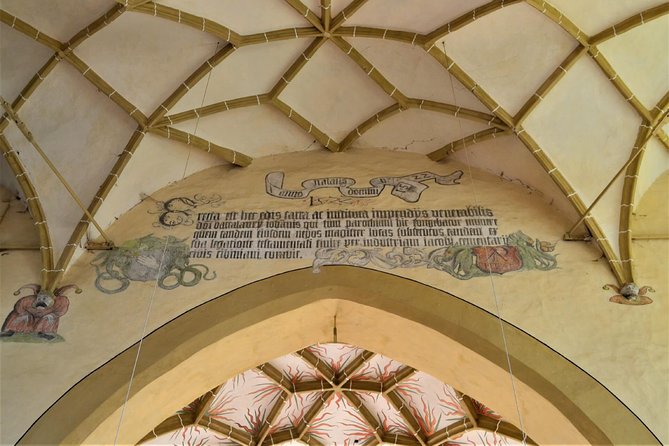
Once you reach Brasov, you check in to your hotel and then go straight into the medieval core. Brasov is shaped by industry and migration, and it has the feel of a place that pulled people in for work, not just tourism.
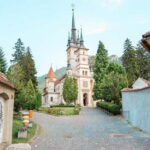
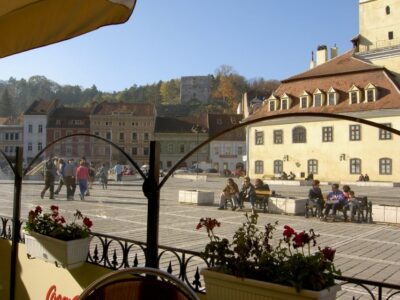
You’ll see the Black Church, a 14th-century Gothic landmark. You’ll also look at the remaining elements of the medieval fortress, including bastions and towers, which helps explain how the city guarded itself as it grew.
Then there’s Rope Street, described as possibly the narrowest street in the world. That’s the kind of detail you’ll remember, because it’s concrete. You can’t miss it, and it instantly gives you scale for how people moved through the old town.
Your guided time here is about 2 hours, and admission is included for the stops outlined. This is also a good day to refuel. Since meals aren’t included, decide in advance whether you want a sit-down lunch in Brasov or quick bites near the sights.
Bran Castle: strategy first, Dracula second
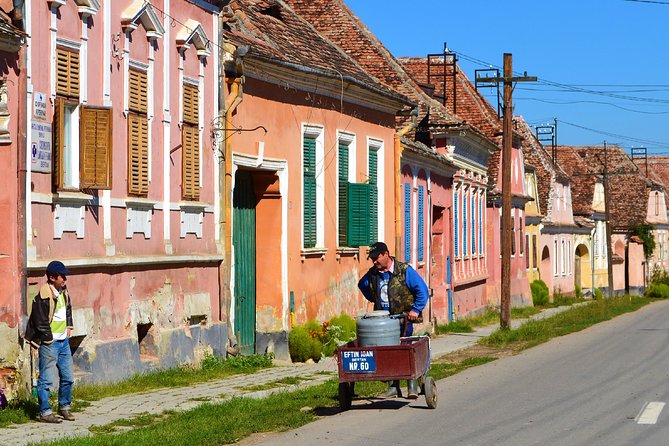
On day three, you travel toward Bran. From Brasov, you can view Rasnov fortress from afar, built in the 13th century. The sightline moment is short, but it sets up the theme: fortifications weren’t optional here.
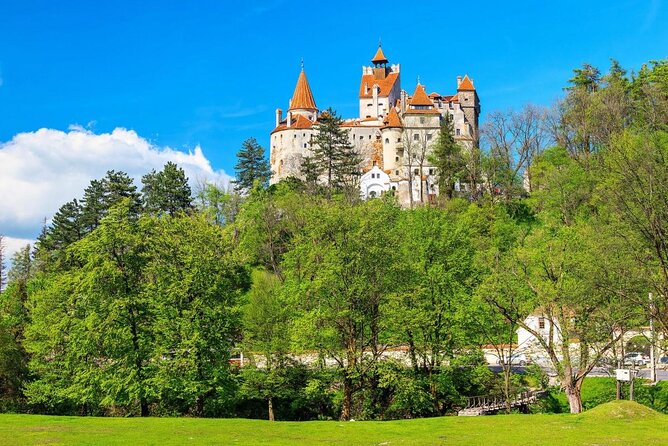
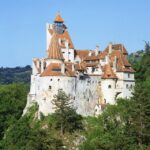
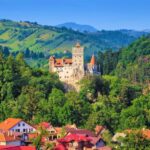
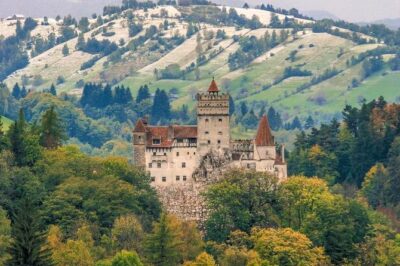
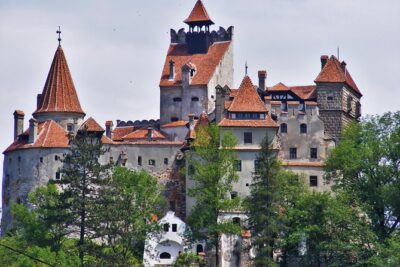
Then you arrive at Bran Castle, also known as Dracula’s Castle. It was built in the 14th century to guard a strategic commercial route between Wallachia and Transylvania. That framing is important. It shifts the focus from movie myths to the actual geography and trade logic that made this place valuable.
You’ll have about 2 hours at Bran, with admission included. The castle is built on a rock edge in a way that made it hard to approach. That defensive positioning is one reason the architecture still feels dramatic even without special effects.
Peles Castle at Sinaia: royal modernity in the afternoon
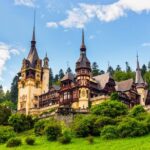
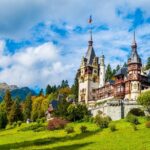
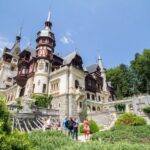
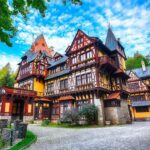
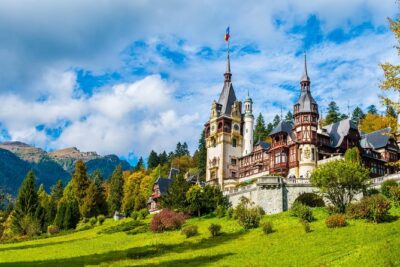
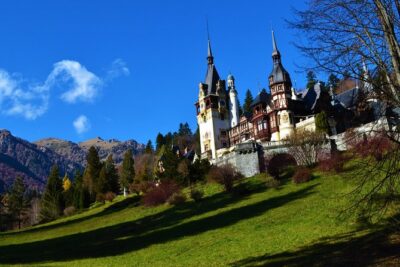
After Bran, you head to Sinaia. The timing is early afternoon so you can visit Peles Castle, built in the late 19th century. This stop is a sharp contrast to the medieval tone, and it’s worth it for that change of pace alone.
Peles Castle is described as flamboyant, and it reflects the style of King Carol I of Romania, a ruler of German origin. The tour connects Carol I to modernization and long rule, while also mentioning the king’s persistence, as Elisabeth is quoted as describing his attitude toward the crown.
You’ll spend about 2 hours at Peles, with admission included. If you like architecture and the way power expresses itself in details, this is where the trip expands beyond walls and towers.
Guide impact: why Gelu and Vlad make history stick
A major reason this tour earns such high marks is guidance quality. In the feedback I’m using to shape expectations, Gelu is praised for very good English, strong knowledge of local history, and storytelling that keeps the trip moving. Another guide, Vlad, is also mentioned as part of the experience for at least some groups.
What that means for you in practical terms: you won’t just get names and dates. You get explanations that make the sites line up. You’ll understand why defensive walls appear around churches, why towns have specific shapes, and why legends cling to certain places.
It also helps if you’re worried about language. If you’re more comfortable reading history than speaking it, a guide who can deliver clear English and solid anecdotes can make the difference between a trip that feels like ticking boxes and one that feels like coherent travel.
Pacing and logistics: how to enjoy a full three days
This is a three-day sprint through several major areas, so you should travel with a “less, but better” mindset. You’re not trying to memorize every stone. You’re trying to build a mental map of how Saxon communities and local rulers interacted.
A few pacing tips that fit the itinerary rhythm:
- Wear shoes that handle cobblestones and stairs, especially for Council Tower in Sibiu
- Bring a jacket. Castle interiors and mountain-adjacent weather can change fast
- Plan your lunches around the town stops, because meals are not included
- Bring a phone charger. You’ll use your camera for towers, walls, and street views like Rope Street
Also, remember that the most important sites like Biertan, Sighisoara, Brasov, Bran, and Peles have included admissions. That reduces hassle and keeps you moving.
Who should book this Saxon Transylvania tour
This tour is a strong match if you want:
- A guided overview of Saxon citadels in a short time
- Medieval churches and fortified structures, not only castles
- A Dracula connection that is grounded in trade routes and history
- A mix of older Saxon towns and later royal-era architecture
It’s likely less ideal if you hate long drives, or if you want lots of free time in each city for independent wandering. The three-day structure is designed to cover a lot, and that means you’ll follow the group pace more than you might on a custom itinerary.
Should you book it?
I’d recommend it if you like history with a concrete visual trail. The best value isn’t just the famous names. It’s how the route connects fortified churches, town defenses, and castle strategy into one readable story.
If you’re okay with a packed schedule and you plan your meals, the included admissions and 2 nights with breakfast make the price feel more reasonable. If you want slow travel and lots of downtime, you might prefer a longer stay and fewer stops.
FAQ
What is the duration of the Saxon Transylvania tour?
The tour lasts approximately 3 days.
Where does the tour start?
The tour starts in Bucharest, with pickup offered at your hotel or at the airport.
How much does the tour cost?
The price is $914.51 per person.
Are meals included?
No. Meals are not included.
Which attractions have admission included?
Admission is included for Biertan Fortified Church, the Sighisoara citadel visit, Brasov historical center stops, Bran Castle, and Peles Castle. Admission is listed as free for Cozia Monastery and Sibiu.
Is transportation included?
Yes. The tour includes an air-conditioned vehicle and private transportation, with all fees and taxes included.
What is the cancellation window for a full refund?
You can cancel up to 6 days in advance for a full refund.
More Tours in Bucharest


More Tour Reviews in Bucharest
Transylvania, Further In

Just added from Bucharest


Transylvania Day Trips, compared.
 ★ 4.5Transylvania and Dracula Castle Full Day Tour from BucharestFrom $351,589 reviews
 ★ 4.5Castles of Transylvania: Private Day Trip from BucharestFrom $151248 reviews
 ★ 4.52-Day Medieval Transylvania with Brasov,Sibiu and Sighisoara Tour from BucharestFrom $120145 reviews
 ★ 4.8Transylvania: Dracula’s Castle and Birthplace TourFrom $175123 reviews
 ★ 5.02-Day Transylvania from Bucharest: Brasov, Bran, SighisoaraFrom $40960 reviews
 ★ 4.8Transylvania: Cultural Full-Day Trip by MinivanFrom $44157 reviews
 ★ 5.04-Day Private Tour in Transylvania from BucharestFrom $1,17548 reviews
 ★ 5.0Private Tour: Transylvanian Castles and Brasov’s Medieval Old TownFrom $19242 reviews
Browse the lists this tour appears in