
REVIEW · TRANSYLVANIA DAY TRIPS
3-Day Tour of Transylvania’s Landmarks from Bucharest
Castles feel close, not hurried, on this route. You get a structured 3-day circuit from Bucharest into the Carpathian region, with one main guide handling the flow and Unesco-level landmarks that are far more interesting when someone explains the stories behind them.
I especially like the built-in pacing. You spend real time in walkable historic centers like Sighișoara and Sibiu, instead of bouncing in and out with no breathing room.
One thing to plan for is the cost of entrance tickets and some walking. Several big sites are listed as not included, and Sighișoara includes the 180-step Covered Staircase, so moderate fitness helps.
Key highlights worth your attention
- A consistent guide, with extra help when needed: Guides like Ovidiu Botoni are praised for keeping the days organized and calm rather than frantic.
- Bran Castle explained beyond Dracula: You’ll get the real history of the fortress and why the Dracula link is shaky.
- Sighișoara’s fortified hilltop feels medieval-literal: Ring walls, defense towers, and the hilltop church area come with context.
- Biertan Fortified Church is not just pretty, it’s political: It served as a Lutheran bishop seat for centuries.
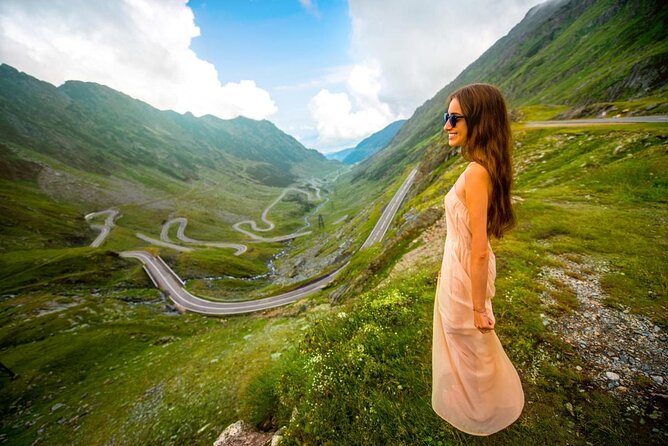
- Day 3 changes with conditions: In July through September you may drive the Transfăgărășan Highway, otherwise it becomes a scenic Olt Valley route.
- Comfort-first logistics: Air-conditioned, Euro 6-ranked vehicles plus parking fees included take pressure off your planning.
Deeper into Transylvania
- Transylvania and Dracula Castle Full Day Tour from Bucharest★ 4.5 · 1,589 reviews
- Castles of Transylvania: Private Day Trip from Bucharest★ 4.5 · 248 reviews
- 2-Day Medieval Transylvania with Brasov,Sibiu and Sighisoara Tour from Bucharest★ 4.5 · 145 reviews
- 2-Day Transylvania from Bucharest: Brasov, Bran, Sighisoara★ 5.0 · 60 reviews
From Bucharest into the Carpathians, without the headache
This is the kind of tour you book when you want the big-name Transylvania hits, but you also want the trip to feel under control. Your day starts at 10:00 am in Bucharest, and pickup is offered, so you are not scrambling to arrange your own transfers.
Transportation is handled with an air-conditioned vehicle rated Euro 6, and parking fees are included. That sounds minor until you realize how much time and stress it can save in smaller towns where parking and road navigation can turn into a headache.
The driving is also part of the experience. You are leaving the city and working your way into the Carpathian mountain world, where the architecture shifts and the cultural mix becomes obvious in the villages and old towns you visit.
And yes, the “castle circuit” includes the castles you expect. But what makes it work is that the stops are timed and paced like a tour, not like a checklist.
Day 1: Peleș Castle, Bran Castle, and Brasov’s Old Town core
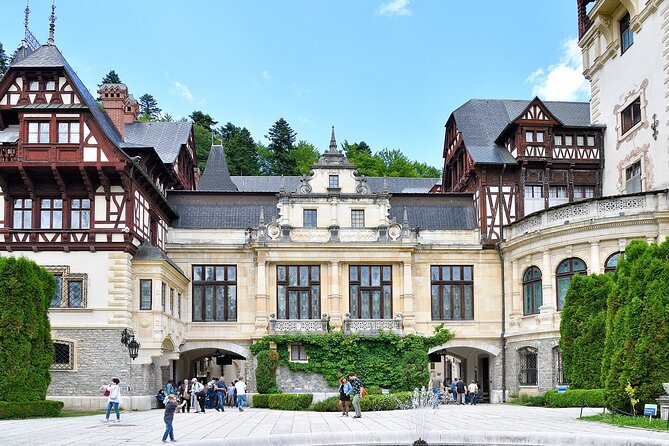
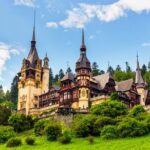
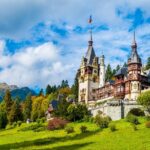
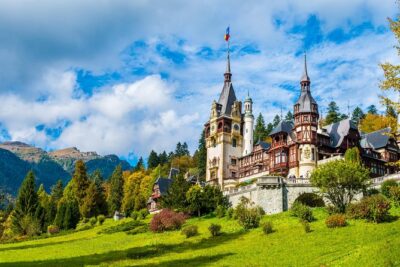
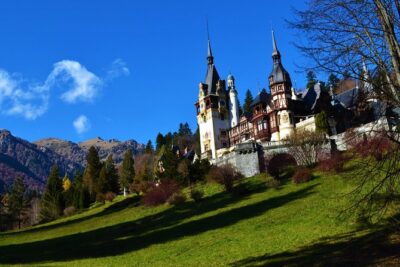
Peleș Castle in Sinaia (1873) with Neo-Renaissance and Gothic Revival flair
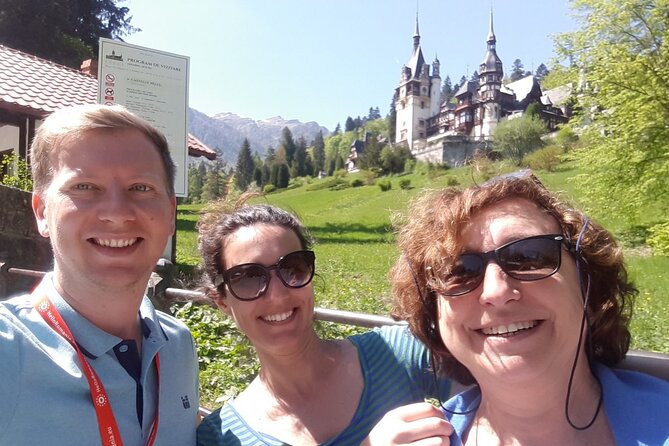
You start north for Sinaia, a mountain resort town in the Carpathians. The main draw here is Peleș Castle, built for King Carol I. The exterior blends Neo-Renaissance and Gothic Revival lines, while the interior leans heavily Baroque, with ornate details in woodwork and luxurious furnishings.
You get 1 hour 30 minutes. That’s enough time to see the overall layout, notice the style changes room by room, and still have energy left to move on. If you rush this kind of place, you lose the craftsmanship.
Admission tickets are listed as not included, so budget for that. I’d also suggest wearing comfortable shoes. Even if the walking sounds short on paper, castles tend to mean stairs, uneven surfaces, and a lot of time standing still to look up.
Bran Castle, the Dracula detour that still earns its spot
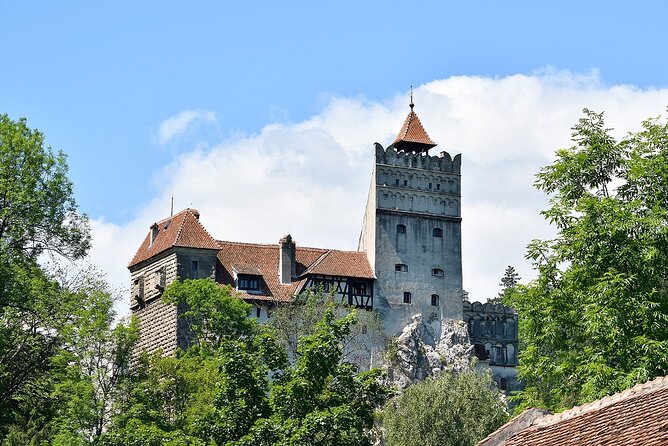
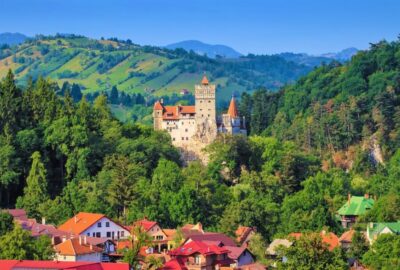
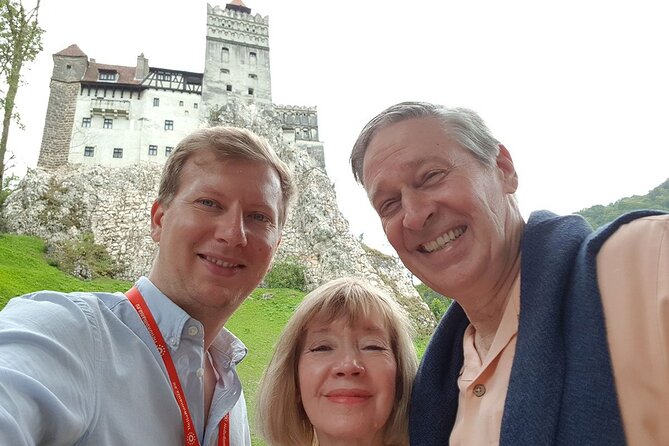
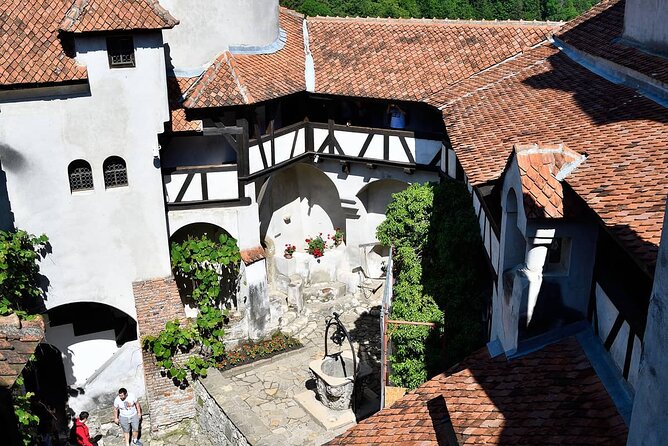
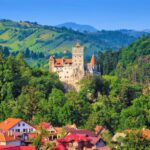
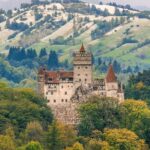
Next comes Bran Castle, often marketed as Dracula’s castle. The good news is that the experience is not built on myth alone. You’ll be told plainly that the Dracula connection is inaccurate, with no solid evidence linking Vlad Țepeș or Bram Stoker to this specific fortress.
Instead, you get the real layered history: an earlier fortress on this site dates to the early 13th century, Mongols destroyed the first wooden structure in 1242, and then the King of Hungary granted Saxons authority to build the stone castle at their own expense and labor in 1377. Today, it functions as a museum that also includes Queen Marie of Romania’s furniture and art collection.
You have 1 hour 30 minutes. That amount of time usually hits the sweet spot: long enough to understand why the castle’s story matters even if the Dracula story does not, and short enough that the day stays light.
Admission tickets are also not included here. One practical tip, if you want to avoid delays, is to have some flexibility in your schedule for ticket lines and security checks at popular sites.
Elsewhere in Bucharest, and up the valley
Brasov for a quick but satisfying city read
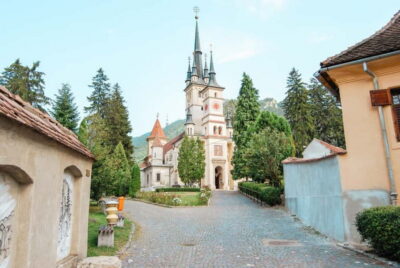
After Bran, you reach Brasov, surrounded by Carpathian mountains, with gothic, baroque, and renaissance architecture. The time budget is 1 hour 30 minutes, and it’s not trying to turn into a multi-day stay.
Brasov traces back to a 1211 founding by the Teutonic Knights on an older Dacian site. Later, Saxon settlement made it one of Transylvania’s walled citadels, called Siebenburgen.
That historical layering is visible as soon as you look around. In this kind of quick stop, you’re mostly building recognition: what the streets feel like, what the church and civic buildings are doing stylistically, and where the old-town energy is.
This stop is listed as free in terms of admission, which helps keep the day from turning into constant fee-paying.
Day 2: Sighișoara’s hilltop defense, Biertan’s fortified church, and Sibiu’s German feel
Sighișoara’s Historic Center and the climb to Church on the Hill
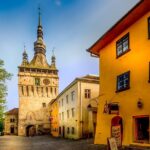
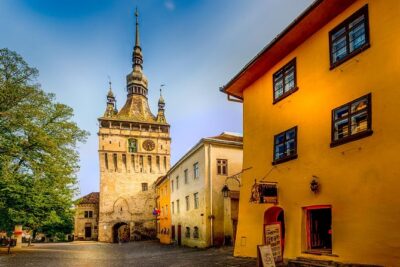
Day 2 starts with Sighișoara, a medieval citadel on a hill. The fortifications are a big part of why this place feels real: a 930-meter ring of walls, 14 defense towers, and five artillery bastions.
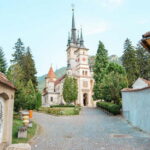
Your walking tour is 2 hours. There’s a key climb: the Covered Staircase, Scara Şcolarilor, with 180 steps up to the Church on the Hill (Biserica din Deal) and the Saxon Cemetery area.
This is where the moderate fitness note matters. You do not need to be a mountaineer, but you should be comfortable doing a steady climb and then standing around to look at church views and old stone details.
Sighișoara is also tied to Vlad Țepeș, with the 1431 birthplace of him as the Prince of Wallachia tied to the Dracula legend. Even if you care only a little about vampire lore, the name carries you into the bigger story of medieval politics in the region.
The Historic Center includes merchant houses with well-preserved facades in pastel colors and Medieval German architecture. The clock tower is described as being 700 years old, which gives you a good sense of why the city still feels anchored rather than staged.
This stop is listed as free for admission ticket, which makes it a great day for photographers and people who like walking without extra costs.
Biertan Fortified Church: Lutheran power in a walled village
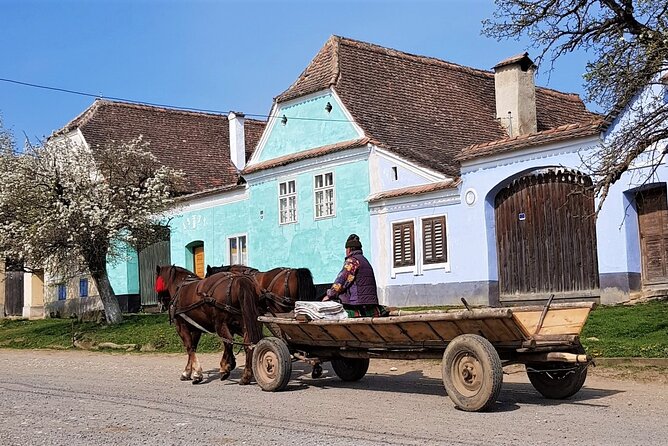
After Sighișoara, you go to Biertan, known as one of the most important Saxon villages protected by fortified churches. This is a UNESCO World Heritage-type stop in the spirit of the tour, and it has a functional backbone, not just “pretty stone” vibes.
The Fortified Church served as the seat of the Lutheran Evangelical Bishop from 1572 to 1867. That’s a huge time window, meaning this church was not only a religious symbol. It was administration, authority, and community life rolled into one stone complex.
You also get a time budget of 1 hour here, but admission tickets are not included. If you’re trying to manage overall costs, this is one of the sites you’d plan to pay for ahead of time rather than treating it as a surprise.
Biertan’s story also includes the Saxon town founding between 1224 and 1283 and a shift in economic importance as other nearby cities grew.
Sibiu: old town walls, Brukenthal Palace, and the Bridge of Lies
Next is Sibiu, with an Old Town that still looks strongly German. Portions of the medieval wall remain, along with three of the city’s original 39 towers.
You’ll see key places like Great Square and the late-Baroque Brukenthal Palace, which houses one of Romania’s most impressive museums. You’ll also spot the Bridge of Lies (Podul Minciunilor) and Haller House, known for its preserved Renaissance structure and the trademark window arrangement.
Your time is 2 hours, listed as free for admission ticket. That makes sense because Sibiu rewards slow walking. Even in a short visit, you can feel the city’s rhythm by comparing the square areas, church exteriors, and the way the old buildings line up around courtyards.
Day 3: Transfăgărășan or Olt Valley mountain drive, then Curtea de Argeș monastery
Transfăgărășan Highway drive in July through September
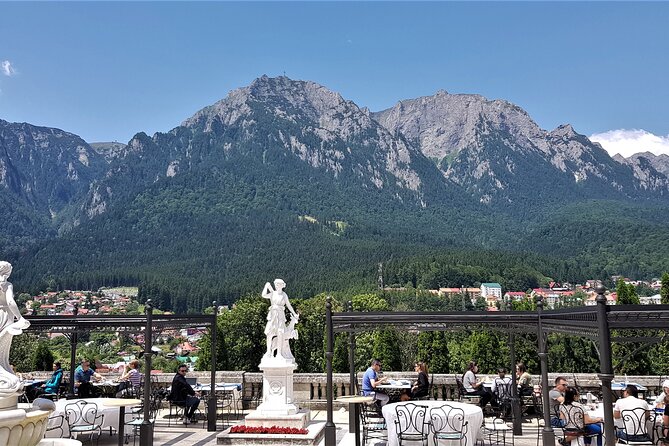
On Day 3, the tour includes a major scenic driving segment: the Transfăgărășan Highway. This depends on timing. If your trip runs during July through September, you travel through the southern Romanian Carpathians, crossing high peaks like Moldoveanu and Negoiu and linking Transylvania and Wallachia in the drive.
It’s listed as 2 hours for this segment and admission is free. This is the day where the scenery becomes part of the sightseeing, not a random transfer.
If the highway is not open, it becomes the Olt Valley route
If the Transfăgărășan Highway is not open, your guide switches to a scenic route through the Olt Valley, between the Căpăţânii, Lotru, and Făgăraș mountains.
The tour also highlights a historical angle: Romans forged an ancient trade route here, later used by Middle Ages merchants traveling deep into Transylvania. So even if the views are the headline, you are also getting a sense of why people have moved through this area for centuries.
Curtea de Argeș Monastery, Georgian and Armenian influences plus Islamic geometric motifs
After the mountain drive, you end with Curtea de Argeș Monastery, 45 minutes. It is described as a unique architectural blend, uniting influences from Georgia and Armenia, with Islamic geometric motifs.
The monastery construction is dated to 1515 to 1517. You’ll also hear the famous legend of Meșterul Manole, the masterbuilder, and the commissioning by Prince Negru Voda (Radu Negru). The legend comes in more than 100 versions, which tells you the story survived because people kept retelling it in different ways.
Admission tickets are not included. This is another place where the short time makes planning important. If you are the type who likes to read every plaque and look at every detail, 45 minutes can feel brief. If you’re more into the overall architecture and spiritual atmosphere, it’s a good length.
After sightseeing, your guide returns you to Romania’s capital to prepare for departure.
The guide and lodging rhythm that keeps the trip from feeling like sprinting
One of the most consistent positives in the feedback for this kind of tour is the pacing. The guiding style described is built to avoid overload. Instead of stacking too many stops too close together, the schedule leaves room to look, ask questions, and reset.
Ovidiu Botoni shows up as a frequent name tied to this experience. The best part of that is not just the name. It’s the pattern: he’s described as patient, helpful, and organized, with a focus on explaining history and geography in a way that makes the places easier to remember.
There are also mentions of specialist colleagues, meaning you might meet another guide for part of the day. The tour overall still aims for continuity by keeping the same main guide throughout most of your journey, so you do not feel like you are starting over every time you switch vans.
Lodging is arranged for you, and the feedback describes stays as comfortable, including cozy B&B or hotel setups. You should still treat this like a multi-stop tour. Your sleep comfort matters, so if you have strong preferences, it’s worth asking how lodging is handled when you book.
Value and cost: is $1,089.92 per person money well spent?
At $1,089.92 per person, this is not a budget tour. But it can still feel like value if you compare the real cost of doing the same thing on your own.
You are paying for:
- Private tour setup, meaning you are not sharing your day with strangers.
- Transportation in an air-conditioned Euro 6 vehicle, plus parking fees.
- A guide who stays with you through most of the trip.
- Overnight stays handled by the operator.
- A plan that strings together major historic sites without you doing route math every morning.
The two biggest “watch-outs” for cost are clear:
- Entrance tickets are not included for several major stops like Peleș Castle and Bran Castle, plus Biertan Fortified Church and Curtea de Argeș Monastery.
- If you need a single room, there is a single room supplement of 60 E per person.
So your total budget should be thought of as tour price plus site admissions plus any single-room add-on. If you plan ahead on tickets and you’re traveling as a couple or in a small group sharing rooms, the price can feel more reasonable.
Also, the tour includes a mobile ticket and group discounts are listed as a feature. If you can travel with friends or family, it’s worth asking whether you can benefit from pricing for your exact group.
Practical expectations before you go
Walking and stamina
This is a “moderate fitness” tour. You should expect:
- The 180-step Covered Staircase in Sighișoara.
- General walking around hilltop old towns and fortified areas.
If you know you tire quickly on stairs, tell your guide day-of. This is the kind of tour where a small adjustment in how you pace can save your energy.
Tickets and timing
Because several sites list admission as not included, you should plan to pay at least for the castle and monastery stops. The tour includes guided time windows that are likely protected, so it helps to have money ready and any needed documents at hand.
Season and mountain roads
Your Day 3 drive changes with conditions. July through September is when you may get Transfăgărășan Highway, while other times shift to the Olt Valley route or when the highway is not open. In both cases, the tour is built to keep the mountain day meaningful.
Who should book this tour, and who might not love it
This tour is a great fit if you:
- Want castles and fortified churches, plus the Transylvanian Saxon and German town feel.
- Prefer private structure over self-driving logistics.
- Like learning while you walk, not just taking photos.
You might want to think twice if you:
- Hate paying multiple separate entrance fees.
- Want a super slow pace with long museum time. Here, the time windows are designed to keep the circuit moving.
If you’re visiting Romania for the first time, the route gives you a strong “map in your head” fast. You leave understanding where the styles come from and why the region’s mixed heritage is visible in stone, streets, and church fortifications.
Should you book this 3-day Transylvania landmarks tour?
If your goal is a well-run, guided highlight route that connects Bucharest to Transylvania’s most famous historic stops, I’d book it. The biggest reasons are the organization, the focus on context behind Dracula-branded sites, and the fact that you are not doing the driving, planning, or lodging work.
Just do two things before you hit pay: budget for entrance fees, and be ready for a bit of stairs. If that fits your travel style, this is one of the more sensible ways to see the region in a short window.
FAQ
What time does the tour start?
The tour start time is 10:00 am.
Is pickup included?
Pickup is offered.
Is this a private tour?
Yes. It is a private tour/activity, and only your group will participate.
What is included in the price?
The listed inclusions are an air-conditioned vehicle, private transportation, and parking fees. A mobile ticket is included as well, and the operator handles transportation details and accommodations.
Are entrance fees included for the sights?
No. Entrance fees are not included.
Do I have to pay a single room supplement?
Yes. There is a single room supplement of 60 E per person.
What if I am not very fit for walking?
The tour notes a moderate physical fitness level is recommended. One key walking item is the 180-step Covered Staircase at Sighișoara.
Does the tour always include the Transfăgărășan Highway?
It depends on timing and road access. If the tour is July through September, it includes Transfăgărășan Highway. If it is not open, your guide will take the scenic Olt Valley route instead.
What is the cancellation policy?
Free cancellation is available. You can cancel up to 24 hours in advance for a full refund. If you cancel less than 24 hours before the experience’s start time, the amount you paid is not refunded. The policy also notes weather and minimum traveler number can affect the tour, with an alternate date or full refund offered in those cases.
More Tour Reviews in Bucharest
More Bucharest Tours in Bucharest
Transylvania, Further In

Just added from Bucharest


Transylvania Day Trips, compared.
 ★ 4.5Transylvania and Dracula Castle Full Day Tour from BucharestFrom $351,589 reviews
 ★ 4.5Castles of Transylvania: Private Day Trip from BucharestFrom $151248 reviews
 ★ 4.52-Day Medieval Transylvania with Brasov,Sibiu and Sighisoara Tour from BucharestFrom $120145 reviews
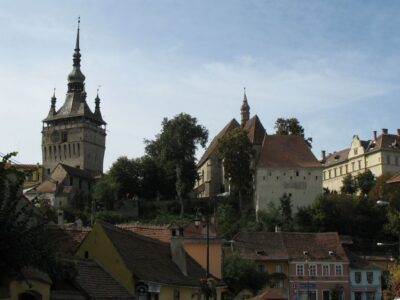 ★ 4.8Transylvania: Dracula’s Castle and Birthplace TourFrom $175123 reviews
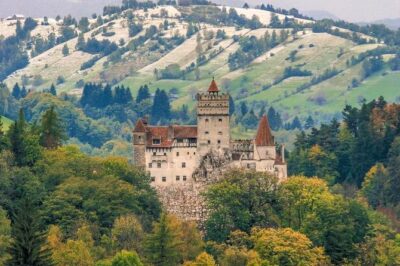 ★ 5.02-Day Transylvania from Bucharest: Brasov, Bran, SighisoaraFrom $40960 reviews
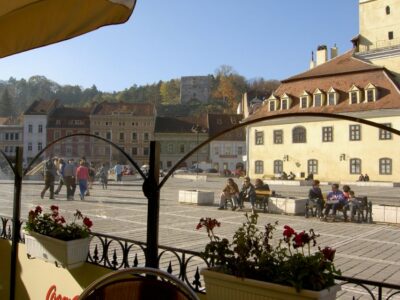 ★ 4.8Transylvania: Cultural Full-Day Trip by MinivanFrom $44157 reviews
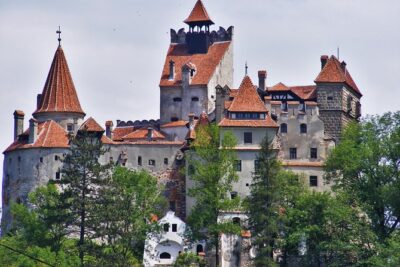 ★ 5.04-Day Private Tour in Transylvania from BucharestFrom $1,17548 reviews
 ★ 5.0Private Tour: Transylvanian Castles and Brasov’s Medieval Old TownFrom $19242 reviews
Browse the lists this tour appears in