
REVIEW · SINAIA TOURS
Sinaia – from the Bandits’ Nest to the Cradle of the Romanian Dynasty
Sinaia turns a royal dream into real streets. This half-day walk-and-sight tour connects Bucegi Mountain views, old outlaw legends, and the Romanian monarchy in one smooth story arc, starting at the train history and ending with the castles. If you like your travel with context, not just photos, this format works well.
What I really like is how you get both sides of Sinaia: the Steam Locomotive stop brings in the intrigue of royal train culture, and then the route pivots to Peles Castle, where the elegance is the point. Also, your guide, Adriana Chirau, is praised for being highly professional and for turning facts into an entertaining walk that keeps questions coming.
One thing to consider: this tour needs good weather, and you’ll also want a moderate fitness level since it’s a guided walk with several stops in a tight 3 to 5 hour window.
Key highlights

- Steam Locomotive with water vapors plus the story of the king’s train station, the Blue Train, and the Orient Express
- Cazinoul Sinaia and the gambling side of grand travel, including princes who tried their luck
- Manastirea Sinaia is free, and the bandit-to-monastery story is the kind of detail that makes places click
- Peles Castle admission included, with a full hour to take in why Carol I wanted it as his dynasty’s cradle
- Pelisor Castle is a shorter stop, and you’ll have to plan for admission if you want to go in
More of Sinaia and the valley
- From Braşov: Bran Castle Peles Pelisor Cantacuzino & Sinaia★ 4.9 · 128 reviews
Sinaia’s Bandit-to-Castle Story, in a Practical Half-Day
Sinaia is often described as the Pearl of the Carpathians, and the name fits the vibe. It sits under the Bucegi Mountains, where forested slopes meet elegant buildings in a way that feels almost staged, but it isn’t. The charm here is that you can sense the layers: Dacian secrets tucked into the mountains, medieval bandits hiding in the region, and then the Romanian monarchy arriving with a taste for spectacle and style.
This tour’s biggest strength is that it doesn’t treat the sights like separate postcards. Instead, it follows a theme, starting with the railway world that brought prestige and visitors, then shifting to darker tales of luck and refuge, and finally landing on the castles that made Sinaia a royal destination. Even if you only remember a few details, you’ll remember the shape of the story.
For you, that means less time trying to connect dots on your own. You walk from one chapter to the next, with a guide who frames each stop so the names and dates actually matter in the moment.
Meeting Adriana Chirau: How the Story Stays Interesting

A tour is only as good as the person holding the thread. Here, the guide is Adriana Chirau, and she’s repeatedly described as professional, warm, and entertaining, with lots of answers. One reviewer also mentions she speaks perfect Spanish, which matters if you prefer a guide who can explain clearly instead of bouncing between languages.
What you can expect from a well-led walk like this is simple: you’ll move faster through the confusing parts and slower through the meaning. At each stop, Adriana focuses on the why behind the what. That’s especially helpful at royal sites, where the temptation is to just look at ornate rooms and forget what they represent.
I also like that the tour format keeps it interactive. You’re not stuck listening for hours. It’s short stops, then the guide gives you just enough context so you can look smarter and ask better questions.
The Steam Locomotive Stop: Blue Train, Orient Express, and Water Vapor
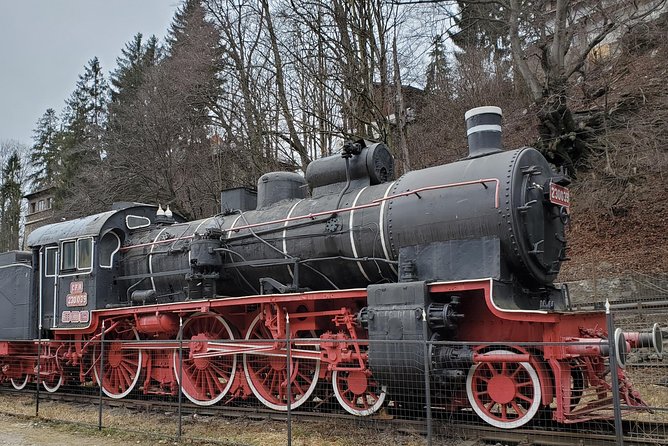
The first stop is the kind of attention grab that makes the rest of the day easier. You start with the Steam Locomotive, and the focus isn’t just the machine. The guide explains the history of the king’s train station and connects it to famous European rail prestige, including the Blue Train and the Orient Express.
Then there’s the show element: the locomotive is presented with water vapors. That detail matters because it turns a museum-style topic into something memorable. You’ll still learn the history, but you’re also seeing why people got excited about rail travel in the first place, when comfort and status were part of the experience, not an afterthought.
A practical note: the admission ticket for this stop is not included. So if you want to plan your day cleanly, set aside a little extra money and time for tickets at the locomotive and any other non-included entries.
Cazinoul Sinaia: When Princes Tried Their Luck

From the glamour of royal rail travel, you pivot to a different kind of drama at Cazinoul Sinaia. This stop leans into the social side of luxury, where casinos weren’t just for fun. They were places where status met risk, and where visitors could try their luck after arriving through the same networks that carried major European travelers.
The story here is specific and a little darker than you’d expect: princes connected to the Orient Express tried their luck, and some left without their fortune. That’s the hook that makes this more than a quick look at a building. It helps you understand why gambling houses became part of the travel fantasy in the region, and why they left such strong memories behind.
Admission is not included for this stop, so treat it like an optional add-on you’re choosing on purpose. If you’re curious about the cultural “edge” of Sinaia, this is a great place to spend those extra minutes and money.


Manastirea Sinaia Is Free: Bandits to Monks in the Same Place
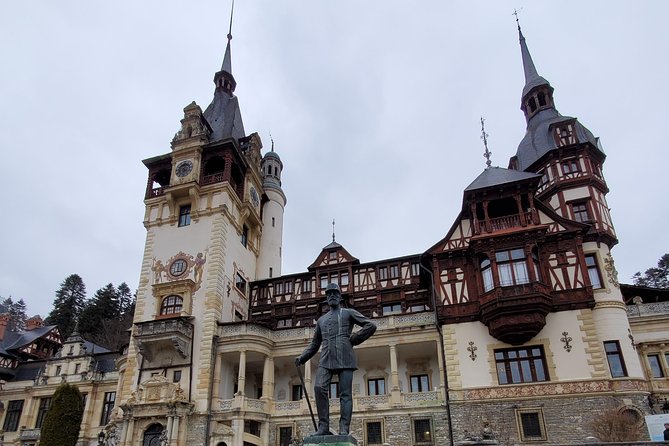
One of the smartest moves on this route is including Manastirea Sinaia and making it free. This stop is built around a transformation: the area was once tied to bandits, and later it became a refuge for monks who took shelter in caves.
That kind of shift is exactly what makes Sinaia feel real. Places here aren’t frozen in time. They get used, abandoned, reused, and renamed in the story people tell about them. When the guide points out how bandit history gives way to religious refuge, you start noticing details that you would otherwise overlook, like how the setting supports the idea of hiding and retreat.
The stop lasts about 20 minutes, so it’s not a long detour. You get enough to understand the theme and feel the tone, then you’re on to the castles. For many visitors, the free entry is what makes this stop feel like a value win, because it doesn’t cost you anything extra to get a strong story beat.
Peles Castle: Carol I’s Cradle of the Romanian Dynasty
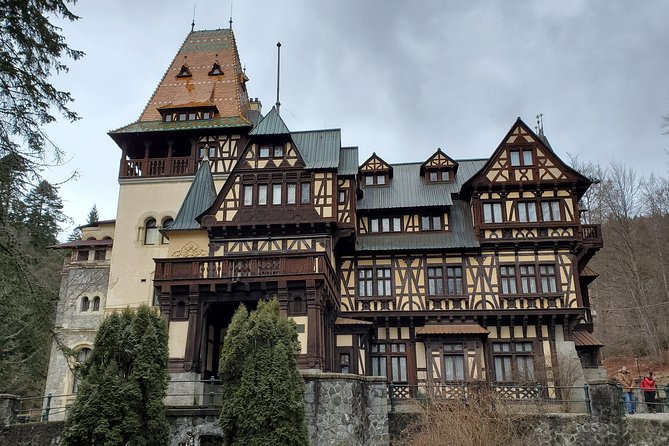
Now you get to the main event. Peles Castle is where the pace shifts from history-as-story to history-as-design. You’ll spend about an hour here, and the ticket is included, which is a big part of why this tour is good value for the money.
The reason the guide emphasizes Peles Castle is clear: King Carol I fell in love with the place and wanted it as the cradle of his dynasty. That phrasing matters because it frames what you’re seeing. This castle is not only pretty. It’s also political, symbolic, and modern in its own era.
Another detail your guide will bring up is that it was once described as the most modern and elegant. That helps you look beyond surface beauty. You’ll want to notice how the castle’s design communicates confidence and a kind of European sophistication.
If you’re the type who likes to take your time at one big site, this stop is the one to do it. The hour is long enough to actually look, not just pass through. And because the entrance is included, you avoid the common problem of paying for a tour, then paying again for the one thing you came for.
Pelisor Castle: A Short Family Counterpoint to Peles
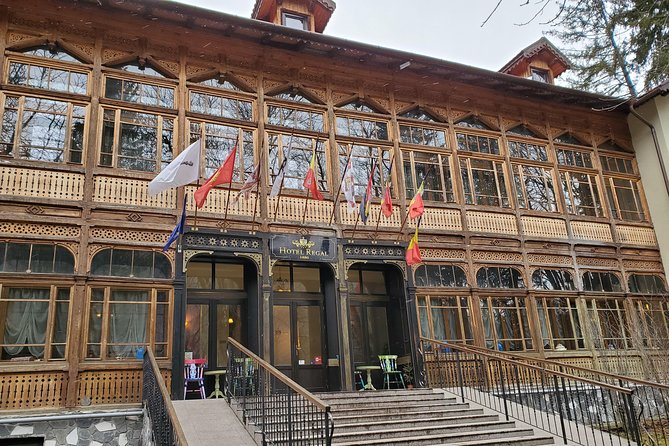
After Peles, the tour includes Pelisor Castle for about 10 minutes. The tone changes. Queen Maria of Romania wanted a less sober castle for her big family, and Pelisor becomes the contrast to Peles’s royal gravity.
Think of this as the “personal life” chapter instead of the “dynasty statement” chapter. The guide explains how Queen Maria lived in the house of the Kings of Greater Romania. Even if you don’t spend long here, the meaning of Pelisor is easier to grasp if you already saw Peles first. You can compare the mood and understand why a family wanted something different from the main royal expression.
Admission is not included for Pelisor Castle. That means you’ll likely need to decide on the spot whether you want to pay to go in. If you’re only passing briefly, it can be worth asking your guide how much time you should set aside to see inside versus focusing on the exterior and story context.
Timing, Walking Pace, and What to Wear
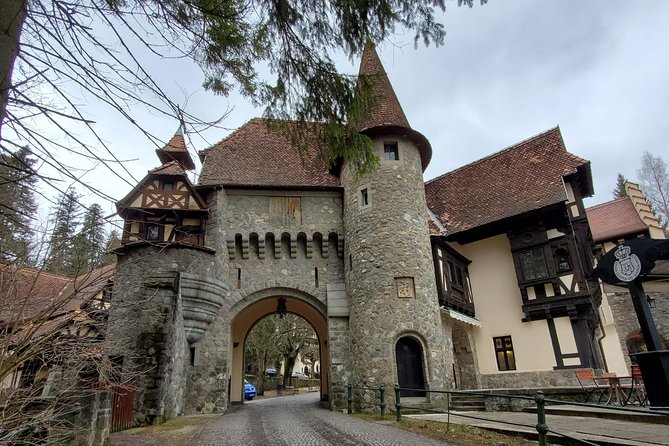
This is a 3 to 5 hour experience, and it’s built around several short stops, with the longest being about an hour at Peles Castle. The walking is part of the charm, but you shouldn’t assume it’s a slow, easy stroll. You’re moving between places with different entry times and ticket situations, so plan to stay flexible.
The tour is for people with moderate physical fitness. If you have mobility limits, you’ll want to think carefully before booking. Also, it runs during set daytime hours, Wednesday through Saturday, between 9:30 AM and 2:30 PM. That window can matter if you’re also trying to fit other activities in Sinaia that same day.
Because it requires good weather, don’t ignore forecast checks. If rain moves in, you might not be able to simply power through. In mountain areas, conditions can change fast, and the tour depends on you being able to enjoy the walk between stops.
Price and Value: What Your $58.18 Actually Buys
At $58.18 per person, you’re mainly paying for three things:
- A guided story through multiple key Sinaia sites
- Time at the most important castle, Peles Castle, with admission included
- A guided, time-saving route that keeps you from researching every building on your own
Peles Castle being included is the biggest value lever. Many tours advertise castle access, then quietly exclude the main ticket. Here, you get an hour at Peles with the admission included, which reduces surprise costs.
What isn’t included is also important for your budget. Admission is not included for the Steam Locomotive, Cazinoul Sinaia, and Pelisor Castle. Manastirea Sinaia is free, which helps balance the total. So your final spending will depend on what you choose to do at the non-included stops. If you treat those as add-ons you value, the overall cost makes sense.
Group discounts are listed, but the tour is also private for your group. So this is ideal for couples, friends, or small groups who want a guide and a curated route without sharing the experience with strangers.
Who This Tour Suits Best
This is a great match if you want:
- A guided route that links royal sites with the stories behind them
- One full hour at Peles Castle without scrambling for tickets
- A guide who can answer questions and keep things entertaining, not just recite facts
It’s especially useful for first-timers in Sinaia, because the theme helps you avoid the common problem of seeing buildings without understanding why they matter. It also fits people who like a bit of drama in their history, from princes and lost fortunes to caves and refuge.
If you’re a hardcore architecture specialist who wants to spend extra time inside multiple castles, you might feel the stop lengths are a little short. Still, the focus on Peles plus the quick contrast at Pelisor can work well as a “best-of” introduction.
Should You Book This Sinaia Royal and Outlaw Walk?
I think you should book it if you want a smart, story-led half-day that gives you context fast. The included Peles Castle admission plus the narrative from train prestige to bandit legends is exactly the kind of mix that helps Sinaia stick in your head. And with Adriana Chirau guiding, the emphasis on entertaining explanations and answering questions makes the tour feel lively rather than rushed.
Book with a bit of planning if you care about entering every site. Some attractions require separate admission, and Pelisor is only a short stop. Check the weather before you commit, and aim for one of the Wednesday to Saturday daytime slots.
If your goal is to see the big royal sights without turning the day into paperwork and ticket chasing, this tour is a solid choice.
FAQ
How long is the Sinaia tour?
The duration is listed as approximately 3 to 5 hours.
How much does the tour cost?
The price is $58.18 per person.
What is included in the price?
The tour includes a guide. Peles Castle admission is included as part of the experience.
Are tickets included for all stops?
No. Admission is included for Peles Castle, Manastirea Sinaia is free, and admission is not included for the Steam Locomotive, Cazinoul Sinaia, and Pelisor Castle.
Does the tour include private transportation?
No, private transportation is not included.
What are the tour operating days and hours?
The opening hours are Wednesday through Saturday, from 9:30 AM to 2:30 PM.
Is the tour private?
Yes. Only your group participates.
What fitness level do I need?
You should have a moderate physical fitness level.
Is the tour affected by weather?
Yes. The experience requires good weather. If it is canceled due to poor weather, you will be offered a different date or a full refund.
What is the cancellation policy?
You can cancel for free up to 24 hours in advance for a full refund. If you cancel less than 24 hours before the start time, the amount paid is not refunded.
More Tour Reviews in Sinaia


More of Sinaia
Just added from Sinaia

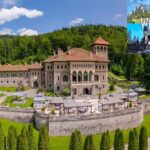
Sinaia Tours, compared.
 ★ 5.0Sinaia and Brasov in one dayFrom $19290 reviews
 ★ 5.0Original Carpathian Village Experience and Sinaia in one day tourFrom $17840 reviews
 ★ 4.7Sinaia: Peleș Castle Tour with An Expert GuideFrom $6436 reviews
 ★ 5.0Full-Day Private Tour to Sinaia, Bran and Brasov from BucharestFrom $24321 reviews
 ★ 5.01 Day Castles Tour – Sinaia and BranFrom $15120 reviews
 ★ 5.0Day Trip from Bucharest to Dracula Castle, Brasov and Peles Castle SinaiaFrom $40310 reviews
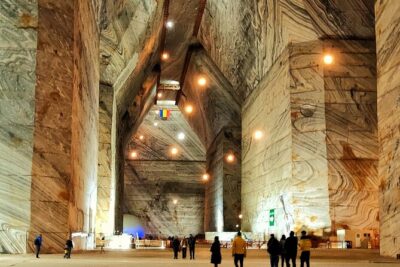 ★ 4.5The biggest Salt Mine in Europe and Sinaia in one dayFrom $16210 reviews
Browse the lists this tour appears in