
Castles plus mountain air, all in one day. I love how this route strings together Bran Castle and Peleș Castle with stories that connect medieval Transylvania to Romania’s royal era. You also get proper viewpoints over central Romania, not just photo stops. One consideration: you’ll do a moderate amount of walking on uneven surfaces, and entry tickets are extra.
For the price, the value is in the time you save. You get pickup and drop-off, transportation all day, bottled water, and fast-line ticket purchasing so you waste less energy standing around. Still, it’s a packed day, so wear comfortable shoes and be ready for some renovation-related access changes at the palaces.
Key highlights I’d anchor this day around
- Bran plus Sinaia royal sites in one shot so you see both Dracula folklore and real monarchy.
- Skip-the-wait ticket setup that helps at the busiest castles.
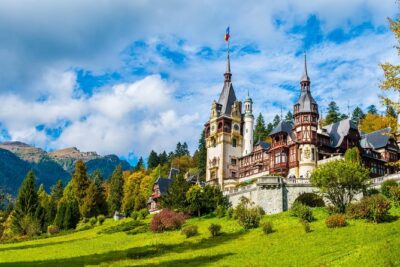
- Peleș Castle’s style and rooms with a guided, structured visit that keeps it from feeling random.
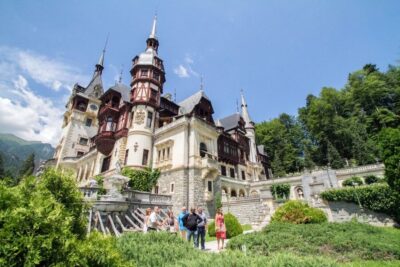
- Pelișor Castle as a bonus stop that feels quieter and more intimate.
- Cantacuzino Castle viewpoint time plus art gallery and Neo-Romanian architecture.
- Small-group feel (up to 8 people) so questions and pacing usually work better.
Other roads to Bran, compared
- From Braşov: Bran Castle Peles Pelisor Cantacuzino & Sinaia★ 4.9 · 128 reviews
- Bucharest: Peles Castle, Bran Castle & Brașov Day Tour★ 4.5 · 52 reviews
- Minivan 8: Peles & Dracula’s Castle and Brasov Full-Day Trip★ 4.6 · 29 reviews
- From Bucharest: Bran, Peles Castle & Brasov Private Day Tour★ 5.0 · 19 reviews
Why this Bran and Sinaia circuit feels like smart Brașov touring
Brașov is a great base, but the famous castles around it can chew up your day if you handle everything alone. This tour keeps things simple: one pickup point in town, a guided loop through the key stops, and back again without you wrestling with parking, tickets, or timing.
The other reason I like this route is the contrast. You start with Bran Castle, a medieval fortress perched like a storybook. Then you move into the royal mountain playground of Sinaia, where Peleș looks like it was built for winter light and elegant strolls. If you enjoy seeing how different periods shaped Romania, this is a strong one-day education.
One more practical win: you’re not just dropped at each site. You get structured visit windows, plus guidance so you know what to look for while you’re standing in front of it.
Bran Castle: dramatic walls, Dracula legend, and a real timeline
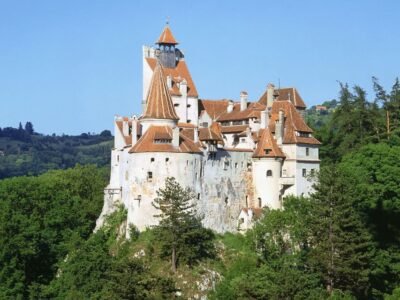
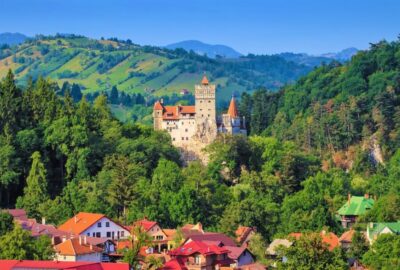
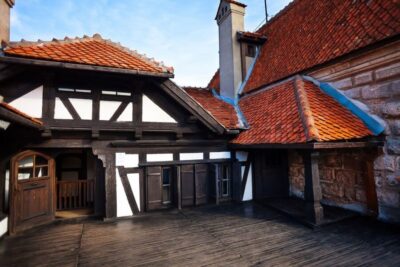
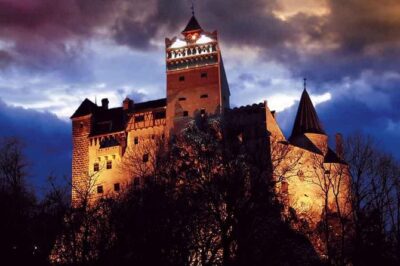
Bran Castle is one of those places where the setting does half the work. It sits on a rocky cliff between Măgura and Dealul Cetății, and even outside the halls you can feel how defensible the spot is. The visit window is about 75 minutes, which is enough time to see the main rooms and then step back out to take in the mountain-and-valley views.
Now, about the Dracula connection. Bran is famous for Dracula legends, but the better way to enjoy it is to treat the stories as a doorway into the castle’s deeper past. The fortress was completed in 1382, and that medieval framing helps the whole place make more sense.
What you’ll likely find useful here is pacing. The castle can feel crowded when everyone is arriving at the same time. Your group gets access to a fast line for purchasing tickets, and in real-world timing terms that often means you spend more time inside and less time in queues. If you’re sensitive to long waits, this matters.
Small tip: bring a jacket layer. Bran sits high, and temperatures shift fast around the cliffs.
The mountain drive to Sinaia: why the ride is part of the experience
Between Bran and Sinaia you get about an hour in the van, which turns into more than just transit. The route goes through central Romania’s mountain scenery, with Carpathian views that often look best when the light hits the peaks. If it’s snowing or rainy, the drive can be extra dramatic, and guides tend to keep things moving safely and calmly.
This is also when you get the narrative build-up. You’ll learn why Sinaia became a royal retreat and how that changed the region’s identity. It’s the difference between fortress survival and palace leisure, and the drive helps you switch gears without feeling rushed.
If you’re the type who likes context during the road, you’ll appreciate that the guide is actively explaining as you go.
Peleș Castle: the rooms, the craft, and why it is so often the favorite
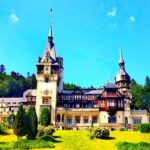
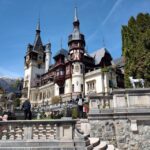
Peleș Castle is often the reason people say they want to come back to Romania. The visit is about 1.5 hours, and that’s a good amount of time for seeing both the exterior impression and the interior details without sprinting.
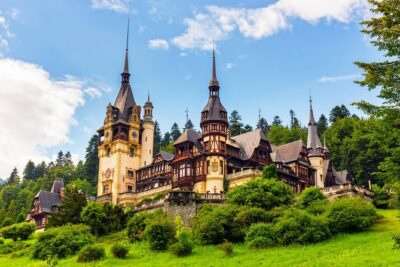
Peleș is famous for fairy-tale architecture, but what I find most satisfying is the way the castle feels built for rooms you can actually stand in and study. Instead of one huge showpiece hall, you get a sequence of decorated spaces and a steady flow of story from room to room.
You’ll also connect it to the real royal timeline. Peleș was built as a residence for the future King Ferdinand I and Queen Maria between 1899 and 1902 by order of King Carol I of Romania. That matters because it shifts Peleș from being only a pretty castle into being a symbol of a modernizing Romania that still wanted European polish.
Practical advice: slow down in the best-lit rooms. Photos are great, but the interior value is in craftsmanship and layout. Even with a fixed time slot, I’d prioritize fewer rooms more carefully rather than trying to “cover everything” like a checklist.
More ways up to Peles from Sinaia


Pelișor Castle: the shorter stop that changes the mood
After Peleș, the tour adds a shorter visit to Pelișor Castle for about 30 minutes. This is the kind of stop that can feel optional, but in practice it often works because it slows the day down.
If Peleș feels grand and ceremonial, Pelișor can feel more intimate, and you get variety without adding hours to the schedule. This is a nice balance point, especially if you like castles but start getting museum-fatigue as the day goes on.
The best way to enjoy a short visit is to focus on how it complements Peleș. Look for how the residence concept changes between the two, and you’ll get more out of those 30 minutes than you might expect.
Sinaia Monastery: a calm reset between palaces
Next comes the Sinaia Monastery with a brief 15-minute stop. This isn’t a long visit, so you’re not going to get the full deep-desk immersion you’d expect from a standalone religious site. But it does work as a reset.
This quick stop helps you shift from royal interiors to spiritual and local life in the region. It also gives your legs a change of pace in a place that is often quieter than the castle crowd.
If it’s raining or cold, this short segment can be a relief. You get a break from castle halls, and then you’re back in motion toward Cantacuzino Castle.
Cantacuzino Castle: Neo-Romanian drama with mountain views
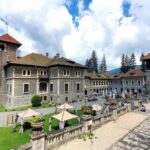
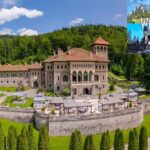
Cantacuzino Castle is a strong finale stop. It’s about 1 hour, and you can feel why: it’s described as Neo-Romanian style and it comes with grand interiors plus an art gallery. It is also known for sweeping views over the Bucegi Mountains, so you get a mix of architecture and horizon time.
The building was completed in 1911 by architect Grigore Cerchez at the request of Prince Gheorghe Grigore Cantacuzino. Knowing that helps you look at the castle as a statement of identity, not just a decorative mansion.
Why it works well at the end of the day: by this point you’ve already seen how different eras shaped the region. Bran gives you medieval fortress drama. Peleș and Pelișor give you royal residence style. Cantacuzino then lands as a distinct architectural chapter with a modernizing, expressive feel.
Practical tip: build in a few minutes for viewpoints. Even if you’re not a long-sitter, this is one stop where the scenery and the building connect, and it helps your brain file the day into a clear picture.
Price and logistics: what you’re paying for, and what you must budget extra
Price is listed at $56 per person for a 1-day outing. For many castle-heavy days, you usually pay for transportation and guide time, then deal with entry fees separately. Here, entry tickets are not included and are approximately €15 to €20 per adult, so you should plan that extra cost upfront.
What you do get inside the tour price is the stuff that saves you energy:
- hotel pickup and drop-off
- transportation for the full loop
- bottled water
- umbrellas or ponchos
- access to a fast line to purchase tickets
- live tour guide in English
- audio guide included in many languages
- small group capped at 8 people
In other words, you’re not just buying attractions. You’re buying a calmer day where you can focus on the castles instead of logistics.
Also note a real-world pacing point: renovations can restrict access to some areas. That isn’t something you can control, but it means it’s smart to keep expectations flexible. If you love details, you might get less of one section than you planned, but the main highlights are still the core of the experience.
Guides and group size: the difference between rushed and smooth
This is a small group tour, limited to 8 participants, which changes the feel fast. You’re not fighting crowds for the guide’s attention, and timing is easier to manage. In recent experiences on this route, guides such as Mario, Alin, Nico, and Marco have stood out for clear explanations and careful timing, including adjusting when weather adds delays.
One detail I’d call out from those experiences: guides often communicate in advance, and they tend to keep the day comfortable even when conditions change. Snow and rain have happened, but the overall theme is consistent, you get to the sites safely and you still see the planned stops.
That matters because castle days are all about flow. When the guide keeps the group together and moves you into the right time slots, you get the best of each place instead of getting stuck in the wrong queue.
Who this tour is best for, and who should think twice
This day works especially well if you want a high-hit overview from Brașov without stress. It’s also a good fit if you like history that moves across eras, medieval fortress, royal mountain retreat, and early 20th-century architecture in one day.
You should think twice if you have mobility limits. Uneven surfaces are part of the castle world here, and the tour is not recommended for wheelchair users. People with serious medical conditions are also not recommended, with the general walking involved being a factor.
If you’re a regular walker with comfortable shoes, you’ll likely be fine. Bring good footwear because the castle and palace grounds can be slippery or uneven, especially in cooler seasons.
Should you book this Bran, Peleș, Pelișor, and Cantacuzino day trip?
Book it if you want the strongest castle lineup within reach of Brașov, with a plan that keeps you from wasting your day. I’d also book it if you care about context: you’ll connect Bran’s legends to the medieval setting, then jump into the royal era at Peleș and Pelișor, and finish with Cantacuzino’s Neo-Romanian statement and mountain views.
Skip it or reconsider if you need fully accessible routes, or if long days are hard for your body. Also factor in the extra entry fees for castles, since tickets are not included.
If your goal is a memorable, structured Romania day that feels efficient and scenic, this is a solid choice.
FAQ
What is included in the tour price?
Transportation, hotel pickup and drop-off, access to a fast line to purchase tickets, bottled water, and umbrellas or ponchos.
Are castle entry fees included?
No. Entry fees are approximately €15 to €20 per adult, and tickets are not included in the tour price.
How long does the tour last?
The tour is listed as 1 day, with visits scheduled across Bran Castle, Peleș Castle, Pelișor Castle, Sinaia Monastery, and Cantacuzino Castle.
How big is the group?
It is a small group limited to 8 participants.
What languages are available?
The live tour guide is English, and an audio guide is included with many languages listed, including English, Spanish, Italian, French, German, and others.
Is the tour suitable for wheelchair users or serious medical conditions?
The tour is not recommended for those using a wheelchair due to uneven surfaces. People with serious medical conditions are also not recommended.
More Castles from Sinaia


Peles and Sinaia: Keep Looking
Bran, Three More Ways
Just added from Sinaia
Bran Castle & Dracula Tours, compared.
 ★ 4.5Dracula’s Castle, Peles Castle, & Brasov Old TownFrom $4017,858 reviews
 ★ 4.6Dracula Castle, Peles Castle & Brasov Old TownFrom $4010,891 reviews
 ★ 4.5Dracula’s Castle, Peleș Castle & Brașov Day TripFrom $235,919 reviews
 ★ 4.4Day Trip to Dracula Castle, Peles Castle & BrașovFrom $453,049 reviews
 ★ 4.5Bucharest to Dracula Castle, Peles Castle and Brasov Guided TourFrom $332,933 reviews
 ★ 4.5Dracula’s Castle, Peles Castle and Brasov Day Trip from BucharestFrom $331,804 reviews
 ★ 4.5Transylvania and Dracula Castle Full Day Tour from BucharestFrom $351,589 reviews
 ★ 4.5Brasov Peles & Dracula’s Castle Day TourFrom $651,244 reviews
Browse the lists this tour appears in