
REVIEW · TOURS
Unique Tour of Hidden Bucharest
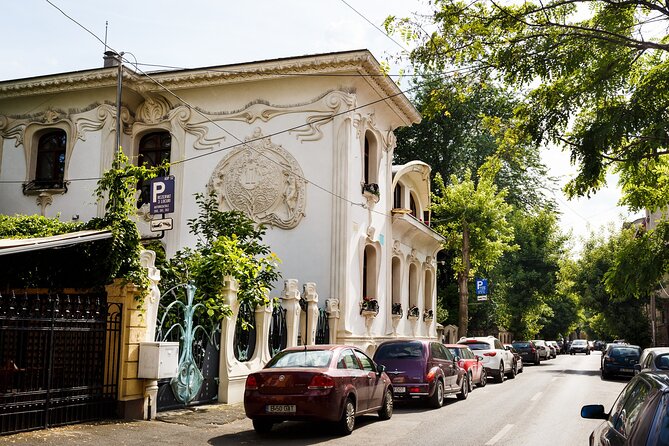
Bucharest hides in plain sight. This 2.5-hour walk turns ordinary streets into a story about how Ottoman influence, earthquakes, wars, and Communist-era demolitions shaped what you see today. You’ll move through mahallas, those small community quarters that grew into recognizable neighborhoods, plus Belle Epoque scenery you’d miss on a quick highlights loop.
My favorite part is the way the guide ties architecture to real history you can point at. The second thing I like: planned pauses, with snacks included, plus time for refreshments in garden-like spots and historic tea-house style settings (you can also buy additional drinks).
One consideration: it’s a walking tour with moderate fitness in mind, and you’ll be on sidewalks and city streets for much of the time, so wear good shoes and don’t plan to do heavy sightseeing right beforehand.
Key things that make this tour work
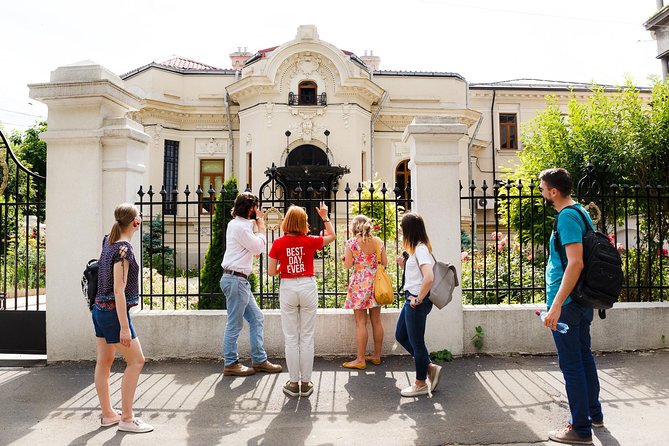
- Small group size (max 12), which keeps the pace human and the conversations practical.
- Mahallas made clear using real neighborhood examples like Batistei, Armenian Quarter, Mantuleasa, and the Old Jewish Quarter.
- Free stops (National Theatre Ion Luca Caragiale and Parcul Ion Voicu) that lower the cost and improve the “see more” factor.
- Architecture styles you can actually spot including French, German, Armenian, and Communist-era layers.
- Guide-led breaks with snacks included, plus optional drinks and food nearby.
Elsewhere in Bucharest, and up the valley
- Bucharest: Dracula’s Castle, Peles Castle, & Brasov Old Town★ 4.5 · 17,858 reviews
- Bucharest: Dracula Castle, Peles Castle & Brasov Old Town★ 4.6 · 10,891 reviews
- Bucharest: Dracula’s Castle, Peleș Castle & Brașov Day Trip★ 4.5 · 5,919 reviews
- Bucharest: Palace of Parliament Tickets and Guide★ 4.3 · 3,182 reviews
A 10:00 meeting point that sets you up for a great first day
This tour starts at 10:00 am outside the National Theatre Ion Luca Caragiale, at Bulevardul Nicolae Bălcescu 2. You end near KFC on Bulevardul General Gheorghe Magheru 28-30, so you can continue your day without feeling trapped back where you started.
Because it runs around 2 hours 30 minutes and stays focused on central areas, it’s a strong option even if you arrive the day before. The route is built for walking, and the small cap of 12 people helps keep stops short, focused, and photo-friendly.
The Ottoman-style influence angle, without the textbook feel
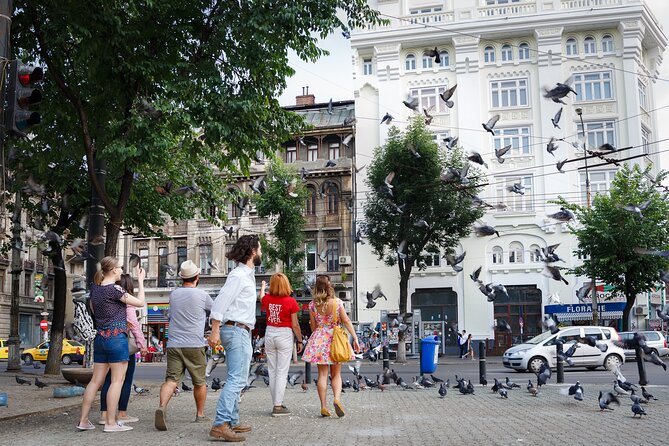
Stop 1 is the National Theatre Ion Luca Caragiale. You’ll spend about 30 minutes here, and admission for this stop is listed as free, which is a nice value add.
What makes this theatre stop more than a quick photo is the interpretive thread: Bucharest’s evolution shows an ambiguous relationship with the Ottoman Empire. Even when Bucharest wasn’t an Ottoman town, you can still see overlaps with towns that lived under Ottoman influence, and the guide frames those connections in terms of how cities function and grow.
If you like architecture, this is where the tour starts giving you tools. Instead of only naming buildings, you learn what to look for next, like how public structures and surrounding streets hint at changing eras.
Stop 2 on Strada Batiștei, where mahallas explain Bucharest’s neighborhoods
Stop 2 is Strada Batiștei, with about 35 minutes on the clock. Admission here is also free, and the focus is the neighborhood system called mahallas.
Here’s the idea, made practical: mahallas were smaller quarters that often formed around a religious site, then housed communities that shared ethnicity, social life, or faith. As Bucharest grew, these quarters fused into larger neighborhoods, but the cultural mixing left physical clues, too, not just stories.
As you walk along this area and the surrounding streets, you’ll hear how waves of modernization, earthquakes, wars, and later the demolition projects associated with Nicolae Ceaușescu changed what remained. The names tied to this evolution include the Armenian Quarter, Mantuleasa, and the Old Jewish Quarter, plus Batistei as a gateway to understanding how multiple communities lived side by side.
One thing you’ll likely notice if you pay attention: the architecture can look inconsistent, not because the city lacked planning, but because it carried layers forward. You might see restored sections next to buildings that look stalled for decades, and the guide helps you connect that to shifting ownership, rebuilding pressures, and political priorities.
Parcul Ion Voicu, Belle Epoque mansions and an easier pace
Stop 3 is Parcul Ion Voicu. Plan around 40 minutes, and admission is free here as well. This stop shifts the mood from streets to scenery, which matters because the tour is still about walking and context, not only sightseeing.
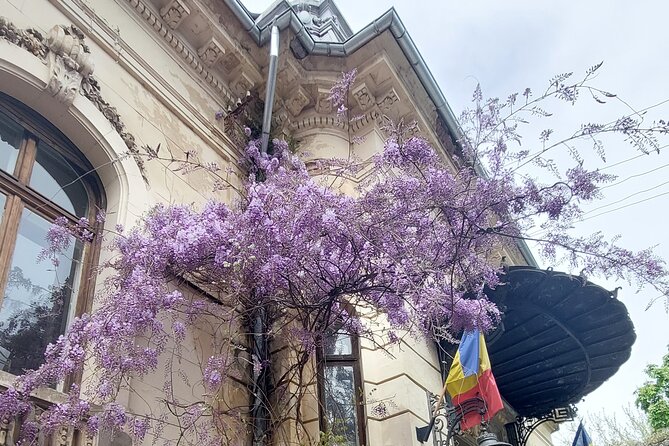
The park is known for its Belle Epoque feel, with mansions and housing dating back to the end of the 19th century. Even if you only catch parts of the architecture, this is a place where details stand out, like building proportions, ornament styles, and the way grand homes face the street and park paths.
This is also a good moment to reset your brain. After the mahalla explanation and the neighborhood mixing, the park helps you see another question: what did success and aspiration look like when this city was growing quickly, and how did later events affect that built world?
Snacks and tea-house style breaks, plus how to handle food and drinks
The tour includes snacks and a local guide. Highlights also mention refreshments in summer gardens and historic tea houses, which is usually how small-group walks keep energy steady without turning into a full meal event.
What’s not included is alcohol, and food and drinks are not included unless specified. That’s a good setup for you if you want flexibility, since you can buy water or a coffee where it makes sense for your day. If you’re traveling with dietary needs, you’ll still be able to find options nearby, but you should plan to make your own purchases.
One practical tip: if you’re visiting in warm weather, bring water and take the pauses seriously. Several guides are praised for pacing and keeping people comfortable, which can make the difference between a fun walk and a grumpy one.
The guide makes the difference, even on a set route
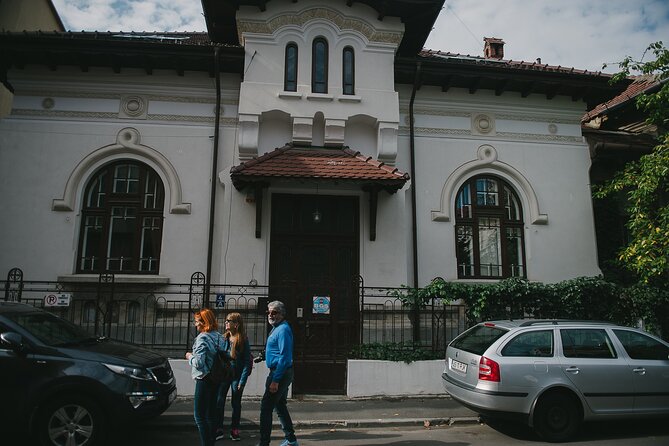
A big reason this tour earns a very high rating is the guide experience. People name guides such as Andrea, Ioana, Elena, LaLa, Mircea, Roxana, Tudor, and Anita, and the common thread is storytelling tied directly to what you’re seeing.
You’ll usually get more than a facts-and-dates lecture. The guide style described for this walk is personable, flexible, and architecture-focused, with lots of chances to ask questions. It’s also common for guides to help with practical suggestions, like where to eat or how to get better photos in each neighborhood.
If you want to maximize value, come with two or three questions. For example:
- How did Communism specifically change what got preserved or demolished?
- What architectural influence can I spot first, and how can I tell the difference between styles?
- Why do some buildings look abandoned while others are actively restored?
Because the group is capped at 12, you’ll actually get answers, not just a wave from the sidewalk.
Walking “hidden corners” without feeling lost
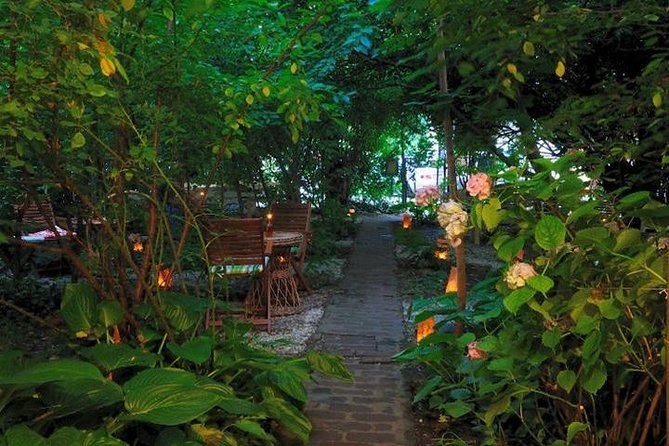
This tour is designed to get you off the usual main avenues and into quieter streets. That matters in Bucharest, because the city center can feel like a maze of big roads and then suddenly, smaller lanes that open into places with 19th-century mansions, churches, and inner courtyards.
You’ll get that sense of contrast quickly. Reviews often describe the city just off the major boulevards as a labyrinth of streets with beautiful older homes, some deteriorating and some being restored. Even if you’ve seen Bucharest before in photos, the lived-in details are what make it click.
There’s a second benefit: walking these routes helps you “read” the city later. After your tour, you’ll likely understand why certain streets feel more like community spaces than corridors, and why architectural styles show up in clusters.
Who this tour suits best, and who should skip it
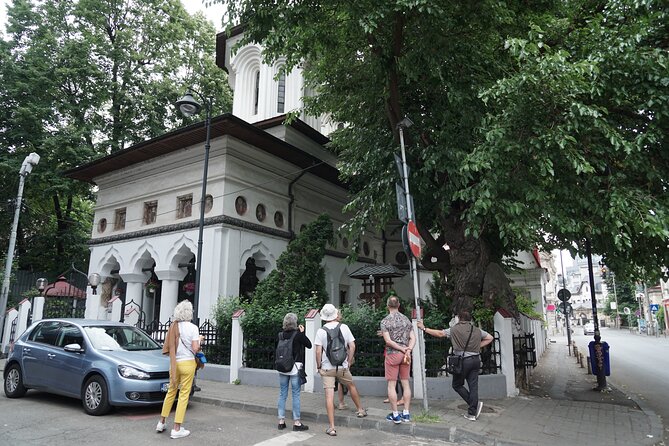
This walk is best for you if:
- you love architecture and want to learn how history changes building styles
- you want a calmer view of Bucharest beyond the big landmarks
- you like local context, not just a list of sights
It’s also a good “get your bearings” tour. If you’re only in Bucharest briefly, this kind of neighborhood introduction can make your later sightseeing smarter, because you’ll know what to pay attention to.
You might want a different style of tour if you hate walking. Even at a moderate pace, you’ll be on your feet for much of the 2.5 hours. Also, because the tour is neighborhood-based, your best experience comes from looking outward, at street-level details, not only searching for one big must-see monument.
Price and value: $46.86 for a focused, guided neighborhood education
At $46.86 per person for roughly 2.5 hours, this tour is priced like an entry-level walking experience, but it punches above its weight in what’s included.
Here’s the value math that matters:
- You get a local guide and included snacks.
- Key stops have free admission listed for both the theatre and Parcul Ion Voicu.
- The group size cap keeps it from feeling like a rushed bus tour.
So you’re not paying for transportation or hotel pickup, and that’s actually a good thing if you’re already exploring the city center. You can spend the savings on a drink, a coffee, or a proper lunch where you choose.
If you’re planning around a single day and want maximum “understanding per hour,” this is one of the better ways to do it. It also helps that the tour is offered in English, and it uses a mobile ticket, which reduces friction when you arrive.
Should you book Hidden Bucharest?
Yes, if you want Bucharest to make sense. This tour is a strong pick for anyone who likes architecture and neighborhood history, and who values a small group and a guide who can explain what you’re looking at.
I’d book it early in your stay, right after you’ve arrived or before you start your big landmark day. That timing helps the mahalla and architecture lessons stick, so the rest of your trip feels less like sightseeing and more like understanding.
FAQ
How long is the Hidden Bucharest tour?
It runs for about 2 hours 30 minutes.
What does the tour cost?
The price is $46.86 per person.
What language is the tour offered in?
The tour is offered in English.
Where do I meet the guide, and when does it start?
The tour starts at 10:00 am at the National Theatre Ion Luca Caragiale, Bulevardul Nicolae Bălcescu 2, București 010051, Romania.
Where does the tour end?
It ends near KFC at Bulevardul General Gheorghe Magheru 28-30, București 010336, Romania.
What is included, and what should I budget for separately?
Included are snacks and a local guide. Alcoholic drinks are not included, and food and drinks are only included if specified.
How many people are on the tour?
The group size has a maximum of 12 travelers.
More Tours in Bucharest




More Tour Reviews in Bucharest

More Bucharest Tours in Bucharest
Just added from Bucharest


Tours, compared.
 ★ 4.5Bucharest to Dracula Castle, Peles Castle and Brasov Guided TourFrom $332,933 reviews
 ★ 4.4Palace of Parliament Tickets and Guided TourFrom $281,877 reviews
 ★ 4.5Transylvania and Dracula Castle Full Day Tour from BucharestFrom $351,589 reviews
 ★ 4.9City Highlights Guided Walking TourFrom $211,482 reviews
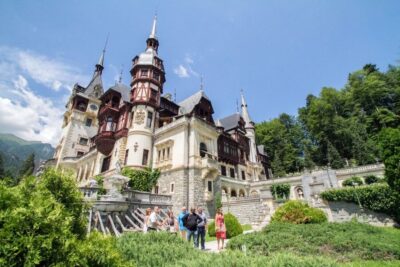 ★ 4.5Brasov Peles & Dracula’s Castle Day TourFrom $651,244 reviews
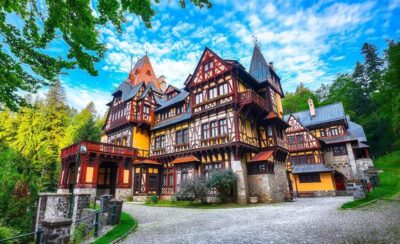 ★ 4.5Peles Castle, Bran Castle, & Brasov Old Town TourFrom $401,035 reviews
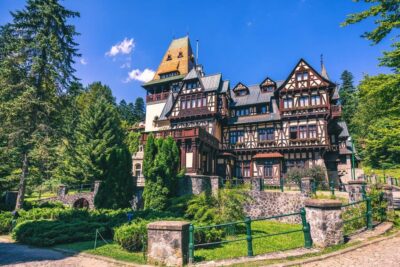 ★ 4.4Peles Castle, Bran Castle, & Brasov Full-Day TourFrom $31879 reviews
 ★ 5.0Taste Bucharest: A Food Lover’s Tour of Markets & NeighbourhoodsFrom $102689 reviews