REVIEW · BUCHAREST
The Real Story of Gypsies – Slavery in Romania
Slavery, memory, and craft in three hours. This Roma-focused walk through central Bucharest is striking because it ties hard history to specific places, not vague talking points. I also like that you get an English-speaking guide who’s willing to stick with your questions, then you finish at a small workshop where Roma artisans show copper work up close.
One thing to consider: the route includes reminders of slavery and genocide, so plan for a heavier tone than a typical city stroll.
You start at Romana Square and move through a chain of landmarks that each explain a different side of the story. You’ll spend about 1 hour 20 minutes actually walking, with the rest of the time for stops, context, and quiet viewing at places of remembrance.
Key takeaways before you go
- Start at Piata Amzei, where the tour anchors the discussion in a former slaves market site
- Palatul Stirbei (built 1835) links Roma history to a major Bucharest landmark
- The Romanian Athenaeum and arts, used to talk about how perceptions of Roma people were shaped
- Cismigiu Park gives you a calmer stretch while myth and narrative come up again
- Holocaust Memorial stop centers Roma victims of persecution and genocide
- Finish at Mesteshukar ButiQ for Roma copper craftsmanship and a chance to support artisans
Still deciding? These Bucharest trips come up again and again.
- Bucharest: Dracula’s Castle, Peles Castle, & Brasov Old Town★ 4.5 · 17,858 reviews
- Bucharest: Dracula Castle, Peles Castle & Brasov Old Town★ 4.6 · 10,891 reviews
- Bucharest: Dracula’s Castle, Peleș Castle & Brașov Day Trip★ 4.5 · 5,919 reviews
- Bucharest: Palace of Parliament Tickets and Guide★ 4.3 · 3,182 reviews
Romana Square and Piata Amzei, where the story begins
The tour starts in central Bucharest, near Romana Square, and wastes no time with context. The first stop is the Platoul Piata Amzei, described as the site of an old slaves market. That detail matters, because it moves the conversation from general history to a real geography you can stand on.
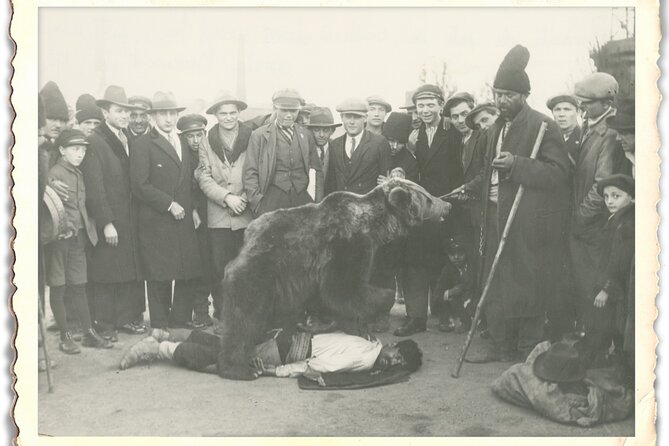
You’ll get the framing around the trade in human lives and how it shaped Roma identity over generations. Even if you think you already know something about Europe’s dark past, this start is meant to be more precise, and it forces you to connect the lesson to the city around you.
Practical note: this opening stop sets a serious mood. Keep your phone ready for photos if you want, but also give yourself a moment to look before you shoot. Some places in this route are not about photos. They are about attention.
Palatul Stirbei and Bucharest architecture with a complicated role
Next you move to Palatul Stirbei, a beautiful palace built in 1835. The tour connects it to one of the most important moments in Roma history in Romania, tied through the palace’s owner.
This is a good reminder that history does not stay in the shadows. Power, wealth, and public life were part of how people were treated, labeled, and controlled. A palace can look elegant from the outside, but the tour asks you to look beyond the façade and notice how important events can be linked to respectable-looking buildings.
The stop itself is short, about 10 minutes, so treat it like a focused checkpoint. If you’re the type who likes to ask questions, this is the moment to do it, since the overall structure of the tour gives you time for conversation without rushing.
Passing the Romanian Athenaeum, and why arts matter for perception
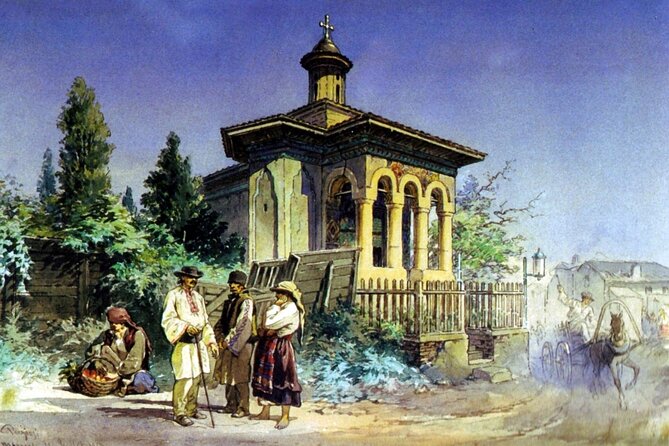
As you continue, the route passes Ateneul Roman, the Romanian Athenaeum, and uses its cultural weight as a jumping-off point. You’ll talk about how the arts helped shape perceptions of the Roma community throughout history.
This section works well because it broadens the story. Yes, there is persecution and violence, and the tour does not avoid that. But there’s also the way society talked about Roma people, how images were built, and how cultural institutions can influence stereotypes or shift attitudes.
The stop time here is about 15 minutes, and it’s more about your guide’s explanation than a long museum visit. Still, it’s an important kind of learning, because it helps you understand why prejudice can survive even when laws change.
If you like walking tours that connect architecture to human stories, this portion is one of the more thought-provoking stops.
Cismigiu Park: myths, narrative, and a needed breather
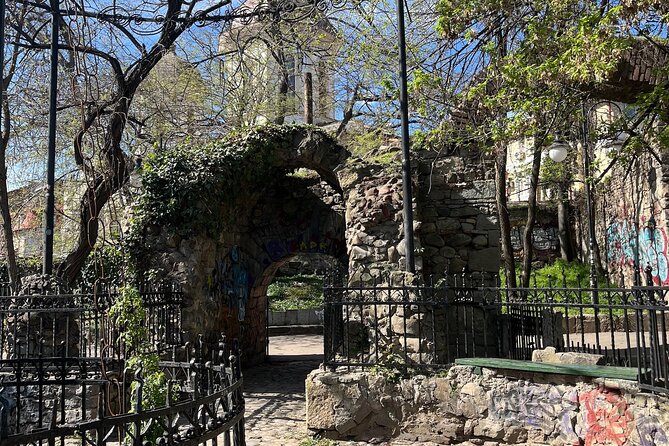
After the heavy landmarks, the tour turns into a slower stretch at Cismigiu Park, the oldest and largest garden in Bucharest. You’ll stroll and learn more truths and myths about the Roma community’s history.
This is not filler time. Gardens are part of city life, and this stop helps you feel how public space shapes storytelling. A park also gives your brain a chance to reset between difficult topics.
The tour holds this as about 15 minutes, so you’re not getting a long nature break. But it’s enough time to walk, listen, and then regroup before the next memorial moment.
My advice: bring water and slow your pace here. If you go too fast, you’ll miss the guide’s connecting points and the way the narration changes tone from stop to stop.
The Holocaust Memorial stop, remembrance with a clear focus
Then the tour takes a somber turn with a visit to the Holocaust Memorial in Romania. This is an important landmark for remembering the victims of the Holocaust in Romania, including thousands of Roma lives lost to persecution and genocide.
This stop is about respect and clarity. It is not presented as abstract history. It’s about names not being the point, because the larger point is that whole communities were targeted. The tour keeps this focus, and the time on site is about 15 minutes.
If you’re sensitive to topics involving genocide, it helps to emotionally prepare before you arrive. Wearing comfortable shoes and staying close to your group also helps you manage the experience without feeling rushed or overwhelmed.
Iuliu Maniu statue: the power of names and the moment history shifts
Next you visit the Iuliu Maniu statue. The tour frames it as another significant moment in Roma history, specifically tied to a time when Roma people were still commonly called Gypsies.
This matters because language is never neutral. Labels change policies, stereotypes, and what people think is acceptable. A statue in public space freezes a certain viewpoint in place, and the tour uses that setting to help you understand what was happening when names like that were in everyday use.
The stop is around 15 minutes. Treat it as a chance to think about how terms evolve, and how those changes often reflect broader social pressure rather than just a new vocabulary trend.
If you like history that explains the “why,” not just the “what,” this segment tends to land well.
Ending at Mesteshukar ButiQ for Roma copper craftsmanship
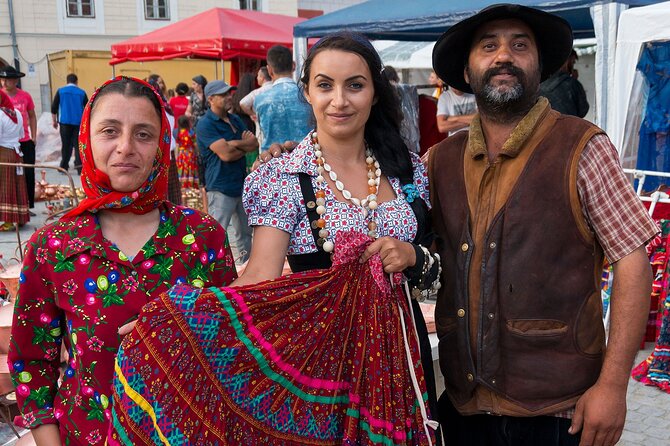
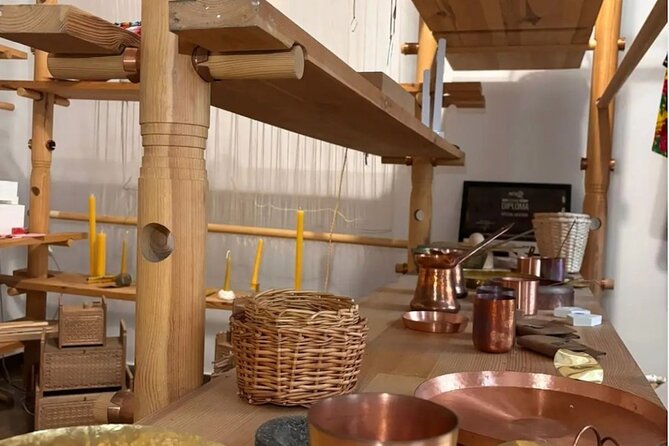
You finish at Mesteshukar ButiQ (MBQ), a small shop where products are manufactured only by Roma craftsmen. The tour gives you time to see copper craftsmanship firsthand, with about 15 minutes at the end.
This ending is a smart balance. After a route loaded with persecution and memorials, you get something tangible and continuing: skills, materials, and the ability to create. It’s also a chance to support artisans directly, instead of treating Roma culture as only something to learn about in the past.
It’s easy to leave with a small reminder that you can hold onto. Even if you do not buy anything, it’s worth watching the work and paying attention to technique, since that’s where the story becomes practical and human.
Price, pacing, and how to make the most of the 3 hours
At $30.04 per person for about 3 hours, this tour is good value if you want more than surface-level sightseeing. You get a walking route in central Bucharest, multiple landmarks, and a guide in English. The listed stops show admission ticket free at each point, so you are not juggling add-on entry fees.
Group size is capped at 15 people, which usually means you can hear explanations clearly and still ask questions. Booking tends to happen about 10 days in advance, so if you have a narrow window, don’t wait too long.
Pacing is also well managed. Of the total time, about 1 hour 20 minutes is walking, and the rest is stop time. That helps you keep up even if you are not a power walker.
Tips that make a real difference:
- Wear comfortable shoes, since it’s a city walk with several monument stops
- Bring a small bottle of water, even if the route feels short
- Ask questions as you go. This tour is built for dialogue, not just listening
- Keep photos respectful at memorial sites, and pause before you lift your camera
Should you book this tour?
Book it if you want a Bucharest walk that treats Roma history seriously, with clear attention to slavery, persecution, and remembrance, plus an ending that connects to ongoing craftsmanship. It’s also a strong choice if you like guided explanation in English and you enjoy asking questions during the walk.
Skip it or be extra cautious if you prefer lighter city content. This route includes a slaves market reminder and a Holocaust memorial stop, so the tone is heavy and emotional.
If you’re visiting for the first time and want one focused experience that links monuments to the lived reality behind them, I think this is an efficient, meaningful way to spend a half-day.
FAQ
How long is the tour?
The tour is about 3 hours.
What does the tour cost?
It costs $30.04 per person.
What time does it start?
The start time is 10:00 am.
Where do I meet the guide and where does it end?
You meet at Teatrul Ion Creanga, Sala Mare, Strada Piata Amzei 13, 030167 Bucharest. The tour ends at Mesteshukar ButiQ (MBQ), Bulevardul Mihail Kogălniceanu 12, 030167 Bucharest.
What language is the tour offered in?
The tour is offered in English.
How big is the group?
The group maximum is 15 people.
Are there any paid admissions included at the stops?
The stops listed on the tour are marked as admission ticket free.
Do I get a mobile ticket?
Yes, you receive a mobile ticket.
Is free cancellation available?
Yes, you can cancel up to 24 hours in advance for a full refund.