
REVIEW · TRANSYLVANIA DAY TRIPS
Private Tour: 4-day Transylvania Famous Landmarks
A king-sized fairytale starts with a drive through Romania’s Carpathians. This private 4-day route turns Peleș Castle grandeur, the Bran Castle Dracula story, and UNESCO Saxon forts into a clean, doable plan. You also get practical comfort, a licensed English-speaking guide, and hotel stays in the walkable centers of Brasov, Sighișoara, and Sibiu.
I especially like two parts: the way you move from castle to fortified church without the usual logistics headache, and the focus on real context, not just spooky legends. At the same time, the scenery payoff is huge, especially when the road to the mountains is open and the views stretch for miles.
One consideration before you book: your biggest scenery moment, the Transfăgărășan Highway, depends on the season. July to October is the classic highway drive, while November to July means a different route through the Olt river gorge.
Key highlights worth your time
- Peleș Castle plus gardens in Sinaia, with a standard interior visit that keeps things efficient
- Bran Castle with the Dracula myth explained, so you know what’s legend and what’s history
- Viscri, Sighișoara, Biertan UNESCO Saxon villages and fortified churches that feel lived-in
- Transfăgărășan Road scenery with major photo stops when it is accessible
- Central hotel locations in Brasov, Sighișoara, and Sibiu so evenings are easy to enjoy
- Guides with strong personalities are a big theme, with names like Victor, Marcel, Gelu, and Nick Zavada showing up in past experiences
Deeper into Transylvania
- Transylvania and Dracula Castle Full Day Tour from Bucharest★ 4.5 · 1,589 reviews
- Castles of Transylvania: Private Day Trip from Bucharest★ 4.5 · 248 reviews
- 2-Day Medieval Transylvania with Brasov,Sibiu and Sighisoara Tour from Bucharest★ 4.5 · 145 reviews
- 2-Day Transylvania from Bucharest: Brasov, Bran, Sighisoara★ 5.0 · 60 reviews
A private, English-guided loop that actually saves time
This is a private tour, meaning you are not sharing your van with a random crowd. You get picked up in Bucharest from your hotel or from the Otopeni Airport, and then you are on the road with a modern car that has climate control. That matters in Romania, because your day is a mix of driving, walking, and getting in and out of places quickly.
The value angle is simple: you are paying for someone else to handle the route, timing, and day-to-day decisions. You still get to set your pace with your guide, but you are not trying to stitch together buses, trains, and rental car logistics between medieval towns. The tour also includes a licensed English-speaking guide, plus snacks and non-alcoholic beverages during the day, which helps on long travel days.
It is also built for a first-time Transylvania trip. In four days you hit the big names plus the Saxon villages, without turning it into a sprint where every stop feels rushed.
Day 1: Peleș Castle, Bran Castle, and Brasov’s old-town walking
Your first day starts north from Bucharest and climbs into the mood of the Carpathian Mountains. After about two hours, you reach Sinaia, a mountain resort town that acts like the doorway to the region’s most famous royal residence.
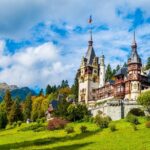
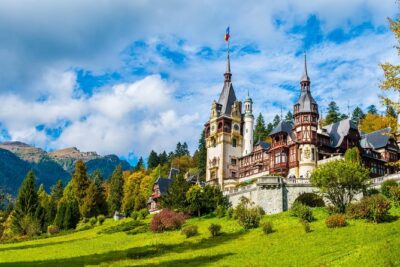
Peleș Castle in Sinaia
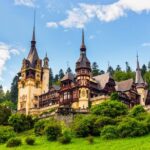
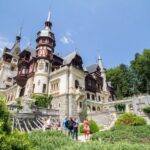
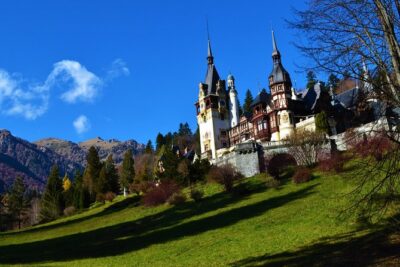
You visit the gardens first, then go into the castle on a standard interior tour. Peleș is one of those places where you can feel the “Royal residence” label as soon as you arrive. It is not only about photos. Walking through gives you a sense of why this was a destination, not just a building. The included time block means you get a coherent experience, not a quick glance.
If you like architecture and interior details, this stop rewards you. If you do not, you can still enjoy it as a dramatic introduction to why Transylvania became a magnet for power and style.
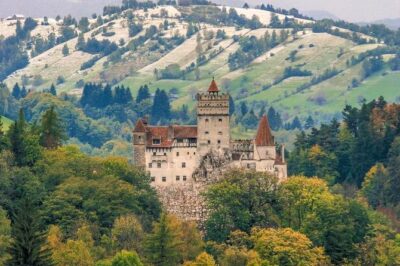
Bran Castle, Dracula’s castle, plus the real story angle
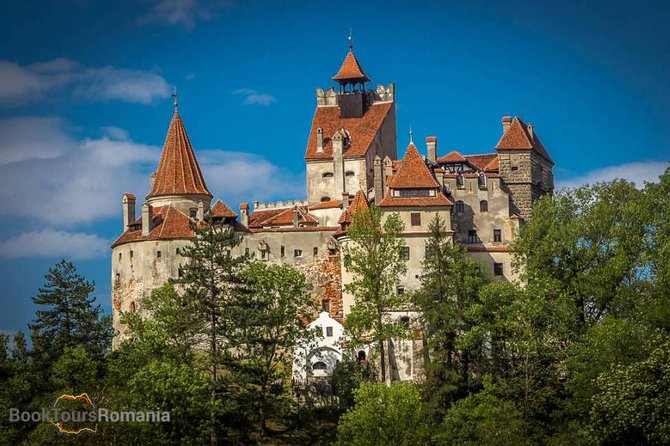
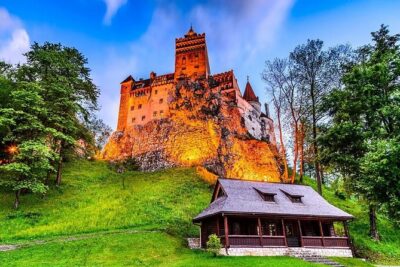
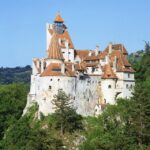
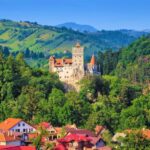
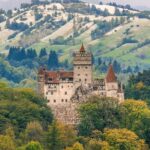
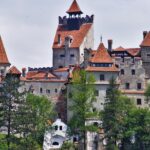
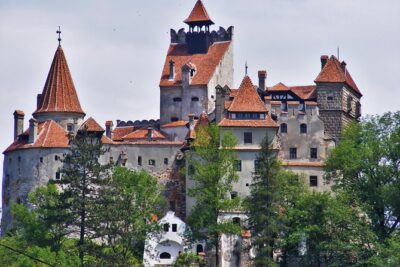
Next comes the mountain drive through the Prahova Valley, then Bran village and Bran Castle. The guide focuses on the castle’s history and the “real story behind Dracula’s myth.” That is important, because Bran is famous for one character, yet the building and its history are more interesting than the marketing.
You get a guided tour here as well, with included admission. Practically, it helps you avoid the usual trap: spending time reading signs you cannot connect to, instead of understanding what you are seeing and why it matters.
More private days in Bucharest
Brasov old town on foot
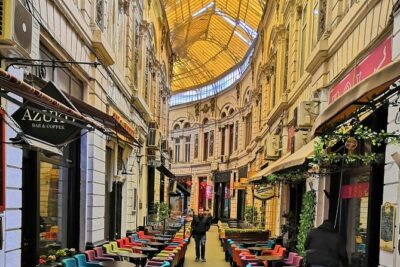
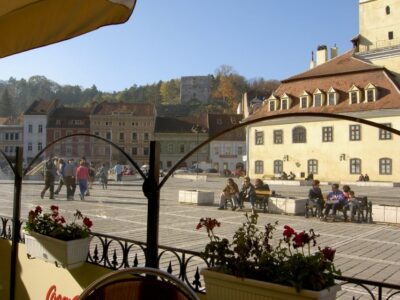
After the castles, you land in Brașov for a walking tour of a typical Transylvanian old city. This is one of the smartest parts of the route because it breaks up the castle intensity with street-level atmosphere. You get the feeling of the place, not just the landmarks.
A bonus for your schedule: Brasov is where your hotel stay begins, and multiple accounts highlight that the lodging is in the heart of the old towns. That makes a late-day wander easy.
Day 2: Viscri UNESCO Saxon village, then Sighișoara’s inhabited citadel
Day two slows slightly in the best way, swapping royal castles for the fortified community life that shaped much of Transylvania.
Viscri’s fortified church and World Heritage setting
On the way to Sighișoara, you stop in Viscri, a Saxon village known for its highly fortified church. The church dates to around 1100 AD and was designated a World Heritage site by UNESCO in 1993.
You also get lunch served in Viscri, which is genuinely helpful. Long sightseeing days are easier when one meal is handled, and you get to experience village life rather than eating in a parking-lot restaurant.
Depending on what your guide emphasizes, you might pick up interesting local connections too. One past experience even mentioned a well-known historic house linked to King Charles of Britain in Viscri, which shows how Viscri has been part of international attention without losing its village rhythm.
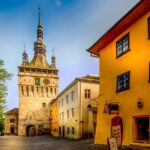
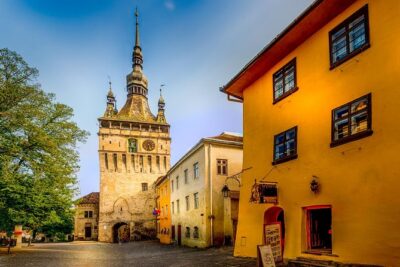
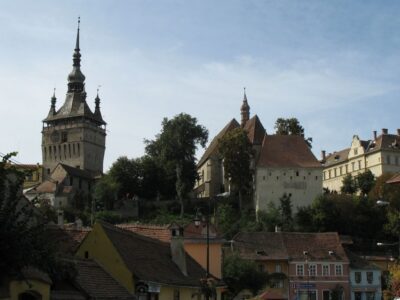
Sighișoara, the only inhabited citadel in Europe
Then you arrive in Sighișoara, often described as the best-preserved medieval town in Romania. Like many Transylvanian towns, Sighișoara connects to Saxon colonists. The standout detail here is that it is the only currently inhabited citadel in Europe, and it has UNESCO status since 1999.
You get a guided tour of the citadel, then you have the evening on your own. This is the right kind of free time, because Sighișoara’s atmosphere works after hours. You can choose to relax, walk the streets, or just take in the views without having to rush back to meet the group.
This is also a day where your included hotel stay in the old city area pays off. When your room is near the historic core, you lose less time to transit and more time to the experience.
Day 3: Biertan fortified church and Sibiu old town by foot
Day three leans into the Saxon theme again, but in a different way. Instead of royal residence or major tourism hubs, you focus on how communities defended themselves and built lasting places for worship.
Biertan Fortified Church, UNESCO since 1993
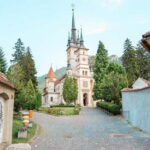
You visit Biertan, another UNESCO-listed Saxon village with a fortified church. The included time is shorter here, about an hour, so this is best if you enjoy focused stops. You see the key features, learn what makes it significant, and then you move on without wasting time.
Fortified churches in Transylvania are not just pretty. They reflect the region’s history and the practical need to protect communities. If your guide explains how these structures worked, you will likely see the walls and layout differently once you understand the purpose.
Sibiu old town walking tour
After Biertan, the tour continues to Sibiu, where you take a walking tour of the old town. The historic center has been in UNESCO discussions, including a bid around 2004.
Sibiu is often appreciated for how walkable it feels. On this route, it works well because you get a calmer, more urban stop compared with castles and citadels. You can also use this day to reset a bit for your final mountain-and-monastery day.
Day 4: Transfăgărășan Highway scenery and two monasteries options
This is the day with the big driving payoff. It is also the day where the tour adjusts based on season, which matters for planning and expectations.
Transfăgărășan Highway, July to October
During July to October, your drive back to Bucharest includes the Transfăgărășan Highway. You stop at several picture-friendly spots along the way, and the scenery becomes the main event.
One detail that people often remember is the chance of wildlife along the road. Past experiences mention seeing wild bears during the drive, which is a good reminder to stay alert and follow your guide’s direction about viewpoints and safety.
Curtea de Argeș Monastery, included
On the way, you also visit Curtea de Argeș Monastery for about 30 minutes. It is described as an architectural gem and also as the burial site for Romanian kings. Even with limited time, this stop adds a different kind of Transylvania and Romania perspective, tying the landscape to royal and religious power.
November to July: Olt river gorge and Cozia Monastery
From November to July, the Transfăgărășan Highway is not accessible. In that case, the drive shifts to the Olt river gorge and includes a stop at Cozia Monastery. Admission is not listed as included for Cozia on the schedule, but the stop itself is part of the experience and the monastery is the focus.
If your dates are outside summer, go in expecting a more river-gorge feel rather than highway panorama. It still works, just differently.
Price and what you actually get for $1,324.52 per person
Let’s talk value without pretending it is cheap. At $1,324.52 per person for about four days, you are not paying only for sightseeing. You are paying for a private English-speaking guide, modern transportation, central lodging, and several included entrance fees and meals.
Here’s where the price can feel worth it:
- 3 nights accommodation are included (Brasov, Sighișoara, Sibiu). If you had to book these on your own while also paying for transfers between towns, the overall cost often climbs.
- Breakfast for 3 days is included, and that is a small but real quality-of-life thing.
- Lunch is included during the Viscri stop, and the tour also provides snacks and non-alcoholic beverages during the day.
- You have licensed English-speaking guiding across multiple towns, not just at one or two stops.
- Several key admissions are included: Peleș Castle, Bran Castle, Biertan fortified church, and Curtea de Argeș Monastery.
What you should plan to pay separately:
- Other meals and alcoholic beverages are not included.
- Photo and video fees at visited sites are not included.
- Flight tickets are not included.
So the real question is: do you want the convenience of a fully handled route with lodging and guiding? If yes, this price is easier to swallow. If you prefer to move on your own schedule with public transport and self-booked hotels, you might spend less but also spend more time coordinating.
Where you’ll sleep matters: central Brasov, Sighișoara, Sibiu
A hidden win in this kind of tour is the hotel location. Multiple accounts highlight that the accommodations are placed in or near the historic districts, so you can walk after your guided time ends.
That changes your whole trip feel. When your hotel is near the old streets, evening becomes flexible. You can grab a meal whenever you feel like it, take a slow walk, or just step outside for views without planning a second transport segment.
Expect three different town vibes:
- Brasov for a lively medieval-city base after castle day
- Sighișoara for citadel atmosphere and evening wandering
- Sibiu for a more urban old-town feel with easy strolling
The tour includes breakfast, so your mornings start with less friction.
Guide impact, from Victor and Gelu to Nick Zavada
The biggest pattern in the feedback is the guide. Names mentioned include Victor, Marcel, Nick Zavada, Gelu, and the owner contact Bogdan showing up in communication.
What you should care about is not the celebrity of a name. It is the effect: an attentive guide can adjust the day when you want more time, and explain what you see in a way that makes the castles and churches feel connected instead of random.
On this route, that matters because the story threads are real:
- Dracula myth versus local history at Bran
- fortified church purpose at Saxon villages like Viscri and Biertan
- why Romanian kings and religious architecture show up in your final day
If your guide is good at telling those connections, your memories stick longer.
My practical advice: bring a short list of what you care about, like castles, military history, medieval towns, or mountain scenery. Then tell your guide early. You will usually get a better-feeling day, because they can steer emphasis and answer your questions in the moment.
Practical tips for making the most of every day
This tour is active, but it is not extreme. You will walk in old towns and within castle settings, and you will spend real time traveling between them.
To get the best experience:
- Wear comfortable shoes for uneven old streets and castle paths.
- Plan for long car days. The tour includes non-alcoholic beverages and snacks, but you should still keep water habits in mind.
- Bring a camera, and also remember that photo and video fees might apply at some sites.
- If you care about the Transfăgărășan Road look, check your travel month. July to October gives the classic highway experience, and outside that window you switch to the Olt river gorge plus Cozia Monastery.
Also, your pickup is typically scheduled between 7:00 AM and 10:00 AM, and airport pickup can be arranged from Otopeni with the right flight details.
Should you book this 4-day Transylvania famous landmarks tour?
Book it if you want a first-timer-friendly Transylvania hit list that still feels more than surface-level. The blend of Peleș and Bran, Saxon fortified villages like Viscri and Biertan, and the big mountain drive of Transfăgărășan (when accessible) is a smart use of time.
Skip or rethink it if you want lots of slow free time in only one or two towns. This tour is designed to cover major sights efficiently, so it may feel like a curated route rather than a wandering vacation.
If your priorities are clear, like castle day plus UNESCO villages plus real mountain scenery, this is the kind of tour that makes the region feel “put together” instead of stitched together at the last minute.
More Tours in Bucharest


More Tour Reviews in Bucharest
Transylvania, Further In

Just added from Bucharest


Transylvania Day Trips, compared.
 ★ 4.5Transylvania and Dracula Castle Full Day Tour from BucharestFrom $351,589 reviews
 ★ 4.5Castles of Transylvania: Private Day Trip from BucharestFrom $151248 reviews
 ★ 4.52-Day Medieval Transylvania with Brasov,Sibiu and Sighisoara Tour from BucharestFrom $120145 reviews
 ★ 4.8Transylvania: Dracula’s Castle and Birthplace TourFrom $175123 reviews
 ★ 5.02-Day Transylvania from Bucharest: Brasov, Bran, SighisoaraFrom $40960 reviews
 ★ 4.8Transylvania: Cultural Full-Day Trip by MinivanFrom $44157 reviews
 ★ 5.04-Day Private Tour in Transylvania from BucharestFrom $1,17548 reviews
 ★ 5.0Private Tour: Transylvanian Castles and Brasov’s Medieval Old TownFrom $19242 reviews
Browse the lists this tour appears in