
REVIEW · PRIVATE
Private 8 Day Romania UNESCO Tour
Eight days, Romania hits hard. This private UNESCO tour strings together medieval towns, wooden churches, and painted monasteries with countryside visits and real local food. I especially like how it mixes big-name sights with smaller crafts stops, plus the day-to-day comfort of traveling with your own guide from hotel to hotel. One thing to plan for, though: there is a lot of driving, and many entrances are not included, with an estimated extra cost of around 85 euro.
I’m also a fan of the way the route tells a story. You start in modern Bucharest and then slide into Transylvanian Saxon history, Maramures traditions, and Bucovina monastery art, with time built in for wandering old centers on foot. The only drawback I’d flag is pacing, since you will move several times across regions, and long travel days can feel like a tradeoff for seeing so much.
Key highlights you will actually feel during the trip
- Private guide, hotel pick-up start, and door-to-door transport in a car or minibus (your group only).
- UNESCO-packed itinerary featuring wooden churches in Maramures and painted monasteries in Bucovina.
- Local life moments, like the horse-driven wagon tour near Sibiu and home-style dinner at a countryside guest house.
- Craft and food stops including weavers and wood carvers, plus jam, chutney, and syrup tasting in Transylvania.
- Flexible extras where the plan says optional visits like the Communist Prison Museum in Sighet.
More private days in Bucharest
- Castles of Transylvania: Private Day Trip from Bucharest★ 4.5 · 248 reviews
- Dracula’s Castle, Peles Castle and Brasov – Private Day Trip from Bucharest★ 5.0 · 211 reviews
- Best of Bucharest | Private Walking Tour★ 5.0 · 199 reviews
- Bucharest Panoramic Sightseeing – Private City Tour★ 5.0 · 128 reviews
A private UNESCO Romania route that makes sense from Bucharest
Starting and ending in Bucharest is a smart move on this kind of trip. You are not spending your vacation on logistics like changing buses or rebooking trains, and you get a consistent guide to explain what you are seeing instead of just pointing at it.
For me, the best part of a private setup is how you can match the day to your energy level. Even when the itinerary is fixed, having your own driver and guide means fewer waiting games, and the stops for wandering old streets actually work better because you are not trying to herd a crowd.
Value-wise, the price is $2,315.49 per person for about 8 days, and that includes 7 nights in twin or double rooms, a private tour guide, and most of the transportation in a car or minibus. On top of that, breakfast is included 7 times, and dinner is included 3 times, plus a few hands-on experiences like the wagon tour, craftsmen visits, and jam tasting. Then there are entrance tickets, estimated at about 85 euro, which is the part you should budget for upfront.
Bucharest morning: Revolution Square to royal-era museums
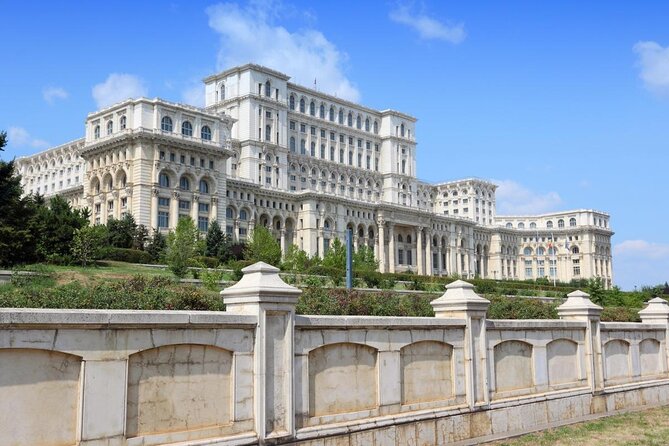
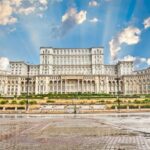
Day 1 begins with a 9:00 AM meeting at your Bucharest hotel, then a panoramic run through the city’s major landmarks. You’ll pass things like the Parliament Palace, Revolution Square, the Athenaeum, and the Royal Palace, plus big avenues and arches that help you understand how Bucharest evolved.
The Revolution Square stop matters because it sets context. In 1989, this is where the anti-communist revolution started in Bucharest, so it is not just a photo stop, it is a historical anchor for the rest of the trip.
From there, you also get time at Cozia Monastery and Sibiu’s old district that same day, which is a reminder that this tour is designed to “move with meaning.” If you like travel days that connect history to place, you will feel that here.
Cozia Monastery and Sibiu old town: the easy win on Day 1
Cozia Monastery is a strong first UNESCO-style stop. Built at the end of the 14th century, it shows a classic example of Romanian church architecture, and it is also the burial place of Mircea the Old, an important Wallachian ruler. The plan notes the admission ticket is free, so it’s one less cost to worry about early.
Then comes Sibiu, with a walking tour through the Big Square, Small Square, the Staircase Tower, and Liar’s Bridge. You also get cathedral variety here, since the tour route includes the Evangelical, Catholic, and Orthodox cathedrals, plus medieval walls and fortifications. That mix is helpful because it shows how different communities shaped Transylvania.
You end Day 1 in the village of Sibiel, where you switch from urban walking to rural rhythms. You’ll take a horse-driven wagon tour through the old village and then enjoy a home-made dinner using traditional products, staying overnight in a local guest house. If you care about more than sightseeing, this is one of the moments you will remember most.
Practical note: this is a long day. If you are the type who likes early starts and late dinners without complaint, you’ll love it. If you prefer slow mornings, plan to be flexible for the route schedule.
Corvin Castle and Alba Iulia: fortresses that explain the region
Day 2 starts with the drive toward Hunedoara for Castelul Corvinilor (also known as Corvin’s or Hunyad Castle). This is described as the biggest medieval castle in Romania, dating to the 15th century, and it served as a residence of the Transylvanian governors. If you like defensive architecture, towers, and power symbols, this is a standout.
The plan lists the admission ticket here as not included, so this is a ticket budget moment. That said, it’s also a “big wow” stop, so paying for it feels reasonable rather than like a random add-on.
Next is Alba Iulia, a city with ancient layers. You can see ruins connected to one of the biggest Roman cities in the area, then also explore its role in the Union story of Romania. The route includes the Orthodox Cathedral and Catholic Cathedral, plus the fortification system built in the style associated with Vauban.
You end in Cluj-Napoca, with an overnight at the Napoca Hotel described as 4 stars or similar. That city base is helpful because it breaks up the rural pace with a more standard hotel feel.
Cluj-Napoca to Maramures: wooden church country and craft workshops
Day 3 is where the itinerary really shifts north into Maramures, the region famous for wooden churches and strong traditions. First, you get a walking tour of Cluj-Napoca, including St Michael’s Cathedral, Union Square, Museum Square, the Orthodox Cathedral, National Theatre, and Matei Corvin’s statue. This helps you understand Transylvania as a lived-in region, not just a museum route.
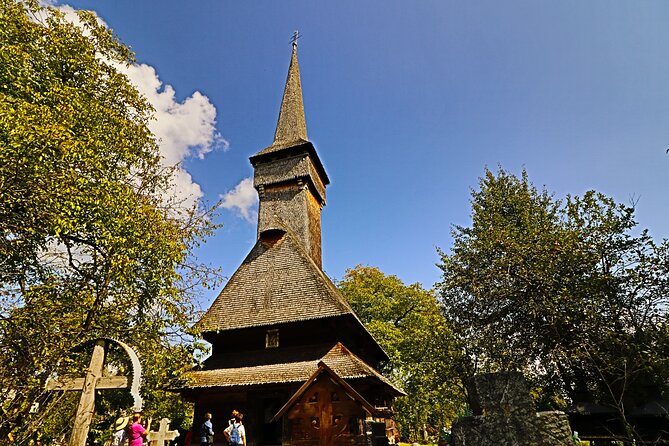
Then the wooden-church UNESCO stops begin. The plan includes Surdesti wooden church (UNESCO), built in 1766 and known for its tall tower height of 54 meters, noted as among the tallest old wooden churches in Europe. The admission is not included for this one, so you’ll see another ticket cost here.
You then move to Desesti for the Church of the Holy Paraskeva (UNESCO). Along the way, you also get Maramures countryside and the idea of “craft as everyday culture.” The itinerary specifically mentions stops for local craftsmen including a weaver, a wood carver, a water mill, and a traditional household, so you do not just look at buildings. You also learn how people made and used things.
The day ends in Botiza at a local pension, with dinner and overnight. Barsana Monastery is on the route and its admission is listed as included, which makes the end of Day 3 feel less cost-heavy.
Sapanta’s Merry Cemetery and the painted-wood feeling of Bogdan Voda
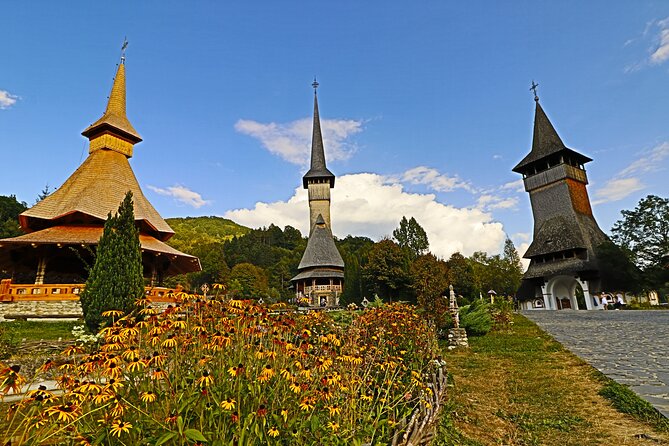
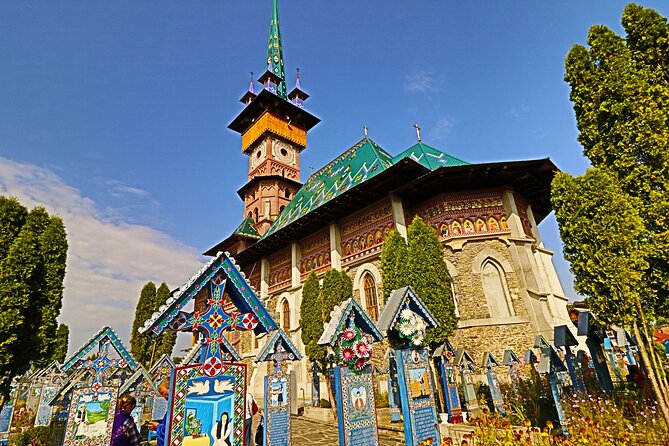
Day 4 continues in Maramures with a mix of unforgettable visuals and more cultural texture. The first stop is Sapanta Merry Cemetery (UNESCO), famous for colorful tombstones with funny poems. The plan lists admission as included, so that’s money you save while still getting a very specific, memorable stop.
Nearby is Sapanta-Peri Monastery, founded in Sapanta in 1997 to revive an older monastic tradition, and described as the tallest wooden church in the world in Guinness records. Admission is also listed as included here, which is a nice bonus on this route.
You have an optional moment in Sighet: the plan notes you can stop to visit the Communist Prison Museum. If that topic interests you, it can add emotional weight to the trip. If not, you can skip it and just keep moving, since the rest of the day still has strong UNESCO value.
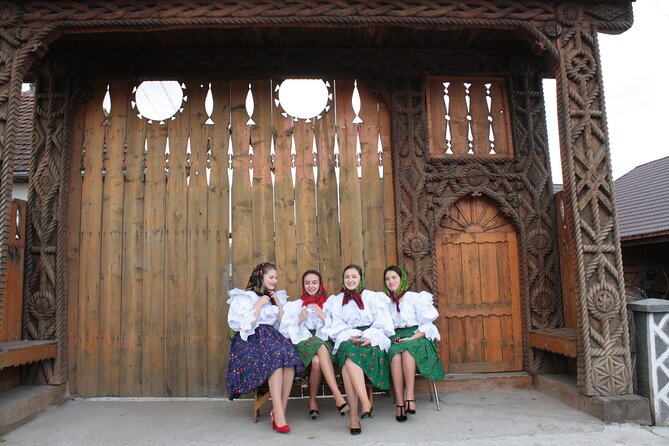
In the afternoon, you visit the Maramures Woman Museum in Dragomiresti. It’s small but focused on traditional ways of life, with a detailed wooden gate at the entrance where the tour guide explains the history and carved symbols. The plan says admission is not included here, so treat it as optional-value even though it sounds like it’s worth your attention.
Later, you see Bogdan Voda Wooden Church (UNESCO), dating to the early 18th century, known for frescoes painted on wood. Admission is listed as free. You finish the day back in Botiza with time to relax and a simple return to village life.
Bucovina painted monasteries: art you can actually see up close
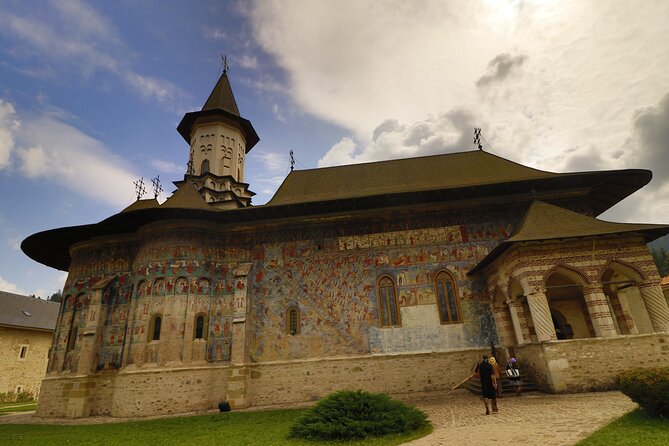
Day 5 takes you across the Carpathians into Bucovina, the painted monasteries region. This is also where road trips start to feel like part of the experience, since the plan calls out scenic villages and traditions like decorated houses and painted eggs in the village of Ciocanesti.
At Moldovita Monastery, you get classic painted monastery wow. These monasteries date to the 15th to 16th centuries and preserve original interior and exterior frescoes. The plan lists admission as not included, but the description here makes it clear why you might want to pay.
You can also visit an additional museum on the painted eggs tradition: Muzeul International al Oualor Lucia Condrea. Admission is not included. If you like quirky craft history, this is a fun add. If you prefer to stick mostly to the big monuments, you can decide based on time and energy.
Then comes Sucevita Monastery, described as the most magnificent among the painted monasteries, with fortress-like features such as towers, buttresses, and watch roads. Admission is listed as not included, but this is one of those stops that tends to justify the cost because it blends architecture and fresco art.
Day 5 ends with Ceramica neagra in Marginea, where you visit a local family workshop producing black pottery using old technology. Admission is listed as free for that workshop. This is exactly the kind of practical craft stop that makes UNESCO trips feel grounded, not just decorative.
Voronet, Bicaz Gorges, and Red Lake: moving through the Carpathians
Day 6 starts with Voronet Monastery, founded in 1488 by Stephen the Great. It is famous for frescoes with a blue background, especially the Last Judgment representation. Admission is not included in the plan, so again, this is a pay-on-site style stop. If you are spending money anyway, this is one of the places to do it.
After that, the plan tracks you across the mountains and back toward Transylvania, with stops that highlight dramatic nature moments. You pass Red Lake and Bicaz Gorges, both listed as free in the plan and each with short time windows. Even with limited time, those are effective breaks between monasteries and towns, because your brain needs a visual reset.
You end the day in Sighisoara, with time allowed for a next-day old town walking tour. That decision to end in a medieval city sets you up for a smoother Day 7 start.
Sighisoara and fortified Prejmer: Saxon town life plus defensive churches
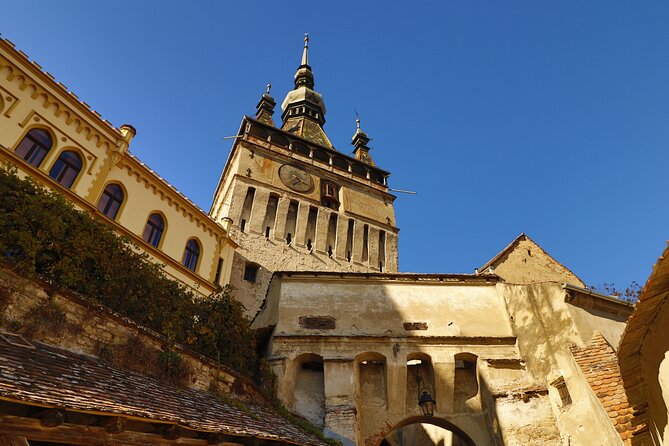
Day 7 begins with Sighisoara’s UNESCO medieval center, also called the Pearl of Transylvania. The plan describes it as one of the best preserved medieval towns in Europe, built by German settlers, known as Saxons. You get a walking tour with a focus on the medieval citadel and the old atmosphere.
Then you move through charming Transylvanian villages, with a stop at Saschiz, known for jams. You’ll do jam, chutney, and syrup tasting at a local producer shop, and the plan lists admission as included for this stop. It’s a small stop that feels big because it turns a region into something edible and take-homeable.
Next is Prejmer fortified church (UNESCO), a 13th-century defensive and religious structure. The plan lists admission as not included, but the “fortified church” concept makes it more than a single chapel. It shows how faith and defense overlapped in daily life.
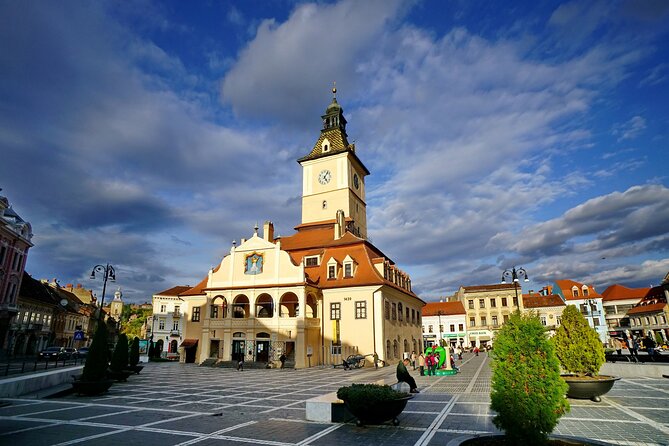
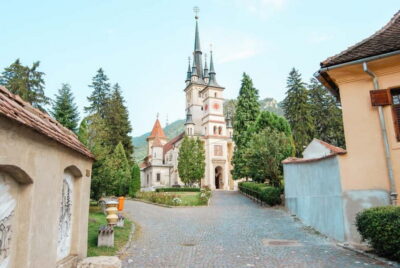
In the afternoon, you arrive in Brasov for a walking tour of the medieval historical center. The highlights listed include Council Square, the Black Church, White and Black Towers, Weaver’s Bastion, and Ecaterina’s Gate. You also visit the Black Church (Biserica Neagra), listed as not included, and you stop at Weavers Bastion as part of the tour. Even if you only have short time, these names are useful because they guide what to look for in the streets.
Bran and Peles on Day 8: Dracula links and a royal finish
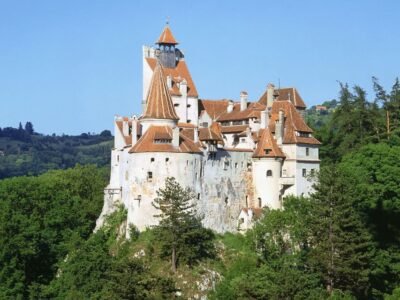
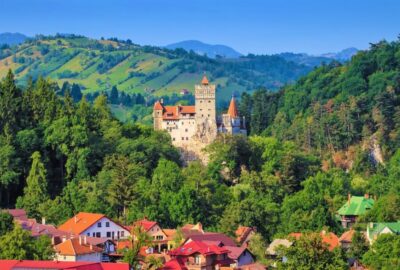
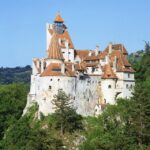
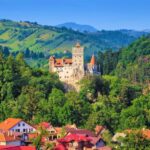
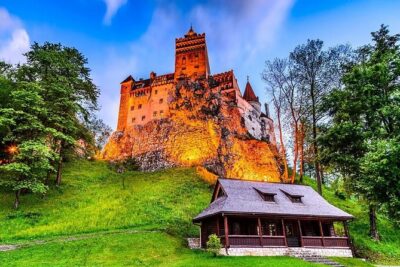
Day 8 is a classic “major sights” day. You start with Bran Castle, built in the 14th century and linked today to the Dracula legend. The plan lists admission as not included, and it also frames Bran as a castle that controlled access to Transylvania, which helps you view it as more than a movie stop.
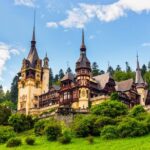
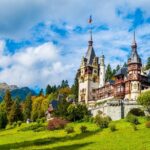
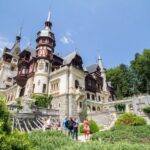
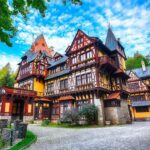
Next is Peles Castle in Sinaia, the former summer residence of Romanian kings. The plan calls it one of the nicest former royal residences from Europe, which is the kind of statement that usually holds up when you finally walk inside. Admission is not included, but if you want a final day that feels polished and grand, this is the right choice.
Then you return to Bucharest for the end of the tour, around 16:00. Drop-off is offered at the airport or to a hotel in Bucharest, with time set aside for the transition out of the trip.
Price and tickets: how to budget without stress
The tour price is $2,315.49 per person for the 8-day experience, and what stands out is how much is baked into it. You get 7 nights lodging, a private guide, and car or minibus transport across all the regions. Breakfast is included 7 times, dinner is included 3 times, and several specific cultural activities are included, like the wagon tour in the Sibiu area, visits to local craftsmen, and jam tasting.
The part to budget is entrance tickets. The plan estimates about 85 euro in additional entrances. Also, some places are listed as free admission while others are listed as not included, so the estimate likely depends on which paid sites you prioritize and how you handle optional museums. If you like to plan tightly, save extra euros beyond the estimate so you are not doing math while standing in a ticket line.
What you get in the end: more than UNESCO checklists
This route works well if you want the “how and why,” not just the “what.” The trip keeps returning to themes: power and architecture in fortresses, community life through craftsmen and household visits, and artistic tradition through fresco and painted monastery stops.
The UNESCO sites are the headline, but the smaller stops are what make the story feel human. A wagon ride with local dinner near Sibiel. A crafts visit where you meet people tied to making objects rather than just selling souvenirs. Jam tasting that turns a village name into something you can taste.
If you enjoy travel that feels organized yet still grounded, this fits.
Who this private tour is best for
This itinerary is a great match if you:
- Want private guiding and fewer transport headaches.
- Like the blend of UNESCO sites plus rural traditions and crafts.
- Prefer a set route with planned walking tours and scheduled free time rather than self-planning every day.
It may be less ideal if you:
- Hate long days on the road, since the trip crosses regions repeatedly.
- Would rather control every ticket cost yourself, since some entrances are not included.
Should you book this 8-day Romania UNESCO private tour?
I’d book it if you want a structured Romania trip that does not feel like a highlight reel. This route gives you a strong arc from Bucharest history into Transylvania and then into Maramures and Bucovina, with actual craft and food moments woven through it.
I’d hesitate if you dislike rushing between places or if you are very ticket-sensitive. Still, even with paid entrances, the mix of UNESCO wooden churches and painted monasteries, plus the local village experiences, tends to deliver good value for your time.
If you can handle a few long travel days, this is one of those trips where you come home with both photos and a clearer sense of how Romania’s regions differ.
FAQ
Where does the tour start and end?
The tour starts in Bucharest and ends back in Bucharest, with drop-off offered at the airport or a hotel in Bucharest around 16:00 on the final day.
What time does the tour begin each day?
The tour meeting time is 9:00 AM. The plan says Day 1 starts with meeting the guide in the morning at your hotel in Bucharest.
Is pickup included?
Pickup is offered, and the tour starts with meeting your guide at your hotel in Bucharest.
Is this tour private?
Yes. It is a private tour/activity, meaning only your group participates.
What kind of transportation is used?
The tour uses a car or minibus for transport between stops.
Where do you stay overnight?
You get 7 nights in double or twin rooms. The plan specifies a local guest house or pension for some countryside overnights, and it also mentions a 4-star or similar hotel in Cluj-Napoca.
Are meals included?
Breakfast is included 7 times. Dinner is included 3 times.
Are entrance tickets included?
Entrance tickets are not included as listed in the itinerary, and the plan estimates about 85 euro for admissions.
Is the horse-driven wagon tour included?
Yes. The plan includes a horse-driven wagon tour in the Sibiu area.
When will I receive confirmation after booking?
You should receive confirmation within 48 hours of booking, subject to availability. Cancellation is allowed up to 3 days in advance for a full refund.
More Private Days



More Tours in Bucharest


More Tour Reviews in Bucharest
Just added from Bucharest


Private, compared.
 ★ 4.5Castles of Transylvania: Private Day Trip from BucharestFrom $151248 reviews
 ★ 5.0Dracula’s Castle, Peles Castle and Brasov – Private Day Trip from BucharestFrom $199211 reviews
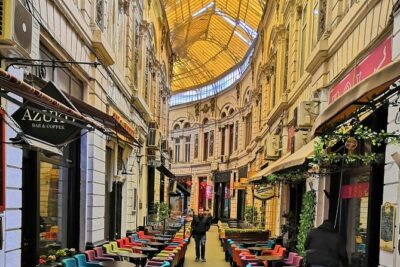 ★ 5.0Best of Bucharest | Private Walking TourFrom $314199 reviews
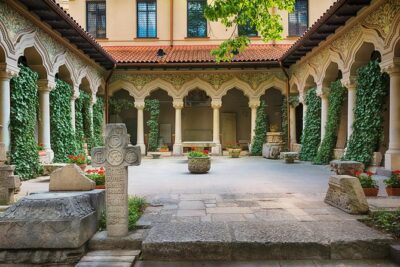 ★ 5.0Bucharest Panoramic Sightseeing – Private City TourFrom $101128 reviews
 ★ 4.0THERME “Take It Easy” Pack: Full Spa Access + Private TransfersFrom $118117 reviews
 ★ 5.04h Bucharest Private Tour (2h by Car and 2h Walking in Old Town)From $10090 reviews
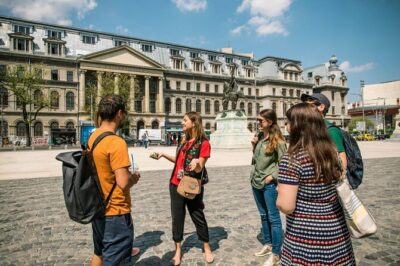 ★ 5.0Discover Bucharest: Private Highlights and Traditional Food TourFrom $14386 reviews
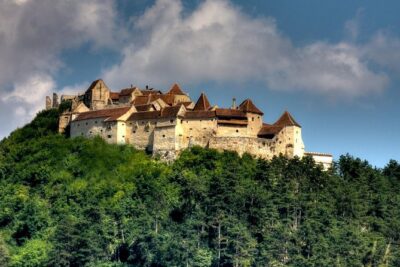 ★ 5.0Dracula Castle, Peles Castle & Brasov-Private Tour from BucharestFrom $16580 reviews