
REVIEW · TRANSYLVANIA DAY TRIPS
Bucovina Painted Monasteries & Transylvania Tour: 4-Day Private
Romania’s fresco trail moves fast, but it clicks. In four days you’ll see Bucovina’s painted monasteries and then swing into Transylvania’s Saxon heritage with Sighisoara, Viscri, Brasov, and a royal stop at Peles. You get one-on-one time with a private guide, plus comfortable door-to-door logistics from Bucharest.
What I like most is the focus on the art itself, not just a photo stop, and the smooth travel rhythm using private transport. You also spend three nights in 3-star hotels with breakfast included, which keeps costs sensible for a private route.
One consideration: a few major sights have entrance fees not included, so you’ll want to budget extra on the spot.
Key highlights you’ll actually feel day to day
- Private transport that keeps the route comfortable and time efficient
- One-on-one guidance so fresco details and history make sense, not just blur past
- Bucovina’s top painted churches, including the famed Voroneț blue
- Saxon Transylvania stops like UNESCO Sighisoara and Viscri
- Careful pacing with multiple 1 to 2 hour monastery visits instead of all-day museum marathons
- Easy add-on energy if you want extra photo time outside certain churches (with possible small fees)
How This 4-Day Private Route Gets You Real Painted-Church Time
This tour works because it lines up the best places to see how religious painting developed across northern Moldavia, then connects those ideas to what you’ll notice later in Transylvania’s towns. You’re not just hopping between random sites. The route builds a mental map: where the style comes from, how it changed, and why these churches mattered enough to paint the outside and inside.
The private format matters more than people think. In a group, you spend time waiting. Here, you can slow down where the frescoes reward it. You can ask why a color looks the way it does, why certain biblical scenes were chosen, and how restoration affects what you see today. In the reviews I read, guides like Marius were praised for pointing out differences between older 15th-century churches and newer paintings, plus showing restoration work while you’re there. That’s the stuff you miss when the schedule is tight.
The route is also built around visits that are long enough to be meaningful. Many stops are about 1 to 2 hours, not 20-minute sprints.
Deeper into Transylvania
- Transylvania and Dracula Castle Full Day Tour from Bucharest★ 4.5 · 1,589 reviews
- Castles of Transylvania: Private Day Trip from Bucharest★ 4.5 · 248 reviews
- 2-Day Medieval Transylvania with Brasov,Sibiu and Sighisoara Tour from Bucharest★ 4.5 · 145 reviews
- 2-Day Transylvania from Bucharest: Brasov, Bran, Sighisoara★ 5.0 · 60 reviews
Price and Value: Private Touring Without the “Hidden Tax” Surprise
At $1,356.43 per person for about four days, this is not a cheap trip. But it’s also not priced like a flimsy bus tour. The value comes from what’s bundled:
- 3 nights in 3-star hotels
- Breakfast included for those three mornings
- Hotel pickup and drop-off in Bucharest
- Private tour with your own guide
- Entrance fees included for many stops
Now, here’s the part you should plan for up front. Some entrances are listed as not included. That includes Viscri Fortified Church, plus the Black Church and Peles Castle. The tour notes say you can buy tickets on the spot, and the estimate is about EUR 25 to 30 per person for those additional sites.
So the real question is: do you want to pay for private routing and comfort, or do you want to spend your energy on figuring out transportation and timing yourself? If you like the idea of being driven, guided, and fed in a simple rhythm, the price starts to make sense.
Day 1 in Northern Moldavia: Agapia and Văratec Nunneries
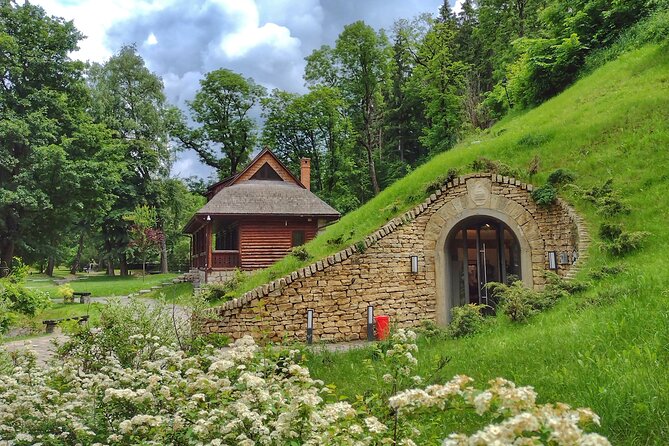
Your first day focuses on Orthodox monastic life, not just architecture. Agapia and Văratec are both major nunneries in the region, and that matters because the paintings you’ll see later are part of a living tradition, not a dead exhibit.
Agapia Monastery: Large Community, Big Church Frescoes
Agapia sits near Târgu Neamț and was built in the 1640s by hetman Gavriil Coci. Over the centuries it was restored and modified. Then, in the late 1800s (1858 to 1861), the church was painted by Nicolae Grigorescu.
What I like about Agapia for your first day is how it sets the tone. You start with a sense of scale, and with the idea that these sites were cared for and changed by real people across generations. The tour gives you about an hour, which is enough to take in both the overall church impact and the main painted areas without rushing.
Practical tip: Orthodox church grounds can have dress expectations. One review mentioned that even when people are not asked to wear a covered head, you should plan for trousers or a long skirt to access the grounds. Carry a light layer, just in case.
Văratec Monastery: The Largest Nunnery Feeling
Văratec is described as the largest nun monastery in Romania, with more than 400 nuns. You’ll get another hour here, and the point is to see how monastic space looks and feels in this part of the country.
If you care about culture beyond the postcard, this is a good pairing with Agapia. It’s not only about painted surfaces. It’s about the community behind them.
More monasteries north of the city


Day 2 Is All About Frescoes: Sucevita, Moldovița, and Voroneț
Day 2 is where your eyes will start to connect dots. These are the painted churches people come to Romania for, and the timing is built so you don’t burn out after one stunning stop.
Sucevita Monastery: Byzantine Meets Gothic, Inside and Out
Sucevita is the kind of church that feels like it’s wearing its story on its sleeves. The architecture blends Byzantine and Gothic elements, and the exterior plus interior walls are covered with mural paintings.
This church is also described as depicting biblical episodes from both the Old and New Testament. You’ll have about 2 hours, so you can actually read the paintings in a loose way, instead of only snapping a few frames and leaving.
A smart way to handle this stop is to pick one theme to watch for, like the contrast between scenes of suffering and redemption. Your guide can help, and private attention is the advantage.
Moldovița Monastery: Painted Walls With a Defensive Origin
Moldovița was built in 1532 by Petru Rareș, who ruled Moldavia. The tour notes add a backdrop: the monastery was founded as a protective barrier against Ottoman conquerors from the east.
That kind of context changes how you see the paintings. They stop being only decorative and start feeling purposeful. You’ll have about 2 hours here too, which helps because Moldovița’s murals can reward slower viewing.
Voroneț Monastery: The “Sistine Chapel of the East” Blue
Voroneț is one of the most famous painted monasteries in southern Bukovina. It was constructed by Stephen the Great in 1488, over a short intense building period, to commemorate the victory at the Battle of Vaslui. The legend you hear for this place is the deep blue fresco color called Voroneț blue.
You’ll get about 2 hours at Voroneț. This is the moment where it’s worth stepping back occasionally. Up close, you can see details. From farther away, you get the full composition and the color impact.
One review also praised how restoration work can be visible, and that’s something you may notice at sites like this. Restoration doesn’t ruin the experience. It can help you understand the building’s long life.
A note on photos: sometimes rules are strict
A review mentioned that photography rules can be different by location and area. One site reportedly charged around 10 Lei for outside photos, and inside photos were not allowed. Rules can change, so treat this as a heads-up: follow signage, ask if unclear, and keep your money and patience ready.
Day 3 Through Transylvania: UNESCO Sighisoara, Viscri, and Brasov
Day 3 is where the tour shifts from monastery art to Saxon town heritage. The vibe becomes more streets, walls, and viewpoints.
Sighisoara’s Historic Center: Medieval Citadel Energy
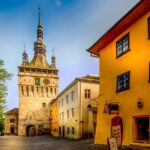
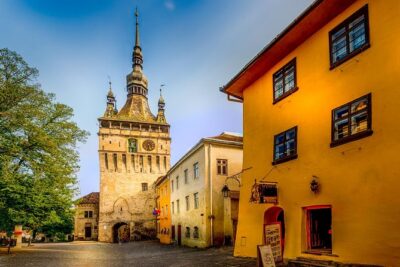
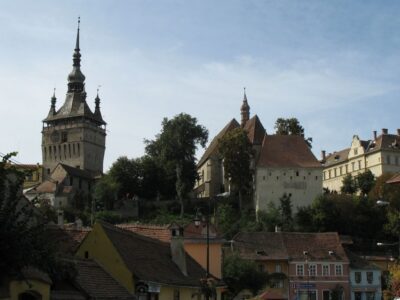
Sighisoara is a UNESCO World Heritage Site. You’ll spend about 2 hours in the historic center, a walled medieval citadel. This stop works well after two days of churches because you get a different type of history: architecture tied to daily life and defense.
If you like walking, this is one of the easier days to do it well. Keep an eye out for the town’s medieval layout, and don’t be shy about climbing a bit if you can. The views help you understand why this place mattered.
Viscri Fortified Church: UNESCO Saxon Landmark in a Quiet Place
Next is Viscri, also UNESCO. The fortified church is a key piece of Saxon medieval architecture.
The tour notes say the entrance ticket is not included for Viscri, so budget extra for that. You’ll have about 1 hour, which is short but reasonable for this kind of site.
A practical tip from the overall style of the route: since you’ll be moving from Bucharest to the countryside and back, your best move is to keep clothing comfortable for walking and stairs. The fortified church is not a “sit all day” stop.
Brasov Historical Center: Regional Capital and a Musical Fact
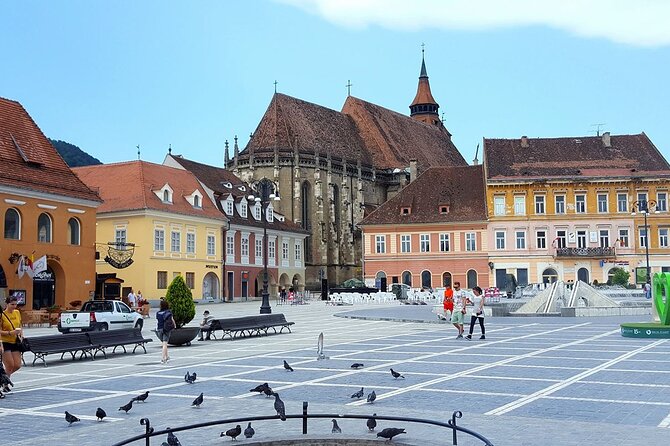
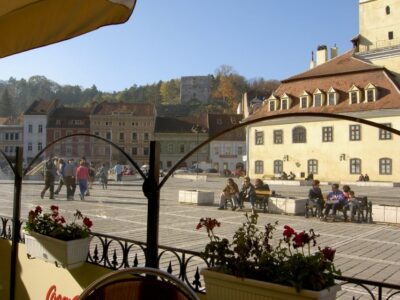
You’ll finish the day with about 2 hours in Brasov’s historical center. Brasov used to be a regional capital for the Transylvanian Saxons of Burzenland, and it sat along trade roads between east and west.
The tour also points out a fun connection: Brasov is the birthplace of the Romanian national anthem. Even if you don’t care about the anthem detail, this adds a human layer to a city that can otherwise feel like it’s only about castles.
Day 4 in Brasov and the Royal Carpathians: Black Church and Peles Castle
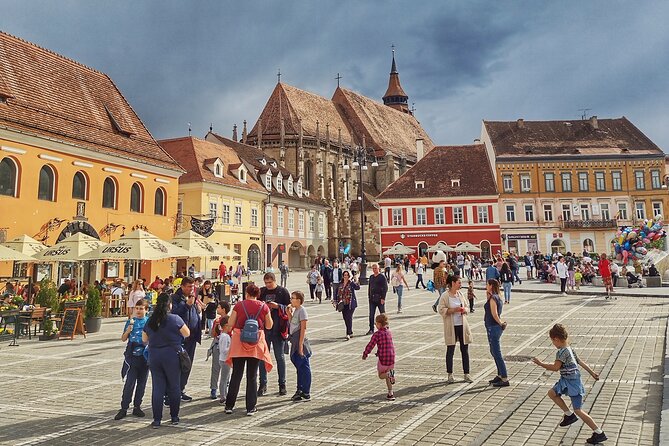
Day 4 wraps up with a bigger-city contrast and one “wow” palace stop.
Black Church: Gothic Scale and Lutheran Heritage
The Black Church is described as the main Gothic-style monument in Romania and among the largest Lutheran places of worship in the region. It was built by the German community of the city.
You have about 1 hour here, and since the entrance ticket is not included, you’ll need to buy admission on the spot if you want interior access. Even if you only look around inside, the scale tends to leave an impression, especially if you’ve spent the last couple days studying painted religious spaces.
Peles Castle: Neo-Renaissance Royal Residence in the Mountains
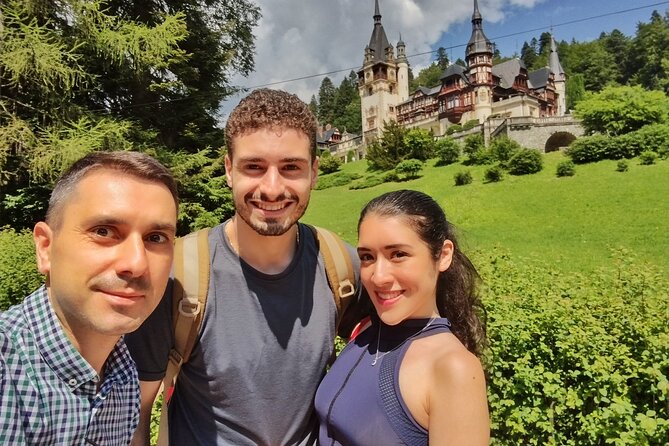
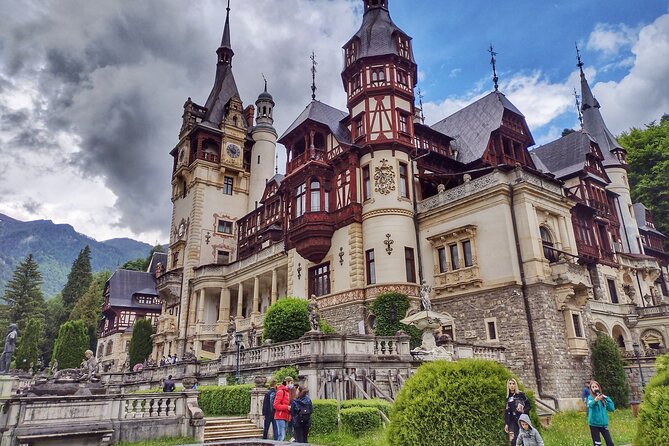
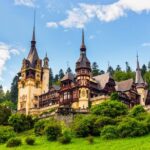
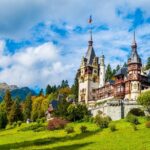
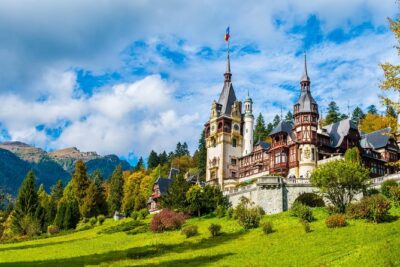
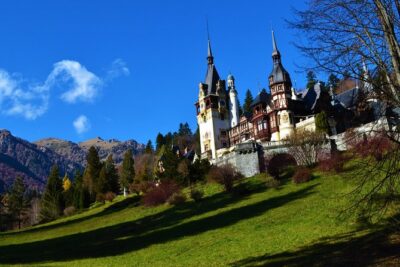
Then comes Peles Castle, a summer royal residence near Sinaia in the Carpathian Mountains. It’s a Neo-Renaissance castle built between 1873 and 1914 for King Carol I. You’ll have about 1 hour.
Entrance is not included here either, so plan for that extra ticket cost. Also plan your expectations: castles are different from churches. You’ll see craftsmanship and royal ambition, not fresco storytelling. That contrast is a big reason this tour feels like more than one theme.
If you want a calm souvenir moment at the end, this is a good place for it. After days of religious art and medieval towns, the castle gives your brain a new visual category.
Comfort, Pace, and the Stuff That Makes Private Tours Worth It
This tour runs with private transport throughout, and that affects how you experience every stop. Longer drives feel less tiring when you’re in a comfortable vehicle with efficient timing.
The reviews also praise the practical side, like having a spacious vehicle and air-conditioning. That’s not a luxury for its own sake. It’s what keeps you fresh enough to enjoy churches where you might stand still for a while.
The pacing is also reasonable. A lot of the stops sit in that sweet spot of 1 to 2 hours, so you get time to look and time to ask questions.
One more thing that matters: you’re given a moderate physical fitness requirement. That sounds mild, but it usually means some walking, stairs, and uneven ground. It’s not a hiking itinerary, but it’s not fully wheelchair-flat either.
Guides, Attention, and How to Get the Most From the Frescoes
If you’re serious about art and religious symbolism, the guide is the multiplier. In the reviews tied to this tour style, guides like Marius and Toni Tatar were praised for making the history and art feel alive, plus for being calm helpers when the group needed extra support.
Even if your tastes are simple, you’ll still benefit. A guide can help you:
- spot the differences between older church painting traditions and newer painted work you may see in restoration
- understand why certain murals were placed where they were
- connect the political story of monasteries with the artistic choices
Here’s how to get more out of your time without adding stress. Before each main church, ask your guide one question like, What should I look for first? Then, at the end of the visit, ask one follow-up like, What’s the biggest difference between this one and the next? Private attention makes those questions actually matter.
Should You Book This Private Painted Monasteries and Transylvania Tour?
Book it if you want a high-impact art route with less hassle, and you like history that feels grounded in place. This is a good fit for couples, friends, and solo travelers who don’t want to wrestle with timing between northern Moldavia and Transylvania.
You might pass if:
- you’re very budget-driven and don’t want to handle extra tickets at the un-included sites
- you prefer fully self-paced travel with zero scheduled structure
- you get worn out by back-to-back day driving and want a slower, more spread-out itinerary
My honest takeaway: for the price, you’re buying comfort, private guidance, and the right mix of painted churches plus Saxon and royal highlights. If that’s your travel sweet spot, this one is easy to recommend.
FAQ
Where does the tour start and end?
It starts in Bucharest, Romania and ends back in Bucharest.
How long is the tour?
The tour is listed as approximately 4 days.
What time does the tour begin?
The start time is 9:00 am.
Is pickup offered in Bucharest?
Yes. Hotel pickup and drop-off in Bucharest are included, and pickup can be arranged anywhere in Bucharest.
What is included in the price?
The tour includes 3 nights in 3-star hotels, breakfast for 3 days, hotel pickup and drop-off, a private tour, and entrance fees for the stops marked as included.
Which entrances are not included?
Entrance tickets are not included for Viscri Fortified Church, the Black Church, and Peles Castle. The tour notes say tickets can be purchased on the spot and suggest budgeting about EUR 25-30 per person.
Is this tour private and does it run in English?
Yes, it’s a private tour where only your group participates, and it’s offered in English.
Does the tour require good weather?
Yes. The experience requires good weather, and if it’s canceled due to poor weather you’ll be offered a different date or a full refund.
More Tour Reviews in Bucharest
Monasteries North of the City


Transylvania, Further In

Just added from Bucharest


Transylvania Day Trips, compared.
 ★ 4.5Transylvania and Dracula Castle Full Day Tour from BucharestFrom $351,589 reviews
 ★ 4.5Castles of Transylvania: Private Day Trip from BucharestFrom $151248 reviews
 ★ 4.52-Day Medieval Transylvania with Brasov,Sibiu and Sighisoara Tour from BucharestFrom $120145 reviews
 ★ 4.8Transylvania: Dracula’s Castle and Birthplace TourFrom $175123 reviews
 ★ 5.02-Day Transylvania from Bucharest: Brasov, Bran, SighisoaraFrom $40960 reviews
 ★ 4.8Transylvania: Cultural Full-Day Trip by MinivanFrom $44157 reviews
 ★ 5.04-Day Private Tour in Transylvania from BucharestFrom $1,17548 reviews
 ★ 5.0Private Tour: Transylvanian Castles and Brasov’s Medieval Old TownFrom $19242 reviews
Browse the lists this tour appears in