
REVIEW · BUCHAREST TOURS
Bucharest Chronicles
Bucharest history can feel like a live wire. This 3-hour small-group walk through Revolution-era landmarks and older, newer, and very recent Bucharest keeps moving, with built-in snack stops and local food at the end. It’s a practical way to learn the city’s big turning points without getting stuck in one museum room.
I especially like how the route connects street-level sights to real political moments, from the Revolution era to the controversies around the House of the People. I also like the pacing, because you get snacks and a beer included, so you can keep exploring without stopping to hunt for food.
One consideration: this is a good-weather experience, so if rain is heavy, the plan can change or you may be offered a different date.
Key highlights worth knowing before you go
- Small group, max 10 people, so the guide can keep the stories personal and answer questions.
- Mircea’s storytelling focus on 1989, including the Romanian public TV broadcast role during the Revolution.
- Secret routes and passages that lead you to medieval churches tucked into the Old Town.
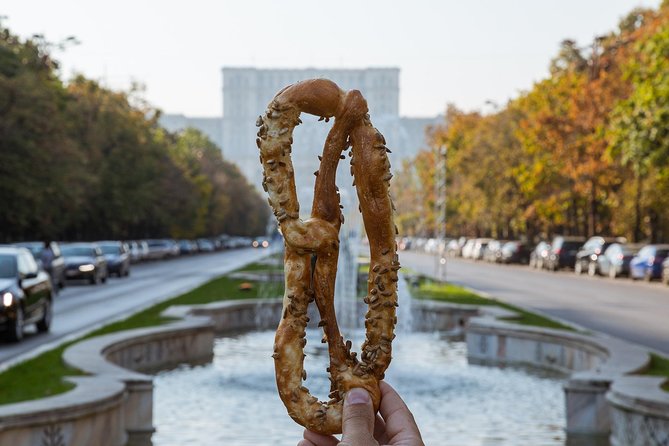
- Food is part of the itinerary, including covrig, local traditional bites, coffee or tea, bottled water, and one 400ml beer.
- A concentrated look at the House of the People, with time aimed at one of the world’s largest buildings.
- Made for walk-and-talk, starting at Piața 21 Decembrie 1989 and finishing at Hanu’ Berarilor Casa Oprea Soare.
Elsewhere in Bucharest, and up the valley
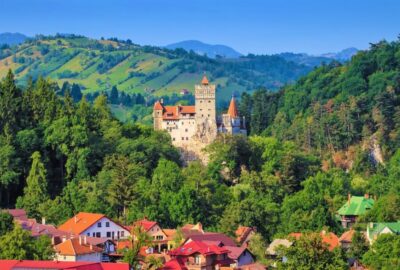
- Bucharest: Dracula’s Castle, Peles Castle, & Brasov Old Town★ 4.5 · 17,858 reviews
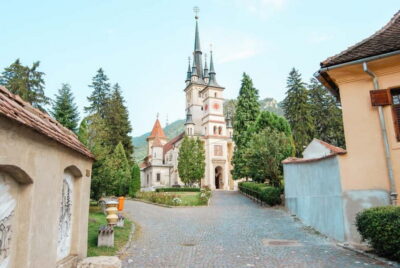
- Bucharest: Dracula Castle, Peles Castle & Brasov Old Town★ 4.6 · 10,891 reviews
- Bucharest: Dracula’s Castle, Peleș Castle & Brașov Day Trip★ 4.5 · 5,919 reviews
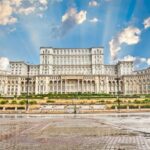
- Bucharest: Palace of Parliament Tickets and Guide★ 4.3 · 3,182 reviews
A Revolution-era walk that connects Bucharest’s old and new faces
Bucharest has a way of stacking time periods on top of each other. One street can feel aristocratic, another feels communist-planned, then you turn a corner and something trendy and new is in the mix. This tour is built for that feeling, because it doesn’t treat history like a separate chapter. It treats it like something you can see and walk through.
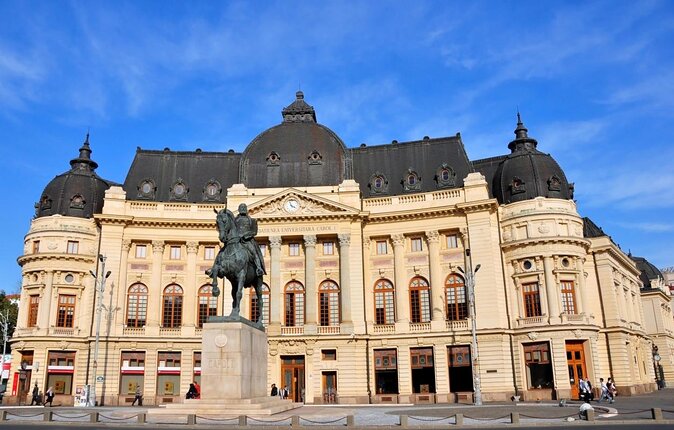
You’ll start with the city’s Revolution-era context, then move into older routes that shaped daily life for decades. After that, the tour pivots into the Old Town, where medieval churches sit close to more modern, stylish buildings. The point is not to memorize dates. The point is to understand why Bucharest looks the way it does, and how different eras tried to leave their mark.
The best part for me is that the pace is tour-with-a-plan, but not museum-on-a-timetable. You’ll get stops that work as mental anchors: a place for context, a place for architecture, and a place for food and a beer.
Where the walk starts at Piața 21 Decembrie 1989 (and where it ends)
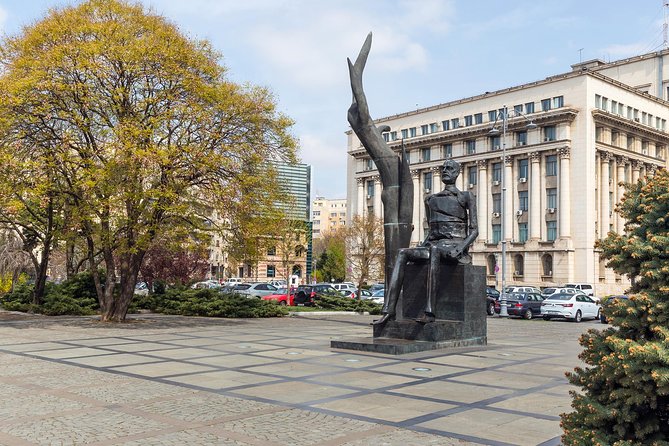
You meet at Piața 21 Decembrie 1989 at 11:00 am. This matters because it’s easy to orient yourself around a major, central square, and the tour is designed to take you from there into the oldest patterns of movement through the city.
You also know exactly how it ends: Hanu’ Berarilor Casa Oprea Soare, Strada Poenaru Bordea 2 in Bucharest. Finishing at a traditional inn is a smart move. You’re not hunting for dinner after a walking tour. You’re already at a place set up for lingering, eating, and digesting what you just learned.
This is a 3-hour outing, approximate. For most people, that’s the sweet spot where you get real coverage without feeling fried at the end.
Piaka Revolukiei: the context stop that makes the rest click
The tour begins with Piaka Revolukiei, a first stop designed to give you the city’s culture and big-picture context. The time is short, about 30 minutes, and there’s no admission ticket listed for this segment.
Think of this stop like tuning your radio. It’s not trying to be a deep lecture. It’s meant to get you looking at everything else with the right questions. Why did certain buildings get built? Why did certain areas matter? How did the Revolution change what people believed about power?
Even if you know some Bucharest history already, this kind of starting point helps you connect the dots faster when you move toward neighborhoods and structures tied to later political eras.
Old Town breaks for covrig, churches, and artisan shops
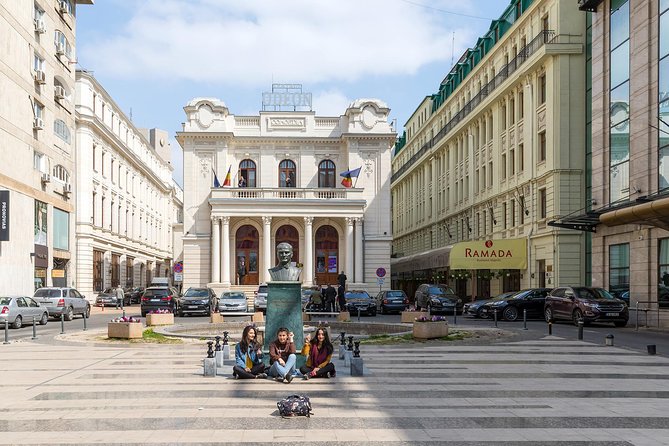
After the context stop, you head into the Old Town. This is where the tour shows its off-the-beaten-path side, because it’s not just big views and postcard streets. You get a mix of classic medieval details and more modern, stylized architecture.
You’ll also pause for refreshments in the Old Town, which is where the included food becomes more than a bonus. The tour includes one street snack (covrig) plus local traditional bites. Covrig is the kind of simple, local snack that helps you feel like you’re moving at local speed instead of tourist speed.
There’s about 1 hour for this Old Town segment, and there are artisan souvenir shops along the way. That’s useful if you want a small, reasonable keepsake that doesn’t feel like mass-produced trinkets. It also gives you time to browse without slowing the whole group.
One detail I like in the design: there’s mention of a secret route and a secret passage. That’s the difference between seeing the Old Town and learning where people hid, detoured, or built pockets of beauty in tight spaces. If you enjoy walking with a purpose, you’ll feel the benefit here.
Medieval churches plus boho-bougie architecture in the same stroll
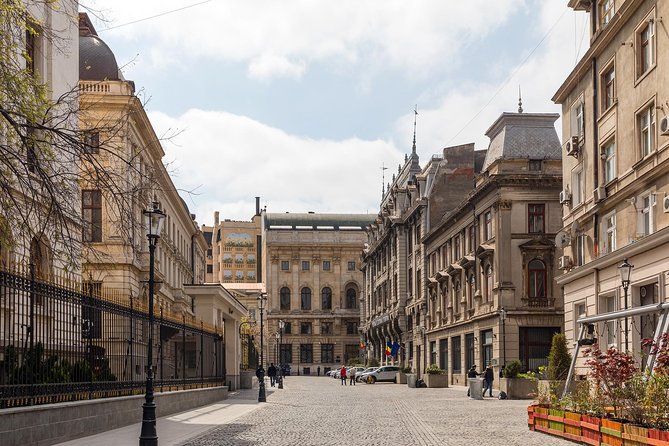
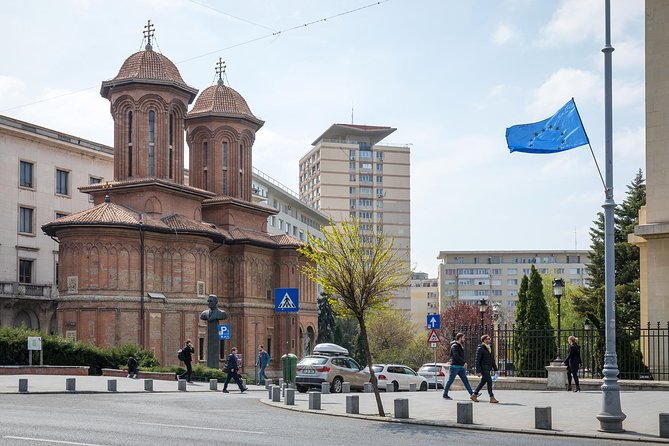
Bucharest’s Old Town can surprise you if you expect one style only. The tour specifically calls out tiny, gorgeous medieval churches alongside newer, more fashionable architectural statements described as boho-bougie.
That mix is the whole point. Bucharest didn’t erase its older layers to make room for the newer ones. It often layered, adjusted, and adapted. So you’ll look at these churches not as isolated antiques, but as parts of a living urban fabric.
The secret routes and passage-style moments matter here. You get glimpses that feel like the city is sharing side notes. You don’t just walk past beauty, you get small windows into it.
The House of the People, plus why one huge building still divides opinion
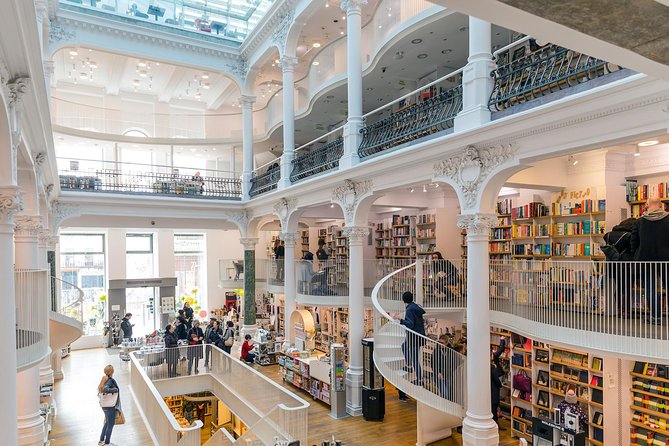
One of the most talked-about themes in this tour is the House of the People and the controversies behind it. The itinerary also mentions a secret route to one of the biggest buildings in the world, which is where the theme becomes very real and very specific.
This is where Bucharest stops being just pretty streets and becomes architecture with political gravity. Massive projects like this tend to carry competing stories: pride, protest, sacrifice, ambition, and criticism. The tour’s framing helps you understand why the building is both a landmark and a lightning rod.
In at least one version of the experience, Mircea also includes time around major government-era modernism, including the chance for coffee near the Parliament-building area. Even if you’re not a hardcore architecture person, having a drink while you look at something that scale-shifts the city helps it sink in.
If your travel style is history through streets and buildings, this is the segment you’ll remember most.
Romanian public TV and the 1989 live-broadcast story
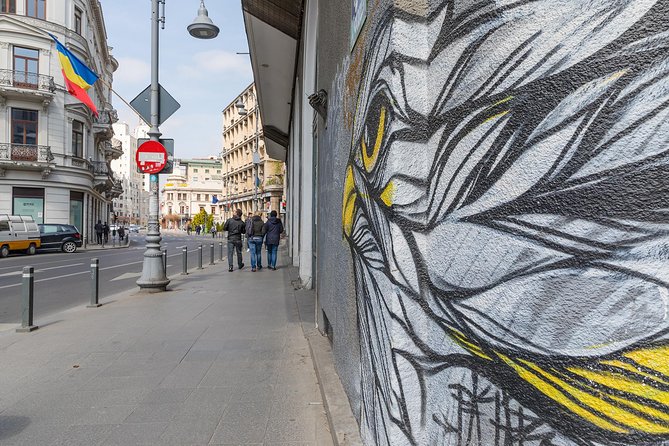
A standout element tied to the Revolution theme is time at the Romanian TV station, described as a public TV site that broadcast live during the Revolution in 1989. The version shared in the experience notes includes detail that the station was live on air for 24 hours across several days, with only short breaks to recover machines that were running hot.
That kind of story changes how you think about Revolutions. It’s not only about streets and crowds. It’s also about communication, visibility, and how real-time information traveled when people needed it most.
Mircea is named as the guide who has brought groups to this kind of historical communications site, and that matters because you’re not just seeing a location. You’re getting the why, tied to the city’s own media role during a turning point.
If you care about how history was recorded and broadcast, this stop is the kind you’d normally have to research separately. Here, it’s built into the flow.
Beer and local bites at Hanu’ Berarilor Casa Oprea Soare
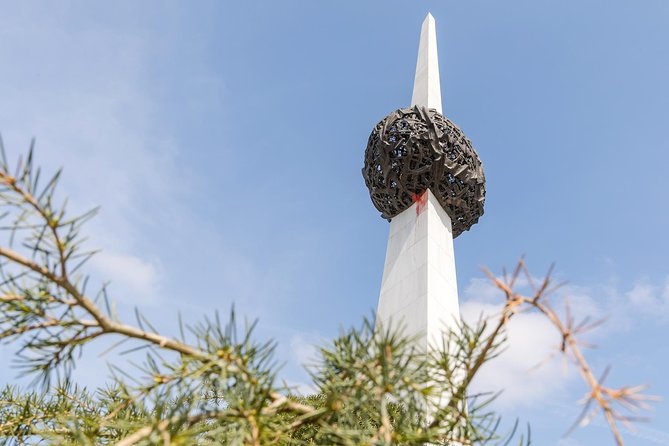
The tour ends at Hanu’ Berarilor Casa Oprea Soare, and the food program feels like the right closing note. You get one beer (400ml), local traditional bites, plus bottled water. Earlier, you’ll also get coffee and/or tea, with one coffee or tea included.
This end point is more than a snack stop. It’s where the tour’s themes become conversational. You’ve just walked through competing eras and controversial architecture, so breaking bread in a traditional inn helps you process it without feeling like you sprinted from one fact to the next.
I also like that the beer is included but doesn’t turn the tour into a party. It’s a tasting moment, a local rhythm moment, and then you’re done.
Price and value: what $127.21 buys you in real terms
At $127.21 per person for about 3 hours, the headline number is not “cheap.” But when you look at what’s included, it starts to make sense.
You’re paying for a guide, a planned route, and a small-group format (max 10 travelers). You’re also getting food and drinks included:
- Covrig plus local traditional bites
- Bottled water
- Coffee and/or tea
- One 400ml beer
That’s not just “nice to have.” It changes the math because Bucharest meals and drinks can add up, especially if you’re eating on the go between sights. Here, you’re not forced to buy everything separately or compromise your day trying to save a few euros.
The tour also uses a mobile ticket, which is practical. You show up without extra paper chaos.
Overall, I’d call the value fair for a guided, story-heavy, food-included walking experience with a small group. If you’re the type who hates wasting time searching for snacks or you want a guided narrative instead of wandering, this price usually feels justified.
Who this Bucharest Chronicles tour suits best
This is a strong fit if you like:
- History you can see, not just read
- Architecture and urban layers
- A guided walk with time for food and small browsing
- A guide who can connect 1989-era moments to streets and buildings
It’s also a good option if you want a first-time Bucharest experience with more personality than the typical highlights-only stroll. The route aims for off-the-beaten-path views, secret passage moments, and the kind of “why is that there” context you miss on a self-guided wander.
The one “don’t overcommit” category: if you only want long indoor museum time, this might feel too outdoors and too walking-focused. It’s also a good-weather experience, so plan for possible changes if conditions are rough.
Should you book Bucharest Chronicles?
If you want Bucharest with a story thread, book it. This tour is built for travelers who enjoy learning by walking, eating what locals eat, and understanding why certain places are controversial. The guide name that comes up most often, Mircea, is a big signal that you’ll get energy and specific historical context rather than generic commentary.
I’d especially recommend it if you care about 1989 and how information and public space shaped that moment, and if you’re curious about the House of the People through a lens that goes beyond photos.
If you’re traveling on a tight budget and you hate paying for included meals, it may feel pricey. But if you value a small group, a focused narrative, and a drink-and-bites ending at a traditional inn, this is a smart use of a half day in Bucharest.
FAQ
Where is the tour meeting point and what time does it start?
The tour starts at Piața 21 Decembrie 1989, București, Romania at 11:00 am.
How long is the Bucharest Chronicles tour?
The tour lasts about 3 hours.
How much does it cost per person?
The price is $127.21 per person.
What’s included in the tour?
Included items are one street snack (covrig), local traditional bites, bottled water, coffee and/or tea (one), and one beer (400ml).
Is there alcohol included?
Yes. You get one beer (400ml) as part of the included food.
Are tickets or entry fees included for the main sightseeing stops?
For Piaka Revolukiei and the Old Town segment, the listing shows Admission Ticket Free.
Is this a small group tour?
Yes. It has a maximum of 10 travelers.
Do I need a printed ticket?
No, it uses a mobile ticket.
What happens if the weather is bad?
The experience requires good weather. If it’s canceled due to poor weather, you’ll be offered a different date or a full refund.
What is the cancellation window for a full refund?
You can cancel up to 24 hours in advance for a full refund. If you cancel less than 24 hours before the start time, the amount paid is not refunded.
More Tour Reviews in Bucharest
More Bucharest Tours in Bucharest
Just added from Bucharest


Bucharest Tours, compared.
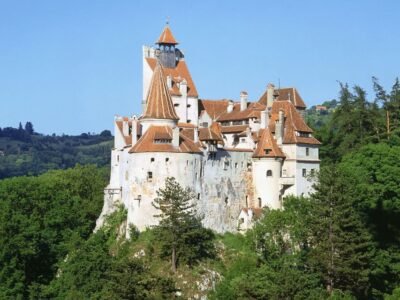 ★ 4.5Dracula’s Castle, Peles Castle, & Brasov Old TownFrom $4017,858 reviews
 ★ 4.6Dracula Castle, Peles Castle & Brasov Old TownFrom $4010,891 reviews
 ★ 4.5Dracula’s Castle, Peleș Castle & Brașov Day TripFrom $235,919 reviews
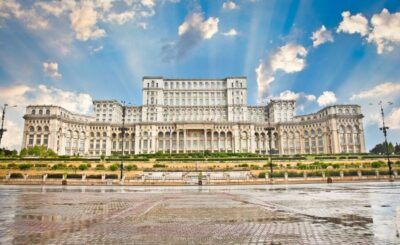 ★ 4.3Palace of Parliament Tickets and GuideFrom $383,182 reviews
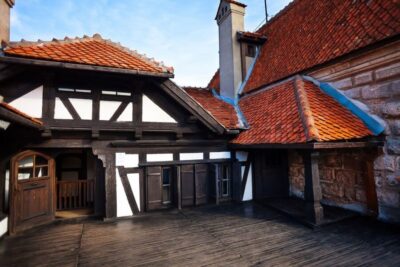 ★ 4.4Day Trip to Dracula Castle, Peles Castle & BrașovFrom $453,049 reviews
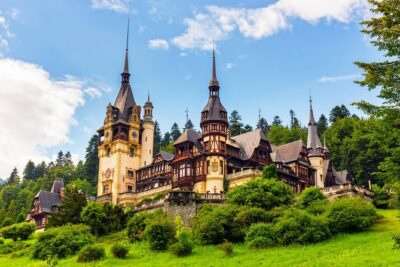 ★ 4.5Bucharest to Dracula Castle, Peles Castle and Brasov Guided TourFrom $332,933 reviews
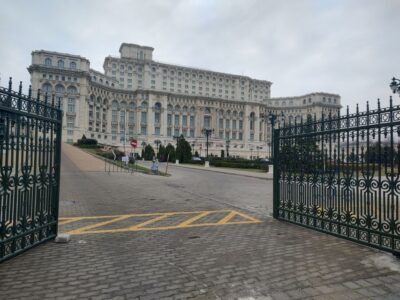 ★ 4.4Palace of Parliament Tickets and Guided TourFrom $281,877 reviews
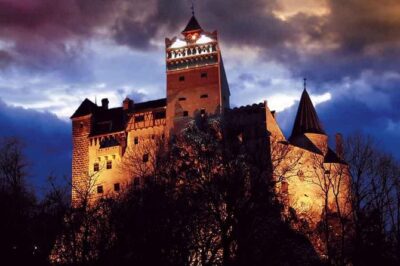 ★ 4.5Dracula’s Castle, Peles Castle and Brasov Day Trip from BucharestFrom $331,804 reviews