
REVIEW · BULGARIA DAY TRIPS
9 days Balkans Tour from Bucharest to Sofia and Budapest
First, this route is a fast tour of four countries without the back-and-forth pain. You spend most days riding in an air-conditioned vehicle, then step out for focused walks with local guides at standout places. I especially like the mix of “wow” sites that are easy to understand on a short visit, from Devetashka Cave’s bright underground greenery to the gold domes of Sofia’s center.
Two things I really appreciate are the built-in rhythm of daily hotel stays with breakfast, and the way the itinerary stays one-way, so you are not wasting hours retracing roads. One drawback to weigh is comfort and timing, since at least one account complained about an unusually small van and the tour starting late some days, which can cut into daylight.
Key things to know before you go
- One-way routing from Bucharest toward Budapest, reducing wasted transit time
- Air-conditioned transport for the full trip, a big deal in summer heat
- Regular local guides in key cities, so walking tours feel guided not improvised
- UNESCO stops packed into a single itinerary, especially Rila Monastery and Lake Ohrid
- Moderate walking pace, usually a few hours of walking depending on the day
- Bring extra cash for cave and waterfall admissions, since they are not included
Other crossings over the Danube
- From Bucharest: Full-Day Trip to Bulgaria★ 4.6 · 1,008 reviews
- From Bucharest: Small Group Day Trip to Medieval Bulgaria★ 4.2 · 382 reviews
- Full Day Trip to Bulgaria from Bucharest★ 4.5 · 343 reviews
- Day Trip to Bulgaria and Veliko Tarnovo from Bucharest★ 4.5 · 122 reviews
A one-way route across the Balkans, not a zigzag mess
The big value here is the direction of travel. You start in Romania, then move through Bulgaria, North Macedonia, Albania, Montenegro, Bosnia and Herzegovina, Serbia, and end in Hungary. That one-way flow matters because the Balkans can eat time with mountain roads and border queues. With this setup, you are not doubling back to see the same stretch twice.
You also get a steady travel cadence: morning departure, a set of major sights in a town or area, then an overnight in the next base. On paper it looks like a lot, but it works because the stops are mostly “concentrated.” Day 1 is a good example: a cave, then waterfalls, then Lovech overnight. It is not “drive for hours, then one photo stop.”
Day starts, walking pace, and what to pack for comfort
The tour begins with a morning meeting and then rides out to sights. Your meet-up point is in Bucharest at Bulevardul Regina Elisabeta 7 and the stated start time is 8:30 am. From there, expect days built around walking tours and short site visits.
You should plan for moderate fitness. The tour is described as easy walking overall, but you will still cover distances that can add up. Some days run 2 hours to 4 or 5 hours of walking, depending on the sites, and the tour notes you may walk roughly from 1 km up to around 7 km. Also, you may carry your own bag for a few steps to get into hotels, although many hotels have elevators.
What you should bring:
- Comfortable walking shoes with grip, especially for uneven old-town streets and cave paths
- A light day bag for water and layers
- Your passport, since a current valid passport is required on travel day
- Cash or card for entrance fees where noted as not included, plus daily meals
And one more practical point: the tour order can shift due to weather, traffic, or restrictions, but the visits stay the same. That is normal for road travel, and it helps you avoid the frustration of a “same plan, different reality” surprise.
Bucharest to Lovech: Devetashka Cave and Krushunskiye Waterfalls
Day 1 kicks off with an early departure from the Bucharest pickup point. Your first stop is Devetashka Cave. This cave is known for being well lit, and for having lush greenery on the ground level inside, which can make it feel less like a dark cave and more like a cool underground garden. It is a 1-hour stop, and the admission ticket is not included.
Next you go to Krushunskiye Waterfalls. These are described as the biggest travertine cascade in Bulgaria, with mineral-water pools and terraced rock formations. The main fall is about 20 m high and splits into smaller cascades. That mix of terraces and pools usually means good photo spots, but it can also mean slippery surfaces. Wear shoes you trust.
The day ends in Lovech with an overnight in a 4-star hotel. (One part of the description says 3-star hotels, while the included section says 4-star hotels, so it is smart to confirm what you are actually booked into before you go.)
What I like about this day: you get two contrasting “nature wonders” back-to-back without needing a long hike. Cave first, waterfalls second, then your rest.
Potential drawback: because admissions are not included for both cave and waterfalls, your final day-one budget will be higher than you might expect.
Sofia in the evening: gold domes, mosques, and a shopping street walk
Day 2 starts with Lovech, then you shift to Sofia later. In Lovech, you visit the covered bridge over the Osam River. It is a central landmark, connecting the two halves of town, and it is one of those places where you do not need long explanations to appreciate it. It is free time-wise here, and it is a short stop.
Then you arrive in Sofia in the evening. You get a walking tour of the city center that includes Alexander Nevsky Cathedral (the gold-domed centerpiece), Sveta Sofia Church, Banya Bashi Mosque, the Sofia Synagogue, and the main shopping street Vitosha. It is 3 hours, and the tour says admissions are free.
Evening arrivals can feel rushed in some tours. Here, the upside is that the center sights are concentrated, and many are exterior-friendly. If you like comparing different European religious architecture types in the same walk, Sofia is a good match.
My practical advice: keep your dinner flexible. If you want a sit-down meal, plan it after the tour, since you may finish later in the evening than you expect.
Elsewhere in Bucharest, and up the valley
Rila Monastery and Skopje: UNESCO spirituality then Mother Teresa on foot
Day 3 heads for Rila Monastery after breakfast. This is Bulgaria’s most famous tourist site and a UNESCO World Heritage Site, founded in the 10th century by Saint Ivan Rilsky. The tour includes a visit to the Church, and it notes the artwork is tied to 19th-century masters from the Samokov, Bansko, and Debar schools of painting and woodcarving.
You get about 1 hour at Rila Monastery, with admissions listed as free. That sounds almost too short until you remember what you are really doing: seeing the key church elements and getting the site context without turning it into an all-day trip.
Later that day you move to Skopje, with an orientation tour and arrival at a centrally located hotel. Then Day 4 goes deeper on foot.
What makes the Skopje days work is that they keep the “readability” high. You get a morning walking tour that highlights landmarks like:
- the Vardar river quay
- narrow streets in the Old Bazaar
- the Memorial house of Mother Teresa
- the ancient fortress area called Kale (about 1500 years old, per the tour)
- Macedonia Square, with the statue of Alexander the Great
And you also get a second Skopje arrival day that includes the Mother Teresa connection and river view context before your longer walk. That sequencing helps your brain map the city.
Possible drawback to consider: monastery and old-town walking can be uneven. It is not a marathon, but it is not fully smooth either. Bring shoes that handle steps.
Ohrid on Lake Ohrid: ancient theater, churches, and fortress views
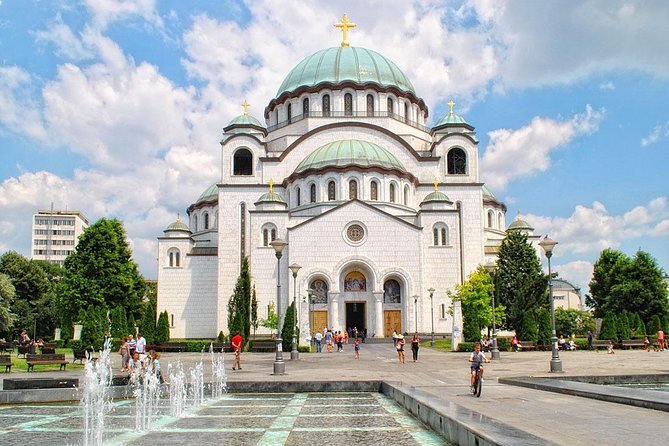
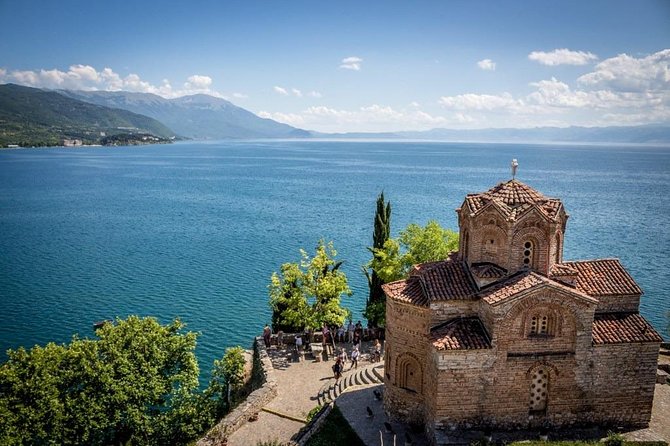
Day 4 continues to Ohrid, another UNESCO World Heritage Site. Ohrid sits on the banks of Lake Ohrid on the border between North Macedonia and Albania. The tour frames Lake Ohrid as Europe’s oldest lake, formed over three million years ago, which is the kind of fact that makes the scenery feel more meaningful even when you are just walking around.
Your Ohrid walking tour includes:
- narrow streets and squares
- the ancient theater
- older churches and monasteries, including Sveti Sofia Church
- Tsar Samuil’s Fortress
- a pedestrian shopping street
This is one of the days where you might feel the “why this place deserves UNESCO” quickly. You do not need a long lecture. You walk the old center, then end with fortress viewpoints. It is a natural flow.
What I like here: this is one of the most “visitable” UNESCO stops in the itinerary. You get a mix of viewpoints and indoor-friendly sites without needing complicated travel logistics.
Tirana’s Skanderbeg square: a big square walk with Ottoman and museum stops
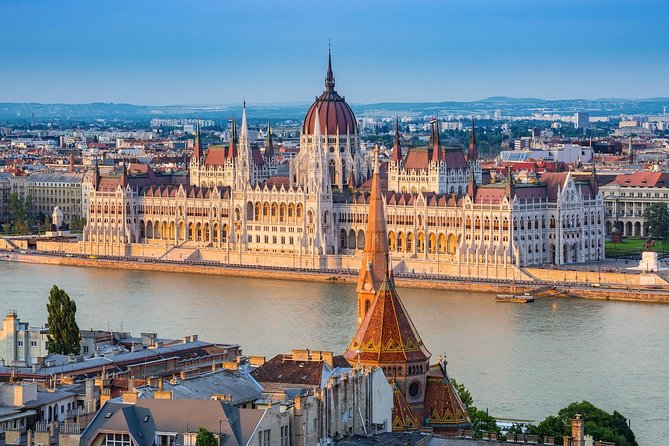
On Day 5, you cross into Albania and head to Tirana. Your walking tour focuses on the major center landmarks, including Skanderbeg’s massive main square, the National History Museum, Et’hem Bey Mosque, and Skanderbeg’s statue.
This is a good stop for travelers who want to understand a capital in a few hours. The tour is structured around key monuments and institutions, so you can connect the dots between the city’s symbolism and its everyday street life.
Practical consideration: capital squares can feel windy and open. Bring a light layer even if the day looks warm.
Kotor Old Town: fortified Stari Grad in Montenegro
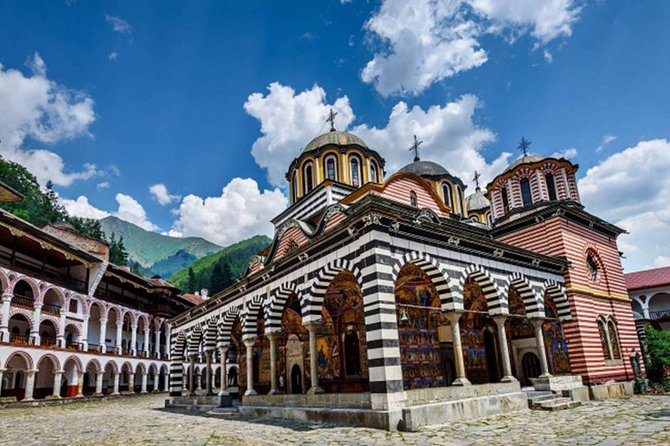
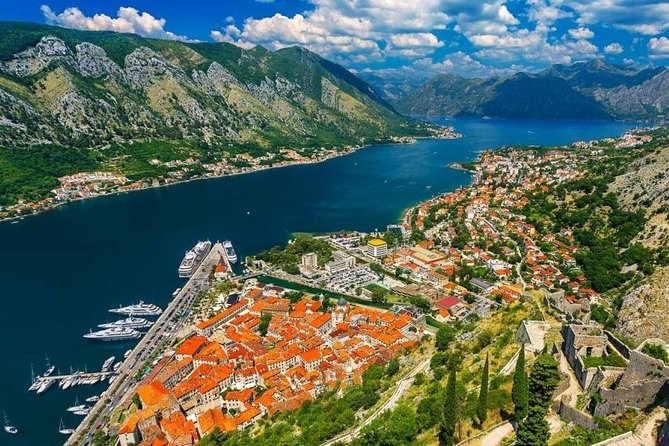
Day 6 brings you to Kotor in the evening. You explore the fortified old town called Stari Grad, a UNESCO site, with about 3 hours on foot.
Kotor is all about walking in layers: old stones, fortifications, and viewpoints. Since you arrive in the evening, you often get a more atmospheric vibe, though you will still be moving in limited daylight compared to a morning arrival.
What to expect: older paving and steep lanes, plus crowds near the main viewpoints depending on season. The tour does not mention entrance fees here, so you are likely paying mostly for what you choose to go into during your free time.
Mostar bridge story and Sarajevo’s WWI and siege chapters
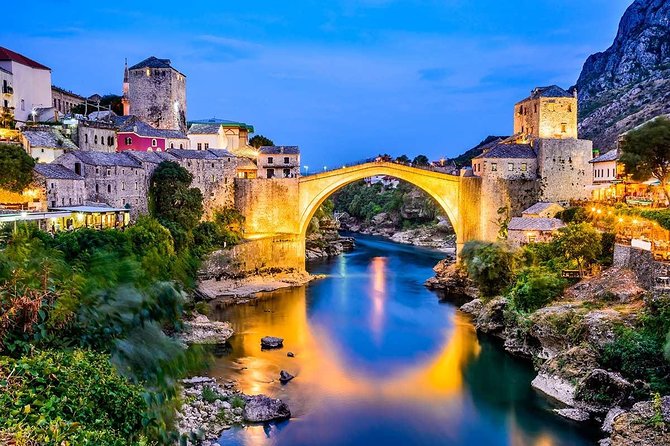
Day 7 is one of the most emotionally charged parts of this itinerary. You begin in Mostar with a focus on the Old Bridge of Mostar and the old town. The bridge was built in 1566 and, per the tour, was destroyed in November 1993 during the Siege of Mostar. The walking tour includes the background behind that event and the bridge’s meaning.
You also learn about the modern tradition of people jumping off the bridge in front of tourists. If you do not love crowds, time your photos early and stay calm. Watching people jump off a high bridge can be dramatic, but it is also a performance zone during peak hours.
Then you head to Sarajevo on a scenic road passing by Jablanica lake and through the Neretva river canyon. Sarajevo’s walking tour covers origins of Sarajevo and the medieval Bosnian Kingdom. It also takes you through both Ottoman and Austria-Hungarian parts, with the tour emphasizing markets, bazaars, mosques, churches, and synagogues.
You will also visit Latin Bridge, with the story of how World War I was triggered there. The tour says it also includes Sarajevo’s 1984 Winter Olympics and life during the Siege of Sarajevo.
This is where a good group tour leader matters. A walk like this works best when the guide connects architecture to the timeline, instead of just listing buildings.
My advice for this day: give yourself a moment to sit and absorb after the walking tour. The stories here are heavy, and your brain needs a break.
Belgrade and Novi Sad: river confluences, fortress views, and end-of-trip momentum
Day 8 heads to Belgrade, arriving in the afternoon after breakfast. Your walking tour covers key places like Republic Square, the National Theater, the National Museum, and the bohemian quarter Skadarlija. The itinerary also mentions the oldest part of Belgrade with Ottoman heritage, the only mosque in the city, Kalemegdan park, and the Belgrade fortress.
You also hear about Victor, described as Belgrade’s most famous symbol, and you get views of the confluence of the Sava and Danube rivers. This is a great way to end the Balkans portion of the trip with a city that feels layered and alive.
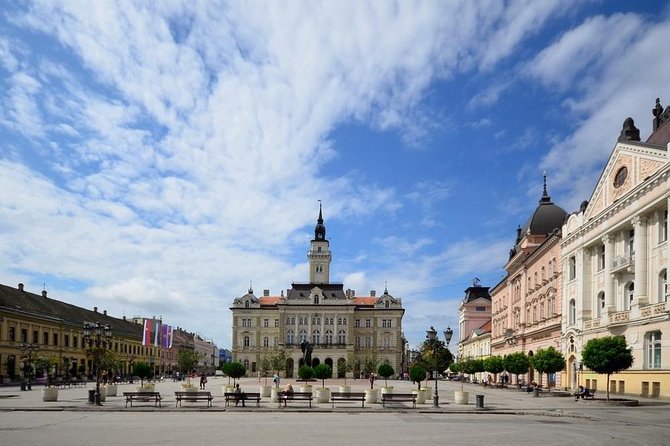
Day 9 is the final push toward Budapest. Before you get there, you stop in Novi Sad for about an hour. You walk Zmaj Jovina Street, including the Danube-side promenade and landmarks like the ornamental Palace of the Orthodox Bishop. You also see Dunavska Street with its 19th-century houses and the Danube embankment and the outside of Petrovaradin Fortress.
Then you arrive in Budapest in the evening, called the Queen of Danube by the tour. You also get a 3-hour arrival time city walk, though specific sites are not listed for the final day.
This ending is practical: you do not rush into a deep museum day on the first night. You get bearings, and you can plan a fuller Budapest visit after your tour ends.
Hotels, breakfast, and the included meals reality
This tour includes breakfast for 8 days and an 8-night stay in 4-star hotels in the included section. The highlights section also mentions daily 3-star hotels, so do not ignore the inconsistency. Before you book, you want your voucher to clearly state hotel category.
From a value standpoint, the inclusion matters. Breakfast removes daily decision fatigue, and hotel packing and unpacking stays manageable at one base per night. You are not chasing last-minute rooms after each long drive.
Still, you should be aware of comfort variability. One account I saw complained that the hotels were not good and that the vehicle felt uncomfortable, with the day starting late sometimes. That does not mean the whole tour is like that, but it is a clue to set expectations: you are buying logistics and coverage across many cities, not a boutique luxury comfort level every single night.
What you should do to protect your trip quality: keep your day bag light, take charge of your comfort needs, and plan for meals on your schedule since food and drinks are not included unless specified.
Transport, timing, and why one bad day can change your mood
Transport is a core selling point here. You ride in an air-conditioned vehicle throughout, and you have a professional tour leader. The tour also notes group size can be up to 46 travelers, so it will feel like a real group without being a massive bus parade.
But road tours have two weaknesses:
1) vehicle comfort can vary by actual van or bus size
2) the pace can be sensitive to start times
One review included a strong complaint about vehicle comfort and safety concerns due to a damaged windshield, plus the claim that the driver was going too fast. I cannot verify that detail beyond the account, but it does tell you the key thing to watch: ask what vehicle type you will be on and keep your seat preference in mind if the operator offers it.
Also, one review said the tour started very late some days, which caused missed hours at destinations. Even if that is not typical, it is worth planning your expectations around daylight and being ready for schedule shifts.
Price value: what $1,191.42 buys you, and what it does not
The price listed is $1,191.42 per person for about 9 days. For that, you get:
- 8 nights hotel stays (hotel class is stated as 4-star in one section)
- air-conditioned transport for the entire tour
- a professional tour leader
- breakfast each day (8 breakfasts)
- walking tours in major cities
What you do not get:
- entrance fees for places marked as not included, like the cave and waterfalls on Day 1
- tips for the driver and tour guide, listed as 5 euro/day/person
- food and drinks beyond what is specified
So the value math depends on your travel style. If you like moving efficiently and letting someone else handle routing and local guide time, this price can make sense. If you prefer slower travel, more independent time in fewer cities, you might find you are paying for coverage you do not fully use.
If you are sensitive to comfort or hate rushed days, compare this package to alternatives where you can control vehicle type and hotel quality. This itinerary is ambitious by nature.
Should you book this Bucharest to Sofia to Budapest tour?
You should strongly consider booking if you want:
- a one-way Balkans route with lots of major highlights
- guided walks in capitals and UNESCO sites
- daily hotel stays and breakfast included, with less planning on your end
- an English-led experience with local guides at several stops
You should think twice if:
- you are very picky about vehicle comfort or timing
- you want a more relaxed pace with more free time in each city
- you are uneasy about 2-hour to 5-hour walking days and uneven old streets
If you book, I would do one simple thing first: confirm your actual hotel category and what type of vehicle you’ll use. Then pack for walking, plan for extra spending on entrance tickets at your first big nature stops, and you will be in a good place to enjoy what this route does best, moving smart across the Balkans and ending in Budapest with fresh momentum.
FAQ
What is included in the tour price?
The tour includes 8 nights of accommodation in 4-star hotels, transport by air-conditioned vehicle for the entire tour, a professional tour leader, and breakfast for 8 days.
Are entrance fees included for all attractions?
No. Entrance tickets are not included for certain stops such as Devetashka Cave and Krushunskiye Waterfalls. The tour notes that entrance fees at museums are also not included.
How much are tips for the driver and tour guide?
Tips are listed as 5 euro per day per person.
What walking level should I expect?
The tour is described as an easy walking tour with moderate walking. Expect small efforts like carrying your own bag for a few steps, and walking tours that can range from about 2 hours up to 4 or 5 hours depending on the sites.
Where do I meet the group and when does it start?
The meeting point in Bucharest is Bulevardul Regina Elisabeta 7, and the start time is 8:30 am. The end is in Budapest, at Kerepesi út 2 near the train station.
What is the cancellation refund timeline?
You can cancel up to 6 days in advance for a full refund. For a 50% refund, cancel 2 to 6 full days before the experience start time. If you cancel less than 2 full days before the start time, no refund is provided.
More Tour Reviews in Bucharest
More Bucharest Tours in Bucharest
Across the Danube


Just added from Bucharest


Bulgaria Day Trips, compared.
 ★ 4.6Full-Day Trip to BulgariaFrom $931,008 reviews
 ★ 4.2Small Group Day Trip to Medieval BulgariaFrom $87382 reviews
 ★ 4.5Full Day Trip to Bulgaria from BucharestFrom $95343 reviews
 ★ 4.5Day Trip to Bulgaria and Veliko Tarnovo from BucharestFrom $66122 reviews
 ★ 3.5Day Trip to Medieval Bulgaria- Small group tourFrom $7875 reviews
 ★ 5.0Bulgaria -Private Tour- Basarbovo, Arbanasi, Veliko TarnovoFrom $17072 reviews
 ★ 4.5Small-Group Day Trip to North BulgariaFrom $7160 reviews
 ★ 5.0Visit Bulgaria – Veliko Tarnovo Medieval Fortress – Private tour from BucharestFrom $17751 reviews
Browse the lists this tour appears in