
REVIEW · PRIVATE
8 Days Private Romania Tour from Bucharest
Carpathian roads and medieval churches in one week.
This private route uses a car-first approach, so you see Romania as more than a postcard loop, from Wallachian tombs to Transylvanian squares and Bucovina monasteries.
I like that it is private and flexible, with a licensed English speaking guide/driver available all day, not just for check-ins. I also love the mix of big sights and smaller emotional stops, including communist history and the painted cemetery in Maramures.
One possible drawback: you will spend a lot of time in the car, and many entrance fees are not included, so you need to budget for tickets on top of the tour price.
Key Highlights You Will Feel Fast
- Curtea de Argeș and Poienari: royal tombs, cliffside ruins, and Vlad the Impaler lore all in one day
- Transfăgărășan Highway: a top-drive day with seasonal access (open June to October)
- Maramures wooden church country: Surdesti, Barsana, plus Sapanta area sites tied to local continuity
- Bucovina painted monasteries: Voroneț, Humor, Sucevita, Moldovița, each with its own visual style
- Bicaz Gorges and Red Lake: dramatic road views plus a geologic story you can actually picture
- Nicolas-style guide energy: punctual, friendly, and strong on information, with jokes on the road
Elsewhere in Bucharest, and up the valley
- Bucharest: Dracula’s Castle, Peles Castle, & Brasov Old Town★ 4.5 · 17,858 reviews
- Bucharest: Dracula Castle, Peles Castle & Brasov Old Town★ 4.6 · 10,891 reviews
- Bucharest: Dracula’s Castle, Peleș Castle & Brașov Day Trip★ 4.5 · 5,919 reviews
- Bucharest: Palace of Parliament Tickets and Guide★ 4.3 · 3,182 reviews
Why This Private 8-Day Route From Bucharest Makes Sense

Romania is a country of distances. Cities are spread out. That is why I like the car-based plan here: you are not wasting half your day in travel uncertainty. Starting from Bucharest also helps. You get big-city comfort first, then you gradually shift into mountains, valleys, and monastery regions.
This tour also has an unusually human mix. You are not only chasing castles and churches. You also have stops tied to survival under communism, and a cemetery in Maramures where the humor is part of the tradition. If you want Romania with both wonder and a bit of weight, this route fits.
Private Car, Licensed Guide, and the Value of Real Pacing
The heart of this experience is the private car for your group plus a licensed English speaking guide/driver for the full tour. That matters more than it sounds. When you are hopping between monasteries, cliffside ruins, and old towns, having one person who can explain what you are seeing, and adjust timing when roads or crowds get weird, saves stress.
You also get complimentary wireless internet in the car, which is a practical bonus for route updates, photo backups, or just keeping everyone sane on long drives. And because the tour allows flexibility regarding changes to the daily itinerary even after it starts, you are not stuck if you want to spend a few extra minutes at one viewpoint or shorten a stop that does not click for your group.
Day 1: Curtea de Argeș, Poienari Fortress, and the Transfăgărășan Highway
This is a day that teaches you Romania’s power centers early on: Wallachian royalty, mountain defense, then one of the country’s most famous roads.
Curtea de Argeș Monastery
You start at Curtea de Argeș, known for royal tombs and an old town feel. The 13th century royal church and the visible ruins of the Wallachian princely court give you a sense of how rulers used faith and spectacle together. The story is heavy in places, but that is part of why it matters.
Practical note: the stop is listed at about 30 minutes. That is just enough time to orient yourself, read the main context, and move on without feeling trapped. If you like museums, you may want to bring energy for quick absorbing.
More private days in Bucharest
Poienari Castle
Next you head for Poienari Fortress high above the Argeș River, a cliffside ruin in the Carpathian foothills. This is where the tour leans into dramatic history. The site is tied to early Wallachian rulers, abandonment, and later consolidation, plus Vlad’s escape route story when Turks attacked in 1462.
Consideration: cliffside ruins can mean uneven ground and stairs. Wear sturdy shoes and keep water in your bag. The viewpoint is the point, but your feet still do the work.
Piata Mare area in Sibiu
The schedule then moves into Piata Mare (Big Square), with a focus on the Sibiu old center vibe and the famous Evangelical Cathedral area. The big value here is atmosphere. You get a medieval square setting, then you can take in how Transylvania cities were shaped by different cultures and architectural styles.
Transfăgărășan Highway
Finally comes the drive. The Transfăgărășan Highway is over 150 kilometers, with a highest point around 2042 meters and a tunnel near Lake Balea. It is only fully open from June to October, so timing matters.
What I like about this road day is that it is not just a scenic break. It is part of Romania’s identity as a country of passes and defenses. If you go in the season when it is open, you will understand why locals and film crews alike get excited about it.
Day 2: Salina Turda, Wooden Craft in Surdesti, and the Cluj Area Stop
Day 2 shifts from royal power to everyday resources and cultural craftsmanship.
Salina Turda
Salina Turda is a salt mine turned underground attraction, and it hits two ideas at once: history and a surprisingly practical health angle. The air is described as purifying, and that tends to be especially appreciated by people with allergies or asthma.
You also get concrete Roman heritage details. Salt mining here goes back thousands of years, and you can see former mines named Iosif, Terezia, and Rudolf. The tour references medieval salt-exploitation machinery unique in Europe, including the crivac (or gepel), salt mill, and a staircase called Stairway of the Rich. It’s the kind of place where photos look cool, but the real value is understanding how a resource shaped a region.
Practical note: admission is not included, and the stop is about 2 hours. If your group is sensitive to indoor cold, consider a light layer.
Gradina Botanica “Alexandru Borza” and Cluj-Napoca old town time
This part of the day is set around Gradina Botanica Alexandru Borza, and the surrounding focus is on the Cluj-Napoca old city center experience. You are looking at Baroque, Renaissance, and Gothic-style buildings, with some dating back to the 17th century, plus the kind of restaurant energy where lines can form.
If you enjoy walking at your own pace, this is a good moment to slow down and just absorb. You can eat, people-watch, and reset before the more intense spiritual and mountain days.
Surdesti Wooden Church
Then you arrive at Surdesti Wooden Church, with a tower height mentioned at 54 meters, and it is dated to 1721. The point of this stop is craftsmanship you can almost feel. A tall wooden church built with the tools of its time is an instant wow, even if you are not a church-historian.
Consideration: this stop is short (around 45 minutes). If you are the type who reads every carved detail, ask your guide to point out the most important features quickly.
Day 3: Maramures Humor, Communism History, and Sapanta-Peri
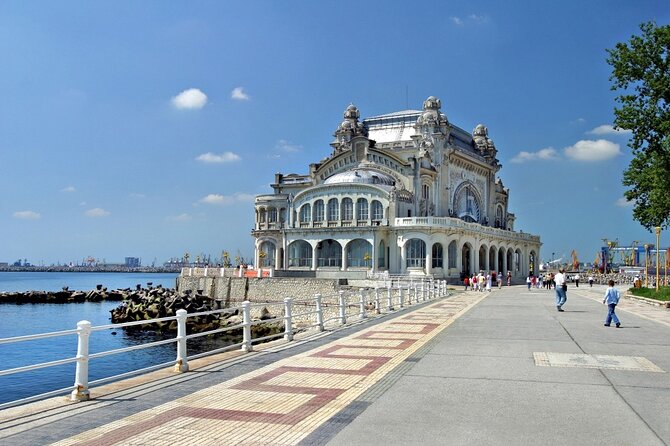
Day 3 is one of the tour’s emotional anchors. It moves from laughter at cemeteries to the very serious Memorial Museum theme, then back into spiritual architecture.
Merry Cemetery in Sapanta
The Merry Cemetery is in Sapanta and is famous for colorful crosses and tombstones with humorous poems. Dacian myth and Zalmoxis are referenced as part of the idea that laughter and grief can coexist, and the cemetery makes that feel real instead of theoretical.
Why I think this is worth your time: it breaks the usual funeral mood. You learn about a culture through what it chooses to say at the edge of death.
Memorial Museum for the Victims of Communism and of the Resistance
After that emotional pivot, the Memorial Museum is about what communist oppression did and why resistance mattered. This is not a light stop, and the admission is not included.
Practical tip: give yourself space between this museum and dinner. If your group gets overwhelmed by heavy history, your guide can help set the pace, and you will feel better afterward.
Sapanta-Peri Monastery
You end the day with Sapanta-Peri Monastery, dated to 1391. The tour text connects it to changes between stone and wooden church use and describes it as the kind of place that stayed tied to the region’s religious life for centuries.
This stop works well after the museum because it shifts you from politics back to spiritual continuity, not as a lecture, but as an architecture you can see.
Day 4: Barsana Monastery, Tihuța Pass, and Painted Ciocănești
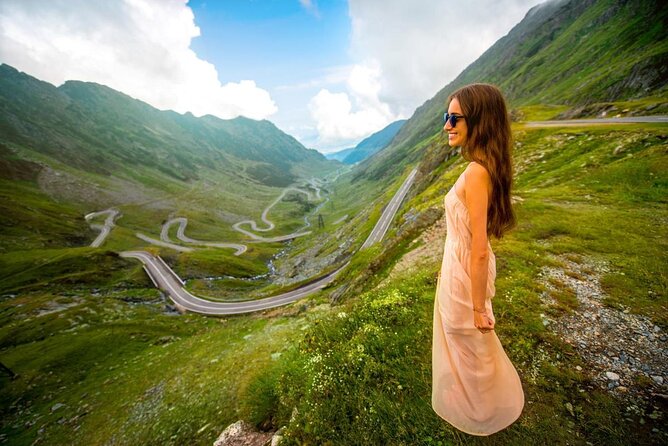
Day 4 is a mix of sky-reaching wood and road views, then a burst of color in a village.
Barsana Monastery
Barsana Monastery is described as one of the tallest wooden churches in Romania, with a 57 m height. The atmosphere here is why this region is such a favorite for photographers and quiet travelers: you stand in a courtyard surrounded by a structure meant to point upward.
Reality check: the stop is about 45 minutes, so you are not there long. Still, it is enough time to appreciate the scale and get a few calm moments.
Tihuța Pass crossing
Next comes Tihuța Pass, at about 1201 m, a crossing between Moldavia and Transylvania via the Bârgău mountains. The route history is part of the story too, with initial construction dated between 1812 and 1817 under the Austro-Hungarian Army council of war, and paving in 1969 with later asphalt.
Traffic can be a factor, with the tour noting that trucks can slow you down. This is exactly the kind of day where the private guide helps, because timing becomes flexible when the road does.
Ciocănești village
Finally, you reach Ciocănești, widely called one of Europe’s colorful destinations, including mention that the village is painted like Easter eggs. The value is not just the color. It is the way local identity can become a living visual language.
Short stop means quick viewing. If you love street-level details, you might want to linger a bit at the best-painted corners when your guide recommends it.
Day 5: Voroneț Blue to Moldovița Walls, Plus Lucia Condrea’s Egg Museum

This day is about painted churches and the art of survival through faith and craft.
Voroneț Monastery
Voroneț Monastery is tied to Stephen the Great, built in 1488. The tour references a very fast building timeline, 3 months and 3 weeks, connected to victory at the Battle of Vaslui. It also calls Voroneț the Sistine Chapel of the East, and specifically points to the intense shade of blue called Voroneț blue.
If you love seeing the same theme show up in different ways across regions, this one will feel like the highlight of the painted-monastery set.
Humor and Sucevita Monasteries
Then you visit Humor Monastery, described as a fortified monastery built about 500 years ago, designed to protect spiritual treasures, including the idea that churches were sometimes hidden from the world or tucked into hard-to-reach places.
After that is Sucevita Monastery, described as included on the UNESCO World Heritage list, with biblical scenes and icons painted inside and treated like an open book for visitors.
These stops are usually 45 minutes each. They are short, but they stack well. You start noticing repeating visual tricks, different border patterns, and how each monastery communicates a message in paint.
Moldovița Monastery
Next is Moldovița Monastery, founded in 1532, with a blend of Byzantine, Gothic, and Moldavian style. The most practical takeaway is the unique mural artwork described on both the inside and the outside. That makes the exterior worth time, even if you normally focus on interiors.
Lucia Condrea’s International Egg Museum
You end with Muzeul International al Oualor Lucia Condrea, created by artist Lucia Condrea in summer 1993. The collection is described as having over 5500 exhibits across 56 display cases in a building with two levels.
This is a good counterbalance to religious murals. It shifts you from sacred storytelling to creative craftsmanship. Even if eggs are not your thing, the sheer amount and display setup can surprise you.
Day 6: Bicaz Gorges, Red Lake, and Nicolae Popa’s Naive Sculpture Museum
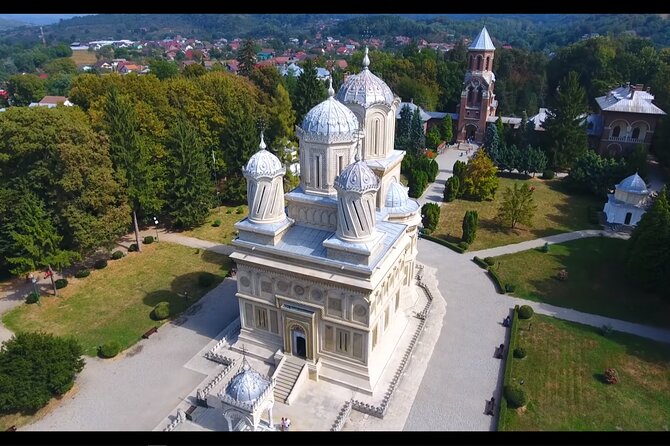
This day blends geology, road drama, and human creativity.
Bicaz Gorges
Bicaz Gorges are described as an 8-kilometer stretch of ravines with serpentines, rock on one side, and steep drops on the other. The tour notes the wallcreeper bird, a cliff-dwelling species, plus the gorge as a passage between Moldova and Transylvania.
If you want a Romania day that feels like an adventure without being physically extreme, this is it. You get dramatic views from the road while still moving toward another cultural stop.
Lacu Roșu (Red Lake)
Next is Red Lake, formed due to a landslide, with the lake at about 980 m altitude. The description also includes debated formation timing linked to an earthquake in January 1838, with some years discussed as 1837 and 1838.
I like this stop because it reminds you that nature shapes history here, not just people. You can stand and actually picture a slope shifting and the water filling the gap.
The Popa Museum
Finally, you visit Nicolae Popa Museum in Târpești, founded in the 1970s by sculptor Nicolae Popa. The story is clear and personal: he was wounded in World War II, imprisoned by communists for fighting the regime, and left with his house as essentially his only possession, then built a life around art and preserving Romanian values.
The value is emotional. It is easier to understand why his sculptures matter when you know what he had to survive first.
Day 7: Sighișoara Citadel, Viscri’s Fortified Church, and Brașov’s Piata Sfatului
This day is where medieval urban life becomes real. Old streets, old squares, and places where the past stayed inhabited.
Sighișoara Clock Tower and Arms Museum
In Sighișoara, you visit the Clock Tower and an Arms Museum, inside a citadel built in 1280. The tour also references Vlad the Impaler’s place of birth, and emphasizes that Sighișoara is still inhabited, over 700 years later.
This is an easy day to enjoy without rushing. Even short stop times can work because the streets are built for wandering.
Village de Viscri
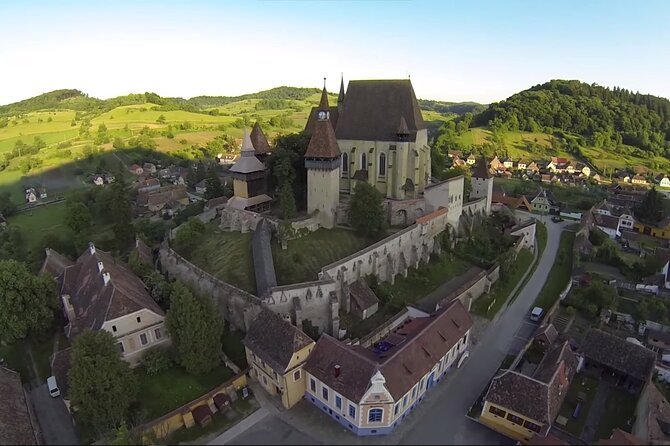
Next is Viscri, a village with history dating back to the 12th century. The tour text mentions Prince Charles’ visits, a fortified church, and the Mihai Eminescu Trust that helped the village reinvent itself. The idea is that this slow community project led to Viscri becoming a must-see in Transylvania.
If you want Romania that feels slower than a city, Viscri is your reset.
Piața Sfatului in Brașov
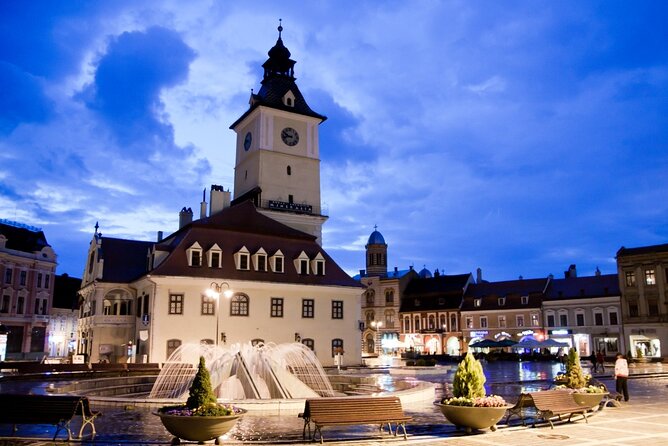
You end in Piața Sfatului in Brașov, formerly Marktplatz in German and referenced with Hungarian names too. The tour states it gained rights to hold markets in 1520, with weekly and annual markets since 1364, and it is surrounded by 18th to 19th century historical houses.
This stop is practical too: you get an easy place to grab a meal after a full day, and the architecture makes the square feel timeless.
Day 8: Bran Castle, Peles Royal Splendor, and Sinaia’s Monastery Quiet
Day 8 is a contrast day: Dracula-style myth, royal elegance, then a final spiritual stop.
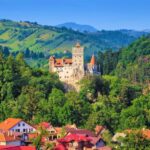
Bran Castle
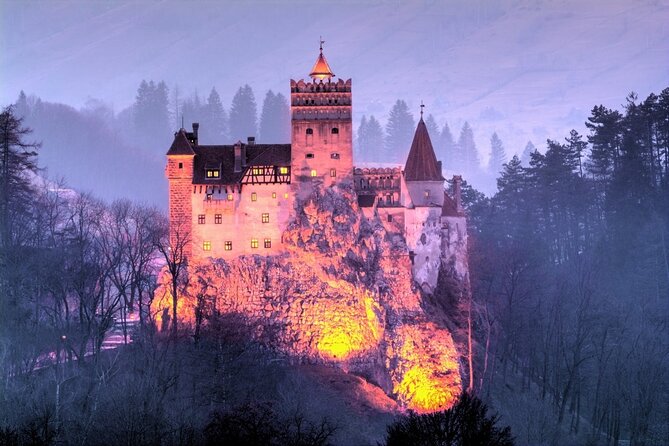
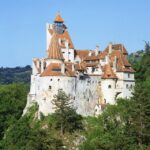
At Bran Castle, the tour frames the place as between myth and history, noting how closely its look matches Bram Stoker’s Dracula castle in popular belief. The practical bonus here is food tasting around the castle area, including handmade cheeses, pálinka (plum and pear brandy), and traditionally produced ham and sausages.
Consideration: Bran is a “big name” site, so expect crowds more often than at the smaller monasteries. Go at the pace your guide recommends to keep it enjoyable.
Peles Castle
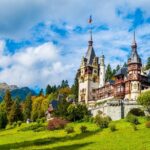
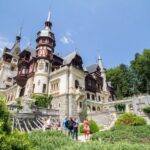
Then comes Peleș Castle, described as the Romanian royal family’s summer residence. The tour calls it one of the most important tourist attractions in Europe, and the key reason is the sheer beauty and scale of what you see.
If you want a castle stop that feels like design and craftsmanship, not just a story, Peleș is your win.
Sinaia Monastery
You finish at Sinaia Monastery, founded in 1695 by Prince Mihail Cantacuzino and named after Saint Catherine’s Monastery on Mount Sinai in Egypt. The tour text says it is inhabited by 13 Orthodox monks led by hegumen Macarie Boguș and is part of the Bucharest archdiocese.
Why this ending works: it gives you calm after the castle spectacle. It is a gentle close to a week full of strong visuals.
Price and Logistics: What You Pay For, and What You Still Need to Budget
This tour costs $2,825.81 per person and is private, with a dedicated licensed English speaking guide/driver and your own car throughout. That price is paying for time and coordination, not just sightseeing. You are essentially buying a set of road-ready days where someone else manages routing, pacing, and explanation.
Included costs are clear:
- the private car for your group
- the guide/driver service for the tour duration
- accommodation, meals, and entrance fees for the guide
- all car expenses (gasoline, parking, road tolls)
- hotel recommendations based on your budget
- wireless internet in the comfortable car
Not included are the things that add up fast on independent travel:
- your accommodation and meals
- entrance fees as per the itinerary
So the real value question is simple: if you prefer not to coordinate tickets, timing, and explanations across multiple regions, you are paying for that convenience and for a driver who understands the route.
Also remember: several stops list admission as not included. Plan your daily budget with that in mind.
Who This Tour Suits Best (And Who Should Rethink It)
This is a strong fit if you:
- want to see lots of regions without wasting days on transfers
- like history and architecture, plus at least a couple emotional stops
- prefer a guide who can explain what you are seeing quickly
- are okay with a lot of driving in exchange for covering distance
It might be less ideal if you:
- hate long road days
- strongly dislike paying separate entrance fees
- want a very slow, minimal-drive pace
Should You Book This 8-Day Private Romania Tour?
I would book it if your ideal Romania trip looks like a mix of cathedral scale and small human stories, plus famous drives like Transfăgărășan when the season allows. The private setup is especially worth it here because the route spans monasteries, fortresses, and medieval towns that are hard to stitch together smoothly on your own.
If you do book, prepare for two things: bring comfortable shoes and plan a budget for site entrances and your own meals. With that handled, you will get a full Romania snapshot that feels personal, not just efficient.
FAQ
How long is the 8 Days Private Romania Tour from Bucharest?
The tour is approximately 8 days.
Where does the tour start?
It starts in Bucharest, Romania.
Is this a private tour or a group tour?
It is a private tour. Only your group participates, with the private car for you and your friends or family.
Is pickup offered?
Pickup is offered.
Is a guide included?
Yes, you have a private licensed English speaking guide/driver available throughout the tour.
Does the tour include accommodation and meals?
No. Accommodation and meals are not included, and meals and beverages are listed as not included.
Are entrance fees included for the stops?
Entrance fees as per the itinerary are not included.
Is wireless internet provided during the tour?
Yes. There is complimentary wireless internet access in the comfortable car.
Is the Transfăgărășan Highway open year-round?
No. The road is fully open only from June to October.
What is the cancellation policy?
You can cancel for a full refund up to 24 hours in advance.
Are service animals allowed?
Yes, service animals are allowed.
More Tours in Bucharest


More Tour Reviews in Bucharest
More Bucharest Tours in Bucharest
Just added from Bucharest


Private, compared.
 ★ 4.5Castles of Transylvania: Private Day Trip from BucharestFrom $151248 reviews
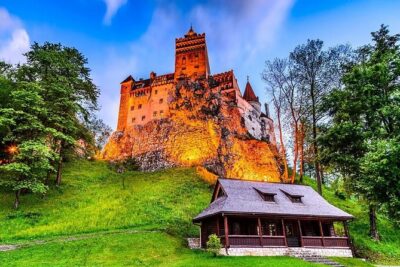 ★ 5.0Dracula’s Castle, Peles Castle and Brasov – Private Day Trip from BucharestFrom $199211 reviews
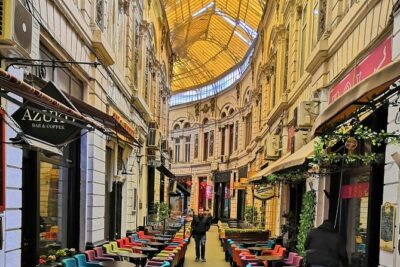 ★ 5.0Best of Bucharest | Private Walking TourFrom $314199 reviews
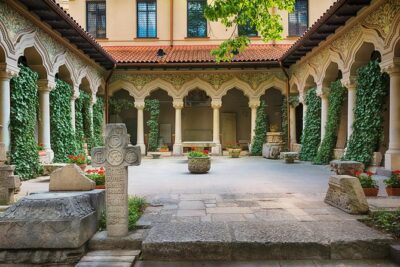 ★ 5.0Bucharest Panoramic Sightseeing – Private City TourFrom $101128 reviews
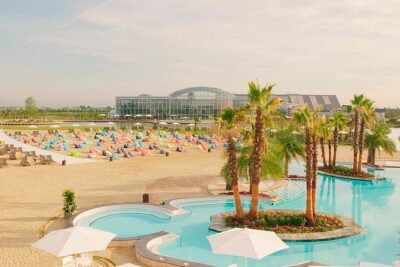 ★ 4.0THERME “Take It Easy” Pack: Full Spa Access + Private TransfersFrom $118117 reviews
 ★ 5.04h Bucharest Private Tour (2h by Car and 2h Walking in Old Town)From $10090 reviews
 ★ 5.0Discover Bucharest: Private Highlights and Traditional Food TourFrom $14386 reviews
 ★ 5.0Dracula Castle, Peles Castle & Brasov-Private Tour from BucharestFrom $16580 reviews