
REVIEW · TRANSYLVANIA DAY TRIPS
6 Days Transylvania and Bukovina Small Group Tour from Bucharest
Romania can feel like a maze of legends and facts. This tour stitches the two together across Transylvania and Bukovina, using a guide to make the places click fast. I especially love the way the group tour format keeps you moving between major sights without getting stuck figuring out routes and timing.
Two things I like a lot: you get professional guidance (in one well-known case, the guide George is praised for being excited and proud, and for helping the group deal with lines when possible). And you spend real time where Romania shines, especially the painted monasteries of Bucovina plus the big name castles.
One possible drawback to plan for is that entrance fees are not included, so your final spend will depend on how many paid sites you want to do inside. Also, the schedule is full, so if you want long, slow free afternoons, this may feel like a lot.
Key highlights worth your attention
- A licensed guide who also drives, so you get fewer handoffs and more context on the road
- Small group size of up to 7 travelers, which makes photos, questions, and pacing easier
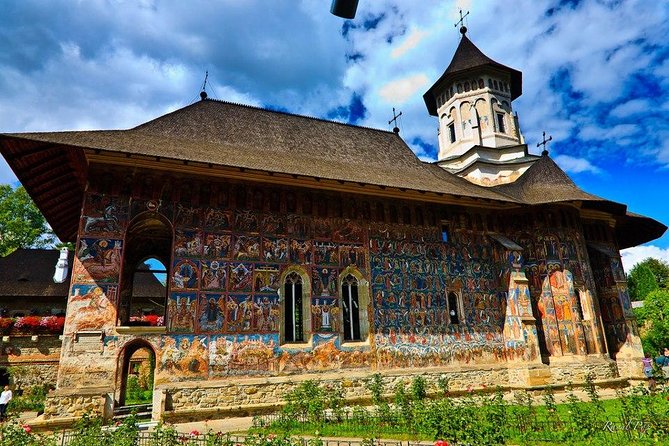
- Bucovina painted monasteries, including the famous Voronet blue fresco style
- Carpathian nature stops, with Bicaz Gorges viewpoints and Red Lake legends
- Transylvania icons with context, from Sighisoara’s UNESCO core to Bran and Peles
- Dress code for churches and some museums, so pack for covered shoulders and knees
Deeper into Transylvania
- Transylvania and Dracula Castle Full Day Tour from Bucharest★ 4.5 · 1,589 reviews
- Castles of Transylvania: Private Day Trip from Bucharest★ 4.5 · 248 reviews
- 2-Day Medieval Transylvania with Brasov,Sibiu and Sighisoara Tour from Bucharest★ 4.5 · 145 reviews
- 2-Day Transylvania from Bucharest: Brasov, Bran, Sighisoara★ 5.0 · 60 reviews
Transylvania and Bucovina, guided so the stories make sense
Romania is not short on dramatic history. The Dracula headlines are the easy part. What makes this kind of tour work is having someone connect the folklore to real geography, real borders, and real communities.
On this trip, you go from Wallachian roots and medieval Saxon cities to Bukovina’s Orthodox painting tradition and then back to Transylvania’s fortified towns and royal castles. That mix is the point. Without a guide, you can still visit everything, sure. But you might miss why Cozia looks the way it does, why Sighisoara remained such a stronghold, or why Voronet’s blue is talked about like a cultural landmark.
Price and what you truly get for the $1,163.56
At $1,163.56 per person for about six days, this is not a budget backpacker route. What you are paying for is the structure.
You get:
- A professional licensed tour guide who is also your driver
- Air-conditioned transport
- 3- and 4-star hotel accommodation
- Breakfast included for 5 mornings
- A small group cap of 7 travelers max
- Pickup offered (so you are not starting the day with a transport puzzle)
Entrance fees are not included, and that matters. Still, many of the major visits on the plan list admissions as free, while the paid stops tend to be castles and selected museums. In other words, you should expect to pay extra, but the cost is not totally open-ended. You can also plan your spending by deciding which paid interiors you want most.
Day-by-day pacing, from 8:00 am starts to real hotel nights
The tour starts at 8:00 am, and the route is built to cover multiple regions without you constantly changing plans. Days are full, but not chaotic. Most stops have defined time blocks, like around 30 minutes at Cozia Monastery, a few hours in Sibiu, and longer blocks for places like Sighisoara and Bran Castle.
You will likely feel the pace most on days with driving between regions. The benefit is that you get Carpathian viewpoints and UNESCO monasteries in the same week, without burning vacation days on logistics. The vehicle is air-conditioned, which helps when you are spending long stretches in transit.
Day 1: Cozia Monastery and Sibiu’s medieval squares
Your first sightseeing win comes before you even reach the famous Transylvania names. At Cozia Monastery, you visit a 14th-century Wallachian monument tied to rulers like Mirco Il the Old, with restoration work noted in the 17th century. The standout detail here is the Armenian decorations on the facade and the frescoed interiors. Even if you are not a “church art” person, this is the kind of place that rewards you for slowing down for 30 minutes.
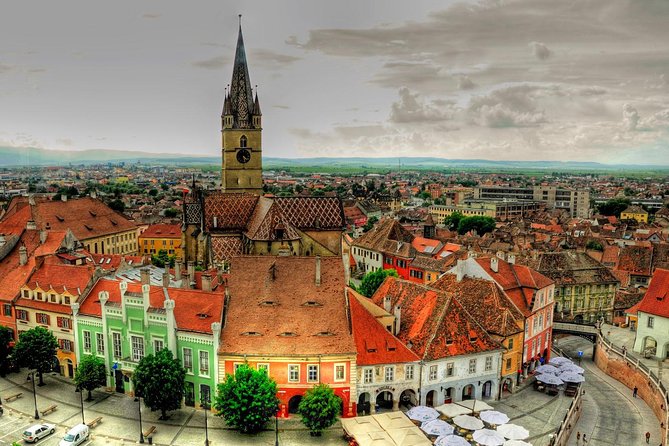
Then you arrive in Sibiu, one of the most walkable and atmospheric cities on the route. Sibiu is shaped by a long mix of Romanian and Saxon life, and the religious monuments are a physical record of that. You will see multiple traditions side by side, including a major gothic evangelical church.
Sibiu’s tour highlights are practical, too. The city’s three squares, Big Square, Small Square, and Huet Square, are where the medieval feel concentrates. Add the towers and bastions and the famous “houses with the eyes,” and you get an easy way to orient yourself while still seeing real architecture, not just a highlight list.
Elsewhere in Bucharest, and up the valley
Day 2: Sighisoara’s UNESCO core, Targu Mures baroque, Bistrita’s Gothic church
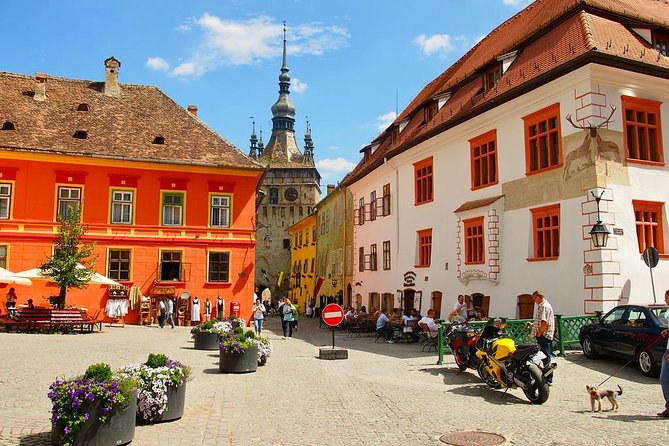
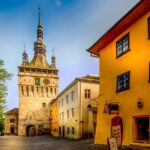
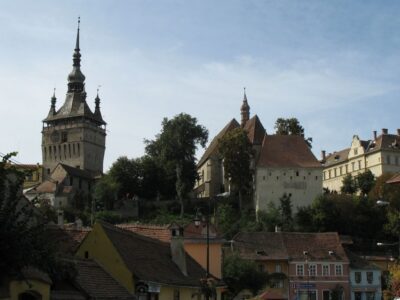
Sighisoara is where the trip really shows off. The center is UNESCO-listed, and it is also unusual because the historic core is still inhabited. You start with the Clock Tower, then move toward the church on the hill. The climb uses a wooden staircase known as the schoolchildren’s ladder, which is a small detail but a memorable one because it makes the “citadel on the hill” idea tangible.
You will also see social history in stone. There is a statue of Petofi Sandor, connecting the Magyar community to the past importance of the area. Nearby are a Catholic church associated with the Hungarian community and the tower of the shoemakers.
One practical note: lunch is mentioned at the house where Vlad the Impaler was born, but it is not included. If you want that specific stop, plan for an extra cost and time window.
After Sighisoara, you head to Targu Mures, where baroque style dominates. The Palace of Culture is the big visual anchor here. It is the kind of building that makes you understand why some cities feel more “grand” than “historic streets,” even when both are real.
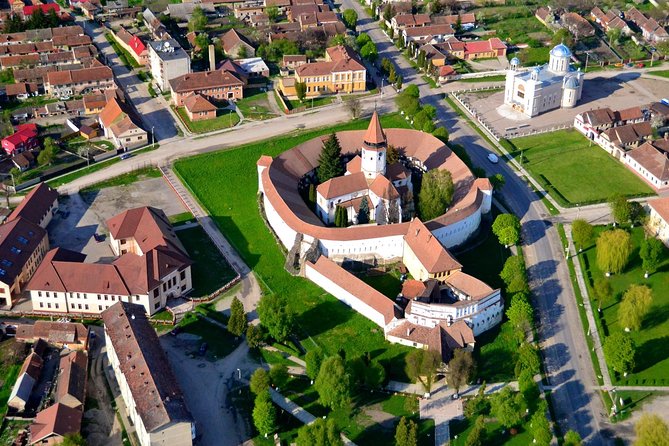
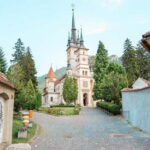
Finally you reach Bistrita for a walking stop focused on a Lutheran church. It was built in the 14th century in Gothic style, then remodeled with Renaissance elements in the later 1500s. That mix is a useful lesson: in Transylvania, styles overlap because communities overlapped.
Day 3: Bucovina’s painted monasteries plus Marginea black ceramics
If you care about art that is actually meant to be seen by everyday people, Day 3 is the crown jewel. You visit monasteries that are famous for exterior and interior fresco programs, and each stop has a slightly different look.
At Moldovita Monastery, founded by Pietro Rares in the 16th century, the selling point is the fresco work both inside and out. Then you go to Sucevita Monastery, founded by the Movila brothers in the 17th century. This is where the “why it looks the way it looks” matters: it combines Gothic and Byzantine elements into what is described as Moldovan architectural style, and the frescoes on the northern facade remain visible thanks to protective walls that were never demolished.
Between monasteries, the trip also gives you a strong cultural detour at Ceramica neagra in Marginea. This is not a quick photo stop. You can enter the workshop and watch how the black ceramic pieces are made through different working phases. You can also shop for typical items like decorated pots and painted eggs using traditional Romanian techniques.
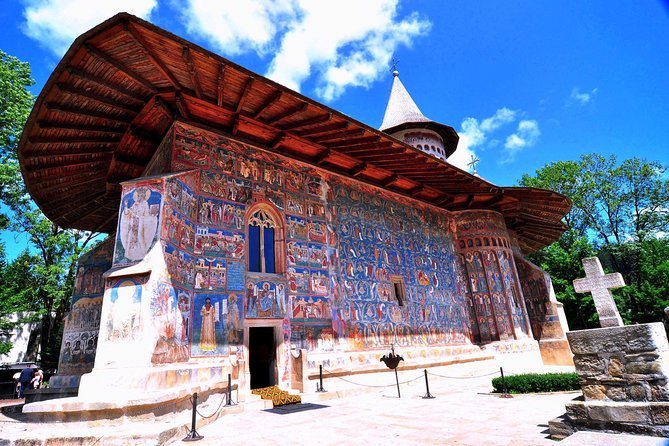
The final monastery stop is Voronet, nicknamed the Sistine Chapel of the Carpathians. The plan notes the famous inimitable blue color and the fact that the place was founded by Stephen the Great. Even if you have seen other painted churches, Voronet is usually the one people talk about because the blue is so recognizable on site.
Day 4: Bicaz Gorges, Red Lake legends, and Miercurea Ciuc’s Siberia nickname
This day is where the tour mixes “serious culture” with “send me to the view decks.” You head to Bicaz Gorges, where a road runs alongside a stream and the cliffs create strong scale. There is also a market along the gorge where you can browse typical handicrafts and souvenirs. It is a good place to stretch your legs and do a quick shopping reset without feeling trapped in a tourist trap.
Next is Red Lake, described as a natural barrier lake formed after a landslide. The details that make it memorable are the legends around the name and the fact that trunks of trees remain in the lake, creating an evocative feel. If you like places with stories that locals repeat, this one delivers.
You then continue by scenic road to Miercurea Ciuc, a region also called the Siberia of Romania because of low temperatures and the surrounding landscape. It is a nice tonal shift before the more famous Transylvania towns and castles.
Day 5: Brasov’s fortified old town, Bran Castle, and an evening arrival in Sinaia
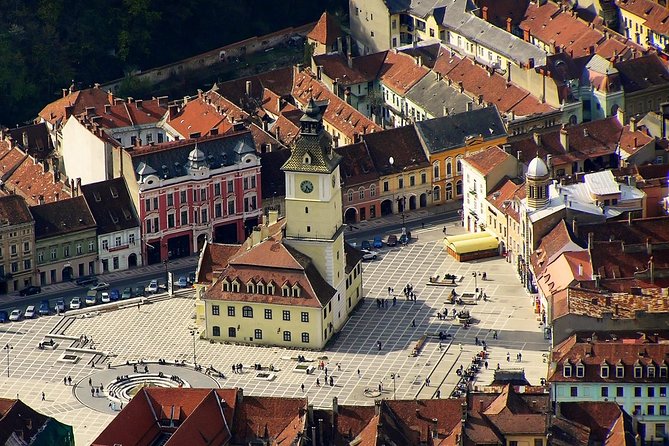
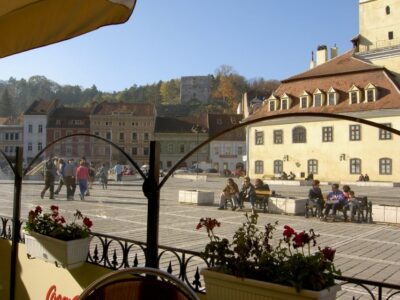
You get Brasov Historical Center next, and it is easy to see why this is a favorite stop. Brasov was once fully fortified, and you still feel that structure in the city feel. The architecture reflects German influence, with Gothic, Baroque, and Renaissance styles intersecting. That mix matters because it explains why Brasov can look “European” in a way that feels specific to the region, not generic.
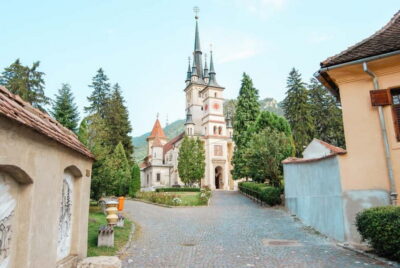
You also visit First Romanian School in the Schei district, which was inhabited exclusively by Romanians according to the plan. The story gets tied to the medieval gates used to enter the city, including Catherine’s and Schei Gate, with the note that these last from the 19th century. If you like tracing how power and access shaped daily life, Brasov works.
The Black Church is included as a planned visit as well, which is another anchor point for understanding how faith and community shaped city identity.
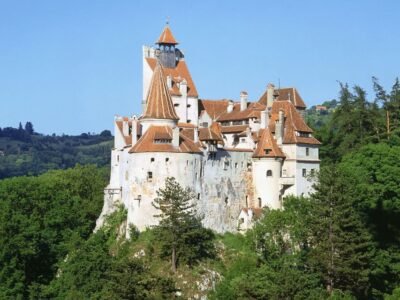
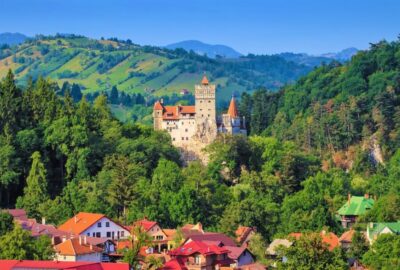
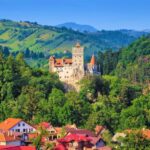
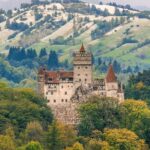
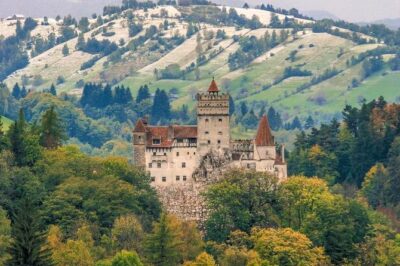
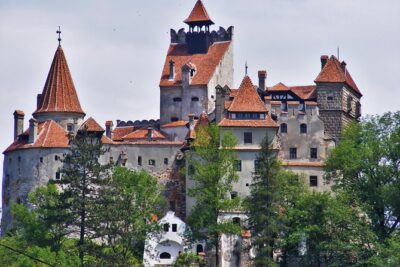
Then you go to Bran Castle, better known as Dracula’s Castle. Whether or not you think you are going for Dracula, the tour frame is useful: in the Middle Ages Bran sat on the border between Wallachia and Transylvania, and the castle’s defensive role was tied to that border. That context is key. It turns the spooky marketing into something more concrete about travel routes, defense, and political edge.
The day ends with arrival in Sinaia in late evening, setting you up for the final castle highlight next day.
Day 6: Peles Castle’s royal design and a Bucharest panorama with big landmarks
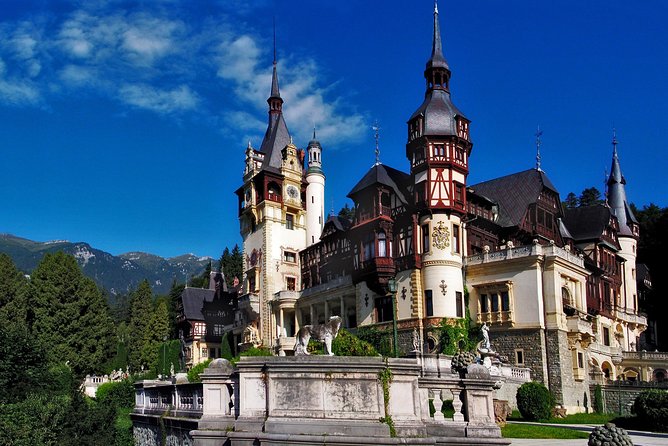
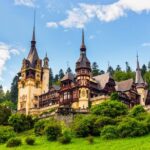
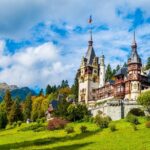
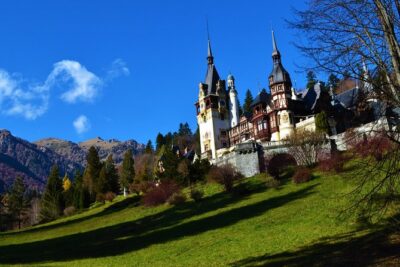
Your last major stop is Peles Castle, described as the summer residence of King Charles I of Romania and noted for German origins. The plan highlights that it was designed by a Czech architect and built between the 19th and 20th centuries, with the point that it was modern for its time.
The room variety is a smart way to visit. Instead of seeing one “castle style,” you get different atmospheres. The description calls out the Florentine room as having a distinctly Italian and Renaissance feel. That detail helps you walk through with a sense of how the design shifts.
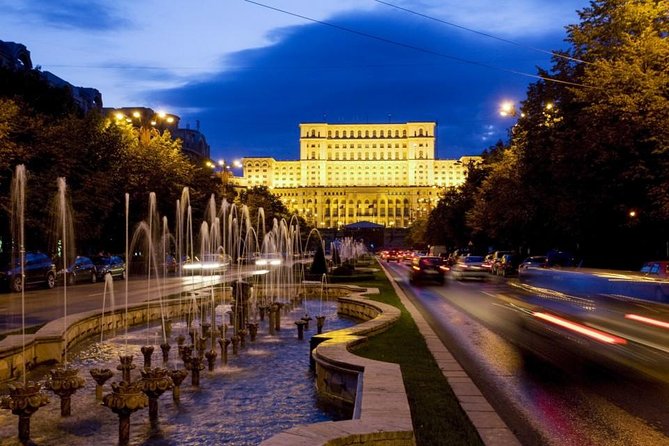
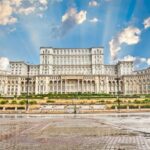
After Peles, you head back to Bucharest for a panoramic tour. You will see the Triumph Arch, the Atheneum, Revolution Square, and the Parliament Palace. This is the kind of final touch that helps you connect the trip back to your starting point, and it gives you a memorable sense of scale in the capital.
What I’d pack and plan for (so you enjoy it more)
This tour spends time in churches and selected museums, so the dress code is not optional. You are required to cover knees and shoulders, for both men and women. No shorts or sleeveless tops. If you show up unprepared, you could be refused entry, which can ruin the flow of a packed day.
Also plan for:
- Comfortable walking shoes for old towns like Sibiu and Sighisoara
- A light layer for church interiors
- Cash or card ready for entrance fees and any extras not included
- A bit of patience with castle crowds, since paid sites can have lines even when you arrive with a group
Who this tour suits best
I think this tour fits you if you want:
- Big Romanian highlights in one week, without doing the planning math yourself
- A guide-led explanation of borders, communities, and why monasteries look the way they do
- A balance of art, architecture, and scenery rather than only one theme
- A small group feel, up to 7 people, where questions actually matter
It may not be your best match if you:
- Want lots of free time for independent wandering each day
- Hate dress code rules in churches and museums
- Are hoping entrance fees are fully covered
Also, if you value efficient sightseeing, this is a strong tour choice because the guide is licensed and does the driving. That reduces time wasted on logistics and helps the day stay coherent.
Should you book this Transylvania and Bukovina tour from Bucharest?
I’d book it if you want a structured route through UNESCO painted monasteries, classic Transylvanian towns, and two major castles, all in about six days. The value comes from the combination: organized transport, 3- and 4-star hotels, and a guide who can make the history feel understandable instead of just memorized.
I would hesitate if you are budget-strict on entrance fees, because paid interiors are a realistic add-on. I’d also be cautious if you hate tight schedules, since this is a full program with defined stop times.
If you want Transylvania and Bukovina to feel like a story you can follow, this tour is a solid way to do it.
FAQ
What is the duration of the tour?
The tour runs for about 6 days.
What is the starting point and start time?
It starts in Bucharest, with a meeting start time of 8:00 am.
Is pickup offered?
Yes, pickup is offered.
How many people are in the group?
The tour has a maximum of 7 travelers.
Are entrance fees included?
No. Entrance fees are not included.
Are meals included?
Breakfast is included for 5 days.
What about hotel quality?
You stay in 3- and 4-star hotels.
Is there a single room supplement?
Yes. A supplement of 120 euro applies for a single room and is paid locally in cash or credit card.
Is there a dress code?
Yes. For places of worship and selected museums, you must cover knees and shoulders. Avoid shorts and sleeveless tops to reduce the risk of denied entry.
What is the cancellation policy?
This experience is non-refundable and cannot be changed for any reason. If you cancel or ask for an amendment, you do not get a refund.
More Tour Reviews in Bucharest
More Bucharest Tours in Bucharest
Transylvania, Further In

Just added from Bucharest


Transylvania Day Trips, compared.
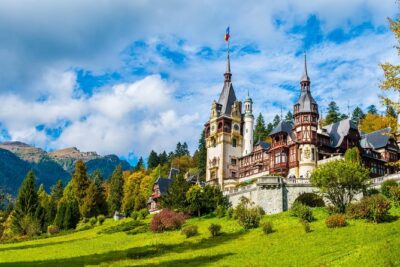 ★ 4.5Transylvania and Dracula Castle Full Day Tour from BucharestFrom $351,589 reviews
 ★ 4.5Castles of Transylvania: Private Day Trip from BucharestFrom $151248 reviews
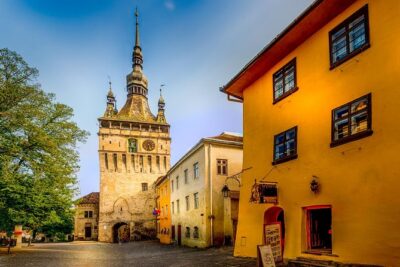 ★ 4.52-Day Medieval Transylvania with Brasov,Sibiu and Sighisoara Tour from BucharestFrom $120145 reviews
 ★ 4.8Transylvania: Dracula’s Castle and Birthplace TourFrom $175123 reviews
 ★ 5.02-Day Transylvania from Bucharest: Brasov, Bran, SighisoaraFrom $40960 reviews
 ★ 4.8Transylvania: Cultural Full-Day Trip by MinivanFrom $44157 reviews
 ★ 5.04-Day Private Tour in Transylvania from BucharestFrom $1,17548 reviews
 ★ 5.0Private Tour: Transylvanian Castles and Brasov’s Medieval Old TownFrom $19242 reviews
Browse the lists this tour appears in