
REVIEW · BRASOV DAY TRIPS
2 Days – Private Tour to Transylvania – Brașov, Sighișoara, Sibiu
Two days, five stops, no transit headaches. What makes this trip stand out is the private air-conditioned ride from Bucharest, so you can pack in big-name sights like Peleș, Bran, and Brașov without losing hours to public transport juggling.
I also love how the experience leans into UNESCO medieval citadels and the everyday life inside them, especially Sighișoara and Sibiu. It is not just photos, you get time in the streets and squares that shaped Transylvania’s Saxon heritage.
The trade-off is simple: entrance tickets are extra, and Peleș Castle is closed on Monday and Tuesday, which can mean an outer-courtyard visit instead of full access.
Key Points That Make This Tour Worth Your Time
- Private transport that saves real time between castles and medieval towns
- Peleș Castle’s unusual “royal tech” including electricity and a power plant
- Bran Castle with Dracula context but with the facts kept straight
- Sighișoara as a living medieval citadel, not a museum set
- Sibiu’s Saxon-guild feel, with church-dominated squares and narrow old streets
- Flexible guiding by English-speaking pros who can adjust when plans hit snags
Still heading north? More Brasov days
- Bucharest: Dracula’s Castle, Peles Castle, & Brasov Old Town★ 4.5 · 17,858 reviews
- Bucharest: Dracula Castle, Peles Castle & Brasov Old Town★ 4.6 · 10,891 reviews
- Bucharest: Dracula’s Castle, Peleș Castle & Brașov Day Trip★ 4.5 · 5,919 reviews
- Bucharest: Day Trip to Dracula Castle, Peles Castle & Brașov★ 4.4 · 3,049 reviews
Why This Private Transylvania Route Works in Only 2 Days
This is a smart fit if you want Transylvania highlights fast. The biggest value is the private, air-conditioned vehicle plus hotel pickup and drop-off on both days. That means you spend your limited time looking at medieval walls and royal castles, not figuring out timetables.
The pacing is also built for sightseeing momentum. Each stop gets enough time to do more than quick photo stops, yet the route keeps moving so you see both “Dracula-adjacent” sites and the real medieval city centers around them.
You’ll also travel with a professional English-speaking guide, and in practice that matters. Guides named George, Laura, Sebastian, Catalin, Mircea, and Alin were singled out for being punctual, flexible, and comfortable explaining what you’re seeing in plain language. When something changes, a good guide can shift the plan on the spot, instead of leaving you with dead time.
Peleș Castle: Royal Luxury with Practical Engineering
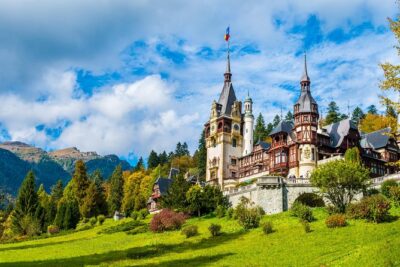
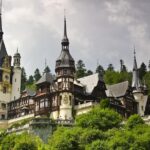
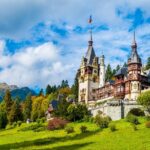
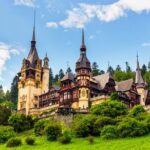
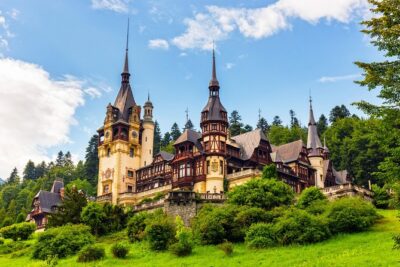
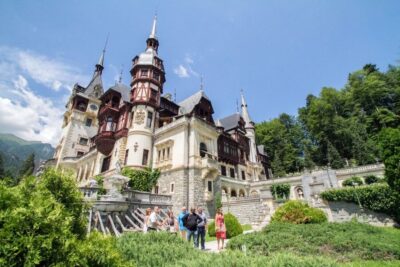
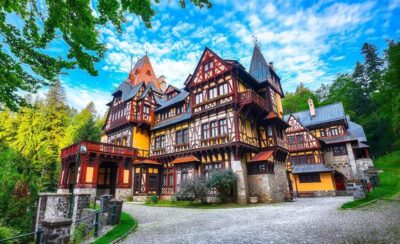
Peleș Castle is the sort of place that makes you slow down. Set at the foot of the Bucegi Mountains in Sinaia, it is a German new-Renaissance masterpiece built for King Carol I, commissioned in 1873 and completed in 1883. It served as the royal family’s summer residence until 1947.
What I really like is that Peleș is not just pretty facades. It’s the detail. The castle has 160 rooms with fine European art, Murano crystal chandeliers, German stained glass windows, and Cordoba leather-covered walls. If you’re the type who notices finishes, this is going to feel worth your money.
Now here’s the “wait, what?” part. Peleș was the first European castle to have electricity, even including its own power plant. It also had hot and cold running water, central heat, and a central vacuum system. That mix of high aesthetics and surprising engineering is exactly why this stop feels like more than a theme-park castle.
Practical notes you should plan around:
- The Peleș entrance fee is extra (100 RON, about €20 per person).
- The castle is closed on Monday and Tuesday, and on those days the visit is limited to the outer courtyard.
If your dates fall on Monday or Tuesday, don’t panic, but do adjust expectations. The outer courtyard can still be scenic, yet it’s not the same as walking through the interior rooms.
Bran Castle: Dracula Marketing, Plus the Real Story
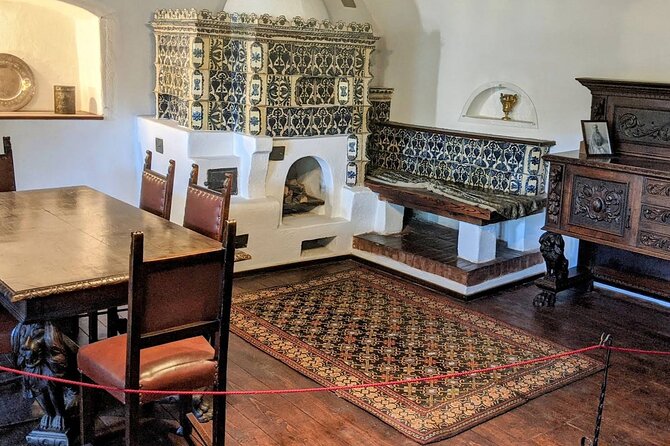
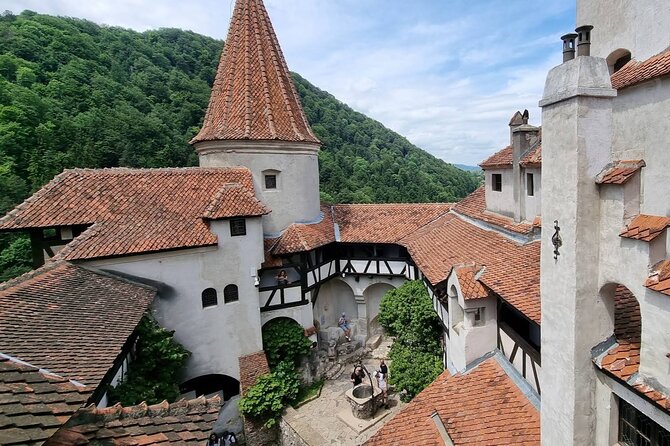
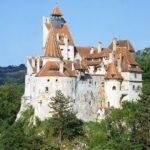
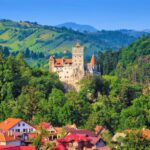
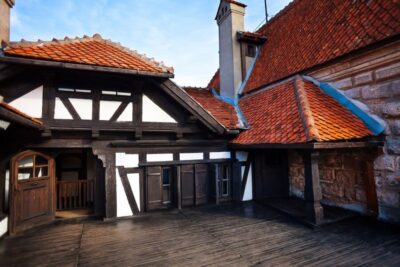
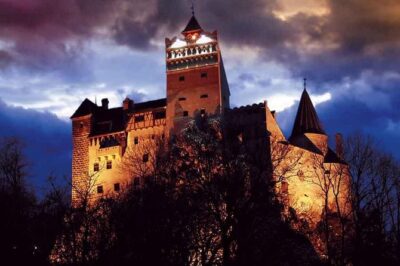
Bran Castle, commonly branded as Dracula’s Castle, is the next stop. But this is where the guide’s context can make a big difference, and the best kind of guiding keeps the myth and the facts separate.
Here’s the key fact you should carry with you: there’s no evidence that Bram Stoker knew about Bran Castle, and the fictional description in Dracula does not match Bran’s actual crumbling castle image. That doesn’t remove the fun. It just makes the visit smarter.
You’ll spend a block of time at Bran Castle (the tour lists about four hours for this stop), and entrance is extra (150 RON, about €30 per person). If you love gothic vibes, you’ll get them. If you love historical accuracy, you’ll also get it, especially when your guide explains Vlad the Impaler connections in a careful way.
A small tip for your visit: go in expecting a fortress setting with strong Dracula associations, not a “this is where every scene happened” experience. When you frame it that way, you’re less likely to feel disappointed.
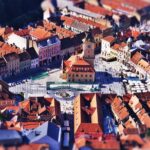
Brașov Historical Center: More Than a Stopover City
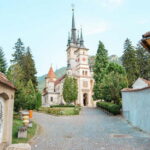
Brașov is one of Romania’s best-known cities, and it earns it. The historical center is a top tourist attraction, with a blend of architecture, culture, and easy access to dramatic mountain views in the wider area.
What makes Brașov more interesting than it sounds on paper is its layered identity. For centuries it was a key commercial center, and during the long communist era it also became a major industrial hub. Even the name history is a clue to how the region changed over time, including a period when the city was called Stalin City for about 10 years.
On this tour you get a dedicated chunk of time in the old center, about four hours, and admission here is free. That extra time matters because Brașov can be a place you want to wander slowly, not just check off a list.
If you like street-level travel, this is where it works. Think: stop for a coffee, look at façades, walk around until your brain gets its bearings. For a two-day experience, that kind of pacing keeps you from feeling like you’re sprinting through history.
Deeper into Transylvania

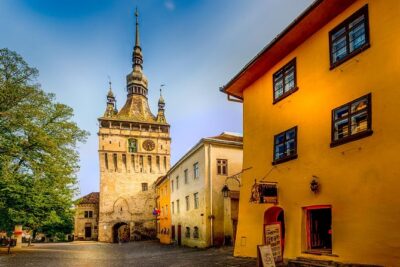
Sighișoara UNESCO Citadel: Medieval Streets You Can Still Live On
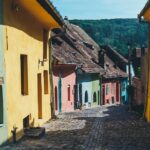
Sighișoara is one of those places that feels real. It’s an inhabited medieval citadel originally built in the 12th century by Saxon settlers. In 1999 it was designated a UNESCO World Heritage Site for its roughly 850-year-old evidence of Transylvanian Saxon culture.
This is also a name you’ll recognize from the Dracula legend. Sighișoara is described as the birthplace of Vlad III the Impaler, and the town leans into that heritage with an annual medieval festival that mixes arts and crafts with rock music and stage plays. That contrast, medieval roots plus modern festival energy, makes the place feel alive rather than sealed off in the past.
You’ll get about three hours here, and admission is free. That time is important because Sighișoara rewards slower walking. You’re not just looking at walls from outside. You’re moving through a medieval layout that still works for daily life.
If you want to make this stop land, bring the right expectation. You’re seeing medieval architecture and citadel design, not a single “main attraction” that wraps up quickly. Your guide can help you focus on the right streets and details so you don’t feel lost.
Sibiu: Saxon Guild Wealth and Church-Dominated Squares
Sibiu is often compared to Sighișoara and Brașov because it shares the Germanic Saxon imprint. But Sibiu has its own flavor.
The tour frames Sibiu as the largest and wealthiest of the seven walled citadels (Siebenburgen) built starting in the 12th century by Transylvanian Saxons. Those guilds amassed wealth, and the wealth funded both impressive buildings and the fortifications needed to protect the city.
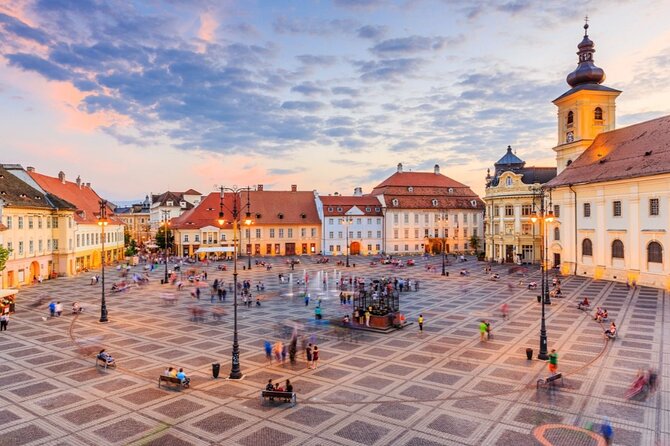
In the old town, the “why” is still visible. You get narrow streets and steep-roofed buildings with gable overhangs, and you also get space for slow square sitting. Great Square and Little Square are key, and church-dominated squares help shape Sibiu’s feel.
On this day, you’ll spend about four hours in Sibiu, and admission is free. That’s a solid window because Sibiu is the kind of place where you might start in one direction and then realize you keep drifting back to the squares. Let it happen, but keep an eye on your meeting time.
Cozia Monastery: Wallachian Roots in a Short, Powerful Stop
Cozia Monastery is a different kind of stop. Instead of castle drama, you get Eastern Orthodox religious architecture and medieval spiritual history.
Cozia is near the Olt River in Călimănești and is described as one of the best-preserved medieval religious sites in Romania. It was founded in 1388 by Mircea the Elder, a ruler of Wallachia. The church is built in Byzantine style with Romanian influences and has stone carvings and frescoes, with examples dating to the 14th and 18th centuries.
Here is a personal-history anchor: Mircea the Elder is buried at the monastery, and that connection also ties into broader Dracula family lore, since he is described as Vlad the Impaler’s grandfather.
The tour gives you about 30 minutes here, and admission is free. That’s short, but it makes sense because this kind of site can take time if you want to focus on details. If you’re visiting on a day when you’ve already done two heavy sightseeing blocks, this stop acts like a calm reset.
Also, because it is an active monastery and pilgrimage site, treat it as a place for respectful quiet. Dress and behave accordingly.
Price and Logistics: What You’re Paying For, and What You Still Need to Budget
At $431.35 per person for a private 2-day experience, you’re paying for convenience, time, and guide-led context, not just access to buildings.
Included in the price:
- Hotel pickup and drop-off on both days
- Private transport in a modern, air-conditioned vehicle
- A professional English-speaking guide
- Group discounts (the tour notes this as a feature)
- Mobile ticket (as listed)
Not included:
- Entrance fees for Peleș (100 RON, about €20) and Bran (150 RON, about €30)
- Accommodation (listed as €50 per person, and you’ll need lodging for the Sighișoara portion)
- Meals
There’s also a real value in how the tour is set up for short travel. With only two days, an arranged private vehicle can mean you see both UNESCO towns and a royal castle without constantly reorganizing your day.
My practical budgeting rule: add entrance fees and meal costs on top of the base price, and plan for one hotel night in Sighișoara. The tour specifically recommends Central Park Hotel for Sighișoara lodging, though it’s phrased as a suggestion, not a guarantee that your booking includes that hotel.
Finally, think about scheduling days. If your visit lands on Monday or Tuesday, remember Peleș may be limited to the outer courtyard. That affects the value equation for the biggest-ticket site.
How the Best Guides Make the Difference
This kind of tour lives or dies by how the guide handles the day. And in the experiences shared with names like George, Laura, Sebastian, Catalin, Mircea, and Alin, the common thread is practical flexibility.
For example, one guide, Sebastian, handled a Peleș Castle closure by rerouting and then securing tickets for a later day. That matters because you can’t always fix missed castle access on your own in a tight schedule.
Other guides leaned into smart detours. George was described as accommodating requests by squeezing in a bear sanctuary stop. Alin is described as going beyond the standard route to include a synagogue visit and the Jewish cemetery in Sighișoara, plus help coordinating a supermarket stop for items needed to keep the trip going smoothly. Those are the types of touches that make a private tour feel personal, not scripted.
Also, the road trip vibe matters. One guide, Catalin, was praised for punctuality and even for having a good selection of music for the drive. Small thing, but in a long car day, it affects your mood.
The bottom line: if you choose this tour, you’re choosing more than transport. You’re choosing interpretation and pacing support.
Should You Book This 2-Day Transylvania Tour?
Book it if you want a high-efficiency Transylvania experience, with guided time in Peleș, Bran, Brașov, UNESCO Sighișoara, and Sibiu, all from Bucharest with pickup and drop-off. It’s a strong choice for first-time visitors who don’t want to waste your two days on logistics.
Don’t book it if you hate paying extra for entrances or you’re hoping for long, slow immersion at just one or two sites. With this format, you’ll see a lot, but you won’t linger for hours in every single building.
If you do book, do two things to get the best value:
- Check your travel dates for the Monday and Tuesday Peleș closure note.
- Budget for the entrance fees at Peleș and Bran, plus meals and your Sighișoara hotel night.
FAQ
What is included in the 2-day private Transylvania tour price?
The tour includes hotel pickup and drop-off on both days, private transport in a modern air-conditioned vehicle, and a professional English-speaking tour guide.
Are Peleș Castle and Bran Castle entrance tickets included?
No. Peleș Castle costs 100 RON (about €20) per person, and Bran Dracula’s Castle costs 150 RON (about €30) per person. Entrance tickets are not included in the tour price.
Will I be picked up from my hotel in Bucharest?
Yes. The tour offers hotel pickup and drop-off on both days, and it is stated that the pickup is near public transportation.
Is this a private tour and is the guide in English?
Yes. It is a private tour, meaning only your group participates, and it is offered in English with an English speaker tour guide.
Do I need to arrange accommodation and meals?
Accommodation is not included. Meals are also not included. The tour provides a hotel recommendation for Sighișoara, Central Park Hotel, if you want help choosing where to stay.
What happens if my tour day includes Monday or Tuesday for Peleș Castle?
Peleș Castle is closed on Monday and Tuesday. On those days, the tour visits the outer courtyard instead.
More Saxon Towns
Transylvania, Further In

Still Going to Brasov?
Just added from Bucharest


Brasov Day Trips, compared.
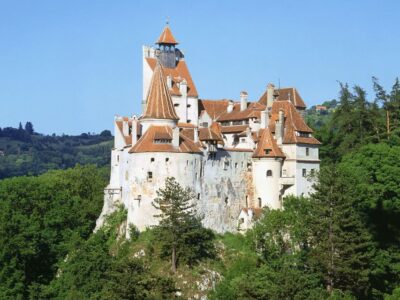 ★ 4.5Dracula’s Castle, Peles Castle, & Brasov Old TownFrom $4017,858 reviews
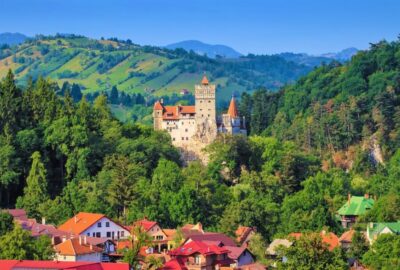 ★ 4.6Dracula Castle, Peles Castle & Brasov Old TownFrom $4010,891 reviews
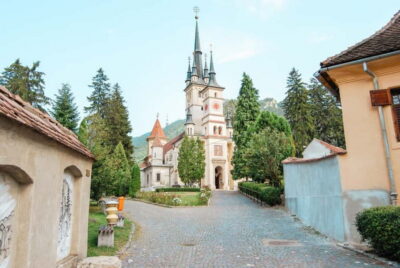 ★ 4.5Dracula’s Castle, Peleș Castle & Brașov Day TripFrom $235,919 reviews
 ★ 4.4Day Trip to Dracula Castle, Peles Castle & BrașovFrom $453,049 reviews
 ★ 4.5Bucharest to Dracula Castle, Peles Castle and Brasov Guided TourFrom $332,933 reviews
 ★ 4.5Dracula’s Castle, Peles Castle and Brasov Day Trip from BucharestFrom $331,804 reviews
 ★ 4.5Brasov Peles & Dracula’s Castle Day TourFrom $651,244 reviews
 ★ 4.5Peles Castle, Bran Castle, & Brasov Old Town TourFrom $401,035 reviews
Browse the lists this tour appears in