
REVIEW · BUCHAREST TOURS
Bucharest: The Italian emigration in Romania
Italian Bucharest is hiding in plain sight. This 2-hour walk connects the story of Italian emigration from the late 1700s into the early 1800s to the places you can actually see in central Bucharest. I like the way the route is anchored on Victory Road, with an Italian-speaking guide helping you read the city like a map, not a postcard.
I also like the smart balance of landmarks and street-level context, especially around the Palace of Justice on the Dambovita River, plus big names like Revolution Square and the CEC building. One consideration: the meeting point can be a little tricky to spot, since you meet at Piata Natiunile Unite about 100 meters from the Transylvanian Wonders office.
Key highlights you will actually feel during the walk
- Victory Road as the main “story street,” where you connect Italian influence to what’s in front of you
- Dambovita River crossing into a more theatrical stretch of central Bucharest
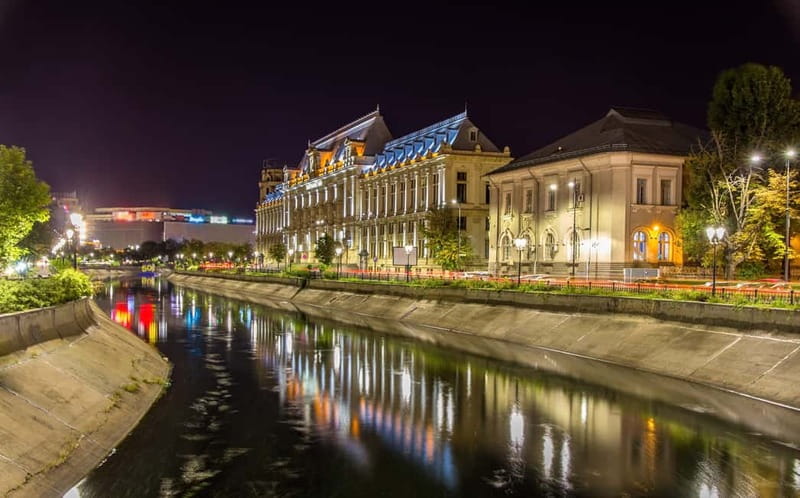
- Palace of Justice on the riverbanks, a strong anchor for the tour’s historical tone
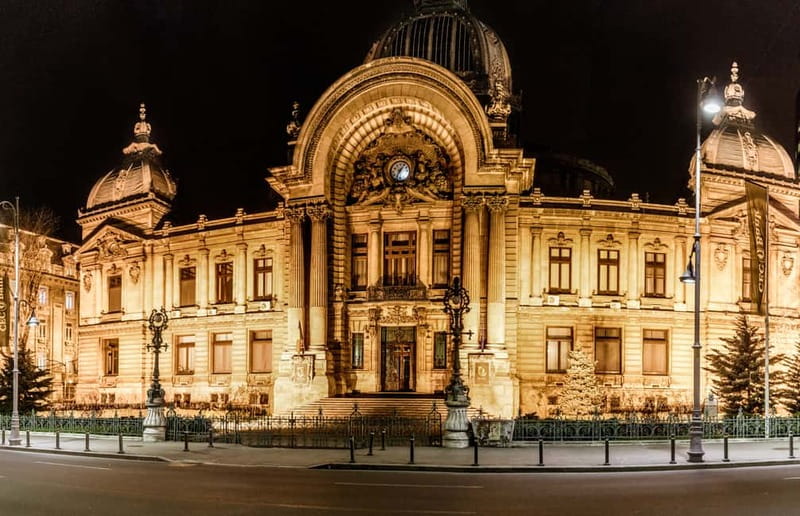
- CEC building and Revolution Square for a sense of how institutions shape city life
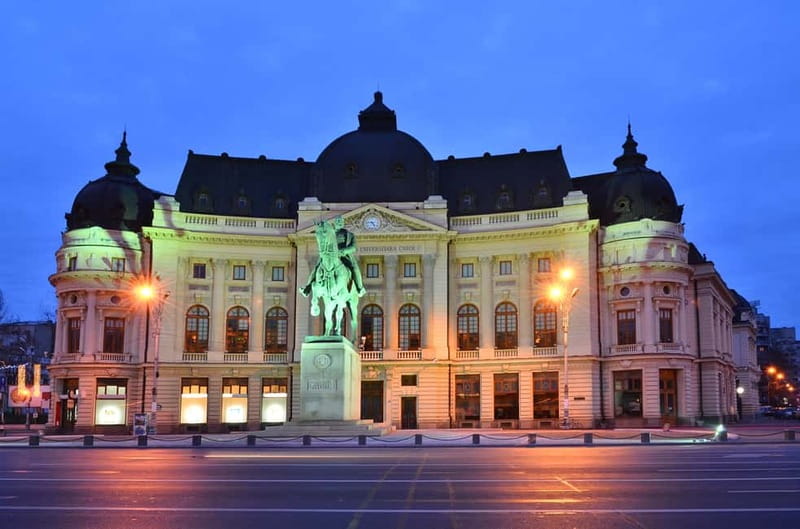
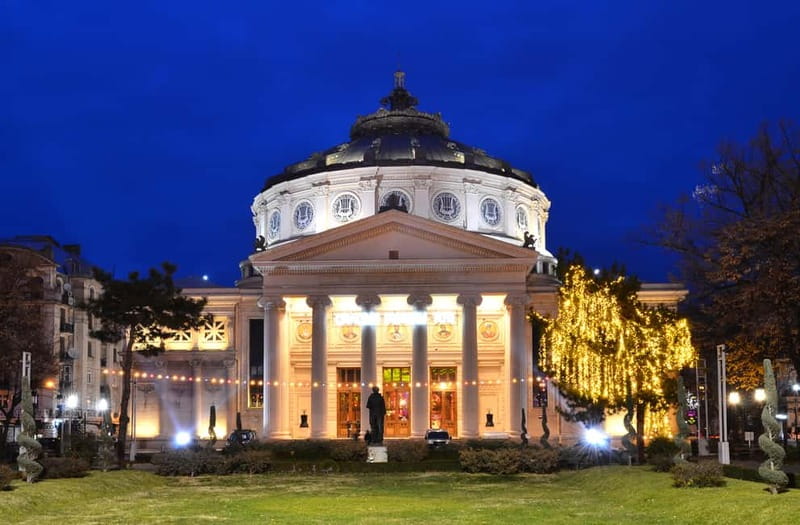
- Atheneum and the Italian Church, practical stops that link culture, community, and architecture
- A clear 2-hour format that ends back at your starting area with a recap
Italian emigration in Bucharest, told through the streets
The best thing about this tour is that it doesn’t treat history like a lecture. You start in Piata Natiunile Unite and move into the old part of town, where the guide ties Italian immigration from the late 18th century and early 19th century to visible city elements. That time period matters because it gives you a reason to look beyond the obvious highlights and pay attention to details that would otherwise blend together.
Victory Road is the real engine of the experience. It’s the kind of street where you can keep your bearings while the guide stitches together a bigger narrative. Instead of jumping randomly between landmarks, you walk a continuous line and the story builds as you go. You get the sense that Italian presence isn’t just a footnote, it’s part of how Bucharest developed.
If you’re curious how migration leaves fingerprints, this format is a good fit. You’ll see how public culture, community spaces, and prominent buildings can all reflect who settled, what they valued, and how that shaped the city over time.
Starting point at Piata Natiunile Unite, and how not to lose time
You begin at Transylvanian Wonders office on Bulevardul Natiunile Unite 4, Bloc 107/A, then you meet your guide in Piata Natiunile Unite, about 100 meters away from the office. That distance sounds simple, but the experience can go sideways if you show up late or you assume the office building is the meeting point itself.
I suggest you do two things before you leave your hotel. First, open your map and zoom in on both the office address and Piata Natiunile Unite, so you know what you’re looking for. Second, give yourself extra minutes. There is at least one documented case where finding the office was hard due to a lack of clear signage, and that turned into a missed experience.
Also keep in mind the tour ends back at the meeting point, so it’s easy to return to your hotel area without complicated transit plans.
The Dambovita River stretch and the Palace of Justice
Soon after you start, you cross the Dambovita River and that quick shift in scenery helps you understand why the area feels dramatic. The tour’s highlight of the Palace of Justice sits along the riverbanks, so it becomes a natural anchor. You’re not just looking at a building. You’re placing it in a wider city story, right where Bucharest’s layers of history feel most tangible.
This is also where you’ll notice how the guide sets the tone. Even if you’re only half following the timeline, the combination of an impressive civic landmark and the river location makes the historical theme feel real. It’s the kind of stop that works even for people who usually zone out on architecture tours, because the surroundings do half the explaining.
One practical tip: if the weather is wet or windy, bring a jacket. The river area can feel cooler, and you’ll be outside for a solid portion of a 2-hour walk.
Victory Road: where the Italian influence becomes a walking route
After the river crossing, you enter the part of Bucharest that the tour is built around: Victory Road. This is described as the most famous street in Bucharest, and the reason you feel that reputation on foot is simple. Big buildings, visible history, and constant pedestrian flow make it easier to stay oriented while still taking in details.
What I like about the Victory Road approach is that it turns a general “history of Italians in Bucharest” idea into a concrete sequence. The guide points to the places tied to Italian influence and keeps your attention moving. You’re not stuck staring at one facade for too long, which helps if you’re on a short schedule and want real value per minute.
As you walk, you’ll also get a sense of why the tour calls Bucharest a capital with a troubled past. Even without getting lost in political specifics, the street layout and civic buildings give you that feeling. The city looks like it has absorbed major changes over time, and the Italian storyline becomes one layer of a much bigger picture.
National History Museum and the CEC Palace stops that feel practical
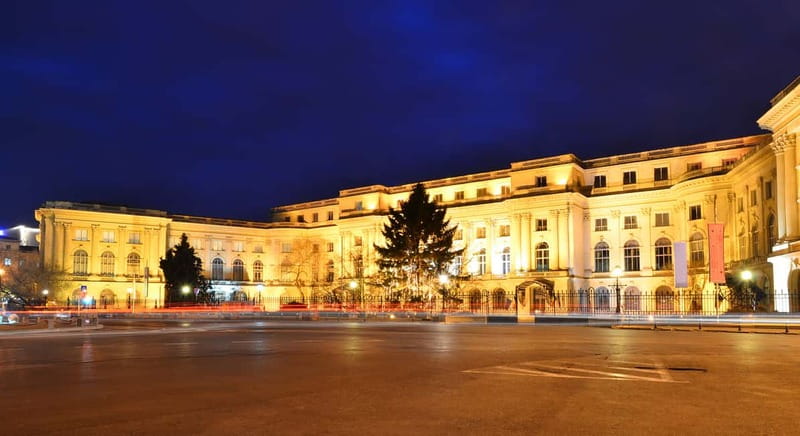
Midway through the walk, you pass the National History Museum and the CEC Palace. These are strong stops because they connect culture and public life to the migration story. You’re not just visiting “pretty buildings.” You’re reading how society organized itself, what institutions mattered, and how communities became part of the city’s public face.
The CEC Palace is specifically highlighted as the CEC bank building, and that’s a clue about what the guide wants you to notice. Banks, museums, civic buildings, and squares are places where power and identity get formalized. If you’re trying to understand how Italian emigration influenced Bucharest, these are logical places to look, because institutions are where legacies tend to stick.
The National History Museum stop also helps you slow down just a little. Even if you don’t go inside, it gives you a reference point. You’ll understand that migration history is not only about neighborhoods. It’s also about culture, memory, and how cities preserve stories about themselves.
Revolution Square and the old Senate house, for the city’s political spine
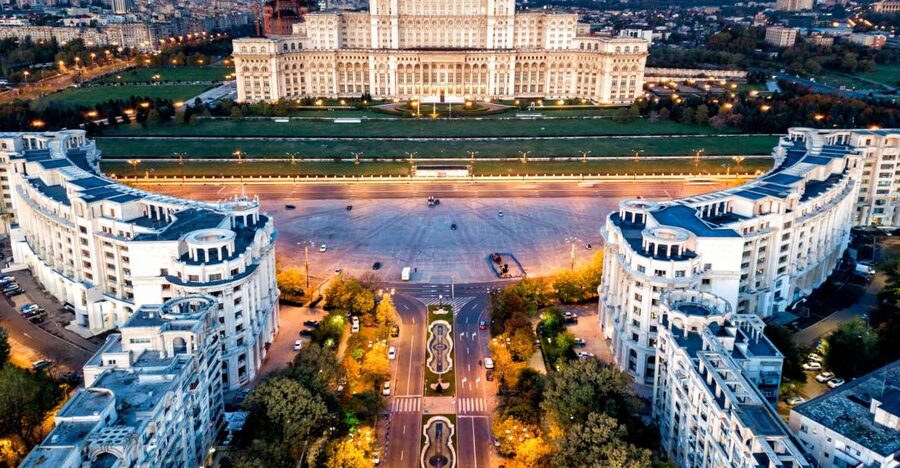
Revolution Square and the old Senate house are part of the route’s core landmarks. This segment is where the tour starts to feel less like an architectural stroll and more like a guided walk through Bucharest’s political center.
For you, this matters because it frames the Italian story in the wider context of a capital city changing over time. When the guide moves from a river landmark to Victory Road and then into Revolution Square, it creates a clear arc: from physical geography to major civic and political spaces.
A practical note: squares can be noisy. If you’re trying to catch every detail, position yourself so you can face your guide and avoid talking over street traffic. The tour is two hours total, so you’ll want to stay fully present for the key explanations rather than lose them to ambient noise.
Atheneum and the Italian Church, culture and community in one tour lane
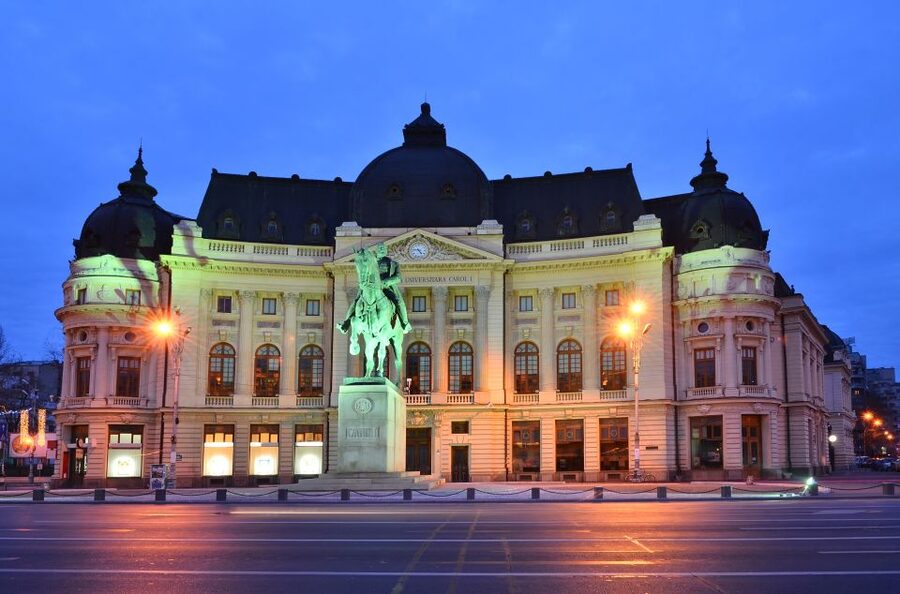
Two of the most memorable stops are the Atheneum and the Italian Church. They do two different jobs, but together they work well for the tour’s theme.
The Atheneum gives you a sense of Bucharest’s public cultural life. Even if you only have a short time in the city, seeing a major cultural building during a migration-focused walk helps you understand the human side of history. Communities often show up through arts, education, and public events, not just in immigration records.
The Italian Church stop is the other half of that idea. A church is community infrastructure, and the tour uses it to highlight how Italian immigrants left marks beyond commerce and politics. If you like tours where the story has social roots, this is the part that clicks.
And if you’re hoping to photograph freely, keep the rules in mind. Audio recording is not allowed, but typical sightseeing photos are not mentioned as prohibited.
The tour wraps in old town, with a recap you can use
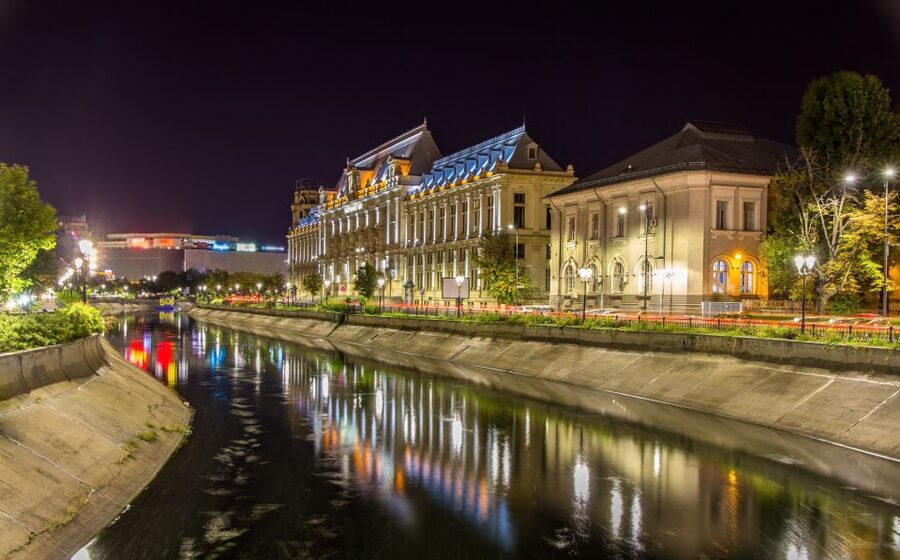
The experience ends in Bucharest’s old town with a quick recap of the historic importance of Italian emigration in Bucharest and Romania. That closing matters because it turns the route into a summary you can remember without needing to study afterward.
I like recaps at the end of walking tours, because they help you turn random facts into a structure. Here, the structure is clear: you walked from the river landmark area into Victory Road, you passed key institutions, and you finished with a reminder of why those places connect to the Italian storyline.
If you want to keep the learning going, use the recap to choose what to explore next on your own. For example, after the tour, you’ll have an easier time deciding where to spend extra time, because you already know which landmarks were tied to the migration narrative.
Price and value: is $34 fair for a 2-hour walk?
At $34 per person for a 2-hour guided walking tour, the value depends on how you like to travel.
You get a professional local guide and a route that hits multiple well-known Bucharest landmarks, including the Palace of Justice, Revolution Square, the CEC building, the Atheneum, the Italian Church, plus stops along Victory Road tied to Italian influence. For many travelers, that is the sweet spot: you pay for clarity, pacing, and context while still doing the walking that lets you experience the city streets.
The language is Italian, so your personal value also depends on your comfort level. If you understand Italian well, you’ll likely get more out of the tour explanations. If you do not, the tour can still be enjoyable for the visuals and general narrative, but you might not catch all the details.
Overall, for a short, centrally located walking tour with a clear theme, $34 feels reasonable as long as you can make the meeting point on time and you’re happy with an Italian-language experience.
Who this tour suits best, and who should think twice
This tour is a good fit if you want history connected to street level, not stuck in a museum or inside a bus. It also works well if you like walking through central sights with a guide who can explain why buildings matter.
You should think twice if any of these apply:
- You strongly need an English-speaking guide, since the tour language is Italian
- You dislike meeting-point uncertainty, because the Piata Natiunile Unite meeting is about 100 meters from the office and there have been reported problems finding the office
- You have limited mobility or you are older than the tour’s recommended limit, since it is not suitable for people over 95 years
Final thought: should you book this Bucharest tour?
I would book this if you like short walks that give a clear story arc, and you’re interested in how Italian emigration shaped Bucharest in the late 1700s and early 1800s. The route through Victory Road plus the landmark set around Revolution Square and the CEC building gives you a lot of “why this place matters” in a tight time window.
I would hesitate only if you know you will struggle with finding the start location or you need guaranteed language support beyond Italian. If you’re prepared, though, this is the kind of tour that can make Bucharest feel more connected, not just more photographed.
If you do book, plan to arrive early, wear comfortable shoes, and keep your attention on the guide. The payoff comes from following the story along the street you walk, not just from checking off stops.
FAQ
How long is the Bucharest walking tour?
The tour lasts 2 hours.
How much does the tour cost?
The price is $34 per person.
Where do I meet the guide in Bucharest?
Meet your guide at Transylvanian Wonders office on Bulevardul Natiunile Unite 4, Bloc 107/A, and then meet in Piata Natiunile Unite about 100 meters from the office.
What key sights are included on the route?
You will see the Palace of Justice by the Dambovita River, the CEC bank building, Revolution Square, the old Senate house area, and you walk along Victory Road, passing places like the National History Museum, the Atheneum, and the Italian Church.
What language is the tour guide?
The live tour guide speaks Italian.
What should I bring and wear?
Bring comfortable shoes and weather-appropriate clothing.
Is audio recording allowed?
No, audio recording is not allowed.
Can I cancel for a refund if my plans change?
Yes. Free cancellation is available up to 24 hours in advance for a full refund.
Bucharest Tours, compared.
 ★ 4.5Dracula’s Castle, Peles Castle, & Brasov Old TownFrom $4017,858 reviews
 ★ 4.6Dracula Castle, Peles Castle & Brasov Old TownFrom $4010,891 reviews
 ★ 4.5Dracula’s Castle, Peleș Castle & Brașov Day TripFrom $235,919 reviews
 ★ 4.3Palace of Parliament Tickets and GuideFrom $383,182 reviews
 ★ 4.4Day Trip to Dracula Castle, Peles Castle & BrașovFrom $453,049 reviews
 ★ 4.5Bucharest to Dracula Castle, Peles Castle and Brasov Guided TourFrom $332,933 reviews
 ★ 4.4Palace of Parliament Tickets and Guided TourFrom $281,877 reviews
 ★ 4.5Dracula’s Castle, Peles Castle and Brasov Day Trip from BucharestFrom $331,804 reviews